
How Long Can a Generator Run Before It Needs Refueling
How long can a generator run depends on fuel type, tank size, and load. Most portable generators run 8 to 12 hours on a full tank, while standby models can run 24 to 48 hours. Understanding your generator’s runtime helps you plan for power outages and avoid unexpected shutdowns.
Whether you are prepping for a storm or running tools at a job site, one question always comes up: how long can a generator run before it needs more fuel? This is not just a random curiosity. It is a practical concern that affects your plans, your safety, and your comfort during a power outage.
The answer is not one-size-fits-all. A small portable unit might give you 8 hours of electricity. A large standby generator connected to a propane tank could keep your home running for days. What determines this big difference? Fuel tank size, load demand, fuel type, and engine efficiency all play a role.
In this guide, we will break down everything you need to know about generator runtime. You will learn how long different types of generators run, what factors change that number, and how to get the most out of every tank of fuel. Let us dive in.
Key Takeaways
- Portable generators typically run 8 to 12 hours on a full tank at 50% load.
- Standby generators can run continuously for 24 to 48 hours or more with a large fuel supply.
- Fuel type matters — propane, gasoline, and diesel each offer different runtime and efficiency.
- Load level is the biggest factor — running at full capacity burns fuel much faster.
- Regular maintenance keeps your generator running efficiently and extends its runtime.
- Never refuel a hot generator — always let it cool first to prevent fires.
- Using a runtime chart from the manufacturer helps you plan ahead for outages.
📑 Table of Contents
- How Long Can a Generator Run on a Full Tank?
- Factors That Affect Generator Runtime
- Generator Runtime by Fuel Type
- How to Maximize Your Generator’s Running Time
- Common Mistakes That Shorten Generator Runtime
- Safety Tips for Long Generator Runs
- How Long Can a Generator Run Continuously?
- Final Thoughts
How Long Can a Generator Run on a Full Tank?
The generator run time on a full tank varies widely. It depends on the size of the unit, the type of fuel it uses, and how much electricity you are pulling from it. Here is a general look at what you can expect from common generator types.
Portable Generator Runtime
Most portable generators run between 8 and 12 hours on a full tank of gasoline at 50% load. Smaller units with 1-gallon tanks may only last 4 to 6 hours. Larger portable models with 3- to 5-gallon tanks can push past 12 hours if you are not running everything at once.
For example, a popular 3,500-watt portable generator with a 4-gallon tank might give you about 10 hours of runtime at 25% load. Crank it up to full capacity, and that number drops to around 6 hours. Generator fuel efficiency drops as the load increases.
Standby Generator Runtime
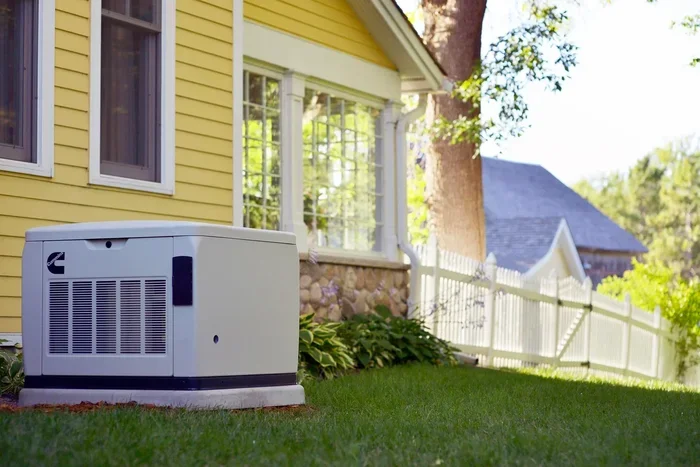
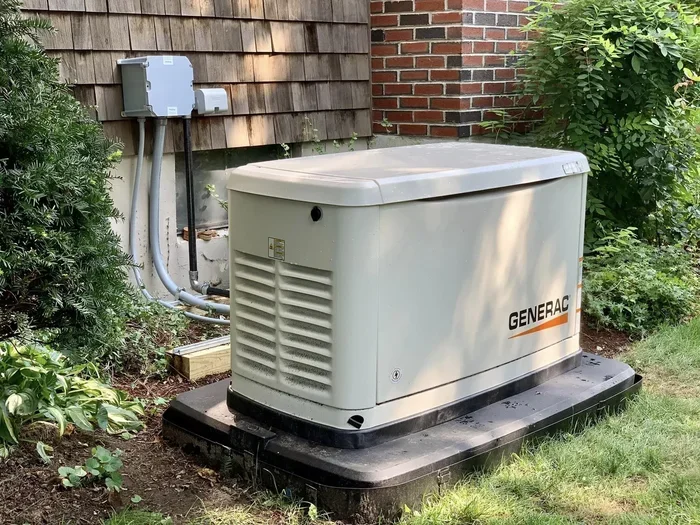
Standby generators are built for long-term use. A whole-house standby unit connected to a natural gas line can run continuously for days. There is no need to refuel because it draws fuel from your home’s gas supply.
Propane-powered standby generators are another great option. With a 500-gallon propane tank, a standby generator can run for 48 hours or more at a moderate load. Some homeowners even install dual-tank systems that switch automatically when one tank runs low.
Inverter Generator Runtime
Inverter generators are known for being fuel-efficient. They adjust engine speed based on the load, which saves fuel. A mid-sized inverter generator can run 10 to 14 hours on a half-full tank. This makes them a top choice for camping trips and tailgating where runtime matters a lot.
Factors That Affect Generator Runtime
Several key factors determine how long can a generator run before needing a refill. Understanding these helps you plan better and avoid surprises when the power goes out.
Load Capacity
This is the single biggest factor. The more appliances and devices you power, the harder your generator works, and the faster it burns fuel. A generator running at 25% load uses far less fuel than one running at 100% load.
Here is a simple way to think about it:
- 25% load — lights, phone charging, small fan. Very fuel-efficient.
- 50% load — adds a refrigerator and a few more devices. Moderate fuel use.
- 75% load — running most household essentials. Fuel burn increases significantly.
- 100% load — all systems running at full power. Shortest generator runtime.
Fuel Tank Size
A bigger tank means longer runtime. This sounds obvious, but many people overlook it when buying a generator. Always check the fuel tank capacity before you purchase. A 5-gallon tank will almost always outlast a 2-gallon tank, all else being equal.
For standby generators, the runtime depends on the fuel source. Natural gas lines provide an endless supply. Propane tanks are limited but can be swapped out or refilled easily.
Fuel Type and Generator Fuel Efficiency
Different fuels burn at different rates. Diesel generators tend to be the most fuel-efficient for heavy loads. Propane generators burn cleaner but may use more fuel per hour than diesel. Gasoline generators are common and affordable but typically have the shortest runtime per gallon.
Here is a quick comparison:
| Fuel Type | Avg. Runtime (50% Load) | Fuel Efficiency |
|---|---|---|
| Gasoline | 8 to 12 hours | Moderate |
| Propane | 10 to 15 hours | Good |
| Diesel | 12 to 24 hours | Excellent |
| Natural Gas | Unlimited (line-connected) | Very Good |
Keep in mind that these numbers are estimates. Your actual generator fuel consumption will vary based on the factors we discuss here.
Engine Condition and Maintenance
A well-maintained generator runs longer and more efficiently. Dirty air filters, old spark plugs, and low oil levels all force the engine to work harder. This burns more fuel and shortens generator runtime. Regular generator maintenance is not optional if you want reliable performance.
Ambient Temperature
Hot weather makes engines work harder. In summer heat, your generator may use 10 to 15% more fuel than in cool conditions. Cold weather can also affect startup and efficiency, especially with gasoline units. Extreme temperatures in either direction will reduce your runtime.
Generator Runtime by Fuel Type
Not all fuels are created equal when it comes to generator run time. Let us look at how each fuel type performs and what it means for your usage.
Gasoline Generators
Gasoline is the most common fuel for portable generators. It is easy to find and store. However, gasoline has a shorter shelf life — typically 3 to 6 months without stabilizer. Gasoline generators usually provide 8 to 12 hours of runtime on a standard tank.
The upside? They are affordable and widely available. The downside? You need to refuel more often, and gasoline degrades over time. If you are storing fuel for emergencies, add a fuel stabilizer to extend its life.
Propane Generators
Propane generators offer a longer shelf life and cleaner burning fuel. They can run for 10 to 15 hours on a standard tank at moderate load. Many homeowners prefer propane for standby units because it is readily available and does not degrade like gasoline.
Propane also burns cleaner, which means less maintenance over time. Generator maintenance costs tend to be lower with propane units. The trade-off? Propane has a lower energy density than gasoline, so you may use more of it per hour.
Diesel Generators
Diesel generators are the kings of fuel efficiency. They can run 12 to 24 hours or more on a single tank at 50% load. Diesel fuel also has a long shelf life — 6 to 12 months with proper storage.
The downside is that diesel units are typically more expensive upfront. They are also heavier and louder. But if you need long continuous runtime and fuel efficiency, diesel is hard to beat.
Natural Gas Generators
Natural gas generators connected to a home gas line offer unlimited runtime. They never need refueling in the traditional sense. This makes them ideal for whole-home backup during extended power outages.
The catch? You are dependent on your gas utility company. If the supply is disrupted, so is your power. Natural gas is also less energy-dense than diesel, so fuel consumption is higher.
How to Maximize Your Generator’s Running Time
Want to get the most runtime out of every tank? These practical tips will help you stretch your fuel and keep your generator running longer.
Reduce Your Load
This is the simplest and most effective tip. Turn off any devices or appliances you do not need. A refrigerator does not need to run at the same time as your microwave, TV, and laptop charger. Prioritize essential loads and shut off everything else.
By reducing your load capacity, you can easily double your generator runtime. Running at 25% load instead of 75% load makes a huge difference in fuel consumption.
Use the Right Fuel
Always use the fuel type recommended by the manufacturer. Using the wrong fuel can damage the engine and reduce efficiency. Store fuel properly in approved containers and use fuel stabilizer for long-term storage.
Keep Up with Maintenance
Change the oil regularly. Replace air filters when they get dirty. Check spark plugs and clean or replace them as needed. A well-maintained engine burns fuel more efficiently and runs smoother. Generator maintenance schedules vary by model, so check your owner’s manual.
Operate in Optimal Conditions
Place your generator in a shaded, well-ventilated area. Extreme heat and humidity force the engine to work harder. If possible, run your unit during cooler parts of the day to improve fuel efficiency.
Use a Runtime Chart
Most manufacturers provide a runtime chart that shows estimated hours at different load levels. Check this chart before you buy a generator. It gives you a realistic idea of what to expect and helps you choose the right size unit for your needs.
Common Mistakes That Shorten Generator Runtime
Many people unknowingly shorten their generator’s running hours by making simple mistakes. Here are the most common ones to avoid.
Overloading the Generator
Plugging in too many devices at once is the fastest way to drain your fuel. It also risks damaging both the generator and your appliances. Always check the wattage of each device and stay within your generator’s rated capacity.
Ignoring Maintenance
Skipping oil changes and air filter replacements might save a little time now, but it costs you in fuel efficiency and runtime later. A dirty engine works harder and burns more fuel. Keep up with the maintenance schedule.
Refueling a Hot Generator
This is a dangerous mistake. Never pour fuel into a generator that is still hot. The engine and exhaust components can reach very high temperatures, and gasoline fumes can ignite. Always turn off the generator and let it cool for at least 15 minutes before refueling.
Using Old or Contaminated Fuel
Stale gasoline clogs fuel lines and carburetors. This reduces engine performance and shortens runtime. Always use fresh fuel, and add stabilizer if you store fuel for more than a month. Fuel contamination is one of the most common reasons generators run poorly.
Running at Full Load Constantly
Running your generator at 100% load for hours on end is a recipe for fast fuel burn and potential engine damage. Try to keep your load between 50% and 75% for the best balance of power and efficiency.
Safety Tips for Long Generator Runs
When you need your generator to run for an extended period, safety becomes even more important. Follow these guidelines to protect yourself, your family, and your home.
Never Run a Generator Indoors
Generators produce carbon monoxide, which is deadly and odorless. Always run your unit outdoors, at least 20 feet from your home, doors, and windows. Carbon monoxide poisoning is a serious risk during extended use.
Check Oil Levels Regularly
Long runs consume oil faster. Check the oil level every few hours, especially during continuous operation. Running a generator with low oil can cause engine failure.
Let the Generator Cool Before Refueling
As mentioned above, always let the unit cool down before adding fuel. This prevents fire hazards and gives you time to check oil and other fluid levels too.
Use Heavy-Duty Extension Cords
Long runs mean you need reliable connections. Use extension cords rated for the wattage you are drawing. Cheap or damaged cords can overheat and cause fires.
Set Up a Refueling Schedule
If you know you need power for more than 12 hours, plan your refueling breaks. Turn off the generator, let it cool, and refill the tank. Having a spare fuel container on hand is always a smart move for extended power outages.
How Long Can a Generator Run Continuously?
The answer depends on the type of generator and its fuel source. Most portable gasoline generators are not designed for true continuous operation. They are built for intermittent use of 8 to 12 hours at a time.
Standby generators built for whole-home backup can run continuously for 24 to 48 hours or longer. Diesel generators are also built for extended continuous use, with some industrial models rated for weeks of operation.
If you need truly unlimited runtime, look into natural gas standby units or consider installing a larger propane tank. These setups give you the freedom to keep your home powered through multi-day outages without worrying about refueling.
The key takeaway is this: how long can a generator run is not just about the fuel tank. It is about the design of the unit, the type of fuel, the load you place on it, and how well you maintain it.
Final Thoughts
Understanding generator runtime is essential for anyone who relies on a backup power source. Whether you own a small portable unit for camping or a whole-house standby for emergencies, knowing what to expect helps you plan with confidence.
The generator run time you get depends on fuel type, load level, tank size, and maintenance habits. By following the tips in this guide, you can maximize every hour of power and avoid the frustration of an unexpected shutdown.
Take the time to read your owner’s manual, check your runtime chart, and plan ahead for your fuel needs. A little preparation goes a long way toward keeping your lights on and your appliances running when you need them most. How long can a generator run — now you have the answers to make the best choice for your home and your needs.
Frequently Asked Questions
How long can a portable generator run on a full tank?
Most portable generators run 8 to 12 hours on a full gasoline tank at 50% load. Smaller units with 1-gallon tanks may last only 4 to 6 hours. Larger models with bigger tanks can exceed 12 hours if you keep the load low.
Can a standby generator run 24 hours a day?
Yes, most standby generators are designed for continuous operation. They can run 24 hours a day for multiple days, especially if connected to natural gas or a large propane tank. Always check your specific model’s rated runtime.
How does load affect generator runtime?
The higher the load, the faster the fuel burns. A generator running at 25% load can last twice as long as one running at 75% load. Keeping your load moderate is the best way to extend runtime.
What is the best fuel for long generator runtime?
Diesel and natural gas offer the longest runtime and best fuel efficiency. Propane is also a solid choice with a long shelf life. Gasoline is convenient but burns faster and has a shorter shelf life.
How often should I refuel my generator during a power outage?
This depends on your generator size and load. Most portable units need refueling every 8 to 12 hours. Always let the generator cool for at least 15 minutes before refueling to prevent fire hazards.
Can I extend my generator’s runtime with a larger fuel tank?
Yes, adding a larger fuel tank or using a larger propane tank significantly increases runtime. Some homeowners install secondary fuel tanks or connect to natural gas lines for unlimited runtime during extended outages.


3 Comments