Is a Color Generator the Same as a Developer Tools
A color generator and a developer tool are not the same, even though they share some overlap. A color generator focuses on creating palettes, schemes, and design assets, while a developer tool helps you write, test, and deploy code. Understanding the difference saves time and boosts your workflow.
If you have ever searched for a color generator, you might have wondered whether it is the same thing as a developer tool. The short answer is no. They are related, but they serve different roles in the digital world. A color generator helps you create beautiful palettes and find the right shades for your project. A developer tool helps you write, test, and deploy code that makes websites and apps work.
The confusion is understandable. Both types of tools show up in a designer or developer’s workflow. Both can save you hours of frustration. And both are essential in their own way. But mixing them up can lead to wasted time and missed opportunities. This article breaks down everything you need to know about the difference between a color generator and a developer tool. We will cover what each one does, how they compare, and when to use which.
Whether you are a beginner learning web development or a seasoned designer building digital design assets, this guide will help you get clear on what you actually need. Let us dive in.
Key Takeaways
- Color generators and developer tools serve different primary purposes in the design and development workflow.
- A color generator creates palettes, hex codes, and accessible color schemes for digital design projects.
- Developer tools include code editors, debuggers, and testing frameworks used to build functional software.
- Many modern tools blend both functions, but understanding their core differences helps you choose the right one.
- Using the wrong type of tool can slow down your project and create unnecessary friction in your workflow.
- Knowing when to use each tool type makes you more efficient and improves the quality of your final product.
📑 Table of Contents
What Is a Color Generator?
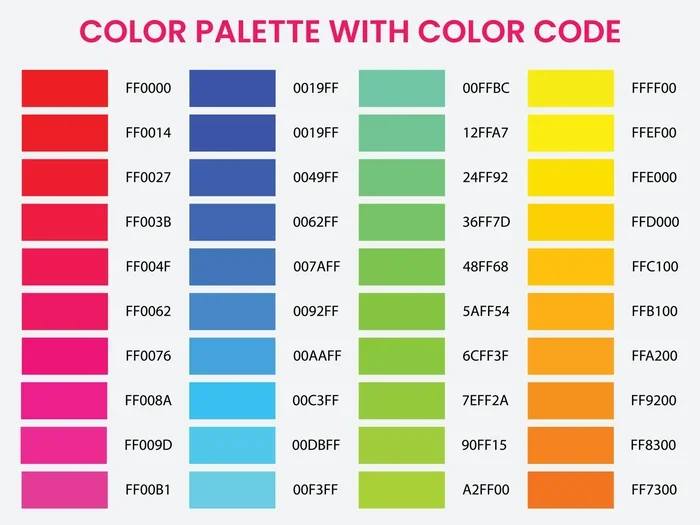
A color generator is a tool that helps you create color palettes, find matching shades, and generate hex color codes or RGB values. Designers use these tools every day to build visual identities, choose branding colors, and ensure their work looks great on screen.
How Does a Color Generator Work?
Most color palette generators work by using color theory principles. They start with a base color and then calculate complementary, analogous, or triadic shades. You enter one color, and the tool spits out a full color scheme that works well together. Some generators let you adjust saturation, brightness, and contrast with simple sliders.
Many CSS color generator tools also output the code you need to use those colors in your projects. This means you can copy a hex code or an HSL value and paste it directly into your stylesheet. It makes the design workflow much faster and more seamless.
Common Features of Color Generators
- Palette creation from a single base color
- Color contrast checker for accessibility compliance
- Hex, RGB, HSL, and CMYK code outputs
- Gradient generation for backgrounds and overlays
- Export options for design files and style sheets
- Random color picker for inspiration and exploration
Who Uses Color Generators?
Graphic designers, UI designers, marketers, and even developers use color generators. If you are building a website and need to pick a harmonious set of branding colors, a color scheme generator is your best friend. If you are working on a mobile app and need to ensure your text meets accessibility standards, a color contrast checker built into a generator saves you from guesswork.
The key takeaway is that a color generator is a creative tool. It helps you make decisions about how things look. It does not write code or build functionality on its own.
What Is a Developer Tool?
A developer tool is any software that helps you write, test, debug, or deploy code. These tools are the backbone of software development. They range from simple text editors to complex integrated environments that handle everything from front-end development to server management.
Types of Developer Tools
There are many kinds of coding tools out there. Here are the most common ones:
- Code editors like VS Code, Sublime Text, and Atom
- Browser developer tools built into Chrome, Firefox, and Safari
- Debugging tools that help you find and fix errors in your code
- Version control systems like Git and GitHub
- Testing frameworks for unit tests, integration tests, and end-to-end tests
- Build tools that compile and bundle your code for deployment
- Package managers like npm and Yarn for managing dependencies
How Developer Tools Differ from Color Generators
The main difference comes down to purpose. A developer tool is built to solve functional problems. It helps you make things work. A color generator is built to solve visual problems. It helps you make things look good. Both are valuable, but they operate in different lanes of the design workflow.
Think of it this way. A developer tool is like a hammer. It builds and constructs. A color generator is like a paintbrush. It creates and decorates. You need both to finish a house, but they do very different jobs.
Do Developers Use Color Generators?
Yes, absolutely. Many developers use color generators alongside their coding tools. When building a website, a developer might use a color picker tool to find the right shade for a button or background. They then take that hex code and write the CSS to apply it. The color generator feeds into the developer tool workflow. They work together but are not the same thing.
If you are wondering what kind of generator do I need, the answer depends on whether you are solving a visual problem or a functional one. For colors and design, you need a color generator. For code and functionality, you need a developer tool.
Key Differences Between a Color Generator and a Developer Tool
Understanding the differences helps you choose the right tool for the job. Let us break it down clearly.
Purpose and Function
A color generator exists to help you create and organize visual elements. It generates palettes, finds matching colors, and ensures your choices look cohesive. A developer tool exists to help you write, test, and ship code. It does not care about aesthetics. It cares about function and performance.
Output and Results
When you use a color generator, the output is usually a set of color values, a palette image, or a CSS snippet. When you use a developer tool, the output is working software, a fixed bug, or a deployed application. The results serve completely different ends of the project spectrum.
User Skill Level
Most color generators are beginner-friendly. You do not need to know how to code to use one. You just pick colors and explore. Developer tools, on the other hand, often require technical knowledge. You need to understand programming concepts, syntax, and logic to get the most out of them.
Pricing and Cost
Many color generators are free or offer generous free tiers. You can find excellent online tools without spending a dime. Developer tools vary widely in price. Some are free and open-source, while others require expensive subscriptions. If you are wondering how much is a generator for a 2 or comparing costs, keep in mind that the type of generator matters a lot. A color generator will almost always cost less than a full developer tool suite.
Integration and Workflow
Developer tools often integrate with each other. Your code editor connects to your version control system, which connects to your deployment pipeline. Color generators are more standalone. You use them when you need a specific color value, and then you move on. They are quick and focused, while developer tools form a long, connected chain.
When Should You Use Each Tool?
Knowing when to reach for each type of tool is just as important as knowing the difference. Here is a simple guide.
Use a Color Generator When…
- You are starting a new design project and need to pick a color palette
- You want to create branding colors that feel cohesive and professional
- You need to check if your text and background meet accessibility contrast standards
- You are exploring creative ideas and want to see unexpected color combinations
- You need to export design assets like swatches or style guides
Use a Developer Tool When…
- You are writing or editing code for a website or application
- You need to debug an error in your front-end development
- You are deploying an application and managing your build pipeline
- You need to test your code across different browsers or devices
- You are collaborating with a team and need version control
Can You Use Both Together?
Absolutely. In fact, the best workflow often combines both. You might start with a color generator to create your palette. Then you take those values into your developer tool and write the code to apply them. This is a natural and efficient process that many professionals follow every day.
Some modern tools try to blend both functions. They offer design features alongside coding features. But even in those cases, the core functions remain distinct. The color generation part is not the same as the code building part, even if they live in the same application.
Common Mistakes People Make
Assuming All Generators Are the Same
This is the biggest mistake. Just because a tool has the word “generator” in its name does not mean it does the same thing as another generator. A color generator does not replace a developer tool, and vice versa. If you try to use a color generator to write code, you will hit a wall fast. If you try to use a developer tool to build a color palette, you will be disappointed.
Skipping Accessibility Checks
Many people grab colors from a color generator without checking contrast ratios. This creates accessibility problems for users with visual impairments. Always run your palette through a color contrast checker before finalizing your design. It is a small step that makes a huge difference.
Overlooking the Cost of Developer Tools
While many color generators are free, developer tools can add up quickly. If you are wondering how much does a home generator cost in the physical equipment sense, the price tags can be steep too. In the software world, some developer tools cost hundreds of dollars per year. Always factor in the cost before committing to a toolset.
Not Learning the Shortcuts
Whether you are using a color generator or a developer tool, learning the keyboard shortcuts and hidden features saves enormous time. Spend an hour exploring the tool’s documentation. It pays off for months and years to come.
Expert Insights on Choosing the Right Tool
Industry professionals agree that understanding the distinction between a color generator and a developer tool is fundamental. Senior designers often keep their favorite color palette generator bookmarked and use it daily. Developers, on the other hand, invest time in mastering their coding tools and debugging environments.
The trend in modern software is toward integration. More platforms are combining design and development features into single workspaces. But even with these advances, the core functions remain separate. The color generation engine is not the code compilation engine. They serve different masters.
One practical tip from experienced professionals: always start with your design needs before diving into development. Nail down your branding colors and visual direction first. Then move into your developer tools to bring the vision to life. This order of operations keeps your project organized and your workflow smooth.
If you are building a large project and need to scale your tools, consider how each tool grows with you. A color generator that works for a small project will likely work for a large one too. But developer tools may need to scale up in terms of performance, collaboration features, and deployment capabilities. Think about what size generator for whole house needs in your tech stack as your project grows.
Also, consider how long you will need your tools to perform. Just as you might ask how long can a generator run in a physical sense, think about the longevity and support of your software tools. Are they actively maintained? Do they receive regular updates? These questions matter for long-term project success.
Final Thoughts
A color generator and a developer tool are not the same, and that is a good thing. Each one fills a specific role in the creative and technical process. A color generator helps you see and choose the right visual elements. A developer tool helps you build and deliver functional products.
The best professionals know when to use each one. They do not try to force a square peg into a round hole. They pick the right tool for the job and move forward with confidence. Whether you are picking branding colors or writing your first line of code, understanding this difference makes you more effective and more efficient.
Take some time to explore both types of tools. Find a color generator that matches your aesthetic style. Find a developer tool that fits your coding workflow. The combination of the two will power your projects forward and help you create work that looks great and functions flawlessly.
Remember, these tools are not competitors. They are partners in your creative process. Use them together, and you will be amazed at what you can build.
Frequently Asked Questions
Can a color generator replace a developer tool?
No, a color generator cannot replace a developer tool. They serve completely different purposes. A color generator helps you create palettes and find color values, while a developer tool helps you write, test, and deploy code. You need both for a complete workflow.
Do I need to know how to code to use a color generator?
Not at all. Most color generators are designed to be beginner-friendly. You can pick colors, explore palettes, and copy codes without writing a single line of code. They are intuitive and visual by design.
Are free color generators as good as paid ones?
Many free color generators are excellent and offer everything you need. Paid versions sometimes include advanced features like custom export options or team collaboration. But for most users, a free tool works perfectly fine.
What is the difference between a color picker and a color generator?
A color picker lets you select a single color from a visual interface. A color generator creates entire palettes and schemes based on color theory. The generator goes further by suggesting multiple colors that work well together.
Should I use a color generator before or after starting development?
Start with a color generator before you begin development. Lock in your branding colors and visual direction first. Then move into your developer tools to write the code that applies those colors. This order keeps your project organized.
Can a developer tool include color generation features?
Some modern platforms blend design and development features, which may include basic color generation. However, dedicated color generators are usually more powerful and specialized for visual tasks. A developer tool with color features is a bonus, not a replacement for a proper color generator.