What to Draw Generator Character Ideas for All Creators
Looking for what to draw generator character ideas? This guide gives you everything you need to create stunning generator characters for games, comics, and digital art. You will learn about styles, poses, tools, and expert tips that make your generator character design stand out.
Key Takeaways
- Multiple Styles: Explore steampunk, cute, realistic, and futuristic generator character styles to match any project.
- Design Principles: Learn the core elements that make a generator character look great and feel alive.
- Step-by-Step Guidance: Follow clear drawing steps from sketch to final render.
- Tool Recommendations: Find the best software and apps for drawing generator characters digitally.
- Common Mistakes: Avoid pitfalls that weaken your generator character design.
- Expert Insights: Gain pro tips that elevate your character art to the next level.
📑 Table of Contents
- What to Draw Generator Character: A Complete Guide for Creators
- Why Generator Characters Are So Popular
- Top Generator Character Styles to Explore
- How to Design Your Generator Character Step by Step
- Best Tools for Drawing Generator Characters
- Common Mistakes to Avoid When Drawing Generator Characters
- Expert Tips to Elevate Your Generator Character Art
- Key Takeaways
- Conclusion
What to Draw Generator Character: A Complete Guide for Creators
Have you ever stared at a blank canvas and wondered what to draw generator character designs that actually pop? You are not alone. Thousands of artists search for fresh generator character ideas every single day. Whether you are a beginner or a seasoned pro, finding the right concept can make or break your project.
A generator character is more than just a machine with eyes. It is a fusion of mechanical detail and personality. When you design one well, it tells a story. It sparks emotion. It becomes memorable. This guide covers everything you need to know about drawing generator characters that captivate your audience.
We will walk through styles, poses, tools, and pro tips. By the end, you will have a clear roadmap to create your own generator character from scratch. Let us dive in.
Why Generator Characters Are So Popular
Generator characters show up everywhere. You see them in indie games, web comics, animated shorts, and even branding mascots. Their mechanical nature gives artists a unique canvas. Unlike human characters, generator characters let you play with gears, pipes, and glowing panels.
There is something inherently cool about a machine that feels alive. Think about how a what kind of generator do I need question leads people down a rabbit hole of generator types. Each type has its own look and feel. A portable generator looks different from a standby unit. A diesel generator has a rugged vibe. A solar generator feels clean and modern. All of these visual differences feed directly into character design.
When you understand how real generators work, your character designs become more believable and interesting. You add details that make people pause and look closer.
The Appeal of Machine Characters
Machine characters tap into our fascination with technology. They feel powerful and dependable. A generator character can represent energy, reliability, or even chaos when designed that way. Artists love this flexibility. You can make a generator character friendly and cute or menacing and industrial.
Consider how long a generator can run without stopping. That endurance translates into a character trait. Maybe your generator character never gives up. Maybe it powers through every challenge. These storytelling layers make generator characters incredibly versatile for any creative project.
Top Generator Character Styles to Explore
Not all generator characters look the same. Style is everything. The style you choose sets the tone for your entire piece. Here are the most popular styles you should consider.
Steampunk Generator Character
Steampunk is a goldmine for generator character design. Picture brass gears, copper pipes, and riveted metal plates. The character feels like it belongs in a Victorian-era factory that never existed. Steam vents puff from its shoulders. Glowing amber lights blink from its chest panel.
To draw a steampunk generator character, start with a rectangular or cylindrical body shape. Add exposed gears on the sides. Use warm color palettes like bronze, copper, and deep brown. Give it goggles or a pressure valve as a facial feature. The result feels nostalgic yet futuristic at the same time.
Cute and Kawaii Generator Character
Cute generator characters are hugely popular in mobile games and childrens media. Think round body, big sparkly eyes, and tiny exhaust pipes that look like little smiles. These characters are approachable and fun.
Keep the shape simple and rounded. Use bright colors like yellow, white, and light blue. Add small details like a tiny fuel gauge on its cheek or a power cord tail that wiggles. A cute generator character works great as a mascot or logo. It instantly draws people in with its charm.
Realistic Industrial Generator Character
If you want your generator character to look like it could actually function, go realistic. Study real generator models. Look at how the vents, handles, and control panels are arranged. Translate those details into a character form.
This style works well for technical illustrations and serious game environments. Use muted grays, dark greens, and rust accents. Add warning labels and serial numbers as texture details. The key is precision. Every bolt and panel should feel intentional.
Futuristic Sci-Fi Generator Character
Futuristic generator characters lean into sleek lines, neon accents, and holographic displays. Imagine a generator character made of smooth white alloy with blue energy veins running along its joints. It floats slightly above the ground. Its core glows with pulsing light.
This style is perfect for sci-fi games and concept art. Use cool color schemes like electric blue, silver, and white. Add floating elements or energy shields around the character. The goal is to make it feel advanced and otherworldly.
How to Design Your Generator Character Step by Step
Now that you know the styles, let us talk about the actual process. Designing a generator character follows a clear path. Follow these steps and you will see real progress.
Step 1: Research and Gather Reference
Before you draw anything, collect references. Look at real generators. Study their shapes, proportions, and mechanical parts. Search for existing generator characters in games and animation. Note what you like and what you want to avoid.
Understanding how a generator powers your house with a generator system gives you insight into the components. The engine block, the alternator, the fuel tank, the exhaust system. Each part can become a character feature. The engine block becomes the torso. The fuel tank becomes the backpack. The exhaust pipes become arms or legs.
Step 2: Sketch the Basic Shape
Start with simple geometric shapes. A rectangle for the body. Circles for joints or eyes. Cylinders for limbs. Do not worry about details yet. Focus on the overall silhouette. A strong silhouette makes your character recognizable even in the dark.
Try three to five different rough sketches. Vary the proportions. Make one tall and thin. Make another short and wide. See which shape feels most characterful. This stage is about exploration, not perfection.
Step 3: Add Mechanical Details
This is where your generator character starts to come alive. Add gears, bolts, panels, and vents to the body. Think about where the “engine” would be. Where would the fuel intake go? What about the cooling fan?
Layer these details gradually. Do not add everything at once. Start with large panels and work down to small bolts and rivets. Each detail adds personality and depth to your generator character design.
Step 4: Design the Face and Expression
Giving your generator character a face is a critical decision. You can use a headlight for eyes and a speaker grille for a mouth. Or you can skip a traditional face entirely and use LED patterns to show emotion.
For a friendly character, make the eyes large and round. For a menacing character, use narrow slits and sharp angles. The expression sets the entire mood. Take your time with this step. The face is what people connect with.
Step 5: Color and Shade
Choose a color palette that matches your chosen style. Steampunk uses warm metallics. Cute uses bright pastels. Realistic uses muted industrial tones. Futuristic uses cool neons.
Add shading to give your character dimension. Light comes from a specific direction. Darken the opposite side. Use highlights on edges and panels to suggest metal reflections. Color grading ties everything together and gives your piece a polished feel.
Step 6: Final Touches and Effects
Add the finishing details. Maybe sparks fly from the exhaust. Maybe a power cord trails behind. Perhaps the generator character has a small screen on its chest displaying a heartbeat or energy level.
These small touches transform a good drawing into a great one. They tell the viewer that this generator character is living and breathing. Take a step back. Look at the whole piece. Adjust anything that feels off. Done.
Best Tools for Drawing Generator Characters
You do not need expensive equipment to create amazing generator characters. The right tool depends on your style and workflow. Here are some options that work well for artists at every level.
Digital Drawing Software
Programs like Clip Studio Paint, Procreate, and Krita are excellent for character design. They offer brushes that mimic ink, pencil, and paint. Layers let you sketch, line, color, and shade separately. This non-destructive workflow is perfect for iterating on generator character ideas.
If you are just starting out, free options like Krita or MediBang Paint work wonderfully. You do not need to spend money to create professional-quality generator character art.
Hardware Options
A drawing tablet is your best friend for digital art. Wacom, Huion, and XP-Pen make excellent options at various price points. Even an iPad with an Apple Pencil can produce stunning generator character designs.
For traditional artists, start with pencil and paper. Sketch rough concepts on cheap sketch paper. Then refine your favorites on better paper or board. Scan or photograph your final sketches for digital coloring.
Reference and Inspiration Tools
Pinterest, ArtStation, and DeviantArt are treasure troves of generator character inspiration. Create mood boards for each style you want to explore. Save references that speak to you. Study them not to copy, but to understand what makes each design effective.
You can also look at how real generators are marketed and illustrated. Companies that build generators spend real money on making their products look appealing. That visual language transfers directly into character design.
Common Mistakes to Avoid When Drawing Generator Characters
Even experienced artists fall into traps. Knowing these common mistakes helps you avoid them and level up faster.
Overcomplicating the Design
It is tempting to add every gear, pipe, and panel you can think of. Resist that urge. Too many details clutter the design and make it hard to read. Focus on three to five key mechanical features that define your generator character. Everything else is bonus.
Ignoring Proportions
Proportions matter even for machine characters. If the head is too large compared to the body, the character looks unbalanced. If the limbs are too thin, the character looks fragile. Use simple proportion guides. The head is usually one-seventh to one-eighth of the total body height.
Forgetting the Character Personality
A generator character without personality is just a machine. Ask yourself questions about your character. Is it brave? Lazy? Energetic? Calm? These traits should show through the design. A brave character stands tall with wide shoulders. A lazy character slouches slightly. A calm character has smooth, rounded edges.
Neglecting Color Consistency
Jumping between too many colors creates visual chaos. Pick a primary color, a secondary color, and an accent color. Stick to them throughout the design. This consistency makes your generator character look polished and professional.
Expert Tips to Elevate Your Generator Character Art
These pro tips separate good generator character designs from great ones. Implement them and watch your art improve.
Tip 1: Study real mechanical objects. Visit hardware stores or look at generator manuals online. Understanding how machines are built gives you authentic details to incorporate into your character.
Tip 2: Draw your character in multiple poses. A front view is good. A side view is better. But a three-quarter view with action adds life. Try running, standing, or powering up poses.
Tip 3: Use value studies before color. Work in grayscale first. Make sure your lighting and shadows read well. Adding color on top of a strong value foundation produces much better results.
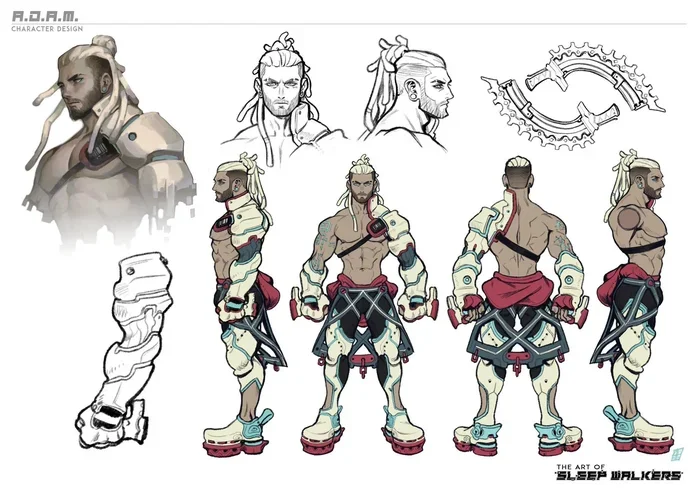
Tip 4: Create a character turnaround. Draw your generator character from four angles. Front, side, back, and three-quarter. This exercise strengthens your understanding of the form and is invaluable for consistent character art.
Tip 5: Add environmental storytelling. Place your generator character in a simple background. Maybe it is powering a small village. Maybe it sits in a junkyard being repaired. The context adds narrative depth to your character design.
Key Takeaways
- Multiple Styles Available: Steampunk, cute, realistic, and futuristic styles all work for generator character design.
- Follow a Clear Process: Research, sketch, add details, design the face, color, and finalize for best results.
- Use the Right Tools: Both free and paid digital tools can produce professional generator character art.
- Avoid Common Pitfalls: Overcomplicating, ignoring proportions, and neglecting personality weaken your designs.
- Apply Expert Tips: Value studies, turnarounds, and environmental storytelling elevate your work significantly.
- Keep Practicing: Every generator character you draw teaches you something new. Consistent practice leads to mastery.
Conclusion
Creating a generator character is one of the most rewarding challenges in character design. You get to blend mechanical engineering with artistic imagination. The result is a character that feels both powerful and personal. Whether you lean toward steampunk nostalgia or futuristic sleekness, the principles stay the same. Start with a strong concept. Build out the details with care. Add personality through expression and pose. And always, always keep learning.
The world needs more generator characters. They power stories, games, and brands with their unique energy. Now that you have the tools and inspiration, it is your turn. Pick up your pen or stylus. Open a fresh canvas. And bring your generator character to life. You have everything you need to create something amazing.
Frequently Asked Questions
What is a generator character?
A generator character is a personified version of a generator, designed as a character for art, games, or comics. It combines mechanical elements like gears and pipes with facial features and personality traits to create a living machine design.
Do I need advanced drawing skills to create a generator character?
No, you do not need advanced skills to start. Beginners can begin with simple shapes and cute styles. As you practice, you can add more mechanical details and refine your technique. Every artist starts somewhere, and generator characters are a fun way to grow your skills.
What software is best for drawing generator characters?
Clip Studio Paint, Procreate, and Krita are excellent choices for drawing generator characters. They offer versatile brushes, layer support, and user-friendly interfaces. Free options like MediBang Paint also work great for getting started with generator character design.
Can I use a generator character for commercial projects?
Yes, you can use your original generator character designs for commercial projects like games, comics, or branding. Just make sure the design is fully your own creation and does not copy existing copyrighted characters from other creators.
How long does it take to design a generator character?
The time varies based on your experience and the complexity of the design. A simple generator character might take one to two hours. A detailed, fully rendered character with multiple poses could take several days of work spread over a week or more.
Where can I find inspiration for generator character designs?
Pinterest, ArtStation, and DeviantArt are excellent sources for generator character inspiration. You can also study real generator models and how they are illustrated in product manuals. Combining real-world references with your imagination leads to unique and creative character designs.