Are Air Compressor Hoses Universal or Interchangeable
Not all air compressor hoses are universal. Hose sizes, fittings, and thread types vary by brand and application. Choosing the wrong hose can lead to leaks, poor performance, or even safety hazards. This guide breaks down everything you need to know about compressor hose compatibility, including sizes, quick connect systems, and how to find the right fit for your setup.
This is a comprehensive guide about are air compressor hoses universal.
Key Takeaways
- Air compressor hoses are not truly universal. Different brands use different fittings, sizes, and thread types.
- The three most common hose diameters are 1/4 inch, 3/8 inch, and 1/2 inch. Each serves different tools and applications.
- Quick connect fittings come in two main types. Industrial and automotive quick connects are not always interchangeable.
- Thread types matter. NPT and BSP fittings look similar but are not compatible without an adapter.
- Hose material affects durability and flexibility. Rubber hoses handle high pressure better, while polyurethane hoses resist kinking.
- Using the wrong hose can damage your tools. Always match the hose rating to your compressor’s output pressure.
- Adapters can bridge compatibility gaps. A simple fitting adapter often solves connection problems between mismatched hoses.
[FEATURED_IMAGE_PLACEHOLDER]
Are Air Compressor Hoses Universal or Interchangeable?
You just bought a new air compressor. You’re excited to get started. Then you realize the hose you have might not fit. Or maybe it fits, but it leaks. Or it works, but the airflow feels weak. Sound familiar?
The truth is, air compressor hoses are not universal. Not really. While they look similar on the outside, there are important differences in size, fittings, and thread types that can make or break your setup. Whether you are a weekend DIYer or a professional mechanic, understanding hose compatibility saves time, money, and frustration.
In this guide, we will walk through everything you need to know. We will cover hose sizes, fitting types, quick connect systems, and how to pick the right hose for your compressor and tools. By the end, you will never second-guess a hose purchase again.
Why Air Compressor Hoses Are Not Truly Universal
Many people assume that all air hoses work the same way. After all, they are just rubber tubes that carry compressed air, right? Not exactly. Several factors determine whether a hose is compatible with your compressor and tools.
Fitting Types and Sizes
The biggest reason hoses are not universal comes down to fittings. The fitting is the metal connector at the end of the hose. It screws onto your compressor tank and your air tool. But here is the catch: not all fittings are the same.
There are several common fitting types used across the industry:
- Industrial fittings — These are the standard on most home and workshop compressors. They use a male NPT (National Pipe Thread) connection.
- Automotive quick connects — These use a snap-in or bayonet-style system. They are common on portable compressors and tire inflators.
- Automotive fittings — These are smaller and often used on tire inflators and portable air tools.
- European (BSP) fittings — If you buy a compressor imported from Europe or Asia, the threads may be BSP instead of NPT.
The problem? A hose with an industrial fitting will not connect directly to a tool with an automotive fitting. And vice versa. This is where adapters come in handy. But ideally, you want everything to match from the start.
Thread Types: NPT vs BSP
Thread type is one of the most overlooked compatibility issues. Two threads can look almost identical but be completely incompatible.
NPT (National Pipe Thread) is the standard in North America. The threads are slightly tapered. BSP (British Standard Pipe) is used in most other parts of the world. The threads are parallel, not tapered.
If you try to screw an NPT fitting into a BSP port, it will either not fit or it will strip. Some people force it and damage their equipment. Always check which thread type your compressor and tools use before buying a hose.
Pressure Ratings and Hose Durability
Not all hoses handle the same amount of pressure. A cheap hose rated for 100 PSI will fail if your compressor pushes 150 PSI. Over time, this can lead to bursts, leaks, and even injuries.
Here are some general pressure ratings for common hose types:
- Standard rubber hoses — typically rated for 150 to 300 PSI
- Polyurethane hoses — usually rated for 100 to 200 PSI
- Reinforced hoses — can handle 300 to 500 PSI or more
Always check your compressor’s maximum output pressure and choose a hose rated higher than that number. Safety first.
Common Air Hose Sizes and What They Mean
Air compressor hoses come in three main diameters. Each size has its own strengths and best uses. Understanding these differences helps you choose the right hose for the job.
1/4 Inch Hose
This is the most common hose size for light-duty tasks. It works great for small pneumatic tools like nail guns, staplers, and spray guns. The trade-off is lower airflow, which means it is not ideal for heavy-duty tools.
Best for:
- Brad nailers
- Pin nailers
- Small finish guns
- Light spray painting
3/8 Inch Hose
The 3/8 inch hose is a sweet spot for most home workshops. It offers a good balance of airflow and flexibility. Most pneumatic tools, including impact wrenches and ratchets, work well with this size.
Best for:
- Impact wrenches
- Ratchet sockets
- Die grinders
- Medium-duty sanders
1/2 Inch Hose
The 1/2 inch hose delivers the highest airflow. It is the go-to choice for heavy-duty tools that need a lot of air. If you run a sandblaster or a large impact wrench, this is the size you want.
Best for:
- Sandblasters
- Large impact wrenches
- Rotary tools
- HVAC work
Quick Tip: Hose Length Matters Too
Longer hoses give you more reach, but they also reduce air pressure at the tool end. A 100-foot hose will deliver less pressure than a 25-foot hose with the same diameter. Keep your hose as short as practical for the best performance.
Quick Connect Fittings Explained
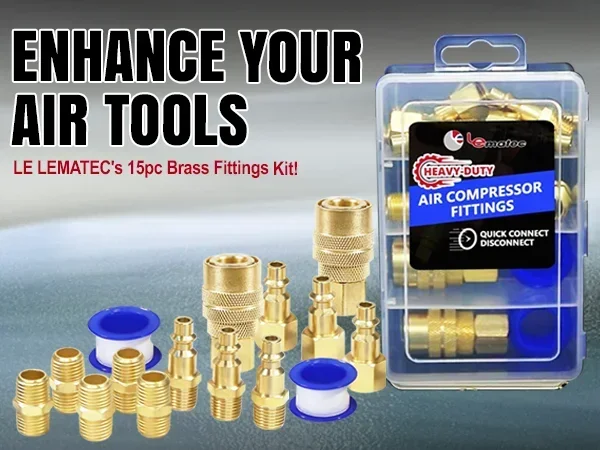
Quick connect fittings make it easy to switch between tools without wrenching on connections every time. But not all quick connects are the same. There are two main types, and mixing them up is a common mistake.
Industrial Quick Connect
Industrial quick connects are the standard on most stationary and garage compressors. They use a push-to-connect mechanism with a locking collar. These fittings are durable and handle high airflow well.
They come in several sizes, including 1/4-inch, 3/8-inch, and 1/2-inch. The key is matching the hose diameter to the fitting size.
Automotive Quick Connect
Automotive quick connects are smaller and simpler. They are common on portable compressors, tire inflators, and small air tools. You will recognize them by the bayonet-style or snap-in design.
The problem is that automotive quick connects are not compatible with industrial ones. If you have a portable compressor and want to use it with a larger air tool, you will need an adapter.
Universal Quick Connect Adapters
Good news: adapters exist. A universal quick connect adapter lets you use an industrial hose with an automotive fitting, or vice versa. These are inexpensive and widely available at hardware stores.
Keep one or two adapters in your toolbox. You never know when you will need them. They are small, cheap, and save a ton of frustration.
How to Choose the Right Air Compressor Hose
With so many options on the market, choosing the right hose can feel overwhelming. Here is a simple step-by-step approach to making the right choice.
Step 1: Check Your Compressor’s Output
Look at your compressor’s specifications. Find the maximum PSI and the CFM (cubic feet per minute) rating. These numbers tell you what your compressor can deliver. Your hose needs to handle at least those numbers.
Step 2: Match the Hose to Your Tools
Think about the tools you will be using most often. A nail gun needs a 1/4-inch hose. An impact wrench needs a 3/8-inch hose. A sandblaster needs a 1/2-inch hose. Match the hose size to the tool that demands the most airflow.
Step 3: Consider the Fittings
Check the fittings on your compressor and your tools. Are they NPT or BSP? Industrial or automotive? Buy a hose with the matching fittings. If they do not match, grab an adapter.
Step 4: Pick the Right Material
Rubber hoses are the most durable and handle high pressure best. They are heavier and less flexible than polyurethane hoses. Polyurethane hoses are lighter and resist kinking, but they may not handle as much pressure.
Quick Tip: If you work in a cold garage or outdoors, rubber hoses stay flexible in low temperatures better than polyurethane ones.
Step 5: Think About Hose Length
A 25-foot hose covers most home workshops. If you work in a large garage or on job sites, you may need 50 feet or more. Just remember that longer hoses mean more pressure drop.
Common Mistakes People Make With Air Compressor Hoses
Even experienced users make mistakes with their hoses. Here are some common errors to avoid.
Assuming All Hoses Fit All Compressors
This is the number one mistake. Just because a hose fits your old compressor does not mean it will fit your new one. Always check the fittings and thread type before buying.
Using a Hose With the Wrong Pressure Rating
A hose rated for 100 PSI on a 200 PSI compressor is a disaster waiting to happen. The hose may bulge, leak, or burst. Always match or exceed your compressor’s maximum pressure.
Ignoring Hose Diameter
Using a 1/4-inch hose on a tool that needs 3/8-inch airflow causes poor performance. The tool will not get enough air, and your compressor will work harder than it needs to. This wastes energy and shortens the life of your equipment.
Buying the Cheapest Hose Available
A cheap hose might save you $10 upfront. But if it leaks, kinks, or bursts, it costs you more in the long run. Invest in a quality hose from a reputable brand. Your tools — and your safety — will thank you.
Forgetting About Couplers and Plugs
Sometimes the problem is not the hose itself. It is the coupler on the compressor or the plug on the tool. Inspect these connections regularly. Worn-out couplers cause leaks even with a brand-new hose.
Expert Insights: Getting the Most From Your Hose Setup
We spoke with several compressor technicians and shop owners to gather their top tips for hose management and compatibility.
Tip 1: Label your hoses. If you have multiple compressors or work in a shared shop, labeling each hose with its size and fitting type prevents mix-ups.
Tip 2: Replace hose ends before they crack. The fitting area is the most common failure point. A simple hose end replacement costs a few dollars and prevents air leaks.
Tip 3: Use hose reels for storage. Coiled hoses on the floor create tripping hazards and wear out faster. A reel keeps your hose organized and extends its life.
Tip 4: If you work with an RV air conditioner or need to power tools off a generator, make sure your hose and fittings are rated for the specific setup. For example, when using a generator to run a 30 amp RV air conditioner, the right hose and adapter setup ensures safe, consistent airflow without pressure drops.
Tip 5: Keep spare fittings and adapters on hand. You never know when a fitting will strip or a hose end will crack. Having a small kit of adapters and replacement fittings saves a trip to the store.
Frequently Asked Questions
Can I use any air hose with any compressor?
Not always. You need to match the hose diameter, fitting type, and thread type to your compressor and tools. A hose with the wrong fittings will not connect properly. Using an adapter can solve this problem in most cases.
What happens if I use a hose with the wrong diameter?
A hose that is too narrow restricts airflow, which reduces tool performance. A hose that is too wide may not connect to your fittings without an adapter. Always match the hose diameter to your tool’s air requirements for the best results.
Are quick connect fittings universal?
No, quick connect fittings are not universal. Industrial and automotive quick connects use different systems. However, universal adapters are available that let you connect hoses with different quick connect types.
How often should I replace my air compressor hose?
Inspect your hose regularly for cracks, leaks, and wear. A good quality rubber hose can last several years with proper care. Replace it immediately if you notice any damage, especially if you hear air leaking or see the hose bulging.
What is the best material for an air compressor hose?
Rubber hoses are the most durable and handle high pressure best. Polyurethane hoses are lighter and resist kinking. The best material depends on your application. For heavy-duty work, choose rubber. For lightweight portability, choose polyurethane.
Do I need an adapter if my hose fittings do not match?
Yes, an adapter is necessary if your hose fittings do not match your compressor or tool connections. Using mismatched fittings without an adapter can cause leaks, poor airflow, and potential damage to your equipment. Adapters are inexpensive and widely available.
Final Thoughts
The short answer to whether air compressor hoses are universal is no — not completely. Hoses vary in size, fitting type, thread type, and pressure rating. But with a little knowledge, you can easily find the right hose for your setup.
Start by checking your compressor’s specifications. Match the hose diameter to your most demanding tool. Make sure the fittings and threads are compatible. Use adapters when needed. And always choose a hose rated for your compressor’s maximum pressure.
Taking these steps might seem like extra work at first. But it saves you from leaks, poor performance, and wasted money down the road. A compatible hose setup means your tools work better, your compressor lasts longer, and your workspace is safer.
So the next time you need a new hose, do not just grab the cheapest option. Take a few minutes to check the sizes, the fittings, and the ratings. Your compressor — and your projects — will perform better for it.
Frequently Asked Questions
What is are air compressor hoses universal?
are air compressor hoses universal is an important topic with many practical applications.