How Electrical Generators Work and Why You Need One
An electrical generator converts mechanical energy into electrical power, keeping your home running during outages. This guide explains how generators work, the different types available, and why investing in backup power is one of the smartest decisions you can make for your household.
Have you ever lost power during a storm and wished you had a backup plan? An electrical generator can be the difference between a minor inconvenience and a major disaster. Whether you need to keep your lights on or protect sensitive electronics, understanding how these machines work is the first step toward making a smart purchase.
In this guide, we will break down everything you need to know about electrical generators. We will cover how they produce power, the different types available, and why having one at home makes so much sense. By the end, you will feel confident about choosing the right unit for your needs.
Key Takeaways
- How They Work: An electrical generator uses electromagnetic induction to convert fuel energy into electricity.
- Multiple Types: Portable, standby, and inverter generators each serve different power needs.
- Home Protection: A generator prevents food spoilage, keeps medical devices running, and maintains comfort during outages.
- Fuel Matters: Understanding fuel options helps you choose the right generator for your situation.
- Safety First: Proper installation and maintenance keep your family safe and your generator running smoothly.
📑 Table of Contents
What Is an Electrical Generator?
At its core, an electrical generator is a machine that converts mechanical energy into electrical energy. Think of it as a device that creates electricity on demand. Instead of relying on the power grid, a generator produces its own power supply when you need it most.
The basic idea is simple. A generator engine burns fuel to create motion. That motion spins a component called an alternator. The alternator then produces electrical current. This current flows through wires and powers your appliances, lights, and electronics.
Generators come in many sizes. Some are small enough to carry in a backpack. Others are large enough to power an entire house. The key is matching the right wattage to your needs. Too small, and you will overload the system. Too large, and you waste fuel and money.
How Does Electromagnetic Induction Work?
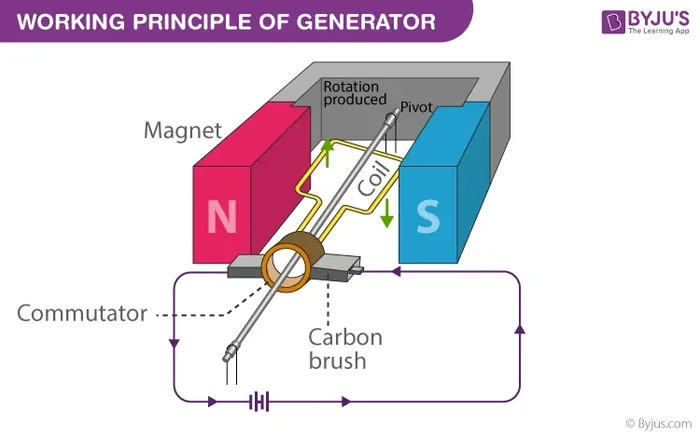
The magic behind every electric generator is a principle called electromagnetic induction. This was discovered by Michael Faraday in the 1830s. The idea is that when a conductor moves through a magnetic field, it creates an electrical current.
Inside a generator, a coil of wire spins inside a magnetic field. As it spins, electrons start to move. This movement creates a flow of electricity. The faster the coil spins, the more electricity is produced. This is why the engine speed matters so much for consistent power generation.
Types of Electrical Generators
Not all generators are the same. Different types serve different purposes. Choosing the right one depends on what you plan to power and how long you need it to run.
Portable Generators
A portable generator is the most common type for home use. These units are lightweight and easy to move around. You can wheel one out during a storm or bring it to a camping trip. Most portable units run on gasoline or propane.
These generators typically provide between 3,000 and 8,000 watts of power. That is enough to run essential items like refrigerators, lights, and phone chargers. However, they are not designed to power an entire house at once. You will need to prioritize which appliances get electricity.
One big advantage of portable units is their affordability. You can find a decent portable electric generator for a few hundred dollars. They are also simple to operate, making them a great choice for beginners.
Standby Generators
A standby generator is a permanent installation outside your home. These units are much larger and more powerful than portable options. They connect directly to your home’s electrical system and kick on automatically when the power goes out.
Standby units typically run on natural gas or propane. Because they connect to your home’s gas line, you never have to worry about refueling. A whole house generator can power everything from your HVAC system to your washing machine.
The downside is cost. A standby home generator can range from $3,000 to $20,000 or more, depending on size. Installation also requires professional help. But for many homeowners, the peace of mind is worth every penny.
Inverter Generators
An inverter generator is a newer technology that produces cleaner power. Traditional generators produce a rough, pulsing current. Inverter generators smooth that output into a steady flow. This makes them ideal for sensitive electronics like laptops and TVs.
Inverter units are also more fuel-efficient than conventional models. They adjust engine speed based on the load, which saves fuel and reduces noise. If you need backup power for electronics, an inverter generator is a great choice.
How Does an Electrical Generator Work?
Now that you know the types, let us dive deeper into how a generator actually works. Understanding the basic process helps you make better decisions about maintenance and fuel use.
The Engine
The engine is the heart of any electrical generator. It burns fuel to create rotational energy. Most home generators use either gasoline, diesel, natural gas, or propane as fuel. The engine size determines how much power the generator can produce.
A larger engine burns more fuel but produces more electricity. This is where the concept of wattage becomes important. A small engine might produce 3,000 watts, while a large one can produce 20,000 watts or more. The engine speed typically stays at 3,600 RPM to produce standard household electricity at 60 Hz.
The Alternator
Also called the alternator, this component does the heavy lifting of power generation. It contains a rotor and a stator. The rotor spins inside the stator, creating a magnetic field. That moving magnetic field pushes electrons through the wire coils, creating electrical current.
The alternator also includes a voltage regulator. This part ensures the output stays steady. Without a voltage regulator, your generator could send too much or too little power to your devices. That can damage electronics or cause lights to flicker.
The Fuel System
The fuel system delivers gasoline, propane, or diesel to the engine. Most generators have a fuel tank that holds enough for several hours of operation. For longer runtime, you can connect an external fuel tank or use a natural gas line.
Understanding how much fuel your unit uses matters for budgeting. You can learn more about generator fuel consumption in our article on how much gas a generator uses. A well-maintained fuel system ensures reliable performance when you need it most.
The Exhaust and Cooling System
Generators produce heat and exhaust gases. The cooling system prevents the engine from overheating during long runs. Most units use a combination of fans and oil to stay at safe temperatures.
The exhaust system directs harmful gases away from the unit. Carbon monoxide is a serious danger with any fuel-burning generator. Always place your unit outside and away from windows and doors.
Why You Need an Electrical Generator
Owning a generator is no longer just for rural areas or construction sites. More and more homeowners are investing in backup power for good reasons.
Protection During Power Outages
Power outages can happen anytime. Storms, equipment failures, and grid overloads all cause interruptions. A portable generator or standby unit keeps your essential systems running. Lights stay on, food stays cold, and your family stays comfortable.
According to recent data, the average American experiences several power outages per year. Some last just a few hours. Others can stretch for days. Having a reliable backup power source makes all the difference during these events.
Protecting Your Home and Appliances
When the power goes out, your refrigerator stops working. Food can spoil within hours. A sump pump stops running, which can lead to basement flooding. A generator keeps these critical systems operational.
Beyond convenience, power loss can cause real damage. Frozen pipes can burst. Electronics can be damaged by surges when power returns. A generator helps prevent these costly problems.
Health and Safety
If anyone in your home relies on medical equipment, a generator is essential. Oxygen concentrators, CPAP machines, and powered wheelchairs all need a steady electricity supply. A home generator ensures these life-saving devices keep running during an outage.
Even without medical needs, losing heat or air conditioning can be dangerous in extreme weather. A generator keeps your HVAC system running, protecting your family from heat stroke or hypothermia.
How to Choose the Right Generator
With so many options on the market, choosing the right unit can feel overwhelming. Here are some key factors to consider.
Calculate Your Power Needs
Start by listing the appliances and devices you want to run. Add up their wattage. Remember to account for starting watts, which are higher than running watts for motor-driven appliances like refrigerators and air conditioners.
A good rule of thumb is to add 20% to your total wattage as a safety margin. This prevents overloading and extends the life of your generator. For most homes, a unit between 5,000 and 7,500 watts handles essential loads comfortably.
Consider Fuel Type
Different fuels have different advantages. Gasoline is widely available but has a short shelf life. Propane burns clean and stores well. Natural gas is convenient if you already have a gas line at home. Each fuel type affects runtime, cost, and maintenance.
You can read more about fuel options and consumption in our guide on how much gas a generator uses. Choosing the right fuel helps you save money and reduce downtime.
Think About Installation
Portable generators are ready to use right out of the box. Standby generators require professional installation and may need electrical upgrades to your home’s breaker box. The cost of installation varies widely, so get quotes from licensed electricians before committing.
Proper generator installation is critical for safety and performance. A poorly installed unit can damage your home’s electrical system or create carbon monoxide risks.
Maintenance Matters
Like any machine, a generator needs regular care. Change the oil, replace air filters, and test the unit periodically. A well-maintained generator starts reliably when you need it most.
Store fuel properly and use fuel stabilizers for units that sit idle for long periods. Run your generator under load for at least 15 minutes every month to keep components in good working order.
Common Generator Mistakes to Avoid
Even experienced users make mistakes. Here are some pitfalls to watch out for.
- Overloading the generator: Plugging in too many devices can damage both the generator and your appliances. Stick to your calculated wattage limits.
- Running indoors: Never operate a generator inside your home or garage. Carbon monoxide is odorless and deadly. Always use the unit outdoors in a well-ventilated area.
- Neglecting maintenance: Skipping oil changes and filter replacements leads to poor performance and shorter lifespan.
- Ignoring fuel quality: Old gasoline can gum up the engine. Use fresh fuel and add stabilizers for long-term storage.
- Skipping the transfer switch: A proper transfer switch prevents backfeeding, which is dangerous for utility workers and can damage your generator.
Quick Tips for Generator Owners
- Test your generator monthly under a light load.
- Keep at least two weeks of fuel on hand for extended outages.
- Invest in a surge protector for sensitive electronics.
- Place your generator at least 20 feet from your home and away from windows.
- Label all extension cords and keep them organized for quick setup.
- Consider a carbon monoxide detector near your generator’s operating area.
The Future of Electrical Generators
Generator technology is evolving rapidly. New models are quieter, more fuel-efficient, and smarter than ever before. Some advanced units can even connect to your smartphone, letting you monitor fuel levels and power output from anywhere.
Solar-powered generators are also gaining popularity. These units use panels to charge a battery bank and produce clean, silent electricity. While they cannot yet match the output of traditional fuel-powered units, they are excellent for light-duty backup power and outdoor use.
The trend toward smart home integration means generators will soon work seamlessly with home automation systems. Imagine your generator detecting a power outage and switching on automatically before you even notice the interruption. This technology is already available in high-end standby models.
Final Thoughts
An electrical generator is one of the most valuable investments you can make for your home. It provides peace of mind, protects your family, and keeps your daily life running smoothly during unexpected outages. Whether you choose a portable unit for basic needs or invest in a standby system for full-home coverage, the benefits are clear.
Take time to understand your power needs, choose the right fuel type, and commit to regular maintenance. A well-chosen and well-maintained generator will serve you reliably for years to come. Start exploring your options today and make sure your home is ready for whatever comes next.
If you are still deciding between options, check out our guide on what kind of generator do I need for personalized recommendations based on your specific situation.
Frequently Asked Questions
How long can a generator run continuously?
Most portable generators can run for 8 to 12 hours on a full tank. Standby generators can run for days as long as they have a fuel supply. The runtime depends on the load, fuel type, and tank size. You can learn more about generator runtime limits in our detailed guide.
What size generator do I need for my house?
The right size depends on what you want to power. For essential loads like lights, refrigeration, and a few outlets, a 5,000 to 7,500-watt unit works well. For whole-home coverage, you may need a 10,000 to 20,000-watt standby generator. Check our sizing guide for more specific recommendations.
Is it safe to run a generator in the rain?
No, you should never operate a generator in wet conditions. Water can cause short circuits and electrical hazards. Always place your generator on a dry surface under a canopy or generator tent designed for outdoor use. Keeping the unit dry also extends its lifespan.
How much does a home generator cost?
Portable generators range from $500 to $2,000. Standby generators cost between $3,000 and $20,000 or more, including installation. The total cost depends on size, fuel type, and brand. For a detailed breakdown of pricing, visit our home generator cost guide.
Do generators need a transfer switch?
Yes, a transfer switch is essential for safety. It prevents backfeeding into the utility grid, which can electrocute line workers. A transfer switch also protects your generator from damage caused by overload. Most local building codes require a transfer switch for permanently installed generators.
What fuel is best for a home generator?
Natural gas is the most convenient option for standby generators because it connects to your existing gas line. Propane is a good alternative with a long shelf life. Gasoline works well for portable units but requires regular replacement to stay fresh. Each fuel type has pros and cons based on your specific needs.