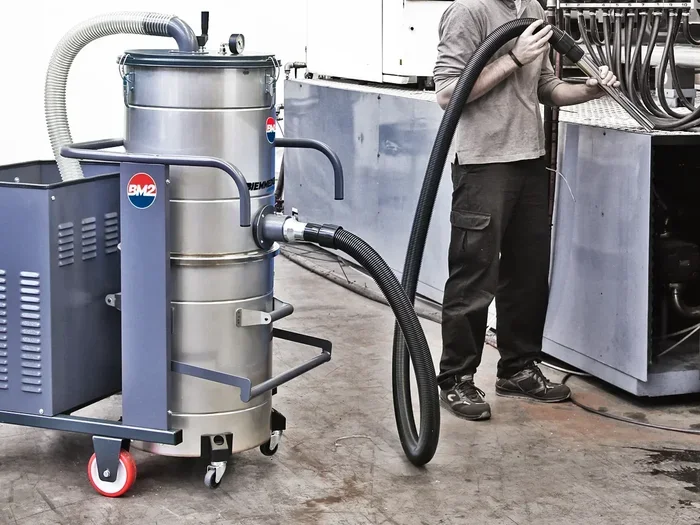
Everything You Need to Know About the Vacuum Generator
A vacuum generator is a versatile device that creates a low-pressure environment using compressed air or electricity. Whether you work in a factory or a home garage, a vacuum generator can lift, hold, and move materials with impressive suction power. This guide covers everything from how a vacuum generator works to choosing the right one and keeping it running smoothly.
The vacuum generator is one of the most underrated yet incredibly useful tools in both industrial and household settings. If you have ever wondered what a vacuum generator does or why professionals swear by it, this guide is for you. A vacuum generator creates a low-pressure environment that generates powerful suction. This suction can lift heavy objects, hold materials in place, remove debris, and much more.
Whether you are a factory manager looking to streamline production or a weekend DIYer organizing your garage, a vacuum generator can transform the way you work. The beauty of this tool is its simplicity. There are no complicated moving parts in many models, and the maintenance is minimal. In this article, we will walk you through everything you need to know about the vacuum generator, from how it works to how to choose the best one for your needs.
We will also share practical tips on maintenance, sizing, and fuel efficiency. By the time you finish reading, you will have a clear understanding of why a vacuum generator deserves a permanent spot in your workspace. Let us dive in and explore the world of vacuum technology together.
Key Takeaways
- A vacuum generator creates suction by reducing air pressure in a sealed space, making it useful for lifting, holding, and moving materials.
- There are four main types: venturi, electric, liquid ring, and dry vacuum generators, each suited for different tasks.
- Choosing the right size matters for performance and efficiency. Match the vacuum level and power source to your workload.
- Regular maintenance keeps your vacuum generator running strong for years. Clean filters, check seals, and lubricate moving parts.
- A vacuum generator is not the same as a traditional power generator. They serve different purposes but can complement each other in a workshop.
- Fuel and power costs vary by type, so understanding your operating expenses helps you make a smart buying decision.
- Safety is a major benefit of vacuum generators, especially in industrial settings where they reduce workplace accidents.
📑 Table of Contents
What Is a Vacuum Generator?
A vacuum generator is a device that removes air from a contained space to create a pressure difference. This pressure difference is what gives the vacuum generator its suction power. Think of it like this: air naturally moves from areas of high pressure to areas of low pressure. A vacuum generator creates that low-pressure zone, and the surrounding air rushes in to fill it. That rushing air is the vacuum effect you feel as suction.
The concept behind a vacuum generator is not new. People have been using vacuum principles for centuries. However, modern vacuum generators are far more efficient, compact, and powerful than their predecessors. Today, you can find a vacuum generator in factories, workshops, laboratories, and even homes. The vacuum level a generator can achieve is measured in units like inches of mercury (inHg) or millibars. A higher number means stronger suction.
One of the best things about a vacuum generator is its versatility. You can use it for heavy lifting in an industrial setting or for simple tasks like picking up small parts in your garage. The generator power requirements vary by model, so there is a vacuum generator for almost every budget and application. From a small handheld unit to a large industrial system, the vacuum generator adapts to your needs.
How Does a Vacuum Generator Work?
The Science Behind Vacuum Generation
Understanding how a vacuum generator works starts with basic physics. Air has weight, and it exerts pressure in all directions. At sea level, the standard air pressure is about 14.7 pounds per square inch. A vacuum generator reduces the air pressure inside a chamber or system. When the internal pressure drops below the outside pressure, the higher outside pressure pushes air and any material in its path toward the low-pressure zone. This movement creates the suction power that makes a vacuum generator so useful.
Most vacuum generators rely on one of two methods to create this pressure drop. The first method uses compressed air. A venturi tube or ejector nozzle forces air through a narrow opening. This fast-moving air creates a low-pressure zone that pulls in surrounding air. The second method uses an electric motor and a pump. The motor spins a fan or vane that physically removes air from a sealed chamber. Both methods are effective, but they work best in different settings. A compressed air model is ideal where an air supply is already available, while an electric model offers more flexibility for portable use.
The vacuum level a vacuum generator can achieve depends on its design and power source. For most household and workshop tasks, a moderate vacuum level is all you need. Industrial applications, however, may require a much deeper vacuum to handle heavy lifting or precise manufacturing processes. Understanding your vacuum pressure requirements before purchasing will save you time and money.
Types of Vacuum Generators
Not all vacuum generators are built the same way. Each type has unique features that make it better suited for specific tasks. Here are the most common types you will encounter:
- Venturi Vacuum Generators: These use compressed air to create suction. They have no moving parts, which makes them extremely reliable and low maintenance. They are a popular choice in industrial settings where compressed air is already available on-site.
- Electric Vacuum Generators: These use an electric motor to drive a pump. They are versatile and can be used anywhere there is a power source. They are great for home workshops, garages, and portable applications.
- Liquid Ring Vacuum Generators: These use a rotating liquid, usually water, to create a seal and generate vacuum. They are common in large industrial applications where continuous, heavy-duty operation is needed.
- Dry Vacuum Generators: These operate without any liquid. They are cleaner and require less maintenance than liquid ring models. They are ideal for environments where contamination from liquids is a concern, such as food processing or electronics manufacturing.
Each type of vacuum generator has its own strengths. The right choice depends on your specific needs, your available power source, and the tasks you plan to perform. If you are also looking for a backup power solution for your home, consider exploring options like a what size generator for whole house to ensure you have enough generator power for all your needs, including running a vacuum generator during outages.
Benefits of Using a Vacuum Generator
Industrial Applications
The vacuum generator plays a critical role in modern manufacturing and industrial operations. Factories use them to move materials quickly and safely across production lines. In packaging plants, a vacuum generator lifts and places products onto conveyor belts with precision and speed. In automotive assembly, they hold parts in place during welding, painting, and inspection. The suction power of a vacuum generator makes these tasks faster and more accurate than manual handling.
Safety is another major benefit. A vacuum generator can handle heavy or fragile items without the risk of dropping or damaging them. This reduces workplace accidents and product waste significantly. Many factories also appreciate that vacuum generators can be integrated into automated systems. This means less manual labor, higher production rates, and more consistent results. The industrial vacuum market continues to grow because of these advantages.
Beyond manufacturing, vacuum generators are used in robotics, semiconductor production, and even medical device assembly. In robotics, a vacuum generator allows robotic arms to grip and move objects with gentle but firm hold. In semiconductor manufacturing, the clean and precise vacuum level control is essential for handling delicate wafers. The vacuum technology behind these applications continues to evolve and improve every year.
Household and Workshop Uses
You do not need a factory floor to benefit from a vacuum generator. Homeowners and hobbyists find many creative uses for them. In a garage workshop, a vacuum generator can help with dust collection, holding materials while you cut or drill, and even lifting heavy objects like engine parts or appliances. It is an incredibly handy tool to have around.
For home use, a small vacuum generator can power a vacuum pickup tool. This is perfect for picking up small parts, screws, or debris in tight spaces where your hands cannot reach. Some homeowners use them for aquarium maintenance, creating vacuum seals for food storage, or even for gentle suction in craft projects. The vacuum generator applications are surprisingly wide and varied for a household tool.
If you enjoy woodworking, a vacuum generator can connect to your dust collection system to keep your workspace clean. This not only improves air quality but also reduces the risk of fire from sawdust buildup. The portability of many electric models means you can move your vacuum generator from one workstation to another with ease.
How to Choose the Right Vacuum Generator
Sizing Your Vacuum Generator
Choosing the right size vacuum generator is one of the most important decisions you will make. A unit that is too small will struggle with demanding tasks and may overheat. A unit that is too large wastes energy and money. To find the right size, consider the tasks you will perform and the vacuum level you need for those tasks.
For light household tasks, a small electric vacuum generator with a motor rated between 1 and 3 horsepower will work well. For heavier industrial tasks, you may need a larger unit with a more powerful motor or a compressed air system. Think about the generator power requirements and match them to your workload. If you are unsure, consult the manufacturer’s specifications or speak with a knowledgeable supplier who can help you find the right fit.
Here is a quick comparison of the different types of vacuum generators to help you decide:
| Type | Power Source | Best For | Maintenance Level |
|---|---|---|---|
| Venturi | Compressed Air | Industrial, high-volume tasks | Low |
| Electric | Electricity | Home workshops, portable use | Medium |
| Liquid Ring | Electricity + Water | Heavy industrial, continuous use | Medium |
| Dry | Electricity | Clean environments, sensitive materials | Low |
Take your time comparing options. The right vacuum generator should match your power needs, your workspace, and your budget. If you are also considering how much fuel a traditional generator uses, check out our guide on how much gas does a generator use to understand operating costs for fuel-powered options.
Fuel and Power Considerations
The power source for your vacuum generator matters a great deal. Electric models are convenient, clean, and easy to use. They work well in most home and workshop settings. However, they need a reliable power supply, which can be a limitation if you work in remote areas or during power outages.
Compressed air models need an air compressor, which adds another piece of equipment to your setup. On the plus side, they deliver consistent suction power and have fewer moving parts that can wear out. If you already have compressed air in your facility, a venturi-style vacuum generator is often the most cost-effective choice.
Fuel consumption is another key factor to consider. If you are running a vacuum generator on gas or propane, you need to understand how much fuel it will use over time. Understanding how much gas does a generator use can help you estimate your operating costs and plan for refueling. Electric models generally have lower ongoing costs, but they may not provide the same level of raw suction power as compressed air models in heavy-duty applications.
Also consider the generator runtime you need. Some tasks require continuous operation for hours without stopping. Others are short and intermittent. A vacuum generator that can run for extended periods without overheating or needing a break is ideal for demanding jobs. Look for models with thermal protection and automatic shutoff features for added safety and longevity.
Maintenance Tips for Your Vacuum Generator
Routine Maintenance Checklist
Keeping your vacuum generator in good shape is not complicated. A little regular maintenance goes a long way toward extending its lifespan and maintaining strong suction power. Here is a simple checklist you can follow to keep your unit running at peak performance:
- Check the filters regularly. Dirty filters reduce airflow and weaken the vacuum. Clean or replace them according to the manufacturer’s recommendations. This is the single most important maintenance task for any vacuum generator.
- Inspect seals and gaskets. Leaks in the system can drop the vacuum level significantly. Replace any worn seals promptly to maintain optimal vacuum pressure and air consumption efficiency.
- Lubricate moving parts. If your vacuum generator has a motor with bearings or fans, keep them lubricated to prevent wear and reduce friction. This simple step can add years to your unit’s life.
- Clean the venturi tube or nozzle. Any debris in the airflow path can reduce performance. A quick cleaning after each heavy use session helps maintain consistent suction power.
- Check electrical connections. For electric models, make sure all wires and plugs are secure and free from damage. Loose connections can cause performance issues or safety hazards.
Following this checklist will keep your vacuum generator running smoothly for years. It also helps you catch small problems before they turn into expensive repairs. Think of it as a small investment of time that pays off in reliability and performance.
Common Problems and Solutions
Even with good maintenance, issues can arise with any vacuum generator. Here are the most common problems and how to fix them quickly:
- Weak suction: This is usually caused by dirty filters, leaks in the seals, or a clogged venturi tube. Start by cleaning the filters and checking all connections for air leaks. This solves the problem in most cases.
- Motor overheating: This can happen if the unit runs too long without a break or if the motor is overloaded. Turn off the vacuum generator and let it cool down completely. Reduce the load when you restart it.
- Unusual noises: Grinding or squealing sounds often indicate worn bearings or loose parts. Inspect the motor and tighten or replace components as needed. Do not ignore unusual sounds.
- Air leaks: If you hear a hissing sound, there is likely an air leak in the system. Check all seals and gaskets and replace any that are damaged. A small leak can significantly reduce your vacuum level.
Addressing these issues quickly will keep your vacuum generator performing at its best. Regular inspections help you spot problems early, before they become costly repairs.
Vacuum Generator vs. Traditional Generators
Key Differences
A vacuum generator is quite different from a traditional generator that powers your home or tools. A traditional generator produces electricity by burning fuel or using a motor. A vacuum generator creates a low-pressure environment for suction and material handling. They serve completely different purposes, even though they share the word “generator” in their names. Understanding this distinction helps you choose the right tool for the right job.
However, there are some interesting overlaps. Both types of generators require a power source, whether it is electricity, fuel, or compressed air. Both need regular maintenance to perform well. And both can be sized to match your specific needs. If you are trying to decide between a vacuum generator and a traditional power generator, the answer depends entirely on what you need to accomplish.
For tasks that involve moving, lifting, or holding materials, a vacuum generator is the clear winner. For tasks that require electrical power to run tools and appliances, a traditional generator is the better choice. Many professionals keep both types in their arsenal because they serve complementary roles in the workshop or job site. The vacuum generator handles material handling while the traditional generator provides backup power for your tools and equipment.
If you are curious about how much power a traditional generator can deliver for your home, check out our article on how many kw generator to run a house for detailed guidance on sizing a power generator for residential use.
Final Thoughts on Vacuum Generators
The vacuum generator is one of the most versatile and useful tools you can have in your workspace. Whether you work in a factory, a garage, or a home workshop, a reliable vacuum generator can make your tasks easier, faster, and safer. From its simple operating principles to its wide range of applications, the vacuum generator proves that sometimes the best solutions are the most straightforward ones.
Choosing the right vacuum generator comes down to understanding your needs, considering the power source, and committing to regular maintenance. Take the time to evaluate your options, compare types, and think about the tasks you will perform most often. You will find a vacuum generator that serves you well for years to come. The investment is small compared to the value and convenience this remarkable tool delivers.
Remember, a well-maintained vacuum generator will give you consistent suction power and reliable performance every time you use it. Whether you are lifting heavy parts on a factory floor or picking up tiny screws in your garage, the vacuum generator has you covered. Start exploring your options today and experience the difference a quality vacuum generator can make in your work.
Frequently Asked Questions
What is a vacuum generator used for?
A vacuum generator is used to create suction for lifting, holding, moving, or removing materials. It is common in factories, workshops, and homes for tasks like material handling, dust collection, and gripping delicate objects. The suction power makes it a versatile tool across many industries.
How does a vacuum generator differ from a regular generator?
A regular generator produces electricity by burning fuel or using a motor. A vacuum generator creates a low-pressure environment for suction and material handling. They share the word “generator” but serve completely different purposes. One provides power, while the other provides vacuum pressure.
What are the main types of vacuum generators?
The four main types are venturi, electric, liquid ring, and dry vacuum generators. Venturi models use compressed air and have no moving parts. Electric models use a motor and pump. Liquid ring generators use water to create a seal. Dry generators operate without any liquid and are ideal for clean environments.
How do I choose the right size vacuum generator?
Consider the tasks you will perform, the vacuum level you need, and your available power source. For light household tasks, a small electric model with 1 to 3 horsepower works well. For heavy industrial use, you may need a larger unit with more generator power. Always check the manufacturer’s specifications before buying.
How often should I maintain my vacuum generator?
You should perform basic maintenance checks weekly if you use the vacuum generator regularly. This includes cleaning filters, inspecting seals, and checking for air leaks. A more thorough maintenance session should be done monthly. Regular care keeps the suction power strong and extends the unit’s lifespan.
Can a vacuum generator run continuously?
It depends on the type and model. Venturi vacuum generators can often run continuously because they have no moving parts that overheat. Electric models may need periodic breaks to avoid motor overheating. Look for units with thermal protection if you need long generator runtime for continuous operations.