How to Use a Random Alphabet Generator for Fun and Learning
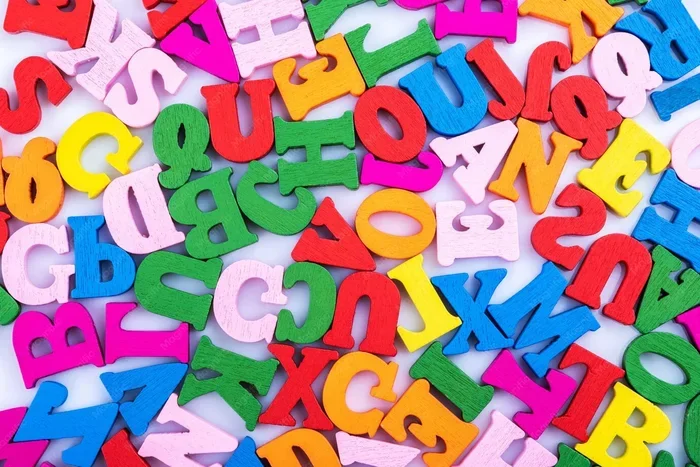
A random alphabet generator is a simple yet powerful tool that picks letters at random, making it perfect for games, education, and creative projects. Whether you are a parent teaching your child the ABCs, a teacher running classroom activities, or a writer looking for inspiration, this tool delivers instant value. In this guide, you will learn how these generators work, the many ways to use them, and tips for getting the most out of every session.
A random alphabet generator is one of the simplest yet most versatile tools you can find online. At its core, it picks a letter from the alphabet at random each time you use it. But do not let its simplicity fool you. This little tool opens up a world of possibilities for learning, entertainment, and creative exploration.
You might be wondering why anyone would need a tool that just picks random letters. The answer is simpler than you think. Whether you are helping a kindergartener learn their ABCs, running a classroom spelling bee, brainstorming for a creative writing project, or planning a fun game night, a letter generator makes everything more exciting and interactive. It removes the guesswork and adds an element of surprise that keeps people engaged.
In this article, we will walk you through everything you need to know about using a random alphabet generator. We will cover how it works, the many ways you can use it, tips for getting the best results, and common mistakes to avoid. By the end, you will see why this humble tool has become a favorite among educators, parents, writers, and game lovers everywhere.
Key Takeaways
- Easy to Use: A random alphabet generator requires zero setup and delivers instant letter results with one click.
- Great for Education: Teachers and parents can use it for letter recognition, phonics practice, and spelling games.
- Boosts Creativity: Writers and artists can use random letters to spark new ideas and overcome creative blocks.
- Free and Accessible: Most alphabet generators are web-based and completely free to use.
- Versatile Tool: It works for kids, adults, classrooms, game nights, and professional settings alike.
- Customizable Options: Many generators let you choose uppercase, lowercase, vowels, consonants, or specific letter ranges.
📑 Table of Contents
- What Is a Random Alphabet Generator?
- Why Use a Random Alphabet Generator?
- Fun Ways to Use a Random Alphabet Generator
- Using a Random Alphabet Generator for Learning
- Tips for Getting the Most Out of Your Alphabet Generator
- Common Mistakes to Avoid
- Expert Insights on Alphabet Generators
- Comparison: Random Alphabet Generator vs. Traditional Learning Methods
- Conclusion
What Is a Random Alphabet Generator?
A random alphabet generator is a digital tool that selects letters from the alphabet in a random order. Think of it like drawing a letter from a hat, except the hat never runs out of letters. You click a button, and the tool instantly gives you a letter. Some generators let you pick one letter at a time, while others let you generate a whole sequence of letters in one go.
These tools are built using something called a random number algorithm. The computer assigns a number to each letter of the alphabet and then picks one randomly. This ensures that every letter has an equal chance of being selected each time. The result is a truly fair and unbiased letter picker.
How Does It Work Behind the Scenes?
When you press the generate button, the tool uses a random number generator (RNG) to pick a number between 1 and 26. Each number corresponds to a letter. So if the computer picks 1, you get the letter A. If it picks 13, you get the letter M. This process happens in milliseconds, and the result is completely unpredictable.
Now, you might wonder how this compares to other types of generators out there. Just like choosing the right what kind of generator do I need depends on your specific purpose, choosing the right alphabet generator depends on what you want to achieve. Some generators are basic and just pick letters. Others come with extra features like filtering for vowels only, excluding certain letters, or generating letter combinations for word-building exercises.
Why Use a Random Alphabet Generator?
The beauty of a letter generator lies in its simplicity and versatility. You do not need any special skills, expensive equipment, or technical knowledge to use one. All you need is a device with internet access, and you are ready to go. Here are some of the top reasons people turn to these tools every day.
- Instant Results: No waiting, no setup, no complicated instructions. One click and you have your letter.
- Completely Free: Most random alphabet generators online cost nothing to use.
- No Downloads Required: You can use them right in your browser on any device.
- Fair and Unbiased: Every letter has the same chance of appearing, so the results are truly random.
- Repeatable: You can generate as many letters as you want, as many times as you want.
- Educational Value: It turns learning into an interactive and engaging experience.
One important thing to note is that a digital random alphabet generator can run for as long as you need it to. Unlike a physical machine that needs fuel and maintenance, a software-based generator has no limits on usage. How long can a generator run? In the case of a digital alphabet tool, the answer is practically forever. You can generate hundreds of letters in a single session without any interruptions or downtime.
Fun Ways to Use a Random Alphabet Generator
Once you start using a random letter generator, you will quickly discover just how many fun activities you can do with it. Let us explore some of the most popular and enjoyable ways to put this tool to work.
1. Letter Scavenger Hunts
Generate a random letter and challenge kids to find objects around the house or classroom that start with that letter. If the generator picks the letter S, kids might point to a sock, a stuffed animal, or a shelf. This makes learning feel like a game rather than a chore, and children love the excitement of the hunt.
2. Word Building Challenges
Generate three or four random letters and see how many words you can create from them. For example, if the letters are C, A, and T, the obvious answer is “cat,” but you might also think of “act” or “tac.” This is a fantastic way to build vocabulary and improve spelling skills.
3. Creative Writing Prompts
Writers often face the dreaded blank page. A random alphabet generator can help break through that block. Generate a random letter and write a short story, poem, or paragraph that starts with a word beginning with that letter. It forces you to think creatively and pushes you out of your comfort zone.
4. Alphabet Scramble Games
Generate a sequence of random letters and challenge players to arrange them in alphabetical order. This is a great activity for younger children who are still learning the sequence of the alphabet. You can make it competitive by timing how fast each player can sort the letters.
5. Spelling Bee Practice
Use the generator to pick random letters and then create spelling words that include those letters. This adds an element of surprise to spelling practice and keeps students motivated. You can also generate a vowel and a consonant and challenge students to form words using both.
6. Game Night Ideas
Turn your next family game night into an alphabet adventure. Generate letters and use them for custom games like “Letter Bingo,” “Alphabet Pictionary,” or “Guess the Word.” These activities work for all ages and bring everyone together for a fun learning experience.
Using a Random Alphabet Generator for Learning
Beyond just fun, a random letter picker is a powerful educational tool. Teachers and parents alike have found creative ways to integrate it into lesson plans and study routines. The key advantage is that it turns passive learning into active participation. Instead of just memorizing letters, children get to interact with them in meaningful ways.
Letter Recognition for Toddlers and Preschoolers
For very young learners, simply seeing and hearing letters is a crucial first step. Generate a letter, say it out loud, and ask the child to repeat it. Then generate another one. Over time, children start to recognize letters by sight and sound without even realizing they are studying. This type of interactive learning is far more effective than flashcards alone.
Phonics Practice for Early Readers
Once children know their letters, the next step is learning the sounds each letter makes. Use the generator to pick a letter, say its sound, and then find objects or pictures that start with that sound. This reinforces phonics skills and helps early readers connect letters to sounds in a hands-on way.
Vocabulary Building for Older Students
For older kids and even adults, a random alphabet generator can be used to expand vocabulary. Generate a letter and challenge yourself to come up with as many words as possible that start with that letter. Try to use words you have never heard before and look up their meanings. This is a simple but effective way to build a richer vocabulary over time.
Alphabetical Order Practice
Understanding alphabetical order is an important skill for research, filing, and organization. Generate a set of random letters and practice arranging them from A to Z. You can also generate a set of words that start with those letters and then sort the words alphabetically. This builds a practical skill that students will use for years to come.
Tips for Getting the Most Out of Your Alphabet Generator
Using a random alphabet generator is easy, but a few smart strategies can help you get even better results. Whether you are using it for education, creativity, or entertainment, these tips will help you maximize the value of every session.
Set Clear Goals Before You Start
Before you begin any activity, decide what you want to achieve. Are you practicing letter recognition? Building vocabulary? Writing a story? Having a clear goal helps you stay focused and get more out of each session. Without a goal, the activity can feel aimless and less productive.
Mix It Up with Different Settings
Many generators offer options to customize your results. Try generating only vowels to practice vowel sounds. Or generate only consonants and challenge yourself to add vowels to form words. You can also set the generator to exclude certain letters or focus on a specific range, like letters A through M. These small changes keep the activity fresh and challenging.
Track Your Progress
If you are using the generator for learning purposes, keep a simple log of the letters you generate and the words or activities you completed. Over time, you will see patterns and improvements. Tracking progress also adds a sense of accomplishment that motivates continued learning. Even a basic notebook works great for this purpose.
Make It a Daily Habit
Consistency is key when it comes to learning. Spend just 10 to 15 minutes a day using the generator for a quick activity. Over weeks and months, these short sessions add up to significant progress. Think of it like building a habit with any educational tool — small, regular efforts lead to big results.
Combine It with Other Tools
A random letter generator works even better when paired with other learning resources. Use it alongside flashcards, reading books, or writing exercises. For example, generate a letter, find it in a picture book, and then practice writing it on paper. Combining tools creates a richer and more well-rounded learning experience.
Quick Tips for Best Results
- Always start with a clear purpose for your session.
- Use uppercase letters for beginners and mix cases for advanced learners.
- Keep sessions short and fun to maintain engagement.
- Celebrate small wins to build confidence and motivation.
- Rotate activities regularly to prevent boredom.
- Use the generator with a group for friendly competition.
Common Mistakes to Avoid
While a random alphabet generator is a straightforward tool, there are a few common pitfalls that can reduce its effectiveness. Being aware of these mistakes helps you avoid them and get the most out of every session.
Mistake 1: Skipping the Setup. Some people jump straight into generating letters without setting any goals or rules. This leads to unfocused sessions that feel more like playtime than learning. Take a moment to define what you want to accomplish before you start clicking.
Mistake 2: Using It Too Often Without Variation. Even the best tools can become boring if you use them the same way every time. Mix up your activities, change the rules, and introduce new challenges regularly. Variety keeps things interesting for both kids and adults.
Mistake 3: Ignoring the Learning Curve. If you are using the generator with children, make sure the activities match their skill level. Too easy, and they get bored. Too hard, and they get frustrated. Start simple and gradually increase the difficulty as their skills improve.
Mistake 4: Not Making It Interactive. The biggest mistake you can make is treating the generator as a passive tool. The magic happens when you actively engage with it. Say the letters out loud, write them down, use them in sentences, and build games around them. Interaction is what turns a simple tool into a powerful learning experience.
Expert Insights on Alphabet Generators
Educators and child development experts have long recognized the value of interactive tools in the learning process. According to early childhood education research, children learn best when they are actively engaged and having fun. A random alphabet generator hits both of these marks perfectly.
Experts also point out that repetition is essential for memorization, but mindless repetition leads to disengagement. The key is to make repetition feel like play. A letter generator does exactly this by introducing an element of surprise. You do not know which letter will come up next, which keeps the brain alert and engaged. This is why teachers across the country have started incorporating these tools into their daily lesson plans.
Another insight from education professionals is that multisensory learning — involving sight, sound, and touch — leads to better retention. When a child sees a letter on the screen, says it out loud, and then writes it down, they are using three senses at once. This triples the learning impact compared to reading alone. The random alphabet generator serves as the visual trigger that starts this multisensory process.
Comparison: Random Alphabet Generator vs. Traditional Learning Methods
How does a random letter sequence generator stack up against traditional learning methods? Let us take a quick look at how they compare.
| Feature | Random Alphabet Generator | Traditional Methods |
|---|---|---|
| Engagement Level | High — interactive and surprise-based | Moderate — can feel repetitive |
| Cost | Free or very low cost | Varies — workbooks and materials cost money |
| Customization | Highly customizable options | Limited by printed materials |
| Accessibility | Available 24/7 on any device | Requires physical materials |
| Reusability | Unlimited uses, never runs out | Single-use or limited-use materials |
| Adaptability | Easy to adjust difficulty on the fly | Harder to adjust without new materials |
As you can see from the comparison, a random alphabet generator offers clear advantages in most categories. It is free, reusable, customizable, and endlessly engaging. Traditional methods still have their place, but adding a digital generator to your toolkit gives you the best of both worlds.
It is worth noting that while this article focuses on alphabet generators, the concept of “generators” extends far beyond letters. In the digital world, people build all kinds of tools to produce random outputs. For instance, in the gaming community, some players enjoy creating virtual tools like a cobblestone generator to produce in-game resources. The underlying principle is the same — using a simple tool to generate something useful on demand. Understanding this broader concept helps you appreciate just how flexible and powerful generator tools can be across different domains.
Similarly, when you think about the wide variety of generators available online, it helps to understand the basics of how they work. The same principles that drive a random alphabet generator also apply to other digital tools. The key takeaway is that generators, in their many forms, share a common purpose: they produce something valuable with minimal effort from the user. Whether it is letters for a classroom activity or resources for a game, the concept remains the same.
Conclusion
A random alphabet generator is one of those rare tools that is simultaneously simple and incredibly useful. It costs nothing, takes seconds to use, and delivers endless possibilities for fun and learning. Whether you are a parent helping your child take their first steps into the world of letters, a teacher looking for fresh classroom activities, a writer searching for creative inspiration, or just someone who loves a good game, this tool has something to offer you.
The best part is that there is no wrong way to use it. You can keep it simple with single-letter generation, or you can get creative with complex challenges and multi-letter sequences. The flexibility is entirely in your hands. So the next time you want to spark some learning or add a little excitement to your day, give a random alphabet generator a try. You might be surprised at just how much fun a simple letter can bring.
Start today. Pick a generator, click the button, and see where the first letter takes you. You might just discover a new favorite way to learn, play, and create.
Frequently Asked Questions
What is a random alphabet generator?
A random alphabet generator is a digital tool that picks letters from the alphabet at random when you click a button. It uses a random number algorithm to ensure every letter has an equal chance of being selected. These tools are free, easy to use, and work on any device with internet access.
Can I use a random alphabet generator for teaching kids?
Absolutely. In fact, alphabet generators are one of the best tools for teaching kids letters, sounds, and word-building skills. They turn learning into an interactive game that keeps children engaged and motivated. Teachers and parents alike use them in classrooms and at home for daily practice.
Is a random alphabet generator free to use?
Yes, most random alphabet generators available online are completely free to use. You do not need to download anything or create an account. Just visit the website, click the generate button, and start using it right away. Some advanced versions may offer premium features, but the basic tools are always free.
Can I customize the letters I get from the generator?
Many generators offer customization options. You can often choose to generate only uppercase or lowercase letters, filter for vowels or consonants, exclude specific letters, or generate multiple letters at once. These options let you tailor the experience to your specific learning or gaming goals.
How is a random alphabet generator different from a random word generator?
A random alphabet generator produces individual letters, while a random word generator produces complete words. Both tools serve different purposes. Letter generators are better for learning the alphabet, phonics, and letter recognition. Word generators are better for vocabulary building and creative writing prompts. They work great together as complementary tools.
Can adults benefit from using a random alphabet generator?
Yes, adults can benefit just as much as children. Writers use alphabet generators for creative prompts and brainstorming. Language learners use them to practice letter recognition in new alphabets. Even adults can use them for brain-training exercises, party games, and personal challenges. The tool is truly for all ages.