How to Choose the Best 15 KW Generator for Your Needs
Choosing the right 15 KW generator means understanding your power needs, fuel options, and runtime requirements. This guide breaks down everything you need to know, from wattage calculations to fuel efficiency. You will learn how to match a 15 kw generator to your home or business with confidence.
Finding the right 15 kw generator can feel overwhelming. There are so many brands, fuel types, and features to consider. But here is the good news. A 15 KW unit hits a sweet spot for many homeowners and small business owners. It is powerful enough to run essentials but not so big that it becomes a hassle to manage.
In this guide, we walk you through everything you need to know. We cover wattage, fuel types, runtime, noise levels, and maintenance. By the end, you will know exactly what to look for. You will feel confident making a smart purchase. Let us dive in.
Key Takeaways
- Know your power needs: A 15 KW generator handles most essential home circuits and small business loads.
- Fuel type matters: Propane, diesel, and natural gas each offer different runtime and cost benefits.
- Starting vs. running wattage: Always account for surge power when sizing your generator.
- Maintenance keeps it running: Regular upkeep extends the life of your 15 kw generator significantly.
- Match the generator to your use case: Home backup, job site, or business continuity each demand different features.
📑 Table of Contents
- What Does a 15 KW Generator Actually Power?
- Fuel Types for a 15 KW Generator
- Starting Wattage vs. Running Wattage: Why It Matters
- Key Features to Look For in a 15 KW Generator
- Maintenance Tips for Your 15 KW Generator
- How to Size Your Generator Correctly
- Common Mistakes to Avoid When Buying a 15 KW Generator
- Final Thoughts: Finding the Right 15 KW Generator for You
What Does a 15 KW Generator Actually Power?
Before you buy anything, you need to understand what a 15 kw generator can handle. The number 15 KW means 15,000 watts of power output. But not all of that power is available at once. You need to think about starting wattage and running wattage.
Starting wattage is the burst of power needed to kick on heavy appliances. Think air conditioners, refrigerators, and sump pumps. Running wattage is the steady power those devices need once they are up and going.
Common Household Loads a 15 KW Generator Can Handle
Here is a quick look at what a 15 KW generator can typically run at the same time:
- Central air conditioning unit (1 run + 1 start)
- Refrigerator and freezer
- Several lights and fans
- A microwave and a few kitchen appliances
- Television and phone chargers
- Sump pump
- Wi-Fi router and modem
That covers most essential circuits in a typical home. You may not be able to run everything at once, but you can keep the lights on and the food cold. For a more precise answer, make a list of the devices you need to power. Add up their wattage. Then compare that total to the 15 KW output.
Fuel Types for a 15 KW Generator
The fuel type you choose affects everything. It affects runtime, cost, portability, and how often you need to refuel. Let us break down the three most common options.
Propane
Propane is a popular choice for many homeowners. It burns clean and stores well for long periods. A 15 KW propane generator can run for a long time if you connect a large tank. The downside is that propane has lower energy density. This means you burn through fuel faster compared to diesel.
Natural Gas
Natural gas is convenient if you already have a gas line at your property. You never run out of fuel as long as the utility company keeps the supply flowing. Many people ask, how much natural gas does a generator use? The answer depends on your load. A 15 KW unit running at full capacity can consume several cubic feet per hour. But for typical household use, the consumption is manageable.
Natural gas also burns cleaner than gasoline or diesel. This means fewer emissions and less maintenance over time. If you want a hands-off fuel approach, a natural gas 15 kw generator is worth considering.
Diesel
Diesel generators are built for durability and long runtime. Diesel fuel has high energy density, so you get more power per gallon. A 15 KW diesel unit is a great choice for job sites or businesses that need reliable power. Diesel engines also tend to last longer than gasoline engines.
The trade-off is that diesel fuel costs more upfront. And diesel generators tend to be heavier and louder. They also require more maintenance. But if you need raw reliability, diesel is hard to beat.
Quick Comparison Table
Here is a simple comparison of the three fuel types:
- Propane: Clean burning, long shelf life, moderate fuel efficiency.
- Natural Gas: Unlimited supply via pipeline, clean burning, lower runtime per gallon.
- Diesel: Highest energy density, longest engine life, higher fuel cost.
Starting Wattage vs. Running Wattage: Why It Matters
This is one of the most misunderstood parts of generator shopping. Every appliance has two power numbers. The running wattage is what it needs to stay on. The starting wattage is the extra boost it needs to turn on.
For example, a central air conditioner might need 3,500 watts to run. But when the compressor kicks in, it needs a surge of 7,000 to 10,000 watts. Your 15 KW generator must handle that surge without tripping.
How to Calculate Your Total Power Needs
Follow these steps to figure out your power needs:
- List every appliance and device you want to run.
- Find the running and starting wattage for each one. Check the nameplate or user manual.
- Add up all the running wattages.
- Add the highest starting wattage to that total.
- Compare the final number to 15,000 watts.
If your total stays under 15 KW, you are in good shape. If it exceeds 15 KW, you may need to prioritize which loads to run. Or you may need a larger unit.
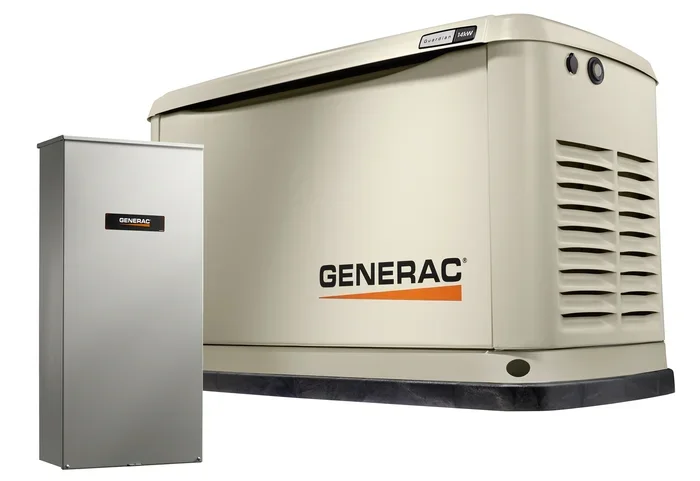
Many people also consider an automatic transfer switch. This device detects a power outage and switches your home to generator power automatically. It makes the whole process seamless. You do not have to run extension cords or manually start the unit.
Key Features to Look For in a 15 KW Generator
Not all 15 KW generators are created equal. Some models come packed with features. Others keep it basic. Here are the features that really matter.
Runtime on a Single Tank
Runtime tells you how long the generator can run before you need to refuel. A good 15 KW generator should run for at least 8 to 12 hours at half load. At full load, expect 4 to 6 hours. If you need longer runtime, look for models with larger fuel tanks or consider a dual-fuel option.
Noise Level
Nobody wants a generator that sounds like a jet engine. Noise levels are measured in decibels (dB). A 15 KW generator typically runs between 65 and 75 dB. That is about as loud as a normal conversation. Some models include soundproof enclosures that bring the noise down even further. If you live in a neighborhood with close neighbors, pay attention to this spec.
Portability
Are you planning to move the generator around? Then portability matters. Many 15 KW units come with wheels and a handle. Diesel models tend to be heavier. Propane and natural gas models are often easier to move. Think about where you will store it and how often you will relocate it.
Control Panel and Ease of Use
Look for a generator with a clear, easy-to-read control panel. Digital displays are great because they show you voltage, frequency, and runtime at a glance. Some models even have remote start features. You can fire up the generator from inside your house. That is a nice comfort during a storm.
Maintenance Tips for Your 15 KW Generator
A generator is only as good as its maintenance. A well-maintained 15 kw generator can last 10,000 to 15,000 hours or more. Neglected units often fail within a few years. Here is how to keep yours running strong.
Regular Oil Changes
Change the oil every 100 to 200 hours of use. Fresh oil keeps the engine lubricated and cool. Check the oil level before every use. Low oil can cause serious engine damage fast.
Air Filter and Spark Plug
Clean or replace the air filter every 200 hours. A clogged air filter reduces efficiency and can cause the engine to stall. Inspect the spark plug every 100 hours. A worn spark plug leads to rough starts and poor performance.
Fuel System Care
Stale fuel is the number one killer of generators. If you do not use your unit often, drain the tank or add a fuel stabilizer. Run the generator under load for at least 15 minutes once a month. This keeps the internal components lubricated and ready for action.
Want to learn more about keeping your generator in top shape? Check out our guide on generator testing for practical tips on diagnosing common issues before they become big problems.
Battery Maintenance
Many 15 KW generators use a battery to start the engine. A dead battery means a generator that will not turn on when you need it most. Check the battery terminals for corrosion. Keep the battery charged. And consider replacing it every 2 to 3 years. For more details on how long your generator battery should last, read our article on how long does a generator battery last.
How to Size Your Generator Correctly
Sizing is the most important step in the buying process. A generator that is too small will overload. A generator that is too big wastes money and fuel. Here is how to get it right.
Step 1: List Your Essential Loads
Write down the devices you must keep running during an outage. Focus on essentials like heating, cooling, refrigeration, and medical equipment. Do not worry about the big-screen TV or the gaming console. Those are nice-to-haves, not must-haves.
Step 2: Add Up the Wattage
Use the calculation method we covered earlier. Add running wattages plus the highest starting wattage. This gives you your minimum required output.
Step 3: Add a Safety Margin
Always add a 20% buffer to your total. So if your needs come to 12,000 watts, a 15 KW generator gives you room to breathe. That buffer protects the generator from overload and extends its lifespan.
Step 4: Consider Future Needs
Are you planning to add a new appliance or tool? Think about what might come in the future. A 15 KW generator gives you flexibility to grow without needing a bigger unit right away.
If you are still unsure about sizing, an electrician can help. They can perform a load analysis and tell you exactly what you need. This is especially helpful for businesses that rely on continuous power.
Common Mistakes to Avoid When Buying a 15 KW Generator
Even smart buyers make mistakes. Here are the most common ones to watch out for.
- Ignoring starting wattage: Many people only look at running watts. This leads to a generator that trips when they start the air conditioner.
- Skipping the transfer switch: A transfer switch makes everything safer and easier. Without it, you are running extension cords through windows and doors.
- Buying the cheapest model: Bargain generators often lack features and reliability. You get what you pay for.
- Neglecting maintenance: A generator that sits unused for months will have problems. Run it regularly.
- Not checking fuel availability: During a long outage, fuel can be hard to find. Make sure you have a plan for refueling.
One mistake that trips up many buyers is not understanding the difference between a portable electrical generator and a standby unit. A portable 15 KW generator is great for temporary power. A standby unit is permanently installed and kicks on automatically. Each has its place. Your choice depends on your needs and budget.
Final Thoughts: Finding the Right 15 KW Generator for You
Choosing the best 15 kw generator comes down to understanding your power needs, picking the right fuel type, and paying attention to key features. A 15 KW unit offers a versatile and powerful solution for most homes and small businesses. Whether you need backup power during storms or reliable electricity for a job site, this size generator delivers.
Take the time to calculate your load. Compare fuel options. Read reviews. And do not skip regular maintenance. A well-chosen and well-maintained generator will serve you reliably for years. You will be glad you put in the effort.
Start by listing the devices you need to power. Then match those needs to the right fuel type and features. You will walk away with a generator that fits your life perfectly. And that is exactly what this guide is all about.
Frequently Asked Questions
What can a 15 KW generator run in a house?
A 15 KW generator can run most essential household circuits including central air conditioning, refrigeration, lights, and small appliances. It handles the basics well but may not power everything simultaneously at full load.
How much fuel does a 15 KW generator use per hour?
Fuel consumption varies by type. A 15 KW propane generator uses about 1 to 2 gallons per hour. A natural gas model can use 20 to 30 cubic feet per hour. A diesel unit uses roughly 1 to 1.5 gallons per hour at full load.
Is a 15 KW generator enough for a whole house?
It depends on the size of your home and your power needs. A 15 KW generator can handle most essential circuits in a moderate-sized home. However, larger homes with multiple high-wattage appliances may need a bigger unit.
How long can a 15 KW generator run continuously?
Most 15 KW generators can run 8 to 12 hours at half load on a full tank. At full load, expect 4 to 6 hours. Refueling and regular maintenance breaks also factor into total runtime.
What is the difference between starting and running wattage?
Running wattage is the steady power a device needs to operate. Starting wattage is the extra power surge needed to start motors and compressors. Always account for both when sizing your generator.
Do I need a transfer switch with a 15 KW generator?
A transfer switch is highly recommended. It safely connects your generator to your home’s electrical panel and prevents backfeeding into the grid. It also makes switching to generator power automatic and effortless.