Large Generator How to Choose the Best One for Your Home
Choosing a large generator for your home can feel overwhelming, but this guide makes it simple. You will learn how to size your unit correctly, compare fuel types, and avoid costly mistakes. By the end, you will know exactly what to look for when buying a large generator for your household.
A large generator can be a lifesaver when the lights go out. Whether you face frequent storms or just want peace of mind, having backup power at home makes a huge difference. But with so many options on the market, picking the right one is not always easy.
This guide walks you through everything you need to know about choosing a large generator for your home. We cover sizing, fuel types, features, costs, and safety. You will walk away with a clear plan to make the best decision for your household.
Let us start with the basics so you feel confident moving forward. A large generator is not just a big machine. It is a smart investment in your home’s comfort and safety during emergencies.
Key Takeaways
- Match the wattage to your needs: A large generator should cover your essential circuits and handle startup surges from appliances like air conditioners.
- Fuel type matters a lot: Propane, natural gas, and diesel each have different costs, availability, and run times you need to consider.
- Standby generators offer automatic backup: They kick on within seconds of a power outage without any manual effort from you.
- Installation and placement are critical: Your generator needs proper ventilation, distance from the house, and a transfer switch for safe operation.
- Budget wisely: A large generator can cost anywhere from a few hundred to several thousand dollars depending on size and features.
- Maintenance keeps it running: Regular oil changes, filter replacements, and exercise cycles extend the life of your unit significantly.
📑 Table of Contents
- What Is a Large Generator and Why Do You Need One?
- Types of Large Generators for Home Use
- How to Determine the Right Size Large Generator
- Key Features to Look For in a Large Generator
- Installation and Safety Considerations
- Cost and Budgeting for Your Large Generator
- Common Mistakes to Avoid When Buying a Large Generator
- Expert Tips for Getting the Most Out of Your Large Generator
- Conclusion
What Is a Large Generator and Why Do You Need One?
A large generator is a high-capacity power machine designed to run multiple household appliances at once. Most residential units fall in the range of 7,000 to 20,000 watts or more. This is much bigger than a small portable unit you might use for camping.
You need a large generator when you want to keep your entire home running during an outage. Think about your refrigerator, furnace blower, sump pump, lights, and electronics. All of these draw power at the same time. A small unit simply cannot handle that load.
Power outages happen more often than most people realize. Storms, grid failures, and equipment damage can leave you in the dark for hours or even days. A large generator keeps your home comfortable, safe, and functional no matter what happens outside.
Beyond emergencies, some homeowners use their generators for work-from-home setups or to power tools on a job site. The versatility of a large generator makes it a valuable addition to any property.
How Much Power Do You Actually Need?
Before buying anything, you need to know your wattage requirements. Start by listing the essential appliances you want to keep running. Write down the wattage for each one. Then add them up.
Do not forget about startup surges. Many appliances need two to three times their running wattage when they first turn on. Air conditioners and refrigerators are the biggest culprits here. A large generator with enough surge capacity will handle these spikes without tripping.
For most homes, a unit between 10,000 and 15,000 watts works well. This range covers the essentials and leaves room for a few extras. If you want to power your entire house, you may need to look at what size generator for whole house solutions that go beyond 20,000 watts.
Types of Large Generators for Home Use
Not all generators are the same. Understanding the different types helps you pick the right one for your situation. Each type has strengths and weaknesses that matter for home use.
Standby Generators
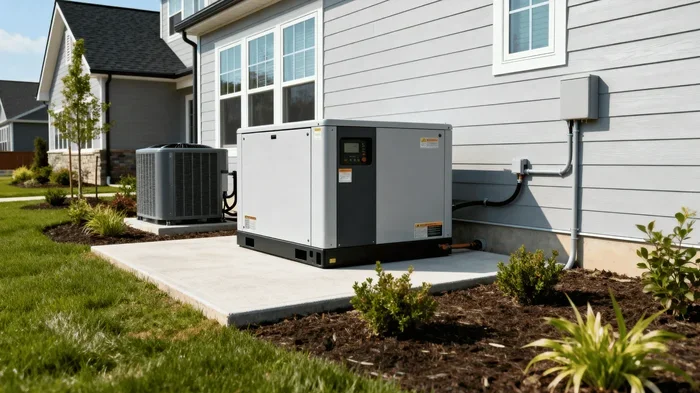
A standby generator is the most popular choice for homeowners. It installs permanently outside your home and connects directly to your electrical system. When the power goes out, it turns on automatically within seconds.
Standby units run on natural gas or propane. They do not need you to refuel manually. This makes them incredibly convenient for emergency power during long outages. Many models also include an automatic transfer switch that safely manages the power flow.
The downside is cost. A standby large generator can be a significant investment. But for many homeowners, the convenience and reliability are worth every penny.
Portable Generators
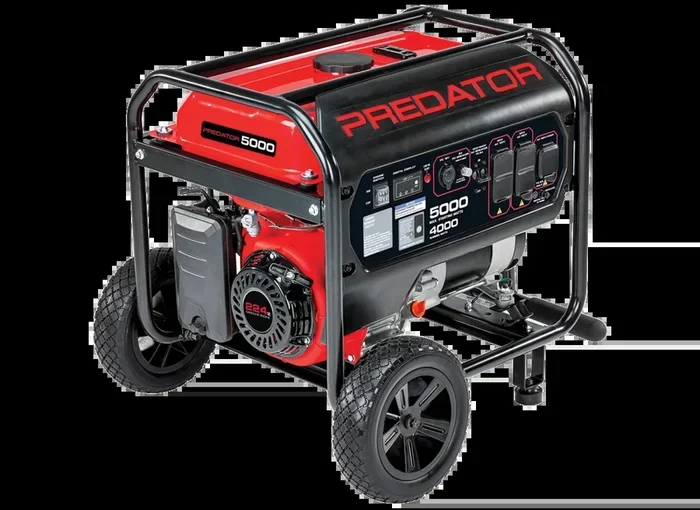
A portable generator offers flexibility. You can move it wherever you need it. These units are great for temporary power needs or for people who do not want a permanent installation.
However, portable models require manual setup. You need to run extension cords or install a transfer switch. They also need refueling, which means you have to keep fuel on hand. For a true large generator experience from a portable unit, you will need a big and heavy model.
Inverter Generators
Inverter generators produce clean, stable power. This makes them ideal for sensitive electronics like laptops and TVs. They are also quieter than traditional models, which is a big plus for residential areas.
Most inverter units are smaller in size. However, some larger models can deliver enough power for home backup. If noise and power quality are your top concerns, an inverter-style large generator deserves a close look.
How to Determine the Right Size Large Generator
Sizing is the most important step in the buying process. Too small, and you will overload the unit. Too big, and you waste money on fuel and capacity you do not need.
Step 1: List Your Essential Loads
Start with the basics. What must stay on during an outage? Most homeowners prioritize their refrigerator, furnace, lights, and a few outlets. Write down every item and its wattage.
You can usually find the wattage on the appliance label or in the user manual. Add up the running watts for all your essential items. This gives you a baseline number to work with.
Step 2: Factor in Startup Surges
Now add the startup surge for any motor-driven appliances. A refrigerator might pull 1,200 watts while running but need 2,500 watts to start. Your large generator must handle this peak demand.
Air conditioners are the biggest surge offenders. A central unit can need 5,000 to 7,000 watts just to start. Always check the surge rating on the appliance before finalizing your size.
Step 3: Add a Safety Buffer
Never size your generator to the exact number. Add at least 20 percent buffer to your total. This protects the unit from overload and extends its lifespan. A little extra capacity also gives you room to plug in something unexpected.
For example, if your essentials add up to 8,000 running watts with a 2,000-watt surge, you should look at a large generator rated for at least 12,000 watts. This cushion makes a real difference in daily reliability.
Key Features to Look For in a Large Generator
Not all generators are built equal. Some models come packed with features that make them far more useful and user-friendly than others. Here is what to look for.
Automatic Transfer Switch
An automatic transfer switch, or ATS, is a game changer. It detects when the power goes out and signals the generator to start. Within seconds, it switches your home from grid power to generator power.
When the grid comes back, the ATS switches you back automatically. You do not have to lift a finger. This feature is standard on most standby units and is one of the biggest advantages of a large generator over a portable one.
Fuel Type and Availability
The fuel your generator uses affects everything from cost to convenience. Here is a quick comparison of the most common options.
- Natural Gas: Connects to your existing gas line. No refueling needed. Burns cleanly and is widely available in most neighborhoods.
- Propane: Stored in tanks on your property. Burns cleanly and has a long shelf life. You need to monitor tank levels and replace them periodically.
- Diesel: Very fuel-efficient and great for heavy loads. However, diesel can be harder to store long-term and may not be available everywhere.
For most homeowners, natural gas or propane makes the most sense. They are convenient and reliable. If you want to understand more about fuel costs, check out how much gas a generator uses for a detailed breakdown.
Runtime and Fuel Efficiency
How long can your large generator run on a single tank or tank of fuel? Runtime matters a lot during extended outages. Some models can run for 24 hours or more at half load.
Look for units with good fuel efficiency ratings. A large generator that sips fuel saves you money over time. If you want to compare run times across models, read up on how long a generator can run to understand what to expect from different sizes and fuel types.
Noise Level
Generators can be loud. If you live in a suburban neighborhood, noise can be a real concern. Look for models rated below 65 decibels for residential use.
Some large generators come with sound-dampening enclosures that keep things much quieter. This is especially worth considering if you plan to run the unit overnight while you sleep.
Power Management System
A power management system is a smart feature found in many modern generators. It monitors your electrical load and prioritizes essential circuits. If you try to run too much at once, the system sheds non-essential loads instead of shutting down.
This feature is incredibly useful for large generator owners who want to run the AC, fridge, and a few lights without worrying about overloads. It makes the whole experience much more user-friendly.
Installation and Safety Considerations
Installing a large generator is not a DIY project for most homeowners. Proper installation ensures safety, efficiency, and code compliance. Here is what you need to know.
Placement and Distance
Where you place your generator matters a lot for safety. Generators produce carbon monoxide, a deadly gas that has no smell or color. You must keep the unit far enough from your home to prevent fumes from entering through windows or doors.
Most manufacturers recommend at least 20 feet of distance from the house. The exhaust should point away from windows and air intakes. If you are unsure about placement, consult the manufacturer’s guidelines or a licensed electrician.
For more details on safe placement, read how far a generator should be from the house to make sure you meet all safety requirements.
Electrical Wiring and Transfer Switch
A transfer switch is a must-have for any permanently installed large generator. It connects the generator to your home’s electrical panel safely. Without it, you risk backfeeding power into the grid, which can be deadly for utility workers.
A licensed electrician should install both the transfer switch and the generator connection. This ensures everything meets local electrical codes and works reliably when you need it most.
Ventilation and Weather Protection
Your generator needs plenty of airflow to operate safely. Never run it in an enclosed space like a garage or shed, even with the door open. Carbon monoxide buildup can happen fast and silently.
At the same time, you want to protect the unit from rain and snow. A generator cover or canopy designed for the specific model works well. Just make sure it does not block ventilation. If you are wondering about weather exposure, check out whether a generator can get wet for important safety tips.
Permits and Local Codes
Many cities and counties require permits for generator installation. These codes exist to protect you and your neighbors. Check with your local building department before you purchase your unit.
Some areas also have noise ordinances that limit how loud a generator can be. Choosing a quieter model or installing a sound barrier can help you stay compliant and keep good relationships with neighbors.
Cost and Budgeting for Your Large Generator
Cost is always a factor when buying a large generator. Prices vary widely depending on size, fuel type, and features. Understanding what you are paying for helps you make a smart investment.
Generator Price Ranges
Here is a general breakdown of what you can expect to pay.
- Portable generators (7,000-10,000 watts): $800 to $2,000. Good for basic backup needs.
- Standby generators (12,000-20,000 watts): $3,000 to $8,000 for the unit alone. Professional installation adds another $1,000 to $3,000.
- Whole-house generators (20,000+ watts): $8,000 to $15,000 or more. These can power your entire home including central air and electric heat.
If you want a detailed look at the costs involved, check out how much a home generator costs for a more in-depth breakdown of all expenses.
Running Costs and Fuel Expenses
The purchase price is not the only cost. You also need to factor in fuel and maintenance. A large generator running on natural gas will add to your monthly utility bill during outages. Propane costs depend on tank size and usage.
Regular maintenance keeps your unit running smoothly and prevents expensive repairs. Oil changes, filter replacements, and annual exercise cycles are all part of the ownership cost. Budget about $200 to $500 per year for routine maintenance on a large generator.
Is a Large Generator Worth the Investment?
For most homeowners, the answer is yes. A large generator protects your home from food spoilage, frozen pipes, and lost productivity during outages. It also adds value to your property. Many buyers look for homes with backup power already installed.
Think of it as insurance. You hope you never need it, but when an outage hits, you will be glad you made the investment. A reliable large generator gives you peace of mind that is hard to put a price on.
Common Mistakes to Avoid When Buying a Large Generator
Even the most informed buyers can make mistakes. Here are the most common ones and how to avoid them.
- Undersizing the unit: This is the number one mistake people make. Always add that 20 percent buffer and factor in startup surges.
- Ignoring fuel availability: If your area loses power during winter storms, propane delivery might be delayed. Natural gas is usually more reliable in these situations.
- Skipping the transfer switch: Never try to plug a generator directly into a wall outlet. It is dangerous and illegal in most areas. Always use a proper transfer switch.
- Neglecting maintenance: A generator that sits unused for months may not start when you need it most. Run it regularly and keep up with oil and filter changes.
- Buying the cheapest model: The lowest price often means lower quality and shorter lifespan. Invest in a reputable brand with good warranty coverage.
Avoiding these mistakes saves you time, money, and frustration. Take your time, do your research, and choose a large generator that fits your real needs, not just your budget.
Expert Tips for Getting the Most Out of Your Large Generator
Once you have your large generator installed, a few simple habits will keep it running strong for years.
- Run it regularly: Exercise your generator for 15 to 30 minutes once a month. This keeps the engine in good shape and ensures it starts when you need it.
- Keep fuel fresh: If you store gasoline, use a stabilizer. Fuel can go bad in as little as 30 days. For propane and natural gas units, this is less of a concern.
- Monitor the load: Do not overload your generator. Use the power management features if your model has them. Spread high-draw appliances across different cycles if needed.
- Keep it clean: Remove debris, leaves, and snow from around the unit. Good airflow is essential for safe and efficient operation.
- Schedule annual professional inspections: A qualified technician can spot small problems before they become big ones. This is especially important for standby units.
These tips may seem simple, but they make a huge difference in the long run. A well-maintained large generator will serve you reliably for 10 to 20 years or more.
Conclusion
Choosing the right large generator for your home comes down to understanding your power needs, comparing fuel types, and investing in proper installation. It is not about buying the biggest unit on the shelf. It is about finding the right fit for your household, your budget, and your lifestyle.
Start by calculating your essential loads and factoring in startup surges. Choose a fuel type that is reliable and available in your area. Look for features like an automatic transfer switch, power management, and good runtime. And never skip professional installation and regular maintenance.
A large generator is more than a backup machine. It is protection for your family, your food, your comfort, and your peace of mind. Take the time to do your research, and you will find the perfect unit to keep your home running no matter what comes your way.
With the right large generator in place, you can face any power outage with confidence. You will stay warm in winter, keep your food fresh, and maintain your daily routine even when the grid goes down. That is a smart investment worth making.
Frequently Asked Questions
What size large generator do I need for a typical home?
Most homes need a large generator between 10,000 and 15,000 watts to cover essential circuits. If you want to power your entire house including central air, look at units above 20,000 watts. Always add a 20 percent buffer to your total load calculation for safety.
Is a standby or portable large generator better for home use?
A standby large generator is better for most homeowners. It turns on automatically and connects directly to your home’s electrical system. Portable models are cheaper but require manual setup and refueling. Choose standby if you want the most convenience and reliability.
How much does it cost to install a large generator?
Installation costs typically range from $1,000 to $3,000 on top of the unit price. This includes the transfer switch, electrical wiring, and labor. Costs vary based on local codes, the complexity of the install, and where you live. Always get quotes from licensed electricians in your area.
Can I run a large generator 24 hours a day?
Most large generators are designed to run continuously for 24 hours or more at half load. However, you should monitor fuel levels and give the unit regular maintenance breaks. Check your specific model’s manufacturer guidelines for maximum continuous run times.
What fuel is best for a large home generator?
Natural gas is the most convenient option because it connects to your existing gas line. Propane is a great alternative and burns cleanly. Diesel is efficient but less common for residential use. Choose the fuel type that is most readily available and affordable in your area.
How often should I maintain my large generator?
You should exercise your generator monthly for 15 to 30 minutes. Change the oil and filters according to the manufacturer’s schedule, typically every 100 to 250 hours of use. Schedule a professional inspection annually to catch any potential issues early.