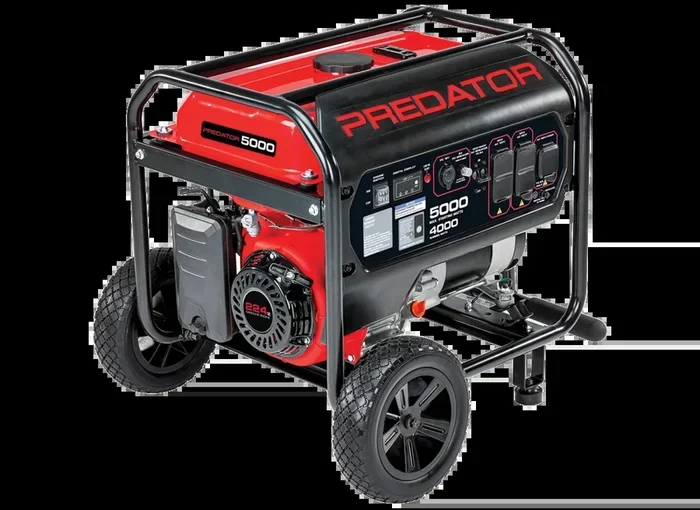
5000w Generator The Ultimate Power Solution for Every Need
A 5000w generator is one of the most versatile power sources you can own. It delivers enough wattage output to run essential electrical appliances, power tools, and even some heavy-duty devices. Whether you need backup power during outages or a reliable energy source for your jobsite, this generator size hits the sweet spot between portability and capability.
Key Takeaways
- Balanced Power: A 5000w generator offers the perfect middle ground — enough juice for most household essentials without being overly bulky.
- Fuel Options: Many models run on gasoline, propane, or dual fuel, giving you flexibility in how you power up.
- Runtime Matters: With proper load management, a 5000w unit can run for 8–12 hours on a single tank.
- Noise Levels Vary: Inverter models tend to be quieter, making them ideal for residential areas and camping trips.
- Right Generator Size: To pick the best unit, learn how to determine what size generator you actually need.
- Maintenance Is Key: Regular upkeep — including checking when to use synthetic oil in a generator — keeps your unit running reliably for years.
📑 Table of Contents
What Is a 5000w Generator and Why It’s a Game Changer
A 5000w generator sits right in the sweet spot of the generator market. It is not too small to handle your basics, and it is not so massive that you need a trailer to move it around. Think of it as the Goldilocks of portable power.
So what does 5000 watts actually mean? In simple terms, it is the maximum amount of electrical power the unit can produce. That power translates into enough energy to run your fridge, lights, fans, phone chargers, and even some power tools at the same time.
For homeowners, this is a serious backup power solution. For outdoor enthusiasts, it is a portable energy station. For small business owners, it is a reliable workhorse. The versatility is what makes the 5000-watt class so popular.
Understanding Wattage: Running vs. Starting Watts
Here is where things get a little technical but stay with me. Not all watts are the same. There are two key measurements:
- Running watts: The steady power a device needs to keep running.
- Starting watts (surge watts): The extra burst of power needed when a device first turns on.
Your 5000w generator typically lists both numbers. For example, a unit might produce 5000 starting watts and 3500 running watts. This distinction matters because appliances like refrigerators and air compressors need a surge when they kick on. If you do not account for this, you might trip the breaker or damage your equipment.
Understanding these numbers helps you plan your load management better. You can figure out exactly which devices you can run simultaneously without overloading the unit.
How Does a 5000w Generator Work for Your Home
If you are wondering how a portable generator can keep your home running during a blackout, the answer starts with the fuel engine. A 5000w generator uses a gasoline or propane engine to spin an alternator. That alternator generates alternating current (AC) electricity — the same type of power that comes from your wall outlets.
You plug your essential devices into the generator’s outlets, and they draw power directly from the unit. Most 5000w generator models come with multiple outlet types, including standard 120V sockets, a 120/240V outlet for larger appliances, and USB ports for charging smaller devices.
For those curious about the mechanics, learning how does a portable generator work for a house makes the whole process much less mysterious. The basic principle is straightforward — burn fuel, spin a shaft, generate electricity. But the details, like fuel efficiency and noise level, make a big difference in your day-to-day experience.
The Role of Fuel in Your Generator’s Performance
Fuel is the lifeblood of your generator. The type of fuel you use directly impacts runtime, cost, and even environmental impact. Here is a quick breakdown of the most common fuel types:
- Gasoline: Widely available, affordable, and delivers strong power. However, it has a shorter shelf life — typically around 6–12 months.
- Propane: Burns clean, stores indefinitely, and is great for long-term storage. It produces slightly fewer BTUs per gallon compared to gasoline.
- Dual fuel: These units can run on either gasoline or propane, giving you maximum flexibility.
Choosing between these options often comes down to personal preference and how you plan to use the unit. If you want extended storage capability, dual fuel models are a smart pick. If you want quick refueling during a storm, gasoline is the go-to.
Key Features to Look for in a 5000w Generator
Not all generators are built the same. When shopping for a 5000w generator, you want to pay attention to several critical features. Skipping this step can leave you with a unit that does not quite fit your needs.
Fuel Tank Capacity and Runtime
The size of the fuel tank determines how long your generator runs before needing a refill. A typical 5000w generator has a tank ranging from 1 to 2.5 gallons. At half load, you can expect roughly 8 to 12 hours of runtime from a full tank.
If you want to maximize fuel efficiency, look for models with an eco-mode or idle control feature. These systems adjust the engine speed based on the current electrical load, which saves fuel and reduces noise level at the same time.
Portability and Weight
A 5000-watt unit is heavier than smaller generators, typically weighing between 40 and 65 pounds. Look for models with built-in handles, wheels, or both. Some even come with folding handles for easy storage. If you plan to move the generator frequently, portability should be a top priority.
Outlets and Power Distribution
Check how many and what types of outlets the generator offers. You want enough variety to plug in multiple devices at once. Common outlet types include:
- Standard 3-prong 120V outlets
- Locking 120/240V outlets for heavy-duty appliances
- USB-A and USB-C ports for modern devices
- RV-style 30A or 50A outlets
The more outlet options available, the easier it is to manage your electrical appliances without needing extra adapters or power strips.
Safety Features
Safety should never be an afterthought. Look for generators with:
- Surge protection to guard sensitive electronics
- Low oil shutoff to prevent engine damage
- Carbon monoxide (CO) detectors for indoor-safe operation (though you should never run a generator indoors)
- Ground fault circuit interrupter (GFCI) outlets for wet conditions
These features protect both you and your equipment. They also add peace of mind, especially if you are using the generator in unpredictable conditions.
Noise Level: How Loud Is Too Loud?
The noise level of a generator is measured in decibels (dB). A standard 5000w generator typically produces between 70 and 80 dB, which is roughly the volume of a vacuum cleaner. Inverter models, on the other hand, can run as quiet as 50–65 dB — similar to a normal conversation.
If you are using the generator at a campsite or near neighbors, an inverter-style unit is worth the extra investment. The quieter operation makes a huge difference in comfort.
Common Uses and Applications for a 5000w Generator
The beauty of a 5000w generator is its wide range of uses. Let us break down some of the most common scenarios where this power level shines.
Home Backup During Power Outages
When the grid goes down, a 5000w generator keeps your essential systems running. You can power your refrigerator, sump pump, heating system, lights, and charging stations all at the same time. It is not enough to run your entire home, but it covers the basics comfortably.
To get the most out of your backup power, make a list of priority circuits before a storm hits. Focus on what matters most — food preservation, medical devices, communication devices, and warmth or cooling.
Jobsite Power
Construction workers, contractors, and DIY enthusiasts love 5000w generators for jobsite use. They can run power saws, drills, compressors, welders, and lighting setups. The robust wattage output handles professional-grade tools without breaking a sweat.
For contractors who need reliable power in remote locations, this generator size offers the perfect blend of power and portability. You can learn more about selecting the right capacity by reading our guide on how to determine what size generator you need.
Camping and Outdoor Recreation
Campers and RV owners appreciate a 5000w generator for off-grid adventures. It can run lights, fans, cooking appliances, and charging stations at your campsite. Modern inverter models are quiet enough to use in campgrounds without disturbing others.
Small Events and Pop-Up Businesses
Need power for an outdoor market, food truck, or small concert? A 5000w generator can handle sound systems, lighting rigs, POS systems, and small kitchen equipment. It is a cost-effective alternative to renting a full power distribution unit.
5000w Generator vs. Other Sizes: A Comparison
Choosing the right generator size depends on your specific needs. Here is a quick comparison table to help you see how a 5000w generator stacks up against other common sizes.
| Generator Size | Typical Running Watts | Best For | Portability | Price Range |
|---|---|---|---|---|
| 2000–2500W | 1500–2000W | Charging devices, small lights | Very portable | $300–$600 |
| 3000–3600W | 2500–3000W | Basic household essentials | Portable | $500–$900 |
| 5000W | 3500–4000W | Full household essentials, tools | Moderately portable | $700–$1500 |
| 7000–8000W | 5500–6500W | Whole-house backup, heavy tools | Less portable | $1000–$2000 |
| 10000W+ | 8000W+ | Whole-house standby power | Stationary (standby units) | $2000–$5000+ |
As you can see, the 5000w generator offers a strong balance. It delivers significantly more power than compact units while remaining far more portable than standby generators. If you want to understand what kind of load a smaller unit like a 3600-watt model can handle, check out what can a 3600 watt generator run for a detailed comparison.
Maintenance Tips and Common Mistakes to Avoid
Owning a 5000w generator is one thing. Keeping it in great shape is another. Many people buy a generator, store it for months, and then wonder why it will not start when they need it most. A little regular care goes a long way.
Essential Maintenance Checklist
Follow these simple steps to keep your generator running strong:
- Change the oil regularly: Most manufacturers recommend changing the oil after the first 20–25 hours of use, then every 100 hours or once per season. If you are unsure about which oil to use, learn whether you can use synthetic oil in a generator for better protection.
- Replace air filters: A dirty air filter reduces efficiency and can cause engine problems. Check and clean or replace filters every 50–100 hours.
- Use fuel stabilizer: If you store gasoline in the tank for more than a month, add a fuel stabilizer to prevent degradation.
- Check spark plugs: Inspect and replace spark plugs annually or when you notice difficulty starting.
- Run the generator monthly: Even if you do not need power, run the unit for 15–20 minutes under load. This keeps the engine lubricated and the system fresh.
- Store properly: When not in use, keep the generator in a dry, cool place. Learn more about where to store your generator when not in use to protect it from the elements.
Common Mistakes That Shorten Your Generator’s Life
Avoid these frequent errors to get the most out of your investment:
- Overloading the unit: Plugging in too many devices at once can damage the engine and void your warranty. Always check the total wattage of your devices before connecting them.
- Running it indoors or in enclosed spaces: Generators produce carbon monoxide. Never operate one inside a garage, tent, or enclosed area. Keep it at least 20 feet away from windows and doors.
- Ignoring fuel maintenance: Old gasoline can clog the carburetor and cause starting issues. Always use fresh fuel or add stabilizer.
- Skipping warm-up periods: Let the generator run for a minute or two under no load before connecting sensitive electronics. This allows the voltage to stabilize.
- Forgetting to turn off the load before shutdown: Always disconnect devices and let the unit cool down before storing it away.
Quick Tips for First-Time Users
If you just bought your first 5000w generator, here are a few tips to get started on the right foot:
- Read the entire owner’s manual before using the unit — yes, even the boring parts.
- Start with a few small devices to test the output before connecting anything critical.
- Label your circuits at home so you know which breakers correspond to which appliances.
- Keep a supply of extra oil, fuel stabilizer, and spare spark plugs on hand.
- Practice setting up and running the generator before an emergency hits. You do not want to fumble with it during a storm.
Expert Insights: Getting the Most Out of Your 5000w Generator
Industry professionals recommend a few best practices that make a real difference:
Match your load to the generator. Do not assume you can run everything at full tilt. Prioritize essential circuits and add non-essential loads only after confirming the generator can handle the additional demand. Proper load management extends engine life and improves fuel efficiency.
Invest in quality extension cords. Cheap cords can overheat and create fire hazards. Use heavy-duty, grounded cords rated for the amperage you are pulling. This is especially important when running tools or appliances over long distances.
Consider parallel capability. Some 5000w generator models allow you to connect two units together for doubled output. This is a smart option if you occasionally need more power than a single unit can provide without buying a much larger generator.
Conclusion
The 5000w generator truly is the ultimate power solution for a wide range of needs. Whether you are protecting your home during a blackout, powering a busy jobsite, or enjoying the great outdoors, this generator size delivers the right mix of performance, portability, and value. By understanding wattage output, fuel efficiency, runtime, and proper maintenance, you can make the most of your investment and keep the power flowing whenever you need it.
Take the time to choose the right model, maintain it well, and plan your power needs ahead of time. A reliable 5000w generator is not just a machine — it is peace of mind. So go ahead, power up, and never let another outage catch you off guard.
Frequently Asked Questions
How long can a 5000w generator run on a full tank of gas?
Most 5000w generators have fuel tanks holding 1 to 2.5 gallons. At half load, you can expect a runtime of about 8 to 12 hours. Full-load runtime will be shorter, typically around 4 to 6 hours. Using eco-mode or adjusting your load can significantly extend runtime.
Can a 5000w generator run a whole house?
A 5000w generator can power most essential household circuits including lights, refrigerator, furnace blower, and outlets. However, it cannot run your entire home at full capacity, especially if you have central air conditioning or large well pumps. Proper load management is key to getting the most out of this wattage.
Is a 5000w generator loud?
Standard 5000w generators typically produce 70 to 80 decibels, which is comparable to a running vacuum. Inverter models in this wattage range are much quieter, often around 50 to 65 decibels. If noise is a concern, investing in an inverter-style unit is highly recommended for residential or camping use.
What fuel type is best for a 5000w generator?
Gasoline is the most common and widely available fuel, making it a solid everyday choice. Propane burns cleaner and has an indefinite shelf life, which is great for emergency storage. Dual-fuel models offer the best of both worlds, letting you switch between gasoline and propane based on your needs.
Can I run a 5000w generator in the rain?
You should never operate a generator in heavy rain or wet conditions due to electrocution and short-circuit risks. However, you can use a generator tent or canopy designed for weather protection. Make sure the unit is on a dry, elevated surface and all connections are protected from moisture.
How much does a good 5000w generator cost?
You can find decent 5000w portable generators in the $700 to $1500 range. Basic models with standard features fall on the lower end, while premium units with inverter technology, dual fuel, and advanced safety features tend to cost more. Investing in quality upfront often saves you money on repairs and fuel over time.




One Comment