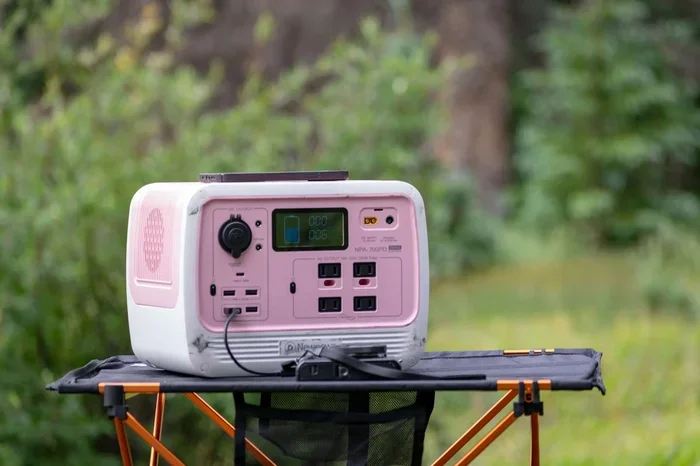
How To Make A Generator Quieter And Reduce Loud Noise
Want to know how to make a generator quieter? This guide covers every method from simple fixes to full soundproof enclosures. You will learn about noise dampening materials, exhaust upgrades, vibration control, and the best quiet generator options. These noise reduction techniques work for portable and standby units alike.
This is a comprehensive guide about how to make a generator quieter.
Key Takeaways
- Build or buy a generator enclosure: A proper soundproof housing can cut noise by up to 50%.
- Upgrade your exhaust system: A larger muffler or exhaust silencer reduces the loudest source of generator noise.
- Use rubber isolation pads: These absorb vibrations and stop them from traveling through the ground.
- Choose an inverter generator: These units run much quieter than conventional models.
- Add sound absorption panels: Acoustic foam or mass loaded vinyl inside an enclosure boosts quiet performance.
- Placement matters: Positioning your unit away from living areas makes a big difference.
[FEATURED_IMAGE_PLACEHOLDER]
Nothing ruins a peaceful backyard or camping trip faster than a loud generator. The rumble can travel far, disturb neighbors, and make it hard to enjoy the outdoors. If you have ever asked yourself, “how to make a generator quieter,” you are not alone.
Generators are essential tools. They keep the lights on during power outages and power tools at job sites. But most standard units produce a lot of sound. The good news is that you can significantly reduce generator noise with the right approach.
This guide walks you through every practical method available. From simple DIY fixes to full soundproof enclosures, you will find solutions that work. We also cover the best quiet generator models and share expert tips for keeping things calm. Generator noise reduction is easier than most people think.
Understanding Generator Noise
Before you fix the problem, it helps to understand what causes it. Generators make noise from several sources at once. Each source needs a different approach to quiet it down.
What Makes a Generator Loud?
The engine is the main noise maker. It runs on combustion, which creates vibrations and exhaust sounds. The alternator adds a steady humming noise. And the exhaust pipe releases the loudest sound of all. Together, these create a combined decibel level that can reach 80 to 100 dB or more.
For reference, normal conversation is about 60 dB. A lawnmower is around 90 dB. A generator running at full power can be louder than both. This is why generator noise reduction matters so much.
Common Sources of Generator Noise
- Engine combustion: The internal engine creates the most raw noise.
- Exhaust fumes: The exhaust pipe releases the loudest and most harmful sound waves.
- Vibrations: The metal frame and mounting points carry vibrations into the ground and nearby structures.
- Alternator hum: The electrical component produces a constant high-pitched sound.
- Air intake: The cooling fan and air intake create additional rushing noise.
Knowing where the noise comes from helps you target your noise reduction techniques more effectively. You do not need to fix everything at once. Start with the loudest source and work your way down.
Choose a Quieter Generator Type
The easiest way to get a quiet generator is to buy one that is designed to be quiet. Not all generators are created equal. Some brands focus heavily on low noise levels.
Inverter Generators vs Conventional Generators
Inverter generators are the clear winner for quiet operation. They adjust engine speed based on the load. When demand is low, the engine slows down and produces less noise. Conventional generators run at a constant speed no matter what.
Here is a quick comparison of the two types:
| Feature | Inverter Generator | Conventional Generator |
|---|---|---|
| Noise Level | 50-65 dB | 70-100 dB |
| Fuel Efficiency | High | Moderate |
| Power Quality | Clean, stable power | Less stable power |
| Weight | Lighter | Heavier |
| Price | Higher | Lower |
| Best For | Camping, home backup, RV | Heavy-duty, job sites |
If you are serious about generator noise reduction, an inverter model should be your first choice. Brands like Honda, Yamaha, and Generac make excellent quiet generator options.
Top Quiet Generator Brands to Consider
- Honda EU series: Known for ultra-quiet operation and reliability.
- Yamaha EF series: Great soundproofing and fuel efficiency.
- Generac IQ3500: A solid mid-range quiet option.
- Westinghouse iGen series: Budget-friendly and surprisingly quiet.
Build or Buy a Generator Enclosure
An enclosure is one of the most effective ways to reduce noise. It wraps around the generator and blocks sound from spreading out. You can buy one or build your own.
What Is a Generator Sound Enclosure?
A generator enclosure is a box-like structure built around the unit. It uses sound absorption materials and acoustic barriers to trap noise inside. Think of it like a soundproof room for your generator.
Commercial enclosures are available online and at hardware stores. They range from simple fabric covers to full wooden or MDF boxes with acoustic lining. Prices vary widely based on material and size.
DIY Generator Enclosure Tips
Building your own enclosure is a great weekend project. Here are some tips to get started:
- Use mass loaded vinyl as the inner lining. This material blocks sound very effectively.
- Add acoustic foam panels to absorb internal noise reflections.
- Leave ventilation gaps at the top and bottom to prevent overheating.
- Use hinges or removable panels for easy access to the generator.
- Seal all seams with acoustic caulk to prevent sound leaks.
A well-built enclosure can reduce portable generator noise by 10 to 15 dB. That is a noticeable difference. Your neighbors will thank you.
Quick Tips for Enclosure Building
- Measure your generator dimensions before buying or cutting any materials.
- Use 3/4-inch plywood or MDF for the outer shell.
- Do not seal the enclosure completely. Generators need airflow to cool down.
- Add wheels to the base for easy movement.
Upgrade the Exhaust System
The exhaust is the single loudest part of most generators. Upgrading your exhaust system is one of the fastest ways to achieve generator noise reduction.
Install a Larger Muffler
The stock muffler on most generators is small and basic. It does a minimal job of reducing exhaust noise. Replacing it with a larger, high-quality muffler can make a big difference.
Look for a generator muffler that is designed for your specific model. Universal mufflers also work if you match the pipe diameter correctly. A larger muffler gives exhaust gases more space to cool and slow down, which reduces sound.
Add an Exhaust Silencer
An exhaust silencer works alongside the muffler to further dampen noise. It uses internal baffles to break up sound waves before they exit the pipe. This is a common noise dampening technique used in industrial settings.
You can find aftermarket exhaust silencers online or at equipment supply stores. Installation is usually straightforward. Just make sure the silencer fits your generator’s exhaust port.
Common Mistakes to Avoid
- Blocking the exhaust completely: This can cause dangerous carbon monoxide buildup. Always keep exhaust pathways clear.
- Using the wrong size muffler: A mismatched muffler reduces effectiveness and may overheat.
- Ignoring heat damage: Exhaust parts get very hot. Use heat-resistant materials near the unit.
Reduce Vibrations with Isolation
Vibrations travel through the ground and nearby structures. Even if the generator itself is not that loud, vibrations can make walls and floors hum. Vibration isolation is a simple but powerful noise reduction technique.
Use Rubber Isolation Pads
Place rubber isolation pads under each leg of the generator. These pads absorb vibrations before they reach the floor or ground. They are inexpensive and very effective.
You can find rubber pads at most hardware stores or online. Look for pads rated for heavy equipment. They should be at least 1/2 inch thick for best results.
Try a Vibration-Dampening Mat
A thick rubber or foam mat placed under the entire generator works even better than individual pads. It spreads the vibration across a larger area and reduces the energy that transfers into the ground.
Some people use specialized anti-vibration mats designed for generators. These are thicker and more durable than regular rubber mats. They are worth the investment if you run your generator often.
Expert Insight
“Vibration isolation is one of the most overlooked generator noise reduction methods. A simple rubber mat can drop perceived noise by several decibels. It is the easiest fix with the biggest impact.”
Optimize Generator Placement
Where you place your generator matters more than you might think. Smart placement can reduce the noise you hear without changing the machine at all.
Best Placement Practices
- Place it far from living areas: The farther away, the quieter it sounds inside your home.
- Put it on a soft surface: Grass or dirt absorbs more sound than concrete or pavement.
- Face the exhaust away from windows: Direct the noise away from areas where people gather.
- Use a fence or wall as a barrier: A solid fence can block and reflect sound waves away from your home.
Build a Simple Sound Barrier
A generator sound barrier can be as simple as a piece of plywood or a tarp hung on a frame. Place it between the generator and your home. The barrier blocks and absorbs some of the sound waves before they reach you.
For better results, line the barrier with sound absorption material like acoustic foam or mass loaded vinyl. This turns a simple barrier into a noise reduction technique that really works.
Quick Tips for Placement
- Never place a generator indoors or in an enclosed garage. Carbon monoxide is deadly.
- Keep it at least 20 feet from your home if possible.
- Elevate the generator slightly to reduce ground vibration transfer.
- Avoid placing it near bedroom windows at night.
Maintain Your Generator for Quieter Operation
A well-maintained generator runs quieter than a neglected one. Regular maintenance keeps everything running smoothly and reduces unnecessary noise.
Regular Maintenance Checklist
- Change the oil regularly: Clean oil reduces engine friction and noise.
- Replace the air filter: A clogged air filter forces the engine to work harder.
- Check the spark plug: A worn spark plug causes rough running and extra noise.
- Tighten loose bolts: Loose parts rattle and vibrate, adding to the noise.
- Clean the exhaust system: Carbon buildup in the exhaust increases noise levels.
Following a simple maintenance schedule keeps your generator noise reduction efforts effective over time. A clean, well-tuned engine is a quieter engine.
Common Mistakes People Make When Trying to Quiet Their Generator
Many people try to reduce generator noise but make avoidable mistakes. Here are the most common ones:
- Covering the generator with a blanket: This traps heat and can cause a fire. Never do this.
- Blocking ventilation: Generators need airflow to cool. Blocking vents leads to overheating and damage.
- Using the wrong enclosure material: Thin materials do not block sound. Use dense, heavy materials like MDF or mass loaded vinyl.
- Ignoring the exhaust: The exhaust is the loudest source. Focusing only on the body of the generator misses the biggest opportunity for noise reduction.
- Placing the generator too close to the house: No amount of soundproofing fixes bad placement.
Avoiding these mistakes saves you time, money, and frustration. Focus on the right methods for real results.
Final Thoughts
Learning how to make a generator quieter is a valuable skill for any generator owner. Whether you use your unit for backup power, camping, or work sites, noise reduction makes everything better.
Start with the easiest fixes like rubber isolation pads and better placement. Then move on to exhaust upgrades and enclosures if you need more quiet. If you are in the market for a new generator, consider an inverter model for the best quiet generator experience.
Every method in this guide is proven and practical. You do not need expensive equipment or advanced skills. Just a little time and effort can turn a loud generator into a much quieter one. Generator noise reduction is within your reach. Start today and enjoy the peace and quiet.
Frequently Asked Questions
How loud is a typical generator in decibels?
Most conventional generators run between 70 and 100 decibels. Inverter generators are much quieter, typically between 50 and 65 decibels. The lower the decibel number, the quieter the unit runs.
Can I use a soundproof box for my generator?
Yes. A soundproof box or acoustic enclosure is one of the best ways to reduce noise. Just make sure it has proper ventilation so the generator does not overheat.
What is the best material for a generator sound barrier?
Mass loaded vinyl is one of the most effective materials. It is dense, flexible, and blocks sound very well. Plywood lined with acoustic foam also works great for DIY enclosures.
Do rubber mats really reduce generator noise?
Yes. Rubber isolation pads absorb vibrations that travel through the ground. This reduces the low-frequency hum that people often hear from a distance.
Is it safe to modify my generator exhaust?
It is safe as long as you use the right parts and keep the exhaust clear. Never block the exhaust completely. Use a muffler or silencer designed for your generator model.
How much noise reduction can I expect from these methods?
Combining multiple methods can reduce noise by 15 to 25 decibels. That is enough to make a generator much more comfortable for you and your neighbors. An enclosure plus exhaust upgrade plus isolation pads gives the best results.
Frequently Asked Questions
What is how to make a generator quieter?
how to make a generator quieter is an important topic with many practical applications.