What Size Generator Do You Need to Run a Refrigerator
Knowing what size generator to run a refrigerator saves you from power outages and spoiled food. A typical fridge needs about 1000 to 2000 watts to start and run smoothly. This guide breaks down generator wattage, starting watts vs running watts, and helps you choose the right backup power solution with confidence.
Power outages happen when you least expect them. A storm rolls in, the grid goes down, and suddenly your refrigerator becomes the most important appliance in your home. Keeping your food cold and safe depends on one simple question: what size generator to run a refrigerator?
The answer is not as complicated as you might think. Most standard refrigerators need between 1000 and 2000 watts of generator wattage to operate properly. But the real key lies in understanding starting watts versus running watts. Once you grasp that difference, choosing the right backup power becomes much easier.
This guide walks you through everything you need to know. We will cover wattage requirements, different generator types, common mistakes, and practical tips. By the end, you will feel confident picking the perfect generator sizing for your fridge and home.
Key Takeaways
- Know your fridge wattage: Check the label or manual to find running and starting wattage requirements before buying a generator.
- Starting watts matter most: The compressor surge at startup demands 2 to 3 times the running watts, so size accordingly.
- A 2000 to 3000 watt generator handles most standard refrigerators with room to spare for other essentials.
- Inverter generators are ideal because they deliver clean, stable power that protects sensitive refrigerator electronics.
- Avoid common mistakes like ignoring surge watts or overloading the generator with too many appliances.
- Consider fuel type and runtime: Propane, gasoline, and solar generators each offer different benefits for home backup power.
- Test your setup before an emergency to ensure the generator handles your refrigerator load safely.
📑 Table of Contents
- How Much Power Does a Refrigerator Actually Need?
- What Size Generator to Run a Refrigerator
- Types of Generators for Refrigerator Power
- How to Choose the Right Generator Size
- Common Mistakes When Sizing a Generator for a Refrigerator
- Quick Tips for Running a Refrigerator on a Generator
- Final Thoughts
How Much Power Does a Refrigerator Actually Need?
Before you shop for a generator, you need to understand your refrigerator’s power consumption. Not all fridges use the same amount of electricity. A compact mini fridge needs far less power than a large side-by-side model with an ice maker.
Running Watts: The Continuous Power Demand
Running watts are the power your refrigerator uses to keep running once the compressor kicks on. Most modern refrigerators use between 100 and 400 watts during normal operation. The average household fridge sits around 150 to 200 watts when the compressor is cycling.
Older models tend to use more energy. A fridge from the 1990s might draw 300 to 400 watts. Newer Energy Star rated units are much more efficient and can run on as little as 100 watts. Check the yellow energy guide sticker inside your fridge for the exact refrigerator wattage.
Starting Watts: The Hidden Power Surge
Here is where most people get tripped up. When your refrigerator compressor starts up, it needs a burst of extra power. This is called the surge wattage or starting watts. It typically lasts for just a few seconds, but it is critical.
The starting watts for a refrigerator are usually 2 to 3 times the running watts. So if your fridge runs on 200 watts, it might need 1200 to 1800 watts to start. If you pick a generator that cannot handle this surge, the generator will shut down or the fridge compressor will fail to start.
This is why generator sizing is so important. You need a generator that covers both the steady running load and the peak starting surge. Ignoring the surge is the number one mistake people make when sizing a portable generator for their fridge.
What Size Generator to Run a Refrigerator
So, what size generator to run a refrigerator? The short answer is a generator rated for at least 2000 to 3000 starting watts. This gives you enough headroom for the compressor surge and a little extra for safety.
Generator Size Guide by Refrigerator Type
Different fridges have different needs. Here is a simple breakdown:
- Mini fridge (50 to 75 watts running): A 1000 watt generator works well. The surge will be around 600 to 900 watts, which stays within range.
- Standard top-freezer fridge (150 to 200 watts running): You need a 2000 to 2500 watt generator. This covers the 1200 to 1800 watt starting surge comfortably.
- Side-by-side or french door fridge (200 to 400 watts running): Go with a 3000 to 3500 watt generator. These larger models draw more running power and have higher surge demands.
- Side-by-side with ice maker and water dispenser (300 to 500 watts running): A 3500 to 4000 watt generator gives you plenty of buffer. The ice maker adds extra load that many people overlook.
Why Bigger Is Better (But Not Too Big)
When it comes to generator sizing, bigger is generally better. A generator that runs at 50 to 70 percent of its maximum capacity lasts longer and runs more efficiently. It also handles unexpected power surges without straining.
However, you do not want to massively oversize either. A 7000 watt generator for a small fridge wastes fuel and costs more than necessary. The sweet spot for most households is a 2000 to 3000 watt generator. It handles the fridge and still has room for a few other essentials like lights or a phone charger.
Types of Generators for Refrigerator Power
Not all generators are created equal. The type you choose affects performance, fuel efficiency, noise level, and how safely it powers your refrigerator. Let us look at the main options.
Portable Generators
Portable generators are the most popular choice for home backup power. They are affordable, easy to move, and come in a wide range of sizes. A 2500 to 3000 watt portable generator handles most refrigerators with ease.
These units typically run on gasoline, though some models offer dual fuel options with propane. They are great for short term use during outages. The downside is they can be noisy and require regular refueling. You also need to position them outside for safety.
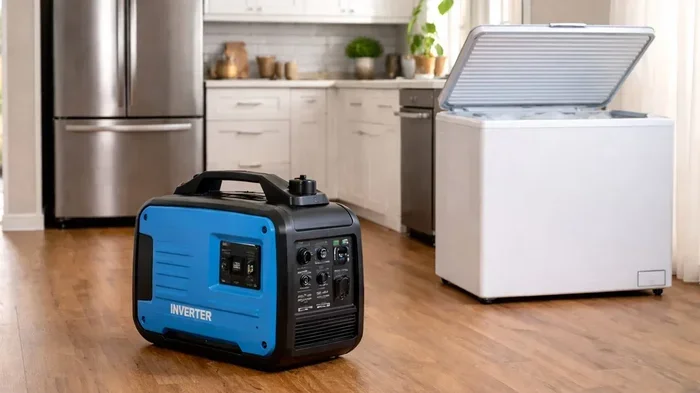
Inverter Generators
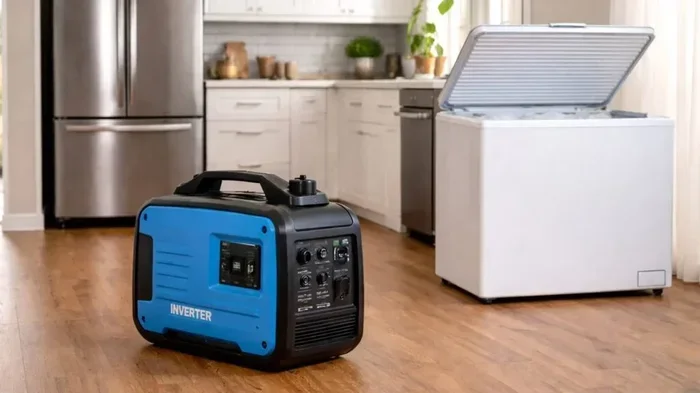
Inverter generators are a step up from standard portable units. They produce clean, stable power that is safe for sensitive electronics. This matters a lot for refrigerators because the compressor and control board can be damaged by power fluctuations.
Inverter generators adjust their engine speed based on the load, which means better fuel efficiency and quieter operation. They are more expensive than conventional portable generators, but the protection they offer your fridge is worth the investment. A 2000 to 3000 watt inverter generator is an excellent choice for most homes.
Standby Generators
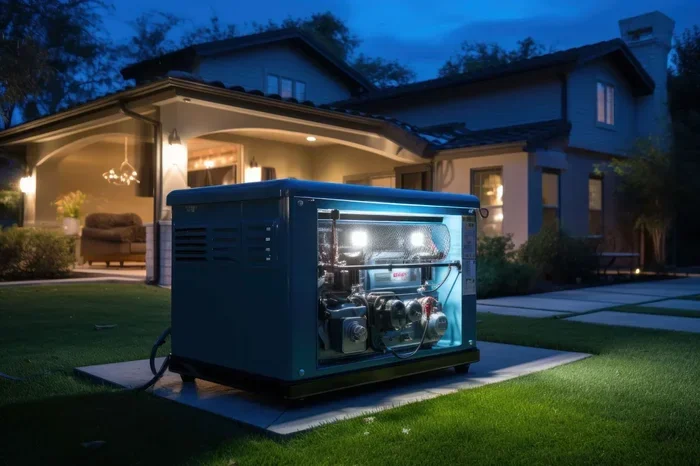
Standby generators are permanent installations that kick on automatically during a power outage. They run on natural gas or propane and can power your entire home, including the refrigerator, HVAC system, and all other appliances.
These units range from 7000 watts to 20000 watts or more. They are expensive to purchase and install, but they offer unbeatable convenience. If you live in an area prone to frequent storms or long outages, a standby generator is a solid long term investment for home backup power.
Solar Generators
Solar generators are gaining popularity as people look for quieter, eco friendly backup options. These units store solar energy in batteries and convert it to AC power. They are silent, emission free, and require minimal maintenance.
The challenge is capacity. Most solar generators in the 2000 to 3000 watt range can run a refrigerator, but their runtime depends on battery size. On a cloudy day or during a long outage, you may need to recharge frequently. They work best as a supplement or for short outages.
Propane Generators
Propane generators offer a clean burning fuel alternative. Propane has a long shelf life, which makes it great for emergency storage. Many dual fuel generators let you switch between gasoline and propane, giving you flexibility when fuel supplies are limited.
A propane generator in the 2500 to 3000 watt range works well for refrigerator power. The fuel burn rate is slightly higher than gasoline, but the stability and storage advantages make propane a strong contender for backup power planning.
How to Choose the Right Generator Size
Choosing the right generator sizing is about more than just matching numbers on a spec sheet. You need to think about your specific situation, your fridge, and your power needs.
Step 1: Find Your Refrigerator Wattage
Start by locating the wattage information on your refrigerator. Look for a sticker inside the door or consult the owner manual. If you only see amperage, you can calculate watts by multiplying amps by 120 volts. For example, a fridge drawing 1.5 amps uses about 180 watts.
Write down both the running watts and the starting watts. If the starting watts are not listed, multiply the running watts by 3 to be safe. This gives you a comfortable margin.
Step 2: Add Any Other Essential Loads
Do you plan to run anything else on the generator? A few lights, a microwave, or charging your phone all add up. Make a quick list of what you want to keep running during an outage and add those wattages together.
For example, if your fridge needs 2000 starting watts and you want to run a 1000 watt microwave, you need a generator that can handle at least 3000 starting watts. Always add a 20 percent buffer to be safe.
Step 3: Consider Runtime and Fuel Capacity
A generator that runs out of fuel after two hours is not very helpful during a long outage. Look at the fuel tank size and estimated runtime at 50 percent load. A good portable generator should run 8 to 12 hours on a full tank of gasoline.
For longer outages, consider a standby generator connected to a natural gas line. These units run indefinitely as long as the fuel supply lasts. Propane tanks can also extend runtime significantly if you have multiple tanks on hand.
Step 4: Think About Noise and Placement
Generators can be loud. A conventional portable generator might produce 70 to 80 decibels, which is similar to a vacuum cleaner. Inverter generators are much quieter at 50 to 60 decibels.
Always place your generator outside and at least 20 feet from your home. Exhaust fumes contain carbon monoxide, which is deadly. Run the power cord into your home through a window or a properly installed transfer switch.
Common Mistakes When Sizing a Generator for a Refrigerator
Even well intentioned homeowners make mistakes when choosing a generator for their fridge. Avoid these pitfalls to keep your food safe and your generator running smoothly.
Ignoring Starting Watts
This is the biggest mistake. Many people look only at running watts and buy a generator that is too small. When the fridge compressor tries to start, the generator overloads and shuts down. Always check the starting wattage requirement and make sure your generator exceeds it.
Underestimating Total Load
It is easy to forget about all the things you want to power. A fridge, a few lights, a phone charger, and a small fan can add up fast. Add up everything before you buy a generator. Planning ahead prevents frustrating surprises during an outage.
Overloading the Generator
Pushing a generator to its maximum capacity for extended periods damages the engine and shortens its lifespan. Keep your load at 80 percent or less of the generator’s rated capacity. This also reduces the risk of overheating and fire.
Using the Wrong Extension Cord
A thin or undersized extension cord can cause voltage drop and even start a fire. Use a heavy gauge cord rated for the wattage you are drawing. For a 2000 watt load, a 12 gauge cord at least 25 feet long is the minimum safe choice.
Skipping Regular Maintenance
A generator that sits unused for months may not start when you need it most. Run your generator under load for at least 30 minutes every few months. Change the oil, check the fuel filter, and keep fresh fuel on hand. This simple maintenance keeps your backup power ready to go.
Quick Tips for Running a Refrigerator on a Generator
Once you have the right generator wattage and portable generator or inverter unit, a few simple tips make everything smoother:
- Let the generator warm up before plugging in the fridge. This stabilizes the output and protects the compressor.
- Use a surge protector between the generator and your refrigerator to guard against power spikes.
- Keep the fridge door closed as much as possible. A full fridge stays cold longer and reduces the compressor cycling.
- Position the generator on level ground to ensure stable fuel delivery and consistent power output.
- Never refuel a hot generator. Let it cool for at least 15 minutes before adding fuel to prevent fires.
- Label your generator cables clearly so everyone in your household knows which appliances to plug in during an outage.
Following these tips extends the life of your generator and keeps your refrigerator running safely through any outage.
Final Thoughts
Figuring out what size generator to run a refrigerator does not have to be stressful. The key is understanding your fridge’s power needs and choosing a generator that handles both the steady running load and the compressor surge. For most households, a 2000 to 3000 watt generator is the perfect balance of power, efficiency, and affordability.
Whether you choose a portable generator, an inverter generator, or invest in a standby unit, the most important step is sizing it correctly. Check your fridge label, add up your total loads, and always leave a safety margin.
Power outages are inconvenient, but they do not have to mean spoiled food and wasted money. With the right generator sizing and a little preparation, your refrigerator keeps running and your family stays comfortable. Take the time today to plan your backup power setup, and you will be glad you did when the next storm hits.
Frequently Asked Questions
Can a 1000 watt generator run a refrigerator?
A 1000 watt generator can run a small mini fridge or a compact model that uses under 300 watts during operation. However, most standard full size refrigerators need at least 1200 to 1800 starting watts, which a 1000 watt generator cannot provide. Always check the surge wattage requirement before connecting your fridge.
What happens if the generator is too small for the refrigerator?
If the generator cannot handle the starting surge, it will either shut down automatically or fail to start the compressor. Repeated attempts to start under load can damage both the generator and the refrigerator. Always choose a generator that exceeds the fridge peak starting wattage by at least 20 percent.
Is an inverter generator better for a refrigerator than a standard portable generator?
Yes, inverter generators are better for refrigerators. They produce clean, stable sine wave power that protects sensitive compressor controls and electronics. Standard portable generators can output voltage fluctuations that may damage your fridge over time. The slightly higher cost of an inverter model is well worth the protection.
How long can a refrigerator run on a generator?
Runtime depends on the generator fuel tank size and load. A typical 2000 to 3000 watt portable generator with a one gallon fuel tank runs about 8 to 10 hours at half load. For longer outages, consider a standby generator connected to natural gas or keep extra fuel on hand safely stored.
Do I need a transfer switch to run my refrigerator on a generator?
A transfer switch is not strictly required for a portable generator, but it is highly recommended. It connects the generator directly to your home panel and prevents back feeding into the grid, which is dangerous for utility workers. A transfer switch also makes it easy to power multiple appliances safely.
Can a solar generator power a refrigerator during an outage?
Yes, a solar generator can power a refrigerator, but runtime depends on battery capacity. A solar generator rated at 2000 watts with a 2000 watt hour battery can run a standard fridge for about 8 to 10 hours. For extended outages, you may need additional battery storage or a backup charging method.
=== CONCLUSION ===
Choosing the right what size generator to run a refrigerator comes down to knowing your fridge’s wattage and matching it to a properly sized unit. A 2000 to 3000 watt generator covers most standard refrigerators, handles the compressor surge, and leaves room for other essentials. Whether you go with a portable generator, an inverter generator, or a standby unit, proper generator sizing is the foundation of reliable backup power. Take a few minutes today to check your fridge label, plan your loads, and invest in the right generator. Your future self will thank you the next time the power goes out.

One Comment