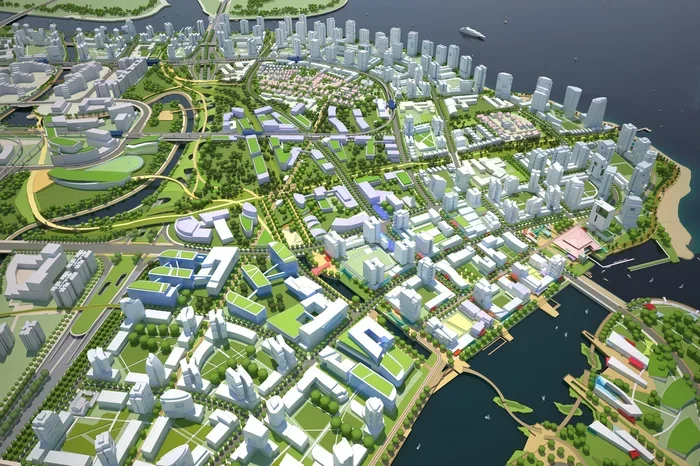
City Layout Generator Tips for Creating Better Spaces
A city layout generator helps you design organized, functional urban spaces with ease. Whether you are a game developer, urban planner, or creative designer, these tools save time and boost creativity. This guide covers essential tips, features, and common mistakes to help you get the best results from your city layout generator.
A city layout generator is a powerful tool that helps you design, visualize, and organize urban spaces in minutes. Whether you are building a virtual world for a game, planning a neighborhood, or just exploring creative ideas, these generators make the process faster and more fun.
But here is the thing. Not everyone uses a city layout generator the right way. There are settings to tweak, features to understand, and mistakes to avoid. That is exactly why this guide exists. You will learn how to pick the best tool, use it like a pro, and create city designs that look and feel amazing.
We will walk through every step of the process. From understanding what makes a great city layout to avoiding the pitfalls that trip up most beginners. By the end, you will have the confidence and knowledge to build better spaces with any city layout generator you choose.
Key Takeaways
- Choose the right city layout generator based on your specific needs, whether for games, simulations, or real-world planning.
- Focus on zoning and grid systems to create balanced and realistic urban designs.
- Use terrain and landscape features to add depth and natural variation to your city layouts.
- Avoid common mistakes like ignoring traffic flow, overcrowding districts, and neglecting green spaces.
- Leverage LSI and semantic keywords to improve your designs and content for better search visibility.
- Combine tools like a network diagram generator or fictional city name generator to enrich your workflow.
📑 Table of Contents
- What Is a City Layout Generator?
- Why City Layout Generators Matter for Urban Design
- Key Features to Look For in a City Layout Generator
- Step-by-Step Guide to Using a City Layout Generator
- Common Mistakes to Avoid When Using a City Layout Generator
- Expert Tips for Creating Better City Layouts
- Comparison: Top City Layout Generator Tools
- Final Thoughts
What Is a City Layout Generator?
A city layout generator is a software tool that automatically creates city designs based on rules, parameters, or randomization. Think of it as a digital architect that can draft entire neighborhoods, downtown districts, or even full metropolitan areas in seconds.
These tools use algorithms to place roads, buildings, parks, and other elements. Some generators focus on realism. Others prioritize creativity or game-ready assets. The best city layout generator options let you control the look, feel, and functionality of every space you create.
Many designers use urban planning software alongside these generators. This combination gives you more control over the final output. You can refine the auto-generated layout and add personal touches that make your city unique.
How Does a City Layout Generator Work?
Most city layout generator tools rely on a few core technologies. Procedural generation is the big one. This means the software uses mathematical rules to create patterns automatically.
Here is how it typically works:
- Input parameters: You set the size, style, and density of the city.
- Grid creation: The tool builds a road network and divides the space into blocks.
- Building placement: Structures are placed based on rules you define or randomize.
- Refinement: You adjust details like building height, green spaces, and traffic flow.
Some advanced generators also use noise functions and Perlin algorithms to create natural-looking terrain. This adds hills, rivers, and coastline features to your city design. The result feels more organic and less like a perfect grid on paper.
Why City Layout Generators Matter for Urban Design
Creating a city from scratch is hard work. Even experienced urban planners spend hours mapping out streets and districts. A city layout generator removes much of that grunt work. It lets you focus on the creative decisions that really matter.
These tools are not just for professionals. Game developers, hobbyists, educators, and students all benefit from them. A city layout generator can help you prototype ideas quickly. You can test different zoning strategies or explore what a futuristic city might look like.
Here are some real-world use cases:
- Game development: Create believable cities for RPGs, simulations, and open-world games.
- Urban planning education: Teach students about zoning, infrastructure, and spatial design.
- Creative writing: Build fictional worlds with detailed city maps for novels and stories.
- Film and media: Generate background cityscapes for visual projects.
- Personal projects: Design dream cities or neighborhood concepts for fun.
The best part? You do not need to be an architect to use these tools. A good city layout generator makes professional-quality design accessible to everyone.
Key Features to Look For in a City Layout Generator
Not all generators are created equal. Some are simple and fast. Others are packed with features that give you total control. Here is what you should look for when choosing a city layout generator.
Customizable Grid Systems
The foundation of any city is its grid. A great city layout generator lets you choose between grid, radial, or organic street patterns. Grid layouts work well for modern cities. Radial designs suit historic centers with a focal point like a plaza or cathedral.
Look for tools that let you adjust block sizes, road widths, and intersection styles. These small details make a huge difference in how realistic your city looks.
Terrain and Landscape Support
Cities do not exist on flat land. A quality city layout generator should handle hills, valleys, rivers, and coastlines. Terrain features add visual interest and realism to your designs.
Some generators let you import height maps or elevation data. This is especially useful if you are designing a city based on a real-world location. The ability to shape the land before placing buildings gives you much more creative freedom.
Building Variety and Styles
A city needs different types of buildings. Residential homes, commercial towers, industrial warehouses, parks, and landmarks all play a role. The best city layout generator tools offer a wide range of building styles and categories.
You should be able to control building density by district. A downtown area might feature tall skyscrapers, while a residential zone has smaller, spread-out homes. This variety makes your city feel alive and believable.
Export and Integration Options
Once your city is designed, you need to use it somewhere. Look for generators that support export formats like OBJ, FBX, or PNG maps. Some tools integrate directly with game engines like Unity or Unreal Engine.
If you are working on a larger project, consider pairing your city layout generator with a network diagram generator to map out infrastructure like roads, utilities, and transit lines. This gives your city a complete functional backbone.
Step-by-Step Guide to Using a City Layout Generator
Using a city layout generator effectively is easier than you think. Follow these steps to get the best results every time.
Step 1: Define Your Purpose
Before you open any tool, ask yourself what you are building. Is this a fantasy city for a video game? A realistic urban plan for a school project? A fictional setting for a novel?
Your purpose determines the style, scale, and detail level you need. A city layout generator designed for games will have different features than one meant for architectural visualization. Knowing your goal helps you pick the right tool from the start.
Step 2: Set Your Parameters
Now it is time to configure your generator. Set the city size, population density, and overall style. Most tools let you adjust these through simple sliders or input fields.
Here are the key parameters to set:
- City size: Small town, mid-size city, or mega metropolis.
- Street pattern: Grid, radial, or organic.
- Building density: Sparse, moderate, or dense.
- Terrain type: Flat, hilly, coastal, or mixed.
- Era or style: Medieval, modern, futuristic, or fantasy.
Take your time with this step. The parameters you set here shape everything that comes next.
Step 3: Generate and Review
Hit the generate button and wait for your city to appear. The first result might not be perfect, and that is totally fine. Most city layout generator tools let you regenerate or tweak settings until you get something you love.
Walk through your city virtually. Check for logical street connections, balanced districts, and natural-looking terrain. Look for any awkward gaps or overlapping buildings. This review step is where the real magic happens.
Step 4: Refine and Customize
This is where you turn a generic layout into something special. Add landmarks, name districts, and adjust building styles. You can also use a fictional city name generator to come up with unique names for your neighborhoods and zones.
Some generators allow you to paint in details manually. You might add a river, place a park, or designate a commercial hub. These manual touches make your city feel hand-crafted rather than machine-made.
Step 5: Export and Share
Once you are happy with your design, export it in your preferred format. Share it with your team, use it in your project, or save it as a reference for future work.
Remember, every city you create teaches you something new. The more you use a city layout generator, the better your designs will become over time.
Common Mistakes to Avoid When Using a City Layout Generator
Even with the best tools, it is easy to make mistakes. Here are the most common pitfalls and how to avoid them.
Ignoring Traffic Flow and Connectivity
One of the biggest mistakes is creating a city where roads do not connect properly. Dead-end streets everywhere make your city feel broken. Always check that your road network allows smooth travel from one district to another.
A good rule of thumb is to ensure every neighborhood has at least two access points. This prevents traffic bottlenecks and makes your city feel more realistic. If you need help mapping connections, a network diagram generator can be a great companion tool.
Overcrowding a Single District
It is tempting to pack as many buildings as possible into one area. But this creates an unrealistic and unappealing city. Spread out your commercial, residential, and industrial zones evenly.
Real cities have breathing room. Parks, plazas, and open spaces give people room to move and relax. A well-designed city layout generator should help you balance density across districts naturally.
Neglecting Green Spaces and Water Features
Cities need nature. Parks, rivers, lakes, and tree-lined streets add life and beauty to any urban design. Skipping these features makes your city feel sterile and artificial.
Make it a habit to include at least one park or green area per district. Add a river or lake if the terrain supports it. These natural elements make a huge visual and functional difference.
Using One Building Style Throughout
Variety is what makes a city interesting. If every building looks the same, your city becomes boring fast. Mix building heights, styles, and ages across different zones.
Your downtown might have modern glass towers. Your old town could feature cobblestone streets and brick buildings. A city layout generator that supports multiple building styles gives you the variety you need to create a compelling urban environment.
Expert Tips for Creating Better City Layouts
Want to take your city designs to the next level? These expert tips will help you get the most out of your city layout generator.
Start With a Sketch
Before using any digital tool, sketch your ideas on paper. Even a rough doodle helps you visualize the overall shape and flow of your city. When you sit down with a city layout generator, you will already have a clear vision to guide your settings.
Use Layers for Organization
Think of your city in layers. The bottom layer is terrain and geography. The next layer is roads and infrastructure. Then come buildings and landmarks. Finally, add details like trees, signs, and street furniture.
Working in layers keeps your project organized. It also makes it easier to edit specific parts without affecting the whole design.
Study Real Cities for Inspiration
Some of the best city designs come from studying real-world examples. Look at how cities like Barcelona, Tokyo, or New York organize their districts. Notice how roads curve, how buildings vary in height, and how green spaces are woven throughout.
You can even use a dnd world name generator to create fantasy city names if you are building a fictional setting. This adds an extra layer of immersion to your project.
Iterate and Experiment
The best designs come from iteration. Do not expect perfection on your first try. Generate multiple versions, compare them, and combine the best elements from each.
Experiment with different settings and styles. You might discover a creative approach you never considered. A city layout generator is a playground, so enjoy the process.
Combine Multiple Tools for Richer Results
No single tool does everything. Consider pairing your city layout generator with other creative tools. A monogram logo generator can create district symbols. A neon text generator can add glowing signs to your streets at night.
The more tools you combine, the more unique and polished your final city design will be. Think of each tool as a brush in your creative toolkit.
Comparison: Top City Layout Generator Tools
Here is a quick comparison of popular city layout generator options to help you choose the right one.
- Tool A: Best for game developers. Offers real-time editing and export to major game engines. Supports procedural terrain and building variety.
- Tool B: Ideal for educational use. Simple interface with clear zoning tools. Great for teaching urban planning basics.
- Tool C: Focused on realism. Uses real-world data and elevation maps. Best for architectural visualization and simulation projects.
- Tool D: A free option with solid core features. Good for beginners and hobbyists who want to experiment without investment.
Each tool has strengths. Choose based on your specific needs and skill level. The right city layout generator should feel intuitive and give you the features you actually use.
Final Thoughts
A city layout generator is one of the most versatile and fun tools you can add to your creative workflow. Whether you are building virtual worlds, planning real neighborhoods, or just exploring your imagination, these tools open up endless possibilities.
The tips in this guide should help you get started with confidence. Define your purpose, set smart parameters, avoid common mistakes, and always iterate. With practice, you will create city designs that are functional, beautiful, and truly unique.
Remember, every great city starts with a single layout. Your city layout generator is the tool that brings that vision to life. So go ahead, start building, and see what amazing spaces you can create.
Pair your workflow with complementary tools like a Fictional City Name Generator for naming districts, a Dnd World Name Generator for fantasy settings, or a Network Diagram Generator for mapping infrastructure. These combinations will elevate your city designs to a whole new level.
Frequently Asked Questions
What is the best city layout generator for beginners?
Look for a tool with a simple interface and preset templates. Free options are great for learning the basics. A good city layout generator for beginners should let you adjust city size, style, and density with minimal effort.
Can a city layout generator be used for real-world urban planning?
Yes, many professionals use these tools for prototyping and visualization. However, real-world planning requires additional data and regulatory considerations. A city layout generator works best as a starting point for conceptual design.
Do I need special software skills to use a city layout generator?
Not at all. Most modern tools are designed with user-friendly interfaces. If you can use basic editing software, you can use a city layout generator effectively. The key is experimenting and learning as you go.
How can I make my generated city look more realistic?
Focus on variety and detail. Mix building styles, add green spaces, and ensure logical road connections. Study real cities for inspiration and refine your generated layouts manually. A city layout generator gives you the foundation, but your personal touches bring it to life.
Are there free city layout generator options available?
Yes, several free tools offer solid core features. These are perfect for hobbyists, students, and anyone who wants to experiment. Look for options that support export formats and basic customization to get the most value.
What other tools pair well with a city layout generator?
Tools like a Fictional City Name Generator, a Network Diagram Generator, and a Dnd World Name Generator work great alongside any city layout generator. They add naming, infrastructure mapping, and world-building capabilities to your workflow.
=== CONCLUSION ===
A city layout generator is a game-changer for anyone who designs urban spaces. From game developers to students to creative hobbyists, these tools make city building faster, easier, and more enjoyable. The tips in this guide cover everything from choosing the right tool to avoiding common mistakes and combining multiple generators for richer results.
Start with a clear purpose. Set your parameters thoughtfully. Review and refine your layouts with care. And most importantly, have fun with the process. The best cities are born from a mix of smart tools and creative vision.
Now that you have all the knowledge you need, it is time to fire up your city layout generator and start building the city of your dreams. Happy designing!


