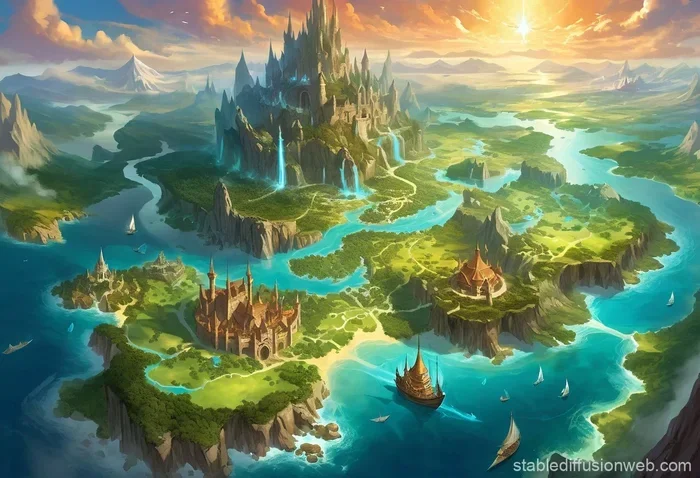
Use This DD Map Generator To Create Amazing Worlds
A D&D map generator is a powerful tool that helps game masters create detailed fantasy worlds in minutes. Whether you are running a small dungeon crawl or a massive campaign, this tool saves hours of drawing and planning. In this guide, you will learn how a D&D map generator works, what features matter most, and how to use one to build amazing worlds for your players.
If you have ever sat down to run a D&D session and realized you had no map for the adventure, you know how stressful that can be. Players look at you expectantly. You grab a pencil. You start sketching. Ten minutes later, the “map” looks like a toddler drew it. Sound familiar?
A D&D map generator solves this problem completely. It is a digital tool that creates detailed fantasy maps in seconds. You get mountains, forests, rivers, dungeons, and towns without lifting a single pencil. Whether you are a seasoned dungeon master or just starting your first campaign, a map generator can transform your world building experience.
In this article, we will walk you through everything you need to know about using a D&D map generator. We will cover how they work, what features to look for, and practical tips to make your fantasy worlds truly amazing.
Key Takeaways
- A D&D map generator saves game masters hours of work by creating detailed fantasy maps instantly.
- Key features to look for include terrain types, hex grids, and random generation options.
- Using a map generator alongside a backstory generator creates richer, more immersive campaigns.
- Both digital and hand-drawn maps have their place, but digital tools offer unmatched speed and flexibility.
- You can use a map generator for dungeons, towns, and entire continents with the right settings.
- Combining a map generator with a world name generator ensures your fantasy settings feel cohesive and complete.
📑 Table of Contents
- What Is a D&D Map Generator and Why Do You Need One
- How a D&D Map Generator Works
- Best Features to Look For in a D&D Map Generator
- How to Use a D&D Map Generator for Your Campaign
- Tips for Creating Stunning Fantasy Maps
- D&D Map Generator vs. Hand-Drawn Maps
- Common Mistakes to Avoid When Using a D&D Map Generator
- Final Thoughts on Using a D&D Map Generator
What Is a D&D Map Generator and Why Do You Need One
A D&D map generator is a software tool designed to create fantasy maps for tabletop roleplaying games. These tools use algorithms to randomly generate landscapes, terrain, and layouts. Some generators focus on small dungeon maps. Others create entire continents with rivers, roads, and cities.
The beauty of a fantasy map creator is speed. What used to take hours of careful drawing now takes minutes. You can generate a new map with a single click. Need a different layout? Generate another one. This flexibility makes campaign planning faster and more fun.
Here are some key reasons every game master needs a map generator:
- Speed: Create a complete map in under a minute.
- Variety: Generate endless unique maps without repeating the same terrain.
- Professional quality: Digital maps look polished and detailed.
- Customization: Adjust terrain, size, and style to fit your campaign.
- Consistency: Keep your world looking cohesive across multiple sessions.
When you combine a map generator with a world name generator, you have a complete toolkit for building immersive settings. Your players will love exploring maps that feel alive and unique.
Who Benefits Most from a D&D Map Generator
Almost anyone involved in tabletop gaming can benefit from a D&D map generator. Here are the groups that get the most value:
- Dungeon Masters: Create maps for upcoming sessions quickly.
- Players: Visualize the world your DM has described.
- World Builders: Design entire fantasy settings from scratch.
- Content Creators: Generate maps for streams, videos, and blogs.
- New DMs: Skip the drawing learning curve entirely.
Even experienced dungeon masters who love hand-drawing maps use generators for inspiration. Sometimes you just need a starting point. A random map generator gives you that spark of creativity when the ideas are not flowing.
How a D&D Map Generator Works
Understanding how a D&D map generator works helps you use it better. The technology behind these tools is simpler than you might think.
Most generators use a process called procedural generation. This means the software follows a set of rules to create maps automatically. It places terrain types based on probability. A mountain is more likely to appear near another mountain. Rivers flow downhill. Forests cluster together. The algorithm handles all of this behind the scenes.
Some generators use noise algorithms similar to those used in video games and movies. These algorithms create natural-looking terrain by blending different elevation levels. The result is a map that looks like it was drawn by an experienced cartographer.
The Role of Randomization
Randomization is the heart of any good map generator. Every time you generate a map, you get something different. This is perfect for D&D because every session can feel fresh and unexpected.
You can control the randomness to some degree. Most tools let you set parameters like:
- Map size: Small for dungeons, large for continents.
- Terrain density: How much forest, water, or desert appears.
- Grid type: Square grid or hex grid for movement tracking.
- Feature count: Number of towns, dungeons, and landmarks.
By adjusting these settings, you get exactly the kind of map your D&D campaign needs. A dungeon map generator works differently from a world map generator, so pick the right tool for your purpose.
Hex Grids vs. Square Grids
One important choice when using a D&D map generator is the grid type. Hex grids and square grids serve different purposes.
Hex grids are popular in fantasy gaming because they allow movement in six directions. This feels more natural for characters moving through wilderness terrain. Many RPG map makers default to hex grids for this reason.
Square grids work better for dungeon crawls and urban environments. They are easier to understand for new players. Movement feels more intuitive when walking through corridors and rooms.
Good generators let you choose between both options. This flexibility is one reason why digital tools have become so popular in the tabletop RPG community.
Best Features to Look For in a D&D Map Generator
Not all map generators are created equal. Some are basic and limited. Others are packed with powerful features. Here is what you should look for when choosing a D&D map generator.
Terrain Variety
The best generators offer a wide range of terrain types. You want to see forests, mountains, deserts, swamps, oceans, and rivers. The more variety available, the more realistic your fantasy world will look.
Some advanced tools also include terrain-specific details. For example, a swamp might have murky water and dead trees. A mountain range might include snow-capped peaks and rocky passes. These details make your maps feel alive.
Customization Options
You should be able to customize every aspect of your map. This includes colors, labels, icons, and terrain placement. A good digital map tool lets you fine-tune the output until it matches your vision.
Look for features like:
- Custom color palettes for different terrain types
- Label placement for cities, roads, and landmarks
- Icon libraries for dungeons, temples, and camps
- Layer controls to show or hide specific features
Export and Sharing Options
Your map is useless if you cannot share it with your players. The best generators offer export options like PNG, PDF, or SVG files. Some even let you share maps directly through a link.
Look for generators that support high-resolution exports. Your players deserve to see crisp, clear maps whether they are viewing them on a screen or printing them out.
Integration with Other Tools
The most powerful world building tools work together. A great map generator should integrate with other campaign planning tools. For example, you might use a backstory generator to create the history of the towns appearing on your map. Or you might use a random adjective generator to name locations with unique, descriptive terms.
Some platforms even combine multiple generators in one place. This gives you a complete suite for building entire fantasy settings from scratch.
How to Use a D&D Map Generator for Your Campaign
Using a D&D map generator is straightforward, but a few tips will help you get the best results. Follow these steps to create maps that enhance your campaigns.
Step 1: Define Your Campaign Needs
Before you generate anything, think about what your campaign needs. Are you starting a new adventure in a small dungeon? Or are you building an entire continent for a long-running campaign?
Your answer determines the type of generator you need. A dungeon map generator works for underground adventures. A world map generator is better for open-world campaigns. Knowing your needs saves time and produces better results.
Step 2: Set Your Parameters
Once you choose your generator, set the parameters to match your campaign. Decide on map size, terrain mix, and grid type. The more specific you are, the better the output will be.
For example, if you are running a coastal adventure, increase the water terrain percentage. If your campaign focuses on a single city, generate a detailed urban map with districts and landmarks.
Step 3: Generate and Review
Hit the generate button and see what the D&D map generator creates. Review the map carefully. Does the terrain make sense? Are there logical connections between locations? Does the map tell a story?
Do not settle for the first result if it does not feel right. Most generators let you create multiple versions quickly. Generate several maps and pick the best one. You can also combine elements from different maps to create something unique.
Step 4: Add Labels and Details
Once you have a map you like, add labels and details. Name your towns, mark important locations, and draw roads connecting key points. This step turns a random layout into a living, breathing world.
Consider using a headline generator to come up with creative names for your locations. Names like “The Whispering Woods” or “Dragon’s Peak” add atmosphere and intrigue to your maps.
Step 5: Share With Your Players
Share your finished map with the group before or during the session. Players love seeing where their adventures take them. A well-designed map builds excitement and helps everyone visualize the world.
You can display the map on a shared screen during online sessions. For in-person games, print the map and place it on the table. Either way, a great map enhances the entire gaming experience.
Tips for Creating Stunning Fantasy Maps
A D&D map generator gives you a strong foundation. But the real magic happens when you add your personal touch. Here are some tips to make your maps truly stunning.
Start With a Story
Every great map tells a story. Before you generate anything, think about the narrative behind the landscape. Why is there a ruined castle in the middle of the forest? What caused the river to change course? Answering these questions gives your map depth and meaning.
Use a backstory generator to create histories for the locations on your map. When your players ask why a certain town exists, you will have an answer ready.
Use Color Intentionally
Color choices matter more than most people realize. Use greens for forests, blues for water, browns for mountains, and grays for ruins. Consistent color schemes make your maps look professional and polished.
Avoid using too many bright colors. Stick to a palette that feels cohesive. A well-colored map is easier to read and more visually appealing.
Add Points of Interest
A map full of blank terrain is boring. Mark points of interest like hidden caves, ancient ruins, and mysterious standing stones. These details give your players reasons to explore and discover.
Each point of interest can lead to a new adventure. A hidden cave might contain a treasure hoard. An ancient ruin might hold a powerful artifact. The possibilities are endless when you use a D&D map generator as a creative springboard.
Keep It Simple
You do not need a map that covers every square inch of your world. Start with the areas your players will visit. Add detail as they explore. This approach keeps things manageable and prevents burnout.
A good rule of thumb is to only map what your players can see and reach. Everything beyond that can remain a mystery. This creates a sense of wonder and encourages exploration.
Combine Multiple Generators
For the best results, combine your map generator with other creative tools. Use a world name generator to name continents and kingdoms. Use a random adjective generator to add flavor to location names. Use a product name generator to create unique item names for shops and markets.
Each tool adds a layer of depth to your world. Together, they create a complete and immersive setting that your players will love exploring.
D&D Map Generator vs. Hand-Drawn Maps
Some purists argue that hand-drawn maps are superior. They have a point. Hand-drawn maps carry a personal touch that digital tools cannot fully replicate. The imperfections and unique style make each map feel special.
However, digital map generators offer advantages that hand-drawing simply cannot match. Speed is the biggest one. A generator creates a detailed map in seconds. Hand-drawing the same map could take hours or even days.
Here is a quick comparison of both approaches:
| Feature | D&D Map Generator | Hand-Drawn Maps |
|---|---|---|
| Speed | Seconds to minutes | Hours to days |
| Consistency | Highly consistent | Varies by skill level |
| Customization | Extensive options | Limited by drawing skill |
| Personal Touch | Minimal | Strong and unique |
| Reusability | Easy to regenerate | Difficult to redo |
| Learning Curve | Low | High |
The truth is, both methods have value. Many experienced dungeon masters use a combination of both. They generate a base map with a D&D map generator, then hand-draw details and annotations on top. This hybrid approach gives you the best of both worlds.
The goal is not to replace the art of hand-drawing. The goal is to make your job as a game master easier and more enjoyable. A map generator is a tool, just like a pencil or a ruler. Use it in whatever way works best for you and your table.
When to Use Each Approach
Use a D&D map generator when you need a map quickly or when you are building a large world. Use hand-drawing when you want a personal, artistic touch or when you are sketching a small dungeon on the fly.
For long-running campaigns, a digital generator helps you maintain consistency across multiple sessions. For one-shot adventures, a quick hand-drawn sketch might be all you need. The choice depends on your situation and preferences.
Common Mistakes to Avoid When Using a D&D Map Generator
Even with a great tool, mistakes can happen. Here are common pitfalls and how to avoid them.
- Generating maps without context: Always think about the story behind your map. Random terrain without purpose feels disconnected and boring.
- Overcomplicating your maps: Too many details overwhelm players. Keep your maps clean and readable.
- Ignoring scale: Make sure your map’s scale makes sense. A dungeon should not be larger than a continent.
- Forgetting to label locations: Unlabeled maps frustrate players. Always add clear labels for important locations.
- Using the same settings every time: Experiment with different parameters. Variety keeps your campaigns fresh and exciting.
Avoiding these mistakes will help you create maps that are both beautiful and functional. Your players will notice the effort you put into their experience.
Final Thoughts on Using a D&D Map Generator
A D&D map generator is one of the most valuable tools a game master can own. It saves time, sparks creativity, and helps you build worlds that your players will remember for years to come.
Whether you are running a gritty dungeon crawl or an epic continental adventure, the right generator makes the process faster and more enjoyable. Combine it with tools like a world name generator and a backstory generator, and you have everything you need to create truly amazing worlds.
So go ahead. Try a D&D map generator for your next session. You might be surprised at how quickly your fantasy world comes to life. Your players are waiting to explore. Give them a map worth discovering.
Frequently Asked Questions
Can a D&D map generator create dungeon maps?
Yes, many generators specialize in dungeon maps. You can set parameters like room count, corridor length, and trap density. The tool will generate a detailed underground layout perfect for your next dungeon crawl adventure.
Do I need drawing skills to use a D&D map generator?
Not at all. These tools are designed for users of all skill levels. You do not need to know how to draw. The generator creates the map for you. You only need to customize settings and add labels if you want to.
Can I use a D&D map generator for other tabletop RPGs?
Absolutely. While the name suggests D&D, these generators work for any tabletop RPG. Whether you run Pathfinder, Shadowrun, or a homebrew system, a fantasy map creator adapts to any setting or genre.
Are free D&D map generators any good?
Yes, many free generators produce excellent results. They may have fewer features than paid versions, but the core functionality is often the same. Try a few free options to find one that fits your needs before spending money.
How do I choose between a hex grid and a square grid?
Hex grids work best for wilderness and exploration-based campaigns. Square grids are better for dungeons and urban settings. Consider your campaign style and choose the grid that matches your gameplay focus.
Can I print maps created with a D&D map generator?
Yes, most generators let you export maps as high-resolution images or PDFs. You can print them at full size for in-person sessions. For online games, you can share the digital file directly with your players through a screen share or link.