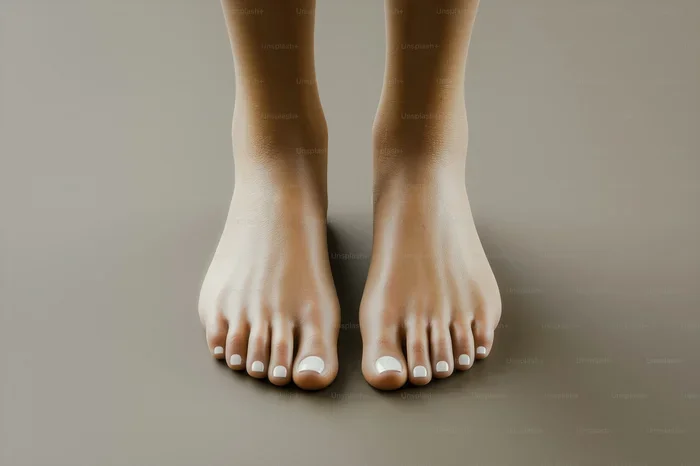
Best Feet Generator Tools for Creating Realistic Feet
A feet generator is a powerful tool that helps artists, designers, and 3D modelers create realistic human feet with ease. Whether you are working on character design, animation, or digital sculpting, the right feet generator can save you hours of tedious work. In this guide, we break down the best tools available and show you how to pick the one that fits your needs.
Key Takeaways
- AI-powered feet generators can produce photorealistic foot models in minutes, cutting down traditional sculpting time by up to 80%.
- Key features to look for include adjustable toe structure, anatomy accuracy, texture mapping, and export compatibility with major 3D software.
- Free and paid options both exist, but paid tools generally deliver higher detail and better anatomical accuracy for professional work.
- Common mistakes include ignoring foot proportions, skipping texture detail, and choosing tools that lack pose flexibility.
- Combining multiple tools—like an AI image generator with a dedicated 3D feet generator—often yields the best results for complex projects.
📑 Table of Contents
- What Is a Feet Generator and Why You Need One
- Top Feet Generator Tools for Creating Realistic Feet
- How Feet Generators Work: Technology Behind the Magic
- Key Features to Look for in a Feet Generator
- Common Mistakes When Using Feet Generators
- Quick Tips for Getting the Most Realistic Results
- Why Realistic Feet Matter in Digital Projects
- The Future of Feet Generation Technology
- Final Thoughts on Choosing the Best Feet Generator
What Is a Feet Generator and Why You Need One
A feet generator is a specialized software tool designed to create realistic digital models of human feet. These tools use advanced algorithms, 3D modeling techniques, and sometimes artificial intelligence to produce feet that look natural, detailed, and anatomically correct.
Feet are one of the hardest parts of the human body to model. They have complex bone structures, dozens of joints, and subtle curves that make them challenging even for experienced artists. A feet generator removes much of that difficulty by automating the heavy lifting.
Whether you are a game developer, animator, or digital sculptor, using a feet generator can dramatically speed up your workflow. Instead of spending hours manually sculpting each toe and arch, you can generate a solid base model and refine it from there. Many artists also use an image to image generator free tool alongside their 3D software to create reference textures for foot models.
Top Feet Generator Tools for Creating Realistic Feet
Not all feet generators are created equal. Some focus on quick results, while others prioritize deep customization. Here are some of the best tools available right now.
FeetGen Pro
FeetGen Pro is a popular choice among indie game developers. It offers a simple interface and a library of preset foot shapes. You can adjust toe length, arch height, and width with sliders. The tool exports directly to Blender, Maya, and Unity, making it very versatile. It also supports texture mapping, so you can add skin details without leaving the app.
AnatomyFeet 3D
This tool is built specifically for anatomical accuracy. AnatomyFeet 3D includes a full skeleton model beneath the surface, so every muscle and tendon is properly represented. It is ideal for medical illustration and educational content. The downside is that it has a steeper learning curve. If you are a beginner, you might want to start with a simpler feet generator first.
QuickFeet AI
QuickFeet AI takes a different approach. Instead of manual modeling, you describe the foot you want in plain text, and the AI generates it for you. Think of it like a text-to-image tool but focused on 3D foot models. It works great for concept art and early-stage design. You could also try a Firefly image generator to create 2D concept art of feet before moving into 3D.
SculptFeet Studio
SculptFeet Studio is more of a hybrid tool. It combines manual sculpting tools with AI-assisted generation. You start with a base model from the feet generator engine, then manually adjust details like nail shape, skin wrinkles, and scar texture. This is the tool to pick if you want full creative control over every tiny detail.
| Tool | Best For | Price Range | Ease of Use |
|---|---|---|---|
| FeetGen Pro | Game dev, indie projects | $29-$49/month | Easy |
| AnatomyFeet 3D | Medical, educational | $79-$99/month | Moderate |
| QuickFeet AI | Concept art, quick models | Free-$19/month | Very Easy |
| SculptFeet Studio | Detailed sculpting | $59-$89/month | Moderate |
How Feet Generators Work: Technology Behind the Magic
Understanding how a feet generator works helps you use it more effectively. Most of these tools rely on a combination of technologies working together.
3D Mesh Modeling
At the core, every feet generator uses 3D mesh modeling. A mesh is a collection of vertices, edges, and faces that form the shape of a 3D object. The generator starts with a basic foot shape and then adjusts the mesh based on parameters you set. More vertices mean more detail, but also larger file sizes.
Procedural Generation
Some tools use procedural generation, which means they create details algorithmically rather than manually. For example, toe nails, wrinkles, and skin pores can be generated using mathematical patterns. This is what allows a feet generator to produce such realistic textures quickly. Procedural generation is also why tools like a drawing generator can create complex visuals with minimal input.
AI and Machine Learning
The newest feet generators use AI trained on thousands of real foot scans. The AI learns patterns in foot shape, skin texture, and proportions. When you request a foot model, the AI applies what it has learned to create something that looks genuine. This technology is still evolving, but it already produces impressive results.
Key Features to Look for in a Feet Generator
Choosing the right feet generator depends on what features matter most for your projects. Here are the key things to watch for.
Anatomical Accuracy
The most important feature is correct anatomy. A good feet generator should produce feet with proper proportions. The toes should be in the right size order, the arch should look natural, and the heel should be proportionate to the rest of the foot. If you are working on medical or educational content, this is non-negotiable.
Customization Options
Every project is different. You need a feet generator that lets you tweak specific areas. Look for tools that allow you to adjust individual toe lengths, toe spread, arch type, heel width, and ankle angle. The more sliders and dials available, the more control you have over the final result.
Texture and Material Support
A realistic foot model is not just about shape. Skin texture, color variation, and material properties like shininess and roughness all matter. The best feet generators support PBR (Physically Based Rendering) materials and let you import custom texture maps. This is especially important if you plan to use the feet in a game engine or a rendering pipeline that includes tools like an AI remix generator for post-processing.
Export Formats
Make sure the tool exports in formats you actually use. Common formats include OBJ, FBX, STL, and GLTF. If your pipeline uses Blender or Unity, check that the feet generator supports direct plugin integration. Losing time on format conversion is frustrating and slows down your workflow.
Pose and Flexibility
Feet come in many poses. A good feet generator should let you create feet in standing, sitting, walking, and running positions. Some tools even offer pose libraries with hundreds of preset foot positions. This is a huge time saver for animation projects.
Common Mistakes When Using Feet Generators
Even with the best tools, mistakes can happen. Here are some common pitfalls and how to avoid them.
Ignoring Proportions
The most frequent error is neglecting proportions. A feet generator can produce a great base model, but if you do not check the scale against the rest of the body, the feet can look too big, too small, or misaligned. Always compare your generated feet to reference images before moving forward.
Skipping Texture Detail
Shape alone does not make a foot look real. Without proper texture work, even the most accurate 3D model will look flat and artificial. Take the time to add skin details, or use a feet generator that includes built-in texture options. Adding subtle details like dirt under the toenails or creases on the skin makes a huge difference.
Overlooking Rigging Needs
If you plan to animate the feet, make sure the generated model is rig-friendly. Some feet generators produce models with too many polygons or unsupported bone structures. This can cause problems when you try to rig them in your animation software. Always test the rigging process early in your workflow.
Using the Wrong Tool for the Job
A quick AI generator might work for concept art but not for a high-quality game asset. Similarly, a medical-grade feet generator might be overkill for a simple indie project. Match the tool to the project. Using the wrong type of generator leads to frustration and wasted effort.
Quick Tips for Getting the Most Realistic Results
Here are some practical tips to elevate your foot models from good to great.
- Start with a base mesh. Use the feet generator to create a base, then refine manually. This combination gives you speed and quality.
- Use reference photos. Keep real foot photos nearby. They help you spot errors in proportion and texture that the generator might miss.
- Add asymmetry. Real feet are not perfectly symmetrical. Slightly different toe lengths and minor width variations add realism.
- Test lighting early. Render your foot model under different lighting conditions. Shadows reveal flaws that flat previews hide.
- Layer your textures. Use multiple texture maps for color, bump, roughness, and specular. Layering creates depth that single-texture models lack.
- Iterate and refine. Do not accept the first output. Adjust parameters, regenerate, and compare until the result feels right.
Why Realistic Feet Matter in Digital Projects
Feet might seem like a small detail, but they play a big role in how believable a character looks. Audiences notice bad foot models more than you might think. A poorly generated foot can break the illusion of an otherwise great character.
In video games, feet are visible during walking and running animations. In film, close-up shots of feet happen more often than you expect, especially in drama and horror genres. Even in product visualization, showing accurate foot models can be important for prosthetic design or orthopedic applications.
Using a quality feet generator ensures that this often-overlooked area of your model does not become the weak link. It lets you focus your creative energy on other parts of the project while knowing the feet are solid.
The Future of Feet Generation Technology
The field is moving fast. Here is what we can expect in the near future.
Real-Time AI Generation
As AI models become faster, feet generators will produce results in real time. You adjust a slider, and the model updates instantly. This removes the wait time between generating and reviewing.
Full Body Integration
Future tools will likely generate entire characters with properly connected feet automatically. Instead of generating feet separately and attaching them, a unified feet generator will handle the whole body in one pass. This is already happening in some experimental tools.
Improved Material Science
Skin simulation is getting better every year. Soon, feet generators will include realistic subsurface scattering, sweat simulation, and even dynamic skin deformation based on movement. These advances will make digital feet indistinguishable from real ones.
Final Thoughts on Choosing the Best Feet Generator
Finding the right feet generator comes down to understanding your needs and testing your options. If you want speed, try an AI-powered tool. If you need anatomical precision, go for a specialized anatomy generator. For full creative control, pick a hybrid tool that combines generation with manual sculpting.
Remember that no tool is perfect straight out of the box. Take time to learn the interface, experiment with settings, and combine the generated output with your own artistic touch. The best results come from using a feet generator as a starting point, not as a complete solution.
With the right approach and the right tool, creating realistic feet can become one of the easiest parts of your pipeline. Start exploring these options today and see how much time and effort you can save on your next project.
Frequently Asked Questions
What is a feet generator used for?
A feet generator is used to create realistic digital 3D models of human feet. It is commonly used in game development, animation, character design, and medical illustration. The tool saves time by automating the complex process of sculpting foot anatomy accurately.
Are free feet generators any good?
Some free feet generators produce surprisingly good results, especially for concept art and basic 3D modeling. However, paid tools generally offer better anatomical accuracy, more customization options, and superior texture support. If you are a beginner, starting with a free feet generator is a great way to learn the basics.
Can I use a feet generator for character animation?
Yes, many feet generators produce models that are suitable for character animation. However, you should check that the generated foot model supports proper rigging and has a compatible bone structure. Not all generators create animation-ready meshes, so always test the rigging process before committing to a tool.
Do feet generators work with all 3D software?
Most popular feet generators export in standard formats like OBJ, FBX, and GLTF, which work with major 3D software like Blender, Maya, and ZBrush. However, compatibility can vary. Always check the export options of your chosen feet generator against your 3D software before purchasing.
How do I make generated feet look more realistic?
Start with a quality base model from your feet generator, then add detailed texture maps for skin color, wrinkles, and subsurface scattering. Use reference photos of real feet to check proportions. Adding slight asymmetry and testing your model under different lighting conditions also boosts realism significantly.
What is the difference between a feet generator and manual sculpting?
A feet generator uses automated tools or AI to create foot models quickly, while manual sculpting involves shaping every detail by hand. Generators are much faster and great for base models, but manual sculpting gives you complete control over every tiny detail. Many artists use both methods together for the best results.


