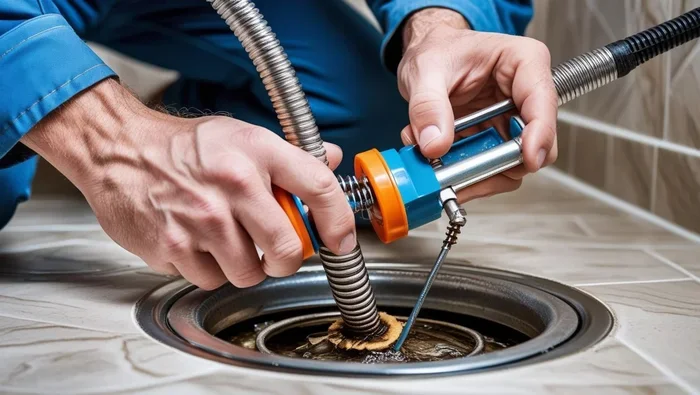
Quick and Easy Ways to Unclog a Shower Drain Without Tools
Unclogging a shower drain without tools is simpler than you think. You can use common household items like baking soda, vinegar, and hot water to clear most blockages fast. This guide covers the best natural methods to remove buildup and keep your drain flowing smoothly.
Dealing with a slow or completely blocked shower drain is one of those annoying problems that nobody wants to deal with. Water pools around your feet, the smell gets worse, and you start wondering if you need to call a plumber right away. The good news is that you do not always need fancy equipment or special tools to fix the problem. You can unclog a shower drain without tools using items you probably already have in your kitchen or bathroom.
This guide walks you through every practical method you can try right now. We cover natural remedies, household hacks, and simple preventive steps that keep your drain clear for good. Whether you are dealing with a minor slowdown or a total blockage, you will find a solution that works. Let us dive in and get your shower draining freely again.
## Why Do Shower Drains Get Clogged?
Understanding what causes a clog helps you prevent future blockages. Most shower drain problems come from a few common culprits that build up over time. Once you know the source, fixing the problem becomes much easier.
### Hair and Soap Scum Buildup
Hair is the number one cause of shower drain clogs. Every time you shower, strands wash down and get caught on the inside of your pipes. Over weeks and months, hair tangles with soap scum and forms a thick mat that blocks water flow. This combination of hair buildup and soap residue creates a stubborn clog that gets worse with every shower.
Soap scum is another major factor. When soap mixes with hard water, it leaves behind a sticky film that coats your pipe walls. This film catches debris and slowly narrows the opening of your drain. Eventually, water drains very slowly or not at all. This type of drain blockage is extremely common in households that use bar soap.
### Hard Water Deposits
If you live in an area with hard water, mineral deposits can slowly accumulate inside your pipes. Calcium and magnesium in the water create a chalky buildup that restricts water flow. Over time, this hard water buildup combines with hair and soap scum to create a serious clog. Hard water deposits are especially problematic because they build up on the walls of your pipes, not just at the drain opening.
## Natural Methods to Unclog a Shower Drain
Natural methods are safe, affordable, and work surprisingly well for most clogs. You do not need harsh chemicals that can damage your pipes or harm the environment. These home remedies use ingredients you already have in your pantry.
### The Baking Soda and Vinegar Method
This is the most popular and effective natural drain cleaning method. Here is exactly how to do it.
First, pour one cup of baking soda directly into the drain opening. Try to get as much down the drain as possible. Next, slowly pour one cup of white vinegar into the drain. The mixture will fizz and bubble, which is exactly what you want. This chemical reaction helps break up the clog from the inside.
Let the mixture sit for at least thirty minutes. For best results, leave it overnight. Then, flush the drain with a full kettle of boiling water. The hot water washes away the loosened debris and clears your pipes. You can repeat this process if the drain is still slow.
This method works great for mild to moderate clogs caused by soap scum and light hair buildup. It is a safe, non-toxic way to handle clog removal without resorting to chemical drain cleaners.
### Hot Water Flush
Sometimes a simple hot water flush is all you need. Boil a full kettle of water and pour it slowly down the drain in two or three stages. Wait a few seconds between each pour. The heat helps dissolve grease, soap scum, and other buildup inside your pipes.
This method is best for minor clogs or as a regular maintenance step. Pouring hot water down your drain once a week can prevent buildup from forming in the first place. It is one of the simplest forms of plumbing maintenance you can do at home.
### Salt and Baking Soda Mix
For a stronger natural cleaning solution, try combining salt and baking soda. Mix half a cup of coarse salt with half a cup of baking soda. Pour the mixture down the drain and let it sit for fifteen to twenty minutes. Then flush with boiling water.
The salt acts as a mild abrasive that helps scrub away buildup inside the pipes. This combination works well for drain cleaning and is especially effective against soap scum deposits. You can use this method once a month to keep your drain flowing freely.
## Using Household Items to Clear the Drain
When natural methods do not fully clear the clog, you can turn to common household items. These tools are not traditional plumbing tools, but they work surprisingly well for DIY drain fix situations.
### The Wire Hanger Method
Take a standard wire coat hanger and straighten it out as much as possible. Bend one end into a small hook using pliers or your hands. Insert the hooked end into the drain and gently fish around for hair and debris.
Pull out whatever you can reach. You will be surprised how much gunk comes out of the drain this way. This method works best when the clog is near the surface, right at the drain opening. It is a great first step before trying any liquid solutions.
Make sure you push the wire gently to avoid scratching the inside of your pipes. Go slow and feel around for the blockage. This is a simple but effective way to handle clog removal without any special equipment.
### The Plunger Alternative
If you have a standard cup plunger, you can use it on a shower drain even though it is not the typical tool for this job. Fill the shower floor with just enough water to cover the plunger cup. Place the plunger over the drain opening and pump it up and down vigorously.
The suction and pressure created by plunging can dislodge many types of clogs. It works especially well for clogs caused by hair clumps and soap buildup. Plunging is a quick method that often clears a blocked drain in just a few minutes.
### Using a Drain Snake Alternative
You can create a makeshift drain snake using a long, flexible piece of wire or even an old wire clothes hanger. Insert the wire into the drain and twist it slowly as you push it further down. The twisting motion helps grab onto hair and debris deep in the pipe.
This method reaches deeper clogs that surface-level methods cannot fix. It requires a bit more patience but can clear blockages that other methods miss. Just be gentle to avoid damaging your pipes.
## Preventive Tips for Clear Drains
Prevention is always easier than cure when it comes to shower drains. A few simple habits can save you from dealing with clogs again and again.
### Use a Drain Cover
A simple drain cover or hair catcher is one of the best investments you can make for your bathroom. These small mesh screens sit over the drain opening and catch hair before it goes down the pipe. Clean the cover regularly to keep it working effectively.
Drain covers are inexpensive and available at any hardware store. They are one of the easiest forms of preventive care for your plumbing. Using a drain cover can reduce clogs by up to 80 percent.
### Rinse with Hot Water After Each Shower
A quick habit of rinsing your drain with hot water after every shower makes a big difference. The hot water melts any soap scum or grease before it has a chance to build up. This simple step takes only seconds but keeps your pipes clear over time.
### Avoid Pouring Grease Down the Drain
Even in the shower, people sometimes wash greasy products like body oils and lotions down the drain. These substances cool and solidify inside your pipes, creating blockages. Instead, wipe greasy products off with a paper towel and throw them in the trash.
## When to Call a Professional Plumber
Most shower drain clogs can be cleared with the methods described above. However, some situations need professional attention. If you have tried multiple methods and the drain is still clogged, it is time to call a plumber.
Also call a professional if you notice water backing up into other drains in your home. This could indicate a deeper blockage in your main sewer line. A backup in your plumbing should not be ignored because it can cause serious water damage.
Persistent clogs that keep coming back may point to a structural issue with your pipes. A plumber can inspect your system and recommend the right fix. Sometimes, older homes have pipes that have narrowed or corroded over time, which requires professional repair or replacement.
## Common Mistakes to Avoid
### Using Chemical Drain Cleaners Too Often
Chemical drain cleaners can damage your pipes, especially older metal pipes. The harsh chemicals eat away at pipe walls over time, leading to leaks and costly repairs. They also harm the environment and can produce dangerous fumes in your bathroom. Stick to natural methods whenever possible.
### Ignoring Slow Drains
A slow drain is an early warning sign of a developing clog. Many people ignore it and hope it gets better on its own. In reality, a slow drain usually gets worse over time. Addressing a slow drain early with drain cleaning prevents a full blockage later.
### Not Cleaning the Drain Cover Regularly
If you use a drain cover, cleaning it regularly is essential. A clogged cover redirects water and debris back into the drain, making blockages worse. Remove and clean your drain cover at least once a week.
## Expert Insights on Drain Maintenance
Plumbing experts agree that regular maintenance is the best way to keep drains clear. A simple routine of hot water rinses and monthly baking soda treatments can prevent most clogs. Experts also recommend inspecting your drain cover and pipes every few months for early signs of buildup.
According to many professionals, the biggest mistake homeowners make is waiting until a drain is completely blocked before taking action. By that point, the clog has usually hardened and become much harder to remove. Early intervention with simple home remedies saves time, money, and frustration.
Some plumbers also suggest using enzyme-based drain cleaners periodically. These products use natural bacteria to break down organic buildup in pipes. They are safe for all pipe types and environmentally friendly.
## Key Takeaways
Key Takeaways
- Baking soda and vinegar is one of the most effective natural drain cleaners you can use at home.
- Hot water flushing helps dissolve soap scum and grease buildup in your pipes.
- Preventive habits like using drain covers can stop clogs before they start.
- Household items like wire hangers and plungers can work as drain clearing tools.
- Knowing when to call a pro saves time and prevents costly pipe damage.
- Regular maintenance with simple home remedies keeps drains clear long-term.
- Avoiding harsh chemicals protects your pipes and the environment.
## Frequently Asked Questions
Can I use bleach to unclog a shower drain?
Bleach is not very effective against most drain clogs. It does not dissolve hair or soap scum well, and it can damage your pipes over time. Stick to baking soda, vinegar, and hot water for safer and more effective results.
How long should I let baking soda and vinegar sit in the drain?
Thirty minutes is the minimum recommended time. For tougher clogs, leaving the mixture overnight gives it more time to break down the blockage. Always follow up with boiling water to flush everything out.
Is it safe to pour boiling water down PVC pipes?
Boiling water can soften or damage PVC pipes, especially older ones. Let the water cool for a minute or two before pouring it down PVC drains. Hot but not boiling water works just as well and is safer for plastic pipes.
How often should I clean my shower drain?
Cleaning your shower drain once a month is a good rule of thumb. If you have long hair or use a lot of soap products, you may want to clean it every two weeks. Regular cleaning prevents buildup and keeps water flowing freely.
What is the best way to prevent shower drain clogs?
Using a drain cover is the single best preventive step. Combine it with regular hot water rinses and monthly baking soda treatments. These simple habits will keep your drain clear and odor-free for years.
Can a clogged shower drain cause bad smells?
Yes, a clogged drain traps hair, soap scum, and organic matter that begins to decompose. This creates a foul odor that comes up through the drain. Clearing the clog and cleaning the drain with baking soda and vinegar eliminates the smell quickly.
## Conclusion
Unclogging a shower drain without tools is entirely possible with the right approach and common household items. You do not need expensive equipment or harsh chemicals to get the job done. Baking soda, vinegar, hot water, and a simple wire hanger can handle most clogs effectively. The key is to act quickly when you notice a slow drain and to maintain a regular cleaning routine. Prevention through drain covers and periodic hot water rinses saves you from dealing with full blockages down the road.
These methods are safe, affordable, and work well for most shower drain problems. Try them in order from simplest to most involved, and you will likely find a solution that works for you. If the clog persists despite your best efforts, do not hesitate to call a professional plumber. Taking care of your drains today means fewer headaches tomorrow. Start with these tips and keep your shower drain flowing freely all year long.
Frequently Asked Questions
What is how to unclog a shower drain without tools?
how to unclog a shower drain without tools is an important topic with many practical applications.