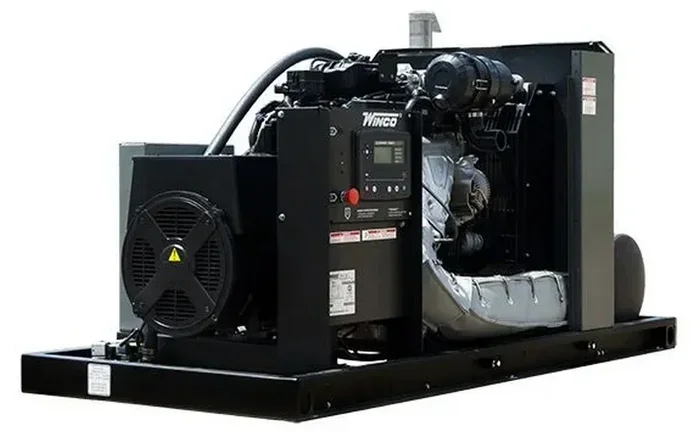
Why a Liquid Cooled Generator Is the Ultimate Choice
A liquid cooled generator uses a coolant system to keep the engine running smoothly, even under heavy load. It offers better heat management, longer lifespan, and quieter operation compared to air cooled models. This guide covers everything you need to know about choosing, using, and maintaining a liquid cooled generator for your home or business.
A liquid cooled generator is one of the most reliable power solutions you can own. Whether you need backup power for your home during a storm or a steady energy source for a construction site, these generators deliver consistent performance. Unlike traditional air cooled models, liquid cooled generators use a radiator and coolant to keep the engine at the right temperature. This simple but effective design makes them stand out in a crowded market.
If you have ever owned a generator, you know how frustrating overheating can be. An engine that gets too hot will shut down, lose power, or even suffer permanent damage. A liquid cooled generator solves this problem. It keeps things running smoothly, even when the demand is high. In this article, we will explore how these generators work, why they are worth your money, and how to pick the right one for your needs.
## How Does a Liquid Cooled Generator Work?
The cooling system in a liquid cooled generator works a lot like the cooling system in your car. A liquid coolant, usually a mix of water and antifreeze, circulates around the engine block. This coolant absorbs heat from the engine and carries it away to a radiator. The radiator then releases that heat into the air, and the cooled liquid flows back to the engine to start the cycle again.
### The Role of the Coolant
The coolant is the lifeblood of the system. It prevents the engine from reaching dangerous temperatures. Without it, the metal parts would expand, warp, and eventually fail. Most manufacturers recommend a 50/50 mix of water and antifreeze. This blend protects the system from both overheating and freezing in cold weather.
### The Radiator and Fan System
The radiator sits at the front of the generator and draws in air as the unit runs. A fan helps push that air through the radiator fins, which speeds up the cooling process. Together, the radiator and fan create a highly efficient heat exchange system. This is what gives a liquid cooled generator its edge over simpler air cooled designs.
### Water Pump and Hoses
A small water pump moves the coolant through hoses that connect the engine to the radiator. These hoses need to be checked regularly for cracks or leaks. A failed hose can cause the coolant to drain out, which leads to overheating. Keeping an eye on these parts is a simple way to avoid big problems.
## Liquid Cooled vs Air Cooled Generator
When shopping for a generator, you will often see two main types: liquid cooled generator models and air cooled models. Both have their place, but they serve very different needs. Understanding the differences will help you make a smart buying decision.
### How Air Cooled Generators Work
Air cooled generators use ambient air to cool the engine. Fins on the engine block increase the surface area, allowing heat to escape more easily. A fan blows air across these fins to keep things cool. This design is simple, lightweight, and affordable. That is why air cooled generators are so popular for small portable units.
### Key Differences at a Glance
Here is a quick look at how the two types compare:
- Cooling Method: Liquid uses coolant and a radiator. Air uses fins and a fan.
- Power Range: Liquid cooled models typically start at 10kW and go up to 150kW or more. Air cooled models are usually under 10kW.
- Noise Level: Liquid cooled generators run quieter. Air cooled models can be quite loud.
- Maintenance: Liquid systems need coolant checks and flushes. Air cooled systems need less maintenance overall.
- Cost: Liquid cooled generators cost more upfront. Air cooled models are budget-friendly.
- Lifespan: Liquid cooled engines last longer because they run cooler and experience less stress.
### When to Choose Each Type
If you need a small generator for camping or tailgating, an air cooled model works fine. But if you want whole-home backup power or industrial-grade performance, a liquid cooled generator is the better choice. The extra cooling power lets these engines run at full capacity for hours without overheating.
## Benefits of a Liquid Cooled Generator
There are many reasons why homeowners and businesses choose a liquid cooled generator over other options. Let us look at the biggest advantages.
### 1. Better Heat Management
The most obvious benefit is superior heat control. The liquid coolant pulls heat away from the engine much faster than air alone. This means the generator can run at full load for longer periods without any risk of overheating. If you live in a hot climate, this feature alone is worth considering.
### 2. Longer Engine Life
Heat is the enemy of any engine. When an engine runs hot, the internal parts wear out faster. Piston rings, cylinder walls, and bearings all degrade more quickly under high temperatures. A liquid cooled generator keeps the engine at a safe operating temperature, which extends its overall lifespan. Many owners report getting 10 to 15 years of service from a well-maintained liquid cooled unit.
### 3. Quieter Operation
Nobody wants a loud generator disturbing the neighborhood. Liquid cooled models tend to run much quieter than their air cooled counterparts. The coolant absorbs a lot of the engine noise, and the enclosed radiator design helps dampen sound further. Some models come with soundproof enclosures that make them almost silent.
### 4. Higher Power Output
Because liquid cooled engines can handle more heat, they can produce more power. This makes them ideal for heavy-duty applications. A liquid cooled generator can easily power your entire home, including air conditioning, kitchen appliances, and electronics. For businesses that need continuous power, these generators deliver the reliability that matters.
### 5. Better Fuel Efficiency
Engines that run at optimal temperatures burn fuel more efficiently. A liquid cooled generator maintains that sweet spot, which means you get more power from every gallon. Over time, this can save you a significant amount of money on fuel costs.
### 6. More Resale Value
If you ever decide to sell your generator, a liquid cooled model will hold its value better. Buyers know that these units last longer and perform better. The added durability and features make them a strong selling point.
## Common Applications for Liquid Cooled Generators
Where do you actually need a liquid cooled generator? The answer is almost anywhere you need reliable, high-powered backup or primary energy.
### Home Backup Power
Power outages can last for hours or even days. A liquid cooled generator keeps your home running smoothly. It can power your HVAC system, refrigerator, lights, and security system all at the same time. For families in areas prone to storms or wildfires, this is a must-have.
### Commercial and Industrial Use
Businesses cannot afford to lose power. A liquid cooled generator provides the steady, high-output energy that offices, hospitals, and warehouses need. Construction sites also rely on these generators to run heavy equipment like saws, compressors, and welders.
### Agriculture and Farming
Farms need power for irrigation systems, milking machines, and climate-controlled barns. A liquid cooled generator handles these demands without breaking a sweat. Many farmers prefer them because they can run all day without overheating.
### Event and Recreation Use
Large outdoor events like concerts, festivals, and fairs need reliable power. A liquid cooled generator delivers the wattage needed to run sound systems, lighting rigs, and food vendors. RV owners also use them for a quiet, efficient power source on the road.
## How to Choose the Right Liquid Cooled Generator
Picking the perfect liquid cooled generator takes a bit of research. Here are the key factors to consider.
### Determine Your Power Needs
Start by making a list of the appliances and devices you want to run during an outage. Add up their wattage. Then add a 20% buffer for starting surges. This will tell you the minimum power output you need. If you are unsure, check out what a 13000 watt generator can run to get a better sense of sizing.
### Consider the Fuel Type
Liquid cooled generators come in several fuel options:
- Diesel: Great for heavy-duty and industrial use. Diesel burns clean and lasts a long time in storage.
- Propane: A clean-burning fuel that is easy to store. Propane generators produce fewer emissions.
- Natural Gas: Convenient if you already have a gas line. These generators can run indefinitely as long as fuel is supplied.
- Dual Fuel: These units can run on two fuel types, giving you flexibility.
### Check the Noise Level
Look for a generator with a decibel rating that suits your needs. For residential use, aim for something under 65 dB. Many liquid cooled models come with soundproof cabinets that keep noise to a minimum.
### Maintenance Requirements
A liquid cooled generator does need more care than an air cooled model. You will need to check the coolant level regularly, inspect hoses for leaks, and flush the system at least once a year. If you are willing to put in this effort, your generator will reward you with years of reliable service.
### Budget Considerations
Liquid cooled generators cost more than air cooled models, but they deliver better value in the long run. Expect to pay anywhere from $2,000 for a small residential unit to $15,000 or more for a large industrial model. The price depends on the power output, fuel type, and brand.
### Brand Reputation and Warranty
Always buy from a reputable manufacturer. Look for brands that offer solid warranties and have good customer support. A strong warranty gives you peace of mind and protects your investment.
## Maintenance Tips for Your Liquid Cooled Generator
Keeping your liquid cooled generator in top shape is not hard. A little regular care goes a long way.
### Check Coolant Levels Monthly
Open the coolant reservoir and check the level once a month. If it is low, top it off with the recommended mix. Never open the radiator cap when the engine is hot.
### Flush the Coolant System Annually
Over time, coolant can become dirty or lose its effectiveness. Flushing the system and replacing the coolant once a year keeps everything running smoothly.
### Inspect Hoses and Connections
Look for cracks, bulges, or leaks in the hoses. Tighten any loose connections. A small leak today can become a big problem tomorrow.
### Change the Oil Regularly
Just like any engine, your generator needs regular oil changes. Check the oil level before each use and change it according to the manufacturer’s schedule.
### Keep the Radiator Clean
Debris like leaves, dirt, and dust can block airflow to the radiator. Clean the radiator fins regularly with a soft brush or compressed air. Good airflow is essential for proper cooling.
## Expert Insights
Industry experts agree that a liquid cooled generator is the best choice for anyone who needs serious, reliable power. According to many professionals, the cooling system is the single most important factor in generator longevity. A well-maintained liquid cooled engine can outlast an air cooled engine by several years.
Maintenance experts also stress the importance of using the right coolant. Not all coolants are the same. Always use the type recommended by the manufacturer. Using the wrong coolant can cause corrosion and reduce the effectiveness of the cooling system.
## Final Thoughts
A liquid cooled generator is a smart investment for anyone who values reliability, power, and longevity. The cooling system keeps the engine running at the perfect temperature, which means fewer breakdowns and a longer lifespan. Whether you need backup power for your home or a steady energy source for your business, these generators deliver where it counts.
Take the time to research your options, pick the right size and fuel type, and commit to regular maintenance. A good liquid cooled generator will serve you well for many years to come. If you want to explore more tools and generators, you can also check out a random generator for fun ideas or browse a free keyword generator software to find the best deals online. The power is in your hands, and a liquid cooled generator puts you in control.
Key Takeaways
- Superior Cooling: Liquid cooled generators handle heat more effectively than air cooled models, preventing overheating during extended use.
- Longer Engine Life: The cooling system reduces wear and tear, helping your generator last for many years.
- Quieter Operation: Liquid cooling systems produce less noise, making them ideal for residential areas.
- Higher Power Output: These generators are perfect for heavy-duty applications and whole-home backup power.
- More Maintenance Required: You need to check coolant levels and flush the system periodically.
- Worth the Investment: The upfront cost is higher, but the long-term benefits make it a smart choice.
Frequently Asked Questions
What is the main difference between a liquid cooled and air cooled generator?
A liquid cooled generator uses a coolant and radiator system to manage engine heat, while an air cooled generator relies on fins and a fan. Liquid cooled models handle higher loads and run quieter, making them better for heavy-duty and residential use.
How often should I check the coolant in my liquid cooled generator?
You should check the coolant level at least once a month. It is also a good idea to flush the entire cooling system and replace the coolant once a year to keep everything running smoothly.
Can I use a liquid cooled generator indoors?
No, you should never run any generator indoors. Generators produce carbon monoxide, which is deadly. Always place your liquid cooled generator outside in a well-ventilated area, away from windows and doors.
Are liquid cooled generators worth the extra cost?
Yes, they are worth it for most users who need higher power output and longer engine life. The upfront cost is higher, but the durability, quieter operation, and better fuel efficiency make them a smart long-term investment.
How long does a liquid cooled generator last?
With proper maintenance, a liquid cooled generator can last 10 to 15 years or more. Regular oil changes, coolant flushes, and hose inspections all contribute to a longer lifespan.
What fuel type is best for a liquid cooled generator?
It depends on your needs. Diesel is great for heavy-duty use, propane burns clean and stores well, and natural gas is convenient if you have a gas line. Dual fuel models offer flexibility if you are not sure which fuel to choose.
=== CONCLUSION ===
A liquid cooled generator is truly the ultimate choice for reliable, powerful, and long-lasting energy. From superior heat management to quieter operation and higher power output, the benefits are clear. Whether you are protecting your home from outages or keeping your business running, these generators deliver where it matters most. Invest in the right model, maintain it well, and you will enjoy dependable power for years to come.