Pag Compressor Oil Everything You Need For Top Performance
PAG compressor oil is a synthetic lubricant made from polyalkylene glycol that keeps your compressor running at peak performance. It offers superior refrigerant compatibility, excellent lubricant protection, and reliable operation across a wide temperature range. Whether you maintain an automotive AC compressor or a commercial refrigeration unit, choosing the right PAG compressor oil is essential for longevity and efficiency.
Key Takeaways
- PAG compressor oil is a synthetic lubricant made from polyalkylene glycol, designed for modern refrigeration and AC compressor systems.
- It offers superior compatibility with R-134a and R-1234yf refrigerants, making it the standard choice for automotive and commercial applications.
- PAG oil comes in different viscosity grades like PAG 46, PAG 100, and PAG 150, each suited for specific compressor types and operating conditions.
- Never mix PAG oil with mineral oil or POE oil, as this can cause lubricant degradation and compressor damage.
- Moisture control is critical because PAG oil is hygroscopic and can absorb water from the air, leading to system contamination.
- Always follow manufacturer specifications for oil type, viscosity, and oil charge to ensure optimal compressor efficiency and longevity.
- Regular oil changes every two to three years help maintain lubricant performance and prevent costly compressor failures.
📑 Table of Contents
What Is PAG Compressor Oil and Why It Matters
PAG compressor oil is a synthetic lubricant made from polyalkylene glycol. It is one of the most widely used oils in refrigeration and air conditioning systems today. If you work with compressors, you have probably heard about this oil. But do you really know what it does and why it matters so much?
The short answer is that PAG oil keeps your compressor running smoothly. It reduces friction between moving parts. It also helps with heat dissipation. Without the right lubricant, your compressor can overheat. It can also suffer from premature wear and tear. That is why understanding PAG compressor oil is so important for anyone who owns or maintains a compressor system.
Many people wonder what makes PAG oil different from other compressor oils. The answer lies in its chemical makeup. Polyalkylene glycol is a synthetic base stock. It offers excellent refrigerant compatibility. This is especially true for R-134a and R-1234yf. These refrigerants are common in automotive AC systems and commercial refrigeration. PAG compressor lubricant has become the industry standard because it simply works better with modern systems than older alternatives.
Using the wrong oil can cause serious problems. It can lead to compressor overheating and eventual failure. It can also reduce overall system efficiency. That is why this guide exists. Whether you are a DIY enthusiast or a professional technician, you will find everything you need to know about PAG compressor oil right here. Let us dive in and explore this essential topic in detail.
How PAG Oil Works Inside a Compressor
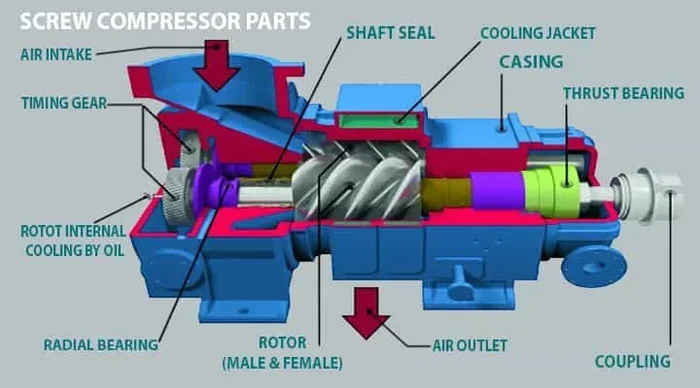
Inside a compressor, moving parts rub against each other constantly. The piston, rotor, and bearings all need proper lubrication. PAG oil creates a thin protective film between these surfaces. This film reduces friction and prevents metal-to-metal contact. The result is smoother operation and less heat generation.
But PAG oil does more than just lubricate. It also carries heat away from hot components. It helps seal gaps between moving parts. And it protects against corrosion inside the system. All of these functions work together to extend compressor life and improve compressor efficiency.
The oil circulates through the system along with the refrigerant. It returns to the compressor after passing through the evaporator and other components. This cycle repeats continuously. That is why oil circulation and PAG oil compatibility with the refrigerant are so critical. If the oil does not return properly, the compressor can run dry and fail.
Why PAG Compressor Oil Is So Popular
PAG oil has become the go-to choice for many applications. Its popularity comes from several key advantages. First, it mixes well with modern refrigerants. Second, it has excellent thermal stability. Third, it operates well across a wide temperature range. These qualities make it ideal for both automotive and industrial use.
Automotive manufacturers started using PAG oil in the 1990s. They switched away from mineral oils. The reason was simple. PAG oil worked better with R-134a refrigerant. Since then, it has become the standard for automotive AC systems. Today, you will find PAG compressor lubricant in cars, trucks, and SUVs around the world. It has proven itself reliable over decades of real-world use.
Types of PAG Compressor Oil Available
Not all PAG compressor oil is the same. There are several types, each designed for specific applications. Choosing the right one is essential for performance and longevity. Let us break down the main categories.
PAG Oil by Viscosity Grade
PAG oils come in different viscosity grades. The most common ones are PAG 46, PAG 100, and PAG 150. Viscosity refers to how thick or thin the oil is at different temperatures. Think of it like the thickness of cooking oil. Some oils flow easily, while others are thicker and slower.
PAG 46 is the most popular choice. It works well in many automotive AC compressors. It provides good lubrication without being too thick. PAG 100 is thicker and is often used in larger stationary systems. PAG 150 is even thicker and suits high-temperature applications where the compressor runs hot.
Always check your compressor manual before choosing a viscosity. Using the wrong grade can affect your oil return rate. It can also impact overall compressor efficiency. When in doubt, stick with what the manufacturer recommends.
PAG Oil by OEM Specification
Many compressor manufacturers produce their own PAG oil formulations. These oils are designed to meet specific requirements. For example, Denso, Sanden, and Panasonic all have their own PAG oil specifications. Each formulation is tested to work perfectly with specific compressor designs.
OEM-spec oils ensure perfect PAG oil compatibility. They are tested under real operating conditions. Using a generic PAG oil may work in some cases. But for best results, stick with the manufacturer-recommended oil. It is a small extra cost that can save you from big headaches later.
Low-Noise PAG Oils
Some PAG oils are formulated to reduce compressor noise. These low-noise PAG oils contain special additives. They help dampen vibration and reduce operational sound. This is a nice feature for passenger vehicles where cabin quietness matters.
Nobody wants a noisy AC compressor rattling away in their car. Low-noise PAG oil can make a noticeable difference in comfort. If noise is a concern, look for oils specifically labeled as low-noise or quiet-operation formulations.
PAG Oil vs Mineral Oil: Key Differences
Understanding the difference between PAG oil and mineral oil is crucial. These two lubricants are not interchangeable. Using the wrong one can damage your compressor and void warranties. Let us compare them side by side.
Chemical Composition
Mineral oil is derived from petroleum. It has been used in compressors for decades. It is a natural product that has stood the test of time. PAG oil, on the other hand, is fully synthetic. It is made from polyalkylene glycol compounds in a laboratory setting.
The synthetic nature of PAG oil gives it several advantages. It has better thermal stability. It is more resistant to oxidation and lubricant degradation. And it mixes well with modern refrigerants. Mineral oil simply cannot match these qualities in today’s systems.
Compatibility with Refrigerants
This is where the biggest difference lies. Mineral oil works well with older refrigerants like R-22. But it does not mix well with R-134a or R-1234yf. PAG oil, however, is specifically designed for these newer refrigerants.
Using mineral oil with R-134a can cause poor oil return rate. It can also lead to compressor overheating. The oil may not circulate properly through the system. This can result in lubrication failure and eventual compressor seizure. Always make sure your synthetic compressor oil matches your refrigerant type.
Performance Comparison
Let us look at a quick side-by-side comparison of these two oils to make things clearer.
| Feature | PAG Oil | Mineral Oil |
|---|---|---|
| Refrigerant Compatibility | R-134a, R-1234yf | R-22 (older systems) |
| Thermal Stability | Excellent | Moderate |
| Oxidation Resistance | High | Lower |
| Viscosity Range | 46, 100, 150 | Limited grades |
| Moisture Tolerance | Lower | Higher |
| Typical Application | Modern AC systems | Older R-22 systems |
| Price Range | Moderate to high | Low |
| Oil Return Performance | Excellent | Good in old systems |
As you can see, PAG compressor oil has clear advantages in modern systems. However, it does have one weakness. PAG oil is more sensitive to moisture than mineral oil. This is an important factor to keep in mind during maintenance and storage. Always store PAG oil containers sealed tightly to prevent moisture absorption.
Benefits of Using PAG Compressor Oil
Why should you choose PAG compressor oil for your compressor? There are many compelling reasons. Let us explore the key benefits in detail.
Excellent Lubrication Under High Pressure
Compressors operate under extreme conditions. They face high pressure and high temperatures on a daily basis. PAG oil maintains its lubricating properties even in these harsh conditions. This means less wear on internal components like pistons, bearings, and cylinder walls.
Better lubrication translates directly to longer compressor life. You will not need to replace your compressor as often. Over time, this saves you significant money on repairs and replacements. For anyone managing a fleet of vehicles or a commercial refrigeration setup, the cost savings add up quickly.
Improved Energy Efficiency
PAG oil has a low friction coefficient. This means the compressor does not work as hard to move internal parts. The result is improved compressor efficiency and lower energy consumption.
A more efficient compressor uses less electricity. This is great for both home and commercial applications. Lower energy bills are always a welcome benefit. In commercial settings, the savings can be substantial over the life of the equipment.
Better Compatibility with Modern Refrigerants
As refrigerants have evolved, so have the oils that work with them. PAG compressor oil is designed for today’s refrigerants. It mixes well and circulates properly through the system. This compatibility ensures reliable performance season after season.
This compatibility also helps maintain the correct oil return rate. When oil returns to the compressor efficiently, lubrication is consistent throughout the system. You avoid hot spots and dry areas that can cause damage over time.
Reduced Wear and Tear
PAG oil contains anti-wear additives. These additives protect metal surfaces from damage. They form a protective layer on bearings, cylinder walls, and other critical surfaces. Over time, this protection adds up significantly.
Your compressor will experience less friction-related damage. The result is smoother operation and fewer unexpected breakdowns. For automotive AC compressor applications, this means a more reliable cooling system that keeps you comfortable on hot days.
Wide Operating Temperature Range
PAG oil performs well in both hot and cold conditions. It maintains its viscosity across a broad temperature range. This makes it suitable for various climates and applications. Whether you live in a hot desert or a cold northern climate, PAG compressor oil will do the job effectively.
It remains effective in temperatures ranging from -40 to over 150 degrees Fahrenheit. This wide range is one reason why PAG oil has become so popular in automotive applications. Cars face extreme temperature swings, and PAG oil handles them all with ease.
Quick Tips for Getting the Most from PAG Oil
- Always check the PAG oil specifications before purchasing to ensure they match your compressor model.
- Use a clean, dedicated measuring tool for each system to prevent cross-contamination.
- Keep PAG oil containers sealed and stored in a cool, dry location away from direct sunlight.
- Replace the desiccant dryer whenever you change the oil to maintain system dryness.
- Label every container clearly with the oil type and date of purchase to avoid mix-ups.
How to Choose the Right PAG Compressor Oil
Selecting the right PAG compressor oil does not have to be confusing. A few simple steps will guide you to the correct choice every time.
Check Your Compressor Manual First
The first step is always to consult the manufacturer’s manual. The manual will specify the exact PAG oil type and viscosity required. Following these recommendations is the safest and most reliable approach.
If you no longer have the physical manual, look for a digital copy online. Most manufacturers provide PDF versions of their service manuals. You can also contact the manufacturer directly for guidance. Taking this small step can save you from costly mistakes.
Match the Oil to Your Refrigerant Type
Different refrigerants require different oils. Make sure your PAG compressor oil is compatible with the refrigerant in your system. Using the wrong combination can cause serious problems including poor cooling and compressor damage.
For R-134a systems, standard PAG oil usually works well. For R-1234yf systems, you may need a specific PAG formulation. Always double-check before you purchase. When in doubt, ask a professional or contact the compressor manufacturer directly.
Consider Your Operating Conditions
Think about where and how your compressor operates. Is it in a high-temperature environment? Does it run continuously for long hours? These factors affect oil performance and longevity.
For high-temperature applications, choose a PAG oil with higher thermal stability. For systems that cycle frequently, consider an oil with good oxidation resistance. Matching the oil to the operating conditions ensures the best possible compressor maintenance outcomes.
Buy from Reputable Sources
Not all PAG compressor oils are created equal. Counterfeit or low-quality oils can damage your system and void warranties. Always purchase from reputable suppliers and authorized dealers.
Look for oils that come with certification labels. These certifications confirm the oil meets industry standards. It is worth paying a bit more for genuine, quality products. Cheap oil today can mean expensive repairs tomorrow.
Common Mistakes and How to Avoid Them
Even experienced technicians sometimes make mistakes with PAG compressor oil. Being aware of these errors can save you time, money, and headaches. Let us look at the most common pitfalls.
Mixing PAG Oil with Other Oil Types
One of the biggest mistakes is mixing PAG oil with mineral oil or POE oil. These oils do not blend well together. Mixing them can cause the oil to break down and lose its lubricating properties. The result can be catastrophic for your compressor.
Always drain the old oil completely before adding new PAG compressor oil. If you are unsure how much oil is in the system, use an oil recovery machine. This ensures a clean slate for the new oil. Clean systems perform better and last longer.
Overfilling the System with Oil
Adding too much oil is another common error. Excess oil can reduce system efficiency significantly. It can also prevent proper refrigerant circulation through the system. The compressor has to work harder, which leads to increased energy consumption and potential overheating.
Always measure the oil carefully. Follow the manufacturer’s recommended oil charge exactly. If you are not sure, it is better to add less and top up later. You can always add more, but removing excess oil is much harder.
Ignoring Moisture Contamination
PAG oil is hygroscopic, meaning it absorbs moisture from the air. This is both a strength and a weakness. Moisture in the system can cause acid formation over time. This acid can corrode internal components and clog expansion valves.
Always keep PAG oil containers sealed tightly when not in use. Change desiccant dryers regularly as part of your compressor maintenance routine. If you suspect moisture contamination, have the system flushed and dried thoroughly before adding new oil. Prevention is always better than cure.
Skipping Regular Oil Changes
PAG compressor oil degrades over time. It loses its lubricating properties as it ages and accumulates contaminants. Skipping oil changes can lead to increased wear and eventual compressor failure. Do not wait until something goes wrong.
Follow the recommended oil change intervals for your system. For most applications, this means changing the oil every two to three years. Heavy-use systems may need more frequent changes. Regular oil changes are one of the easiest ways to protect your investment.
Using the Wrong Viscosity Grade
Using PAG 100 oil when the system requires PAG 46 can cause real problems. The thicker oil may not circulate properly through the system. This leads to poor lubrication in critical areas and potential overheating. Always match the viscosity to the system requirements.
Do not guess or substitute viscosity grades. The right viscosity ensures optimal oil circulation and compressor protection. If you are unsure, consult the manual or reach out to the manufacturer for clarification.
Expert Insights
According to HVAC industry professionals, the single most important factor in PAG oil selection is compatibility. Always verify that the oil matches both the compressor model and the refrigerant type. Taking a few extra minutes to confirm specifications can prevent costly repairs down the road. Experienced technicians also recommend keeping a log of every oil change, including the date, oil type, and viscosity used. This simple habit makes future maintenance much easier and helps track the health of your compressor over time.
Common Mistakes at a Glance
- Mixing PAG oil with mineral or POE oils
- Overfilling the system beyond the recommended oil charge
- Ignoring moisture contamination and not replacing desiccant dryers
- Skipping scheduled oil changes
- Using the wrong viscosity grade for your application
- Buying low-quality or uncertified PAG compressor oil
Conclusion
PAG compressor oil plays a vital role in keeping your compressor running at its best. From providing excellent lubrication to improving energy efficiency, the benefits are clear and well-documented. Whether you maintain an automotive AC compressor or a large commercial refrigeration system, choosing the right PAG oil makes all the difference.
Remember to always check your manufacturer’s specifications. Match your oil to the correct refrigerant. Avoid common mistakes like mixing oil types or ignoring moisture contamination. With proper compressor maintenance and the right PAG compressor oil, your system will deliver reliable performance for years to come.
Take the time to understand your compressor’s needs. Invest in quality PAG oil from reputable sources. And do not skip regular oil changes. These simple steps will protect your compressor, improve efficiency, and save you money in the long run. Your compressor works hard for you. Give it the synthetic compressor oil it deserves.
Frequently Asked Questions
What is PAG compressor oil used for?
PAG compressor oil is a synthetic lubricant used in modern refrigeration and air conditioning systems. It works especially well with R-134a and R-1234yf refrigerants found in automotive AC and commercial cooling systems. Its main job is to lubricate moving parts inside the compressor while also helping with heat dissipation and system sealing.
Can I use PAG oil instead of mineral oil?
No, PAG oil and mineral oil are not interchangeable. They have different chemical compositions and refrigerant compatibility. PAG oil is designed for modern refrigerants like R-134a, while mineral oil works with older R-22 systems. Always use the oil type specified by your compressor manufacturer to avoid damage and ensure proper lubrication.
How often should I change PAG compressor oil?
For most systems, PAG compressor oil should be changed every two to three years. Heavy-use systems or those operating in extreme conditions may need more frequent changes. Always refer to your compressor manual for the manufacturer’s recommended oil change interval. Regular oil changes help maintain compressor efficiency and prevent premature wear.
What happens if I mix PAG oil with POE oil?
Mixing PAG oil with POE oil can cause the lubricant to break down and lose its protective properties. The mixture may not circulate properly through the system, leading to poor lubrication and potential compressor overheating. If contamination occurs, the entire system should be flushed thoroughly and refilled with the correct oil type.
Is PAG compressor oil flammable?
PAG oil is not highly flammable under normal operating conditions. However, like any lubricant, it should be stored away from direct heat sources and open flames. Always follow proper storage guidelines and keep containers sealed tightly. In the event of a fire, use appropriate extinguishing methods as recommended by safety data sheets.
What is the difference between PAG 46, PAG 100, and PAG 150?
The numbers refer to the viscosity grade of the PAG oil. PAG 46 is the most common and works well for many automotive AC compressors. PAG 100 is thicker and suited for larger systems. PAG 150 is the thickest and ideal for high-temperature applications. Always use the viscosity grade specified by your compressor manufacturer for the best performance and protection.