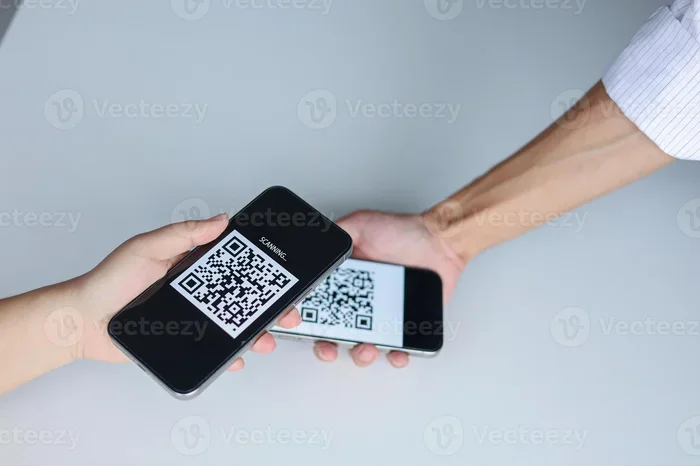
Free QR Code Generator to Create Custom Codes Online
A free qr-code-generator lets you create custom codes online without any cost or registration. Whether you need a code for your business, event, or personal use, the right tool makes it simple and fast. You can design branded codes, track scans, and download high-resolution files in minutes. This guide walks you through everything you need to know about choosing and using a qr-code-generator effectively.
A qr-code-generator is one of the simplest yet most powerful tools you can use online today. Whether you run a small business, manage an event, or just want to share your Wi-Fi password with guests, a custom QR code makes life easier for everyone involved.
The best part? You do not need to be a tech expert. Free qr-code-generator platforms let you design, customize, and download professional codes in just a few minutes. No software to install. No credit card required. Just open a browser and start creating.
In this guide, we will cover everything you need to know. From understanding how QR codes work to picking the right qr-code-generator for your needs, we have you covered. By the end, you will know exactly how to create codes that look great and perform even better.
Key Takeaways
- Free tools are widely available: You can create professional QR codes without paying a single dollar.
- Customization adds value: Logos, colors, and branded designs make your codes stand out and build trust.
- Two main types exist: Static codes link to fixed content, while dynamic codes allow you to update the destination later.
- Scanning is effortless: Most smartphones can read QR codes instantly using the built-in camera.
- Analytics matter: A good qr-code-generator tracks how many people scan your codes and where they are located.
- Use cases are endless: From marketing campaigns to inventory tracking, QR codes solve real business problems.
📑 Table of Contents
What Is a QR Code and How Does It Work
A QR code is a two-dimensional barcode that stores information in a grid of black and white squares. When someone scans the code with their phone camera, the device reads the pattern and directs them to a website, file, or piece of text. The technology has been around since 1994, but it has exploded in popularity over the last decade.
Here is how simple it is to use a qr-code-generator:
- You enter the content you want to encode (a URL, text, email, or phone number).
- The qr-code-generator creates a unique pattern of squares.
- You download the image and place it wherever you need it.
- Someone scans the code with their smartphone and gets instant access.
That is really all there is to it. The qr-code-generator does all the heavy lifting behind the scenes. You do not need to understand the technical math behind the patterns. You just provide the content and let the tool handle the rest.
Static vs Dynamic QR Codes
Not all QR codes are the same. Understanding the difference between static and dynamic codes is important when you choose a qr-code-generator.
Static QR codes contain fixed information that cannot be changed after the code is created. If you encode a website URL, that URL stays the same forever. Static codes are great for simple tasks like sharing a contact card or linking to a menu. They are also typically free to generate.
Dynamic QR codes are more flexible. They use a short redirect link that you can update at any time. For example, you could create a code today that links to your summer sale page, and then change it in December to link to your holiday promotion. The code image stays the same, but the destination changes. Most qr-code-generator platforms offer dynamic codes as a premium feature.
Why You Should Use a Free QR Code Generator
You might wonder why you need a dedicated tool when plenty of phone apps can create QR codes. The truth is, a web-based qr-code-generator gives you far more control and better results. Here is why free online tools are worth your time.
First, they cost nothing. Many high-quality qr-code-generator platforms let you create unlimited codes at no charge. You do not need to sign up or provide payment details. Just visit the site, enter your data, and download your code.
Second, they offer better customization. Free online tools let you change colors, add logos, adjust the shape of the code, and pick different error correction levels. These features help your codes look professional instead of generic. A well-designed qr-code-generator output blends seamlessly into your brand materials.
Third, they give you download options. You can export your codes as PNG, SVG, or PDF files. Vector formats like SVG are perfect for printing because they stay sharp at any size. This matters a lot if you are putting codes on posters, banners, or product packaging.
Fourth, many tools include analytics. You can see how many times your code was scanned, what devices people used, and where the scans happened. This data helps you measure the success of your campaigns. A good qr-code-generator turns a simple image into a marketing asset.
Who Can Benefit From Using a QR Code Generator
Almost anyone can use a qr-code-generator. Here are some common use cases:
- Small business owners who want to connect customers to their website or social media profiles.
- Event organizers who need quick-access codes for tickets, schedules, or venue maps.
- Restaurant owners who want to replace physical menus with digital versions.
- Marketers who use codes in print ads, billboards, and flyers to drive traffic online.
- Educators who share resources, assignments, or reading lists with students.
- Retailers who track inventory or link products to detailed descriptions and reviews.
The possibilities are truly endless. If you have content you want to share quickly and easily, a qr-code-generator is the answer.
How to Choose the Right QR Code Generator
Not all qr-code-generator platforms are created equal. Some are basic and functional, while others offer advanced features that make your codes more useful. Here is what to look for when picking a tool.
Ease of Use
The best qr-code-generator tools are simple enough that anyone can use them. You should be able to create your first code in under a minute. Look for a clean interface with clear labels and straightforward options. If a platform feels confusing, keep looking. Plenty of user-friendly alternatives exist.
Customization Options
A quality qr-code-generator gives you control over the design. You should be able to:
- Change the foreground and background colors.
- Add your company logo or icon in the center.
- Adjust the shape of the code dots (dots, squares, or rounded).
- Choose different error correction levels for damage resistance.
These features help your codes look branded and professional. They also make codes more scannable because you can adjust the contrast and size to suit different surfaces.
Export Formats
Make sure your chosen qr-code-generator supports multiple file formats. PNG works well for digital use and quick printing. SVG is a vector format that scales without losing quality. PDF is great for sharing designs with printers. Always check what export options are available before you commit to a platform.
Analytics and Tracking
If you are using QR codes for marketing, analytics are essential. A good qr-code-generator tracks scan counts, geographic locations, device types, and scan times. This data tells you whether your codes are working and helps you optimize future campaigns.
Cost and Limits
Many free qr-code-generator tools are generous with their free tiers. You can create dozens or even hundreds of codes without paying. However, some platforms limit dynamic codes, analytics, or high-resolution downloads to paid plans. Evaluate your needs honestly so you do not hit a paywall when you need features most.
Step-by-Step Guide to Creating Your First QR Code
Creating a QR code is easier than you might think. Follow these simple steps with any qr-code-generator and you will have a working code in minutes.
Step 1: Choose Your Content Type
Decide what you want the code to do. Most qr-code-generator tools offer these options:
- URL — Links to a website or landing page.
- Plain Text — Displays text when scanned.
- Email — Opens the user’s email app with a pre-filled address.
- Phone Number — Prompts the user to call a number.
- Wi-Fi — Connects the scanner to a wireless network automatically.
- vCard — Shares contact details like name, phone, and email.
Step 2: Enter Your Data
Fill in the required fields. If you are creating a URL code, paste the full web address. Double-check for typos because even one missing character will break the link. A reliable qr-code-generator will validate your input before creating the code.
Step 3: Customize the Design
Now comes the fun part. Choose your brand colors and add your logo if you have one. Keep the code recognizable by maintaining good contrast between the foreground and background. A qr-code-generator with a live preview lets you see how the code will look before you download it.
Step 4: Test Your Code
Always scan your code with multiple devices before you publish it. Use both an iPhone and an Android phone to make sure it works everywhere. If the code fails to scan, check the contrast ratio and try again. A qr-code-generator that includes a built-in test feature saves you a lot of headaches.
Step 5: Download and Deploy
Download your code in the appropriate format. Use PNG for digital screens and SVG for print materials. Place the code where it is easy to find and scan. Make sure it is large enough to read from a comfortable distance. A qr-code-generator gives you the file, but smart placement makes it actually useful.
Best Practices for QR Code Design and Use
Creating a code is only half the battle. Using it effectively makes all the difference. Follow these proven tips to get the most from your qr-code-generator output.
Keep It Big Enough
Your QR code should be at least 2 by 2 inches for printed materials. If people have to hold their phone uncomfortably close to scan it, the code is too small. A good qr-code-generator lets you set the exact dimensions before you download.
Maintain High Contrast
Black codes on white backgrounds work best. If you use colors, make sure the contrast is strong enough for phone cameras to read the pattern. A qr-code-generator with a contrast checker helps you avoid codes that look pretty but do not scan.
Add a Call to Action
People are more likely to scan a code if they know what will happen. Add a short sentence near the code like “Scan to visit our website” or “Point your camera here.” This small step dramatically increases scan rates.
Place Codes in Accessible Spots
Put your codes where people can easily reach them. On posters, place them at eye level. On product packaging, center the code on the front. Avoid placing codes near busy edges or curved surfaces that can distort the pattern.
Use Dynamic Codes for Campaigns
If you are running a time-sensitive promotion, use a dynamic qr-code-generator code. You can change the destination URL without reprinting the code. This saves money and gives you flexibility to update offers on the fly.
Test Across Devices
Different phones and tablets read QR codes differently. Always test your code on at least three different devices before you distribute it widely. A reliable qr-code-generator will produce codes that work consistently across all modern devices.
Common Mistakes to Avoid
Even with a great qr-code-generator, mistakes can undermine your results. Watch out for these common pitfalls.
- Using low-resolution images. Blurry codes fail to scan. Always download the highest resolution available.
- Ignoring error correction. Codes get damaged in the real world. Choose a higher error correction level if your code will be printed on rough surfaces or exposed to the elements.
- Over-customizing. Removing too many squares from the code pattern breaks its readability. Keep the three large corner squares intact and maintain a healthy border around the code.
- Forgetting to test. Never assume a code works just because the qr-code-generator created it. Always scan it yourself before distributing.
- Not tracking performance. If you are using codes for marketing, analytics tell you what is working. Choose a qr-code-generator that provides scan data.
How QR Codes Connect to Real-World Tools
QR codes are not just for digital marketing. They have practical applications in many industries. For example, some businesses place QR codes on their equipment labels so technicians can quickly access manuals or specifications. Imagine a scenario where a qr-code-generator creates a code that links directly to a detailed guide about a generator setup. A user could scan the code on a generator and instantly pull up instructions for how to wire a generator to a breaker box or learn about what kind of generator do I need for their specific setup. This type of smart integration bridges the gap between physical products and digital information seamlessly.
Similarly, event organizers who rent equipment like generators for outdoor festivals can print QR codes on their signage that link to sizing guides. Attendees could scan a code to learn about how much does a home generator cost or check the what size generator for whole house requirements from their phones while walking the event floor. These real-world connections show how versatile QR codes really are when paired with the right content.
The beauty of using a qr-code-generator in these contexts is that you can update the destination links at any time without reprinting anything. A single printed code can direct users to different resources throughout the year. This flexibility makes QR codes an incredibly cost-effective tool for businesses of all sizes.
Final Thoughts on Using a QR Code Generator
A qr-code-generator is one of the most accessible and useful tools available online today. Whether you are a business owner looking to connect with customers, an educator sharing resources, or simply someone who wants to share Wi-Fi with guests, creating custom codes has never been easier. The best part is that you do not need to spend a dime to get started.
Pick a reliable platform, follow the steps we outlined, and start creating codes that work. Test them, track their performance, and refine your approach over time. With practice, you will find that QR codes become a natural part of how you share information and connect with people.
The digital world moves fast, and tools like a free qr-code-generator help you keep up without any hassle. Start today, experiment with different designs and content types, and watch how these small squares open up big opportunities for your projects and business.
Frequently Asked Questions
Is a free qr-code-generator really safe to use?
Yes, most reputable free qr-code-generator platforms are safe and do not require you to create an account or provide personal information. However, you should always use a trusted site and avoid entering sensitive data into unknown generators. Stick to well-known platforms with positive user reviews.
Can I create QR codes for free without paying anything?
Absolutely. Many free qr-code-generator tools let you create static codes at no cost. Dynamic codes with analytics and tracking may require a paid plan, but basic code creation remains free on most platforms.
What file format should I download from a qr-code-generator?
Use PNG for digital screens and social media posts. Choose SVG if you need a vector file for professional printing. PDF works well for sharing complete designs with a printer. A good qr-code-generator offers all three formats so you can pick the right one for each use case.
How do I make my QR code scannable and reliable?
Keep the code large enough (at least 2 by 2 inches for print), maintain high contrast between the code and background, and do not remove the three corner squares. Always test your code with multiple devices before distributing it. A quality qr-code-generator will guide you through these best practices.
Can I track how many people scan my QR codes?
Yes, if you use a qr-code-generator that offers dynamic codes with analytics. These tools track scan counts, device types, and geographic data. Free plans may offer limited analytics, while paid plans provide more detailed insights into your code performance.
What is the difference between a static and dynamic QR code created by a qr-code-generator?
A static code links to fixed content that cannot be changed after creation. A dynamic code uses a redirect link that you can update to point to a new destination anytime. Dynamic codes also typically include scan tracking, making them better for marketing campaigns and long-term use.


One Comment