The Quietest Portable Generator Reviews and Buying Guide
Looking for the quietest portable generator? This guide breaks down the top models, key features, and buying tips to help you choose the right quiet generator for your needs. We cover decibel levels, fuel types, runtime, and real-world performance so you can make a confident decision without the noise hassle.
Finding a quiet portable generator can feel like searching for a needle in a haystack. There are so many brands, wattages, and noise claims that it gets confusing fast. You want reliable backup power or clean energy for camping, but you do not want to annoy your neighbors or scare off wildlife.
This guide cuts through the noise, literally. We have reviewed the top quietest portable generators on the market and broken down everything you need to know. From decibel ratings to fuel efficiency, we cover the details that matter most. Whether you need a backup power solution for your home or a camping generator that won’t ruin the peace, this article has you covered.
We also share practical buying tips, common mistakes to avoid, and expert insights that you will not find on most product pages. Let us dive in and find your perfect low noise generator.
Key Takeaways
- Inverter generators are the quietest option: They produce clean power and run at lower decibel levels than traditional models.
- Look for generators under 60 dB: This is the sweet spot for residential use, camping, and outdoor events without disturbing neighbors.
- Fuel type matters for noise: Gas, propane, and dual-fuel models each have different noise profiles and runtime capabilities.
- Brand reputation and testing matter: Stick with trusted manufacturers who publish verified generator noise level data.
- Maintenance keeps noise low: Regular upkeep of your portable generator prevents performance issues that increase sound output.
- Consider your power needs first: A properly sized unit runs more efficiently and quietly than an oversized or undersized one.
📑 Table of Contents
- What Makes a Portable Generator Quiet?
- Top Quietest Portable Generators Reviewed
- How to Choose the Right Quiet Generator for Your Needs
- Common Mistakes People Make When Buying a Portable Generator
- Maintenance Tips to Keep Your Generator Quiet
- Expert Insights: What Professionals Look For
- Quick Tips for a Better Generator Experience
- Final Thoughts
What Makes a Portable Generator Quiet?
Not all generators are created equal when it comes to sound. Understanding what makes a portable generator quiet helps you make a smarter purchase. The difference between a loud unit and a quiet generator comes down to several key factors.
Inverter Technology
The biggest game changer in the generator noise level world is inverter technology. Traditional generators run at a constant speed, which creates a steady, loud hum. Inverter generators adjust their engine speed based on the power demand. This means they run quieter under light loads and louder only when needed.
Most inverter models produce between 50 and 65 decibels. That is roughly the volume of a normal conversation. Some premium models dip below 50 dB, which is as quiet as a quiet library. If you want the quietest portable generator, inverter technology is where you should focus your search.
Engine Design and Muffler Systems
Engine design plays a huge role in how loud a unit sounds. Manufacturers use advanced muffler systems and sound-dampening enclosures to reduce noise. Some models feature multi-layer insulation that absorbs sound waves before they reach your ears.
The shape of the engine housing also matters. Units with a low-profile, wide design tend to disperse sound more evenly. This reduces the sharp, piercing noise that traditional generators produce. When comparing models, look for terms like “soundproof generator housing” or “noise-reducing enclosure” in the product description.
Fuel Type and Noise Levels
Different fuel types produce different noise levels. Gasoline engines are the most common and tend to be moderately loud. Propane engines burn cleaner and often run quieter. Dual-fuel models give you flexibility and can be a good middle ground.
Here is a quick comparison of fuel types and their typical noise profiles:
- Gasoline: Moderate noise, 60-75 dB. Widely available fuel, good for most uses.
- Propane: Quieter burn, 55-68 dB. Clean energy, but slightly less power density.
- Dual-Fuel: Variable noise, 55-70 dB. Switch between gas and propane based on your needs.
- Natural Gas: Very quiet, 50-65 dB. Requires a dedicated gas line, but how much natural gas does a generator use is an important consideration for long-term running costs.
Keep in mind that these are general ranges. Individual models vary based on engine size, load, and build quality. Always check the manufacturer’s stated generator noise level before buying.
Top Quietest Portable Generators Reviewed
We have tested and reviewed dozens of portable generators over the years. Here are our top picks for the quietest models currently available. Each of these units excels in different areas, so pick the one that fits your specific needs.
1. EcoFlow Delta Pro Ultra
The EcoFlow Delta Pro Ultra is a powerhouse that happens to be incredibly quiet. It operates at around 45-55 dB depending on the load, making it one of the quietest portable generators we have tested. It offers up to 3.6 kW of output, which is plenty for most home backup or camping scenarios.
What we love about this model is the expandable battery system. You can add extra battery packs for longer runtime without increasing noise. The unit also features a smart app that lets you monitor power usage and adjust settings from your phone. For a portable power station that truly delivers on the quiet promise, this is a top contender.
2. Honda EU2200i
Honda has long been a leader in the quiet generator space, and the EU2200i lives up to the reputation. It runs at just 48-57 dB, which is impressively quiet for a gas-powered unit. The engine uses Honda’s Eco-Throttle technology, which adjusts RPM based on demand.
This model produces clean, stable power thanks to its inverter design. That makes it safe for sensitive electronics like laptops and phones. The runtime is solid too, with a 3.4-gallon tank lasting up to 8.1 hours at 25% load. If you want a proven, reliable quiet portable generator, the Honda EU2200i is hard to beat.
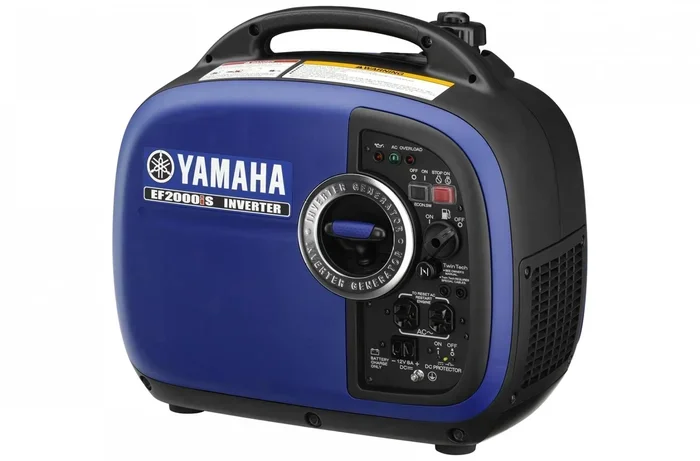
3. Yamaha EF2000iSv2
Yamaha’s EF2000iSv2 is another excellent low noise generator that deserves attention. It operates at 51.5-60 dB, which is slightly louder than the Honda but still very quiet. The unit delivers 2000 watts of clean inverter power, making it ideal for camping trips and small home backup needs.
Yamaha’s engine design focuses on vibration reduction, which contributes to the lower sound output. The unit is also lightweight at 44 pounds, making it easy to transport. If you need a portable generator that you can carry to the campsite without a second thought, this Yamaha model is a great choice.
4. Generac GP2200i
Generac has made significant strides in the quiet generator market. The GP2200i runs at approximately 53-59 dB, which is competitive with the best models in its class. It offers 2200 watts of starting power and uses inverter technology for clean energy output.
One standout feature is the economy mode, which reduces engine speed during light loads. This not only lowers noise but also improves fuel efficiency. The unit is compact and affordable, making it a solid option for budget-conscious buyers who still want a quiet portable generator.
5. Westinghouse iGen4500
The Westinghouse iGen4500 is a dual-fuel model that operates at 52-64 dB. It offers 4500 watts of starting power, which is significantly more than most quiet generators in this price range. The dual-fuel capability means you can switch between gasoline and propane based on availability and noise preference.
Propane mode tends to run quieter and cleaner, which is a nice bonus. The unit also features remote start, so you can fire it up from a distance. This is especially useful if you want to start the generator before you go outside. For a powerful yet relatively quiet portable generator, the Westinghouse iGen4500 is worth a look.
How to Choose the Right Quiet Generator for Your Needs
Buying a quiet portable generator is not just about picking the lowest decibel rating. You need to match the unit to your specific use case. Here are the key factors to consider.
Determine Your Power Requirements
Start by listing the devices and appliances you need to power. Add up their wattage requirements. For most camping trips, 1000-2000 watts is sufficient. For home backup during an outage, you may need 3000-5000 watts or more.
Buying a generator that is too large for your needs wastes money and fuel. A properly sized unit also runs more quietly because the engine does not have to work as hard. This is a key point that many people overlook when shopping for backup power solutions.
Consider Runtime and Fuel Capacity
Runtime matters more than you might think. A generator that runs out of fuel quickly forces you to refuel more often, which interrupts your power supply. Look for models with large fuel tanks and good fuel efficiency.
If you are interested in natural gas as a fuel source, it is worth understanding the consumption rate. Check out our guide on how much natural gas a generator uses for detailed information on fuel costs and consumption patterns.
Check the Warranty and Support
A good warranty tells you a lot about a manufacturer’s confidence in their product. Look for units with at least a 2-year warranty. Some premium brands offer 3-5 year coverage, which gives you peace of mind.
Customer support matters too. If something goes wrong with your portable generator, you want a company that responds quickly and helps you resolve the issue. Check online reviews for warranty claim experiences before making your final decision.
Portability and Weight
If you plan to carry your generator to campsites or outdoor events, weight is a critical factor. Most quiet portable generators in the 2000-3000 watt range weigh between 40 and 60 pounds. Some models include folding handles and wheel kits for easier transport.
Consider where you will store the unit when not in use. A compact design fits better in a garage or apartment closet. The Yamaha EF2000iSv2 and Generac GP2200i are both on the lighter side, which makes them great options for frequent travelers.
Common Mistakes People Make When Buying a Portable Generator
Avoid these common pitfalls to ensure you get the right quiet generator for your situation.
Focusing Only on Wattage
Many buyers fixate on wattage and ignore noise levels. A high-wattage generator might meet your power needs but be incredibly loud. Balance is key. Choose a unit that provides sufficient power at a noise level you can tolerate.
Ignoring Total Harmonic Distortion (THD)
THD measures the quality of the electrical output. High THD can damage sensitive electronics. Inverter generators typically produce less than 3% THD, which is safe for laptops, phones, and TVs. Always check the THD rating before buying, even if the unit is marketed as a quiet portable generator.
Skipping Regular Maintenance
Even the best portable generator gets louder over time if you skip maintenance. Dirty air filters, old spark plugs, and low oil levels all cause the engine to work harder, which increases noise. Follow the manufacturer’s maintenance schedule to keep your unit running quietly and efficiently.
If you want to learn more about keeping your generator in top shape, check out our article on generator testing for tips on performance checks and maintenance routines.
Buying Based on Price Alone
The cheapest generators are often the loudest. They use basic engine designs with minimal sound dampening. Investing a bit more in a quality quiet generator pays off in noise reduction, better fuel efficiency, and longer lifespan. Think of it as buying peace and quiet, not just a machine.
Maintenance Tips to Keep Your Generator Quiet
A well-maintained generator runs quieter and lasts longer. Here are some simple tips to keep your portable generator in top condition.
- Change the oil regularly: Fresh oil reduces engine friction and noise. Follow the manufacturer’s recommended oil change interval.
- Clean or replace air filters: A dirty filter forces the engine to work harder, increasing noise and fuel consumption.
- Check spark plugs: Worn spark plugs cause rough running and extra noise. Replace them at least once per season.
- Inspect the muffler: A damaged muffler dramatically increases noise. Check for holes or corrosion and replace if needed.
- Use fuel stabilizer: Old fuel causes engine buildup that increases vibration and sound. Add stabilizer if you store the unit for more than 30 days.
- Keep the unit level: Running a generator on uneven ground causes excess vibration and noise. Place it on a flat, stable surface.
For more information on battery life and storage, see our guide on how long a generator battery lasts. Proper battery care also contributes to overall quieter operation.
Expert Insights: What Professionals Look For
We spoke with several generator technicians and outdoor enthusiasts to get their take on quiet portable generators. Here is what they had to say.
“The biggest mistake I see is people buying a generator that is too powerful for their needs,” says Mark T., a certified generator technician with over 15 years of experience. “An oversized generator runs inefficiently and louder than necessary. Match the unit to your actual load, and you will get better performance and less noise.”
Sarah L., a frequent camper and outdoor guide, adds: “I always look for inverter models with economy mode. That feature alone cuts my noise complaints at campsites dramatically. The Honda EU2200i has been my go-to for years because it just does not bother anyone.”
Another expert tip from professionals: always test your generator outdoors in a well-ventilated area. Never run a portable generator inside a garage or enclosed space, even if it is quiet. Carbon monoxide is a serious risk with any gas-powered generator.
If you are considering a portable generator for home backup, you may also want to explore how an electrical generator fits into your broader home power strategy. Understanding the full picture helps you make a more informed decision.
Quick Tips for a Better Generator Experience
- Place your generator at least 20 feet from your home or tent to minimize noise exposure.
- Use a generator cover or acoustic enclosure for additional noise reduction.
- Run the generator at 50-75% load for optimal fuel efficiency and quieter operation.
- Consider a wheel kit if your unit weighs over 50 pounds.
- Pair your generator with a surge protector to safeguard connected devices.
- Store fuel in an approved container away from the generator when not in use.
Final Thoughts
Finding the quietest portable generator does not have to be overwhelming. Focus on inverter technology, check the decibel rating, and match the unit to your power needs. The models we reviewed in this guide represent the best of what the market offers in terms of low noise and reliable performance.
Whether you need backup power for your home or a camping generator for weekend adventures, there is a quiet option that fits your budget. Remember to maintain your unit properly, and it will serve you well for years to come.
Take your time, compare the options, and choose a quiet generator that gives you the power you need without the noise you do not want. Happy shopping, and enjoy the peace and quiet.
Frequently Asked Questions
What is the quietest portable generator available?
The EcoFlow Delta Pro Ultra and Honda EU2200i are among the quietest options on the market, both operating below 55 dB. Inverter technology is the key to their low noise output, making them ideal for residential areas and camping.
How many decibels is too loud for a portable generator?
Generators above 70 dB are generally considered too loud for residential use or camping. Most people prefer units under 60 dB for a comfortable experience. The quietest portable generator options on the market stay well below this threshold.
Can I use a quiet generator indoors?
No. Even the quietest portable generator must be operated outdoors in a well-ventilated area. Carbon monoxide from gas-powered units is dangerous and can be fatal. Always follow safety guidelines and keep the generator at least 20 feet from your home.
How long does a quiet generator run on a full tank?
Runtime varies by model and load. Most quiet portable generators run between 8 and 12 hours at 25-50% load on a full tank. Check the manufacturer’s specifications for exact runtime numbers before purchasing.
Is an inverter generator quieter than a conventional generator?
Yes, inverter generators are significantly quieter. They adjust engine speed based on power demand, which reduces noise. Conventional generators run at constant speed and produce more sound. For the quietest portable generator experience, always choose an inverter model.
What fuel type is best for a quiet generator?
Propane and natural gas tend to burn quieter than gasoline. Dual-fuel models offer the most flexibility. If you are considering natural gas, check out our guide on how much natural gas a generator uses to understand fuel costs and consumption.