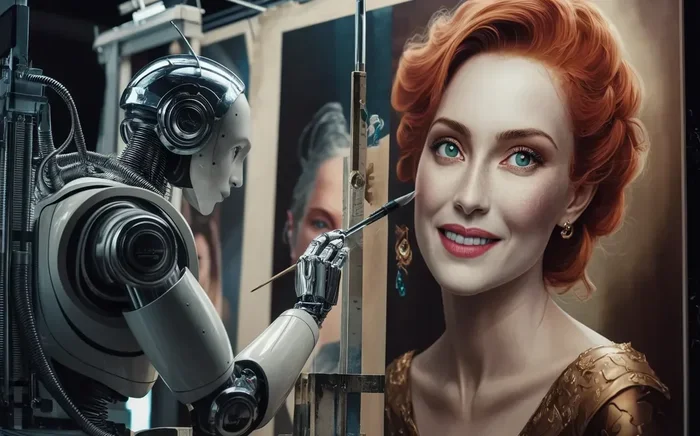
Build Realistic AI Generator Art Like a Professional
A realistic ai generator lets you create hyperrealistic images that look like real photos using artificial intelligence. Whether you are a designer, marketer, or hobbyist, mastering a realistic ai generator opens up endless creative possibilities. This guide covers the best tools, proven techniques, and expert tips to help you produce professional-grade AI art with stunning detail and lifelike textures.
Creating realistic AI generator art has become one of the most exciting developments in digital creativity. You no longer need years of drawing experience or expensive software to produce images that look like they were captured by a professional photographer. A realistic AI generator transforms simple text descriptions into stunning, lifelike visuals in seconds.
If you have ever wondered how to make AI images that look real enough to fool the eye, you are in the right place. This guide walks you through everything you need to know. From understanding the technology behind these tools to mastering the art of prompt writing, you will find practical advice you can use today. Let us dive in and explore how to build realistic AI generator art that stands out.
Key Takeaways
- Realistic AI generators use advanced neural networks to create photorealistic images from text prompts or reference photos.
- The best tools for realistic image generation include Stable Diffusion, Midjourney, DALL·E, and Leonardo AI, each offering unique strengths.
- Prompt engineering and negative prompts play a huge role in achieving lifelike AI-generated artwork with natural lighting and textures.
- Post-processing and upscaling are essential steps to make AI art look truly professional and publication-ready.
- Understanding how generative AI models work helps you troubleshoot common issues and improve output quality consistently.
- Ethical considerations and copyright awareness are important when using realistic AI art in commercial projects.
📑 Table of Contents
What Is a Realistic AI Generator?
A realistic AI generator is a software tool powered by artificial intelligence that creates images mimicking real-world photography or detailed digital art. Unlike basic image editors, these tools use deep learning models trained on millions of images to understand patterns, textures, lighting, and shadows.
The result? AI-generated artwork that looks incredibly lifelike. You can generate portraits, landscapes, product mockups, and even imaginary scenes with a level of detail that was once impossible without a camera and a skilled photographer.
How Does It Differ from Other AI Art Tools?
Not all AI art tools focus on realism. Some are designed for abstract or stylized outputs like cartoons or paintings. A realistic AI generator specifically targets photorealistic or hyperrealistic results. It pays close attention to details like skin pores, fabric textures, reflections, and natural lighting.
Many people also confuse AI image generation with simple filters. Filters just alter existing photos. A realistic ai generator builds images from scratch based on your description. This makes it a powerful tool for creators who need original visual content without hiring a photographer or illustrator.
How Realistic AI Generators Work
Understanding the technology behind realistic AI image generation helps you use these tools more effectively. The process is fascinating and more accessible than you might think.
The Role of Neural Networks
At the heart of every realistic AI generator is a neural network. This is a computer system inspired by the human brain. It learns patterns from vast datasets of real images. Over time, it gets better at predicting what a realistic scene should look like based on your input.
These networks use a process called generative AI. They do not just copy existing images. Instead, they learn the underlying rules of how things look. That is why you can ask a realistic AI generator to create something that does not exist in real life, and it still looks believable.
Diffusion Models Explained Simply
Most modern realistic ai generator platforms use something called a diffusion model. Here is how it works in plain terms:
- The model starts with random noise — like TV static.
- It gradually removes the noise step by step.
- At each step, it uses your text prompt as a guide.
- The final result is a clean, detailed, realistic image.
This process might sound slow, but modern computers and GPUs handle it in seconds. The beauty of diffusion models is that they excel at producing realistic textures and natural gradients that make AI art feel authentic.
Why Prompt Engineering Matters
The words you type into a realistic AI generator matter a lot. Prompt engineering is the skill of crafting descriptions that guide the AI toward the best possible output. A vague prompt gives you a vague image. A detailed prompt gives you something extraordinary.
For example, instead of typing “a dog,” try “a golden retriever sitting on a wooden porch during golden hour, soft sunlight, shallow depth of field, photorealistic.” The second prompt gives the AI art generator much more to work with, resulting in a far more realistic output.
Best Tools for Creating Realistic AI Art
The market is packed with tools claiming to produce the best AI-generated artwork. But not all are equal when it comes to realism. Here are some of the top platforms you should consider.
Midjourney
Midjourney is one of the most popular tools for creating photorealistic AI art. It excels at artistic realism with rich textures and cinematic lighting. Many professional artists use Midjourney for concept art, product visualizations, and editorial illustrations.
It runs through Discord, which might feel unusual at first. But the quality of output makes it well worth the learning curve. If you want stunning AI art styles that look like they belong in a high-end magazine, Midjourney delivers consistently.
Stable Diffusion
Stable Diffusion is a powerful open-source option. You can run it locally on your own computer, giving you full control over the generation process. This is ideal if you care about privacy or want to fine-tune the model for specific use cases.
One major advantage is the massive community support. There are thousands of custom models, styles, and plugins available. If you want to learn how to run an AI image generator locally, Stable Diffusion is the go-to choice. You can also find many tutorials to help you get started quickly.
DALL·E and Leonardo AI
OpenAI’s DALL·E and Leonardo AI are both excellent browser-based options. They are user-friendly and require no technical setup. DALL·E integrates directly with ChatGPT, making it very convenient for quick AI image creation.
Leonardo AI offers a generous free tier and a wide range of fine-tuned models. It is particularly strong for game assets, character designs, and realistic portraits. Both platforms are great starting points if you are new to AI visual content creation.
Comparing the Top Tools
| Tool | Best For | Realism Quality | Ease of Use | Cost |
|---|---|---|---|---|
| Midjourney | Cinematic and artistic realism | Excellent | Moderate | Paid subscription |
| Stable Diffusion | Customization and local control | Very Good | Advanced | Free (open-source) |
| DALL·E | Quick and easy generation | Very Good | Easy | Credits-based |
| Leonardo AI | Game art and portraits | Good | Easy | Free tier available |
Each tool has its strengths. The best realistic AI generator for you depends on your goals, budget, and technical comfort level.
Tips for Getting Photorealistic Results
Getting the most out of a realistic AI generator takes practice. Here are proven tips that will immediately improve your output.
Be Specific with Your Prompts
Vague prompts lead to vague images. The more specific you are, the better the result. Include details about:
- The subject and its appearance
- The setting or background
- The lighting conditions (golden hour, studio light, overcast)
- The camera angle or perspective
- The style (photography, 3D render, oil painting)
Think of yourself as a director describing a scene to a camera crew. Every detail you add helps the AI rendering process produce a more accurate image.
Use Negative Prompts
Most advanced AI art tools let you use negative prompts. These tell the model what you do NOT want in the image. For example, you might add “blurry, deformed hands, extra fingers, low resolution” to your negative prompt list.
This simple technique dramatically improves output quality. It helps the realistic AI generator avoid common artifacts that make images look fake or unnatural.
Experiment with Aspect Ratios and Resolutions
Different projects need different dimensions. A social media post looks best in a vertical format, while a desktop wallpaper needs horizontal. Most generators let you choose the aspect ratio before you create the image.
Higher resolutions also matter for realism. Low-resolution images often look pixelated or artificial. If your tool supports it, generate at the highest resolution possible. You can always downscale later for web use.
Upscale Your Final Images
Even the best AI image generator sometimes produces images that need sharpening. Upscaling tools add detail and clarity without making the file size unmanageable. This is a critical step if you plan to print your AI-generated artwork or use it in professional projects.
Iterate and Refine
Professional creators rarely get perfect results on the first try. They generate multiple versions and pick the best one. Then they refine their prompts and try again. This iterative process is how you truly master realistic image generation.
Quick Tips for Better Results
- Add the name of a real camera or lens to your prompt for a photographic feel
- Include lighting descriptions like “soft rim light” or “dramatic shadows”
- Use references from real photographers to guide your style
- Save your best prompts as templates for future projects
- Combine multiple generated images using editing software for composite results
Common Mistakes to Avoid
Even experienced users make mistakes with realistic AI generator tools. Knowing what to avoid saves you time and frustration.
Overloading Your Prompt
More details do not always mean better results. If your prompt is too long or contradictory, the AI gets confused. Stick to 3-5 clear, focused sentences that describe the most important elements of your image.
Ignoring Lighting and Shadows
Lighting is what makes an image look real or fake. Many beginners forget to specify light sources. Always mention where the light comes from and what kind of light it is. Natural light, studio light, and neon light all produce very different moods and results.
Skipping Post-Processing
Raw AI output is rarely perfect. Skipping post-processing means you leave easy improvements on the table. Even simple adjustments like contrast, color correction, and sharpening can transform a good image into a professional one.
Using AI Art Without Thinking About Ethics
AI creative tools raise important ethical questions. Always consider the source of training data and whether your use of AI visual content respects copyright and intellectual property. Being a responsible creator builds trust and protects your reputation.
The Future of Realistic AI Image Generation
The world of AI image creation is evolving at a breathtaking pace. Every few months, new models emerge that push the boundaries of what is possible. Here is what we can expect in the near future.
Higher Resolution and Detail
Current models already produce impressive results, but the next generation will offer even finer detail. We are moving toward hyperrealistic AI images where individual strands of hair and fabric threads look completely natural. This will make AI-generated artwork virtually indistinguishable from real photography.
Better Control and Consistency
One of the biggest challenges today is getting consistent results. Future realistic ai generator platforms will offer better control over character consistency, scene composition, and style repetition. This is especially exciting for creators who build visual stories or brands.
Integration with Video
Some tools already let you turn a still image into a short video clip. This technology is rapidly improving. Soon you will be able to generate not just realistic images but entire realistic scenes with motion. Tools like the AI image to video generator free options are already hinting at this future.
More Accessible and Affordable
As technology matures, the cost of using AI art tools continues to drop. Free tiers and open-source models make powerful generation capabilities available to everyone. You do not need a powerful computer or a big budget to create stunning AI art styles anymore.
Real-World Applications Expand
Realistic AI generation is already transforming industries. Architects use it for visualizations. E-commerce brands create product mockups. Game studios generate assets. Marketing teams produce social media content. The applications continue to grow as the technology becomes more sophisticated and reliable.
Whether you are a seasoned designer or just starting out, now is the perfect time to explore what a realistic AI generator can do for you. The tools are powerful, the learning curve is manageable, and the creative possibilities are truly limitless.
Final Thoughts
Mastering a realistic ai generator is one of the most valuable skills you can develop in today’s digital landscape. The combination of powerful tools, smart prompting, and thoughtful post-processing allows anyone to create professional-grade visual content. You do not need to be an artist or a technician to produce stunning results.
Start with one tool that fits your needs. Practice your prompting skills regularly. Study the work of other creators for inspiration. And always keep learning as the technology evolves. The world of AI image generation is moving fast, and staying curious will keep you ahead.
Remember, the goal is not to replace human creativity but to enhance it. A realistic AI generator is a tool in your creative toolkit. Use it wisely, experiment boldly, and let your imagination lead the way. The images you can create are limited only by the ideas in your mind.
Frequently Asked Questions
What is the best realistic AI generator for beginners?
Leonardo AI and DALL·E are excellent choices for beginners. They offer intuitive interfaces, generous free tiers, and produce high-quality photorealistic AI art without requiring technical knowledge. You can start creating realistic images within minutes of signing up.
Can a realistic AI generator replace professional photographers?
While AI-generated artwork has become incredibly lifelike, it does not fully replace professional photographers. Photographers bring real-world expertise, creative direction, and emotional connection that AI currently cannot replicate. However, AI is a powerful complement for mockups, concept art, and content creation.
How do I make my AI images look more realistic?
Focus on adding specific details to your prompts, especially around lighting, textures, and camera settings. Use negative prompts to avoid common artifacts. Always upscale your final images and do basic color correction in editing software for a polished finish.
Are realistic AI generators free to use?
Some are. Stable Diffusion is completely free and open-source if you run it locally. Leonardo AI offers a free tier with daily credits. Midjourney and DALL·E require paid subscriptions for full access. There are also free options like the AI content generator tools that include image features.
What is prompt engineering and why does it matter?
Prompt engineering is the skill of writing detailed, well-structured descriptions that guide the AI toward your desired output. It matters because the quality of your AI image creation depends directly on the quality of your prompt. Better prompts lead to more realistic and accurate results every time.
Is it legal to sell AI-generated realistic images?
The legality varies by platform and region. Most tools grant you commercial rights to images you generate, but you should always check the terms of service. Also, be mindful of copyright issues if your prompts reference specific brands, people, or existing artworks. Responsible use protects both you and the AI creative tools community.




One Comment