Top Root Cause Analysis Tools for Better Problem Solving
Root cause analysis tools help you find the real source of problems instead of just fixing symptoms. Whether you use a fishbone diagram, the 5 Whys technique, or dedicated RCA software, the right tool makes all the difference. This guide covers the top root cause analysis tools you need for better problem solving today.
Every day, teams face problems. Machines break down. Processes fail. Projects miss deadlines. The easy instinct is to apply a quick fix and move on. But quick fixes treat symptoms, not the real issue. That is where root cause analysis tools come in. These powerful methods and software solutions help you dig deeper and find the true source of any problem. When you know the real cause, you can fix it once and stop it from coming back.
In this guide, we will walk you through the best root cause analysis tools available today. You will learn what each tool does, when to use it, and how to pick the right one for your situation. We will also share practical tips and common mistakes to avoid. By the end, you will have a clear roadmap for solving problems the right way, every time.
Key Takeaways
- Root cause analysis tools save time and money by preventing the same problems from recurring again and again.
- Fishbone diagrams and the 5 Whys are simple, free methods that work for almost any issue.
- RCA software solutions offer automation, tracking, and team collaboration for larger organizations.
- Choosing the right tool depends on your problem type, team size, and budget.
- Common mistakes like jumping to conclusions can undo all the benefits of proper root cause analysis.
- Combining multiple tools often gives the best results for complex problems.
📑 Table of Contents
What Is Root Cause Analysis and Why Does It Matter?
Root cause analysis, often called RCA, is a structured method for finding the real source of a problem. Instead of asking “What went wrong?”, it asks “Why did this go wrong, and what caused it at the deepest level?” The goal is to address the core issue, not just the surface-level symptom.
Think of it like a tree. The visible problem is a branch that broke. But the real cause might be weak roots, poor soil, or a disease that spread over time. Root cause analysis tools help you trace that path from the broken branch all the way down to the roots.
Why does this matter so much? Consider a factory where a machine keeps jamming. A quick fix might involve clearing the jam every few hours. But the real root cause could be a worn-out part or a misaligned component. Without proper problem solving tools, the team wastes hours every day on the same fix. With the right causal analysis approach, they replace the part once and solve the issue permanently.
The Science Behind Finding Root Causes
Systematic problem solving is not just a feel-good concept. It is backed by decades of quality management research. Methods like Six Sigma and lean management rely heavily on root cause identification to drive process improvement. These frameworks have proven that organizations using structured troubleshooting methods see fewer repeat failures and better outcomes over time.
The science is simple. Every problem has a cause. Some problems have one clear cause. Others have multiple contributing factors. Root cause analysis tools help you map out those factors and understand how they connect. This leads to better corrective actions and long-lasting solutions.
Top Root Cause Analysis Tools You Should Know
Not all root cause analysis tools are the same. Some are simple pen-and-paper methods. Others are full-featured software platforms. Let us explore the most effective ones you can start using right away.
Fishbone Diagram (Ishikawa Chart)
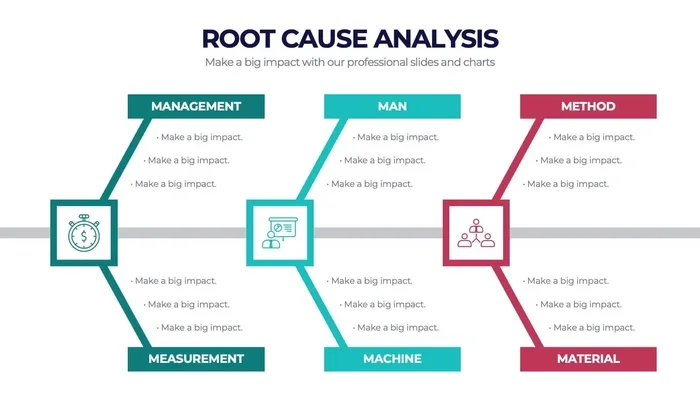
The fishbone diagram, also known as an Ishikawa diagram or cause and effect analysis chart, is one of the most popular problem solving tools in the world. It looks like a fish skeleton, with the problem at the head and possible causes branching out along the spine.
Here is how it works. You write the problem at the right side of the page. Then you draw a horizontal line to the left. From that line, you draw branches for different categories of causes. Common categories include:
- People – Who is involved?
- Process – What steps are being followed?
- Equipment – What tools or machines are used?
- Materials – What raw materials or inputs are involved?
- Environment – What external factors could play a role?
Your team brainstorms possible causes under each category. The visual layout makes it easy to see patterns and connections. This is one of the best free root cause analysis tools for teams that want to collaborate and think critically.
Quick Tip: Use the 5 Whys technique alongside your fishbone diagram. Ask “Why?” five times for each branch to drill down to the actual root cause. Together, these two methods form a powerful combo for issue resolution.
The 5 Whys Technique
The 5 Whys technique is a simple but incredibly effective method for root cause identification. You start with a problem statement and then ask “Why?” repeatedly until you reach the core cause. Usually, five rounds of asking “Why?” gets you there, but sometimes you need more or fewer.
Here is a quick example:
- Problem: The machine stopped working.
- Why? The fuse blew.
- Why? The motor overheated.
- Why? The cooling fan was blocked.
- Why? Dust accumulated in the filter.
- Why? There is no regular maintenance schedule for filter cleaning.
The real root cause is not the blown fuse. It is the lack of a maintenance schedule. This is exactly the kind of insight that root cause analysis tools are designed to uncover. Without asking “Why?” multiple times, most teams would just replace the fuse and call it a day.
The 5 Whys technique works best when a team does it together. Different people see different angles. This decision making tool encourages open discussion and shared ownership of the solution.
Fault Tree Analysis
Fault tree analysis is a more advanced method that uses a top-down diagram to map out how different events lead to a failure. It starts with a single unwanted event at the top and branches downward to show all the possible combinations of causes that could lead to it.
This method uses Boolean logic (AND and OR gates) to connect events. It is especially useful for:
- Complex systems with many interacting parts
- Safety-critical industries like aerospace and healthcare
- Engineering and manufacturing environments
- Projects where multiple failures could cascade
While fault tree analysis can be complex, it is one of the most thorough root cause analysis tools for detailed technical investigations. It forces teams to think about every possible path that could lead to a problem.
FMEA (Failure Mode and Effects Analysis)
FMEA stands for Failure Mode and Effects Analysis. It is a proactive quality management tool that helps teams identify potential failures before they happen. Instead of reacting to a problem, FMEA helps you prevent it.
Here is how FMEA works in practice:
- List all the steps in a process or system.
- For each step, identify potential failure modes.
- Rate each failure by severity, occurrence, and detection.
- Calculate a Risk Priority Number (RPN) for each failure.
- Focus your efforts on the highest-risk failures first.
FMEA is a cornerstone of lean management and Six Sigma programs. It is one of the most valuable root cause analysis tools for teams that want to get ahead of problems instead of always reacting to them.
RCA Software Solutions
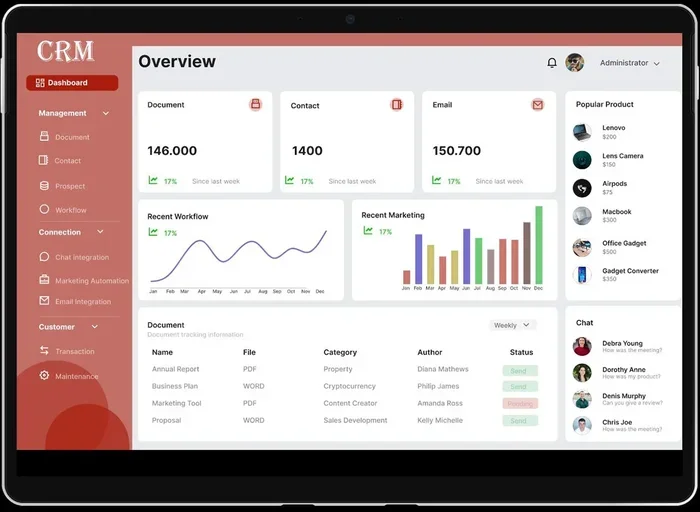
For larger teams and organizations, dedicated RCA software can make a huge difference. These platforms automate much of the root cause identification process and provide a central place to track problems, document findings, and assign corrective actions.
Good root cause analysis software typically includes features like:
- Issue tracking and ticketing to log problems as they arise
- Collaboration tools so teams can work together on investigations
- Dashboard and reporting to spot trends and recurring issues
- Templates for fishbone diagrams, 5 Whys, and fault trees
- Integration with other systems like project management and quality platforms
Some teams also use general decision making tools and project management platforms that include RCA features. The key is to find software that fits your team’s workflow and does not add unnecessary complexity. Think of it this way, just as you need the right size generator to run your power tools, you need the right RCA software to match the scale of your problem-solving needs.
How to Choose the Right Root Cause Analysis Tool
With so many options available, picking the right tool can feel overwhelming. Here are the key factors to consider when selecting your root cause analysis tools.
Consider the Complexity of Your Problem
Simple problems often need simple tools. A fishbone diagram and the 5 Whys technique can handle many everyday issues. Complex, multi-layered problems may require fault tree analysis or dedicated RCA software.
Think About Your Team Size
A solo problem solver might prefer a simple spreadsheet or a pen-and-paper method. A large team across multiple departments will benefit from collaborative root cause analysis software with shared dashboards and real-time updates.
Evaluate Your Budget
Many of the best troubleshooting methods are completely free. The fishbone diagram and 5 Whys cost nothing but time and a whiteboard. If you need software, prices vary widely. Some tools offer free tiers for small teams, while enterprise solutions can cost thousands per year.
Match the Tool to Your Industry
Different industries have different needs. Healthcare teams might prioritize patient safety and compliance tracking. Manufacturing teams may focus on equipment downtime and process efficiency. Choose root cause analysis tools that align with your industry standards and regulatory requirements.
| Tool | Best For | Complexity | Cost |
|---|---|---|---|
| Fishbone Diagram | Team brainstorming and visual mapping | Low | Free |
| 5 Whys Technique | Quick, straightforward problem tracing | Low | Free |
| Fault Tree Analysis | Complex technical systems and safety analysis | High | Free to moderate |
| FMEA | Proactive failure prevention in processes | Medium | Free to moderate |
| RCA Software | Large teams, recurring issues, and tracking | Medium to High | Varies (free to enterprise) |
Common Mistakes in Root Cause Analysis
Even with the best root cause analysis tools, teams can go wrong. Here are the most common mistakes to watch out for.
Jumping to Conclusions Too Fast
The biggest mistake is deciding on a cause before doing the work. When someone says “I already know what the problem is,” that is a red flag. Proper root cause identification requires patience, data, and open-minded exploration. Skipping steps leads to wrong answers and recurring problems.
Confusing Correlation with Causation
Just because two things happened at the same time does not mean one caused the other. Systematic problem solving requires evidence. Use data, interviews, and observations to confirm actual cause-and-effect relationships.
Focusing Only on the Immediate Cause
Finding the immediate cause is not enough. If a machine breaks because of a loose bolt, the immediate cause is the bolt. But the root cause might be a lack of routine inspection. Always dig deeper with your causal analysis to find the systemic issue.
Not Involving the Right People
The people closest to the problem often have the best insights. Excluding frontline workers from issue resolution sessions means missing valuable information. Include everyone who has direct experience with the process or system in question.
Expert Tips for Effective Problem Solving
Want to get better results from your root cause analysis tools? Here are some expert-backed tips that make a real difference.
Start with data, not opinions. Gather facts before you start analyzing. Numbers, logs, and records tell a more accurate story than guesses and assumptions. Good problem solving tools rely on evidence, not hunches.
Use more than one method. The best root cause analysis tools are often used together. Start with a fishbone diagram to map out possible causes, then use the 5 Whys to drill into each branch. For complex issues, add fault tree analysis to map out all the possible paths.
Document everything. Write down your process, findings, and conclusions. This creates a knowledge base that helps with future investigations. It also supports continuous improvement efforts across your organization.
Track your corrective actions. Finding the root cause is only half the battle. You must also implement and monitor corrective actions to ensure the problem does not return. Use RCA software or a simple tracking spreadsheet to follow up.
Review and learn. After a problem is resolved, take time to review what worked and what did not. This feedback loop strengthens your team’s troubleshooting methods and builds a culture of continuous improvement.
Key Takeaways
- Root cause analysis tools help you find the real source of problems instead of just treating symptoms, saving time and resources in the long run.
- The fishbone diagram and 5 Whys technique are simple, free, and effective for most everyday problem-solving situations.
- Fault tree analysis and FMEA offer deeper, more structured approaches for complex or safety-critical issues.
- RCA software solutions bring automation, collaboration, and tracking benefits for larger teams and recurring problems.
- Choosing the right tool depends on problem complexity, team size, budget, and industry needs.
- Avoiding common mistakes like jumping to conclusions or confusing correlation with causation is just as important as picking the right tool.
- Combining multiple methods and following up on corrective actions delivers the best long-term results for systematic problem solving.
Conclusion
Root cause analysis tools are essential for anyone who wants to solve problems effectively and prevent them from coming back. Whether you choose a simple fishbone diagram, the powerful 5 Whys technique, or a full-featured RCA software platform, the key is to start. The best tool is the one you will actually use consistently.
Start small. Pick one method and try it on your next problem. As you gain confidence, explore more advanced root cause analysis tools and combine them for even better results. Remember, the goal is not just to fix problems but to understand them deeply enough that they never happen the same way again. With the right problem solving tools and a commitment to process improvement, you can transform how your team handles challenges every single day.
The journey to better issue resolution starts now. Choose your root cause analysis tools, gather your team, and start digging into the real causes behind your problems. You will be amazed at how much faster and more effective your solutions become.
Frequently Asked Questions
What is the simplest root cause analysis tool for beginners?
The 5 Whys technique is the simplest and most beginner-friendly root cause analysis tool. It requires no special training or software, just a willingness to ask “Why?” repeatedly until you reach the core cause. Most people can learn it in minutes and start using it the same day.
How do fishbone diagrams help with root cause analysis?
A fishbone diagram, or Ishikawa chart, provides a visual framework for brainstorming all possible causes of a problem. It organizes ideas into categories like people, process, equipment, and environment, making it easier for teams to see patterns and connections they might otherwise miss. This makes it one of the most popular problem solving tools for group settings.
Can root cause analysis software replace manual methods like the 5 Whys?
No, RCA software does not replace manual methods. Instead, it complements them. Software helps with tracking, collaboration, and reporting, but the actual analytical thinking still comes from methods like the 5 Whys and fishbone diagrams. The best approach combines human insight with digital tools for systematic problem solving.
How long does a root cause analysis usually take?
The time varies depending on the complexity of the problem and the tools used. A simple 5 Whys session might take 30 minutes. A full fault tree analysis or FMEA study could take several days. The key is to invest enough time to reach a genuine root cause rather than rushing through the process.
What industries benefit most from root cause analysis tools?
Almost every industry benefits from root cause analysis tools. Manufacturing, healthcare, aerospace, IT, construction, and education all use these methods. Any organization that wants to reduce repeat problems, improve quality, and drive continuous improvement can benefit from structured causal analysis.
What is the difference between root cause analysis and troubleshooting?
Troubleshooting focuses on identifying and fixing the immediate problem quickly. Root cause analysis goes deeper to find the underlying reason the problem exists in the first place. While troubleshooting stops the bleeding, root cause analysis prevents the problem from returning. Both are valuable, but they serve different purposes in issue resolution.