Script Writing Generator Secrets for Better Screenplays
A script writing generator is a powerful tool that helps writers create, format, and refine screenplays with ease. Whether you are a beginner or a seasoned screenwriter, these tools save time, spark creativity, and improve your script structure. This guide reveals the top secrets, features, and best practices for using a script writing generator to produce professional-quality screenplays.
Script writing has never been easier than it is today. With a script writing generator, you can go from a blank page to a polished screenplay in a fraction of the time. These tools handle the tedious parts — formatting, structure, and even dialogue suggestions — so you can focus on what really matters: telling a great story.
But here is the thing. Not everyone knows how to use these tools to their full potential. There are hidden features, smart workflows, and proven strategies that separate average scripts from outstanding ones. In this guide, we will share the secrets that will help you write better screenplays using a script writing generator. Let us dive in.
Key Takeaways
- Script writing generators speed up your workflow by automating formatting, dialogue suggestions, and story structure.
- AI-powered tools offer smart story prompts and character development ideas that jumpstart your creativity.
- Proper screenplay formatting is essential for industry standards, and generators handle this automatically.
- Using a generator does not replace your voice — it enhances your natural writing talent with structure and support.
- Regular tool maintenance keeps your generator running smoothly and ensures accurate, reliable output.
- Combining multiple brainstorming tools like story starters and category generators boosts your script quality significantly.
- Revision features in modern generators help you polish drafts into production-ready screenplays.
📑 Table of Contents
- What Is a Script Writing Generator?
- Why Every Screenwriter Needs a Script Writing Generator
- Key Features to Look For in a Script Writing Generator
- How to Use a Script Writing Generator Effectively
- Common Mistakes to Avoid When Using Script Writing Generators
- Comparing Top Script Writing Generators
- Expert Tips for Maximizing Your Script Writing Generator
- The Future of Script Writing Generators
- Final Thoughts
What Is a Script Writing Generator?
A script writing generator is a software tool or AI-powered platform designed to help writers create screenplays. It does more than just type words on a screen. It formats your script to industry standards, suggests dialogue, builds story outlines, and sometimes even generates entire scenes based on your prompts.
Think of it as a smart writing assistant that understands the rules of screenplay format. You provide the ideas, and the tool handles the technical heavy lifting. This means less time wrestling with margins and more time crafting compelling stories.
Some generators are simple and focused. Others are full-featured platforms that include character development tools, plot templates, and collaboration features. The best ones combine AI intelligence with user-friendly design to make the writing process smooth and enjoyable.
Why Every Screenwriter Needs a Script Writing Generator
The truth is that writing a screenplay from scratch is hard. There are rules to follow, formats to remember, and creative blocks to overcome. A script writing generator removes many of these obstacles and lets you write with confidence.
It Saves You Hours of Formatting
Manual script formatting is tedious. You need correct margins for character names, dialogue, action lines, and scene headings. A generator does all of this instantly. You just type, and the tool formats everything properly. This alone can save you hours of work on every draft.
It Beats Writer’s Block
Staring at a blank page is every writer’s nightmare. A script writing generator gives you writing prompts, story starters, and scene ideas when you feel stuck. Sometimes all you need is a single sentence to unlock your creativity. These tools provide that spark.
For example, you can use a story starter generator alongside your script tool to get fresh ideas flowing. The combination of brainstorming and writing in one workflow is incredibly powerful.
It Keeps You Consistent
Professional screenplays follow strict conventions. A generator ensures your script structure stays consistent from start to finish. It keeps your scene headings uniform, your dialogue properly spaced, and your action lines concise. This consistency matters when you share your work with producers or collaborators.
Key Features to Look For in a Script Writing Generator
Not all generators are created equal. Some are basic text editors with formatting. Others are full-fledged creative platforms. Here are the features that truly matter when choosing a script writing generator.
Auto-Formatting and Script Editor
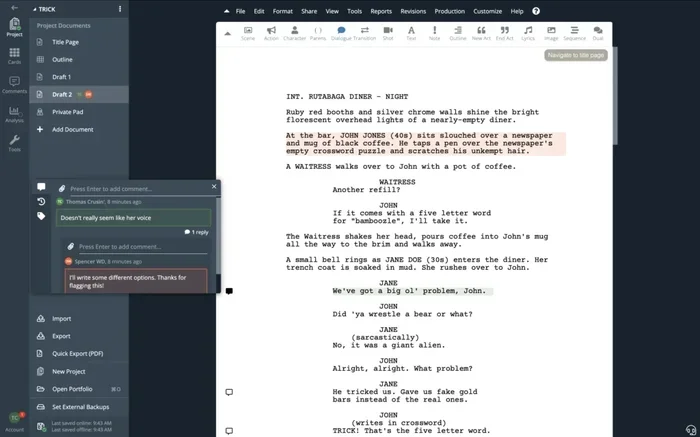
The most important feature is automatic script formatting. When you type a character name, it should center and capitalize. When you type dialogue, it should align left with proper indentation. A good generator handles all of this without you lifting a finger.
Look for tools that also include a built-in script editor with spell check, grammar suggestions, and revision tracking. These extras make a huge difference in the quality of your final draft.
Story Structure Templates
The best generators come with pre-built plot templates and story structure frameworks. Whether you follow the three-act structure, the hero’s journey, or the save-the-cat format, your tool should support it. These templates guide your pacing and ensure your story hits all the right beats.
Character Development Tools
Strong characters make strong scripts. A quality script writing generator includes tools for building character profiles, tracking character arcs, and generating dialogue that sounds natural. Some tools even use AI to suggest personality traits, backstories, and motivations based on your brief descriptions.
Collaboration and Sharing
If you write with a team, collaboration features are essential. Look for generators that allow real-time editing, commenting, and version tracking. These features make it easy to work with co-writers, directors, and producers without creating confusion over different draft versions.
AI-Powered Writing Assistance
Modern generators use artificial intelligence to suggest dialogue, refine scene descriptions, and even generate entire sequences. This AI writing assistance acts like a co-writer that never runs out of ideas. It does not write for you — it inspires you and helps you push through creative walls.
How to Use a Script Writing Generator Effectively
Having a great tool is only half the battle. Knowing how to use it properly makes all the difference. Here are proven strategies to get the most out of your script writing generator.
Start With a Clear Outline
Before you open your generator, have a basic idea of your story. Know your main characters, your central conflict, and your resolution. A script writing generator works best when you give it a solid foundation to build on. Think of it as a framework — your outline is the blueprint.
You can use brainstorming tools like a word cloud generator to explore themes and ideas before you start writing. This warm-up step helps you clarify your vision and gives the generator better input to work with.
Use Categories to Organize Your Ideas
One underrated trick is to organize your story elements into categories. Group your scenes by act, your characters by role, and your themes by importance. A categories generator can help you create these groupings quickly. When your ideas are organized, your script flows much more naturally.
Let the Generator Handle Formatting, You Handle Storytelling
This is a crucial mindset shift. Your job is to tell a compelling story. The generator’s job is to make it look professional. Do not spend time adjusting margins or debating font sizes. Focus on your dialogue, your pacing, and your emotional impact. Let the tool handle the technical details.
Revise Using Built-In Tools
First drafts are never perfect, and that is okay. Use the revision and editing features built into your script writing generator to refine your work. Read through your script aloud, check for consistency in character voices, and tighten your scene descriptions. The better your revision process, the stronger your final screenplay.
Also, make sure your tool is properly maintained. Regular generator tune-ups — like updating software and clearing cached data — keep everything running smoothly and prevent glitches during important writing sessions.
Common Mistakes to Avoid When Using Script Writing Generators
Even with the best tools, writers make mistakes. Here are the most common ones and how to avoid them.
- Relying too heavily on AI suggestions. A generator gives you options, not final answers. Always review and edit every suggestion to match your unique voice and vision.
- Skipping the outline phase. Jumping straight into writing without a plan leads to messy scripts. Spend time outlining first, then let the generator help you execute.
- Ignoring industry formatting standards. Even with auto-formatting, you should learn the basics of screenplay format. Understanding the rules helps you break them intentionally when needed.
- Not revising enough. A generator helps you write faster, but it does not write perfectly. Always revise, edit, and polish your work before considering it finished.
- Using the wrong tool for your needs. Not every generator suits every writer. Choose one that matches your genre, workflow, and experience level.
Comparing Top Script Writing Generators
The market has several options, and choosing the right one depends on your needs. Here is a quick comparison of what to expect from popular types of script writing generators.
| Feature | Basic Generators | AI-Powered Generators | Full Suite Platforms |
|---|---|---|---|
| Auto-Formatting | Yes | Yes | Yes |
| Dialogue Suggestions | No | Yes | Yes |
| Story Templates | Limited | Yes | Yes |
| Character Development Tools | No | Basic | Advanced |
| Collaboration Features | No | Limited | Yes |
| Price Range | Free to Low | Mid-Range | Premium |
| Best For | Quick drafts | Creative brainstorming | Professional screenwriters |
The right choice depends on your budget, experience level, and what you hope to achieve. Beginners might start with a free or low-cost option. Professionals who need advanced features should invest in a full suite platform.
Expert Tips for Maximizing Your Script Writing Generator
Here are some insider tips from experienced screenwriters who use these tools every day.
- Use multiple tools together. Pair your script generator with a brainstorming tool like a story starter generator or a categories generator to cover all phases of the writing process.
- Set daily writing goals. Even with a generator, discipline matters. Commit to writing a certain number of pages or scenes each day to build momentum.
- Read your script aloud. This simple habit catches awkward dialogue and pacing issues that you might miss when reading silently.
- Study professional scripts. Use your generator to format real scripts from your favorite movies. This teaches you how proper formatting looks and feels.
- Keep your tool updated. Regular updates ensure you have the latest features and bug fixes. A well-maintained tool performs better and gives more reliable results.
Remember, a script writing generator is a tool, not a replacement for your creativity. It amplifies what you bring to the table. The better your ideas, the better the output. Treat it as a partner in your creative process, not a shortcut around the hard work of writing.
The Future of Script Writing Generators
The technology behind these tools is evolving fast. We are seeing more advanced AI models that understand story structure, character emotions, and genre conventions at a deeper level. Future generators will likely offer even smarter suggestions, more natural dialogue generation, and seamless integration with other creative tools.
Virtual collaboration features, real-time feedback, and genre-specific templates are all on the horizon. The writers who embrace these tools now will have a significant advantage as the technology continues to advance. A script writing generator is not just a convenience — it is becoming an essential part of the modern screenwriter’s toolkit.
Final Thoughts
A script writing generator can truly transform the way you write screenplays. It saves time, improves formatting, sparks creativity, and helps you produce work that meets industry standards. But the magic happens when you combine the tool’s power with your unique voice and storytelling vision.
Start by choosing a generator that fits your needs. Learn its features. Practice regularly. And never forget that the best tool in the world is only as good as the writer using it. Your stories matter, and now you have the technology to tell them better and faster than ever before.
So open your generator, start writing, and let your creativity flow. The next great screenplay could be just a few clicks away.
Frequently Asked Questions
What is a script writing generator?
A script writing generator is a software tool or AI-powered platform that helps writers create, format, and refine screenplays. It automates formatting, suggests dialogue, and provides story structure templates to speed up the writing process.
Can a script writing generator replace a human screenwriter?
No, a generator is a tool that enhances your writing, not replaces it. It handles formatting and suggests ideas, but your creativity, voice, and storytelling ability are what make a screenplay truly compelling. The best results come from combining human creativity with tool efficiency.
Are script writing generators free to use?
Some generators offer free basic plans, while others require a subscription or one-time purchase. Free options are great for beginners, but serious screenwriters often benefit from premium features like AI assistance, collaboration tools, and advanced templates.
Do I need experience to use a script writing generator?
Not at all. Most generators are designed to be beginner-friendly with intuitive interfaces and helpful prompts. Experienced writers also use them to save time and maintain consistent formatting across projects. They are useful at every skill level.
How do I choose the right script writing generator?
Consider your budget, experience level, and what features matter most to you. Look for auto-formatting, story templates, character development tools, and AI assistance. Reading reviews and trying free versions helps you find the best fit for your workflow.
Can I use a script writing generator for any genre?
Yes, most generators work across all genres including drama, comedy, horror, thriller, and sci-fi. Many tools offer genre-specific templates and suggestions that adapt to your chosen style, making them versatile for any type of screenplay you want to write.