What Are Social Media Listening Tools and Why You Need Them
Social media listening tools are software platforms that track, analyze, and report on conversations happening across social networks. They help businesses monitor brand mentions, understand customer sentiment, and uncover valuable market insights in real time. If you want to stay ahead of trends and protect your reputation, these tools are no longer optional.
Imagine walking into a room where thousands of people are talking about your brand. Some love it. Some hate it. Most just have questions. Now imagine you have a way to listen to every single conversation, in real time, from anywhere in the world. That is exactly what social media listening tools do for your business online.
In today’s digital landscape, knowing what people say about your brand is just as important as what you post. Customers share their experiences, opinions, and frustrations every single day on platforms like Twitter, Instagram, Facebook, and TikTok. The question is: are you listening? Social media listening gives you the power to do just that, and it can completely transform how you connect with your audience.
Whether you run a small business or manage a global brand, understanding online conversations gives you a serious edge. You can spot trends before they explode, catch negative feedback early, and find new opportunities to engage your customers. In this guide, we will break down exactly what these tools are, how they work, and why every business needs them.
Key Takeaways
- What they are: Social media listening tools scan platforms for mentions, keywords, and conversations related to your brand or industry.
- Why they matter: They give you real-time insights into what customers think, feel, and need.
- Key features: Look for sentiment analysis, real-time alerts, competitor tracking, and trend detection.
- Top tools: Brands like Brandwatch, Hootsuite, and Sprout Social lead the market with powerful listening capabilities.
- Best practices: Set clear goals, choose the right keywords, and act on the data you collect.
📑 Table of Contents
What Are Social Media Listening Tools?
At their core, social media listening tools are software platforms that monitor social media channels for specific keywords, brand names, hashtags, and phrases. They collect data from millions of online conversations and organize it into useful reports and dashboards. Think of them as a super-powered search engine that never stops scanning the web.
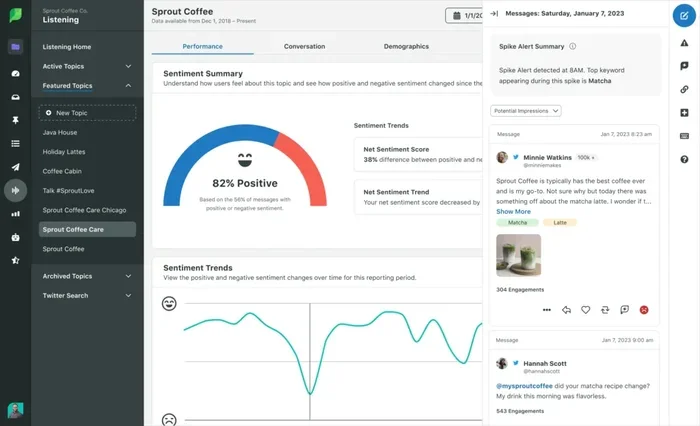
But they do much more than just count mentions. These tools analyze the sentiment behind the words. They tell you whether people feel positive, negative, or neutral about your brand. They also track trends, identify influencers, and reveal what your audience cares about most.
How Do They Differ from Social Media Monitoring?
People often confuse social media monitoring with social media listening, but they are not the same thing. Monitoring is about tracking numbers. It tells you how many times your brand was mentioned or how many likes you got. Listening goes deeper. It looks at the meaning behind the conversations and helps you understand the “why” behind the data.
Here is a simple way to think about it:
- Monitoring tells you that someone mentioned your brand 50 times today.
- Listening tells you that 40 of those mentions were positive, 8 were negative, and 2 were neutral, and it shows you what people were actually saying.
Both are valuable, but listening tools give you the deeper insights that drive real business decisions.
How Social Media Listening Works
Understanding how these tools work helps you get the most out of them. The process is actually pretty straightforward once you see behind the curtain.
Step 1: Keyword and Topic Setup
You start by telling the tool what to listen for. This could be your brand name, product names, competitors, industry keywords, or even specific hashtags. The more specific and well-chosen your keywords are, the better your results will be.
Step 2: Data Collection
The tool then continuously scans social media platforms, blogs, forums, news sites, and other online sources. It gathers every mention that matches your search terms. Some tools can process millions of data points per day.
Step 3: Analysis and Sentiment Scoring
Once the data is collected, the tool uses natural language processing and sentiment analysis to categorize each mention. It determines whether the tone is positive, negative, or neutral. Advanced tools can even detect emotions like anger, joy, or frustration.
Step 4: Reporting and Alerts
Finally, the tool presents all of this information in easy-to-read dashboards and reports. You can set up real-time alerts so you know instantly when something important happens, like a sudden spike in negative mentions.
Key Features to Look For
Not all social media listening tools are created equal. When you are shopping for one, here are the features that really matter:
Sentiment Analysis
This is the bread and butter of any good listening tool. Sentiment analysis automatically categorizes mentions based on the emotion behind them. It helps you understand not just how often people talk about you, but how they feel when they do.
Real-Time Alerts
You want to know about mentions the moment they happen. Real-time alerts send you notifications when your brand is mentioned, when there is a spike in conversation, or when a crisis starts brewing. This fast response can make all the difference.
Competitor Tracking
Great tools let you monitor your competitors too. You can see what people say about rival brands, compare engagement metrics, and identify gaps in the market that you can fill.
Trend Detection
Trending topics change fast. The best social listening software spots emerging trends early, giving you the chance to jump on opportunities before your competitors do.
Influencer Identification
Many tools can identify key influencers in your industry. These are the people with large, engaged audiences who can amplify your message or, in a crisis, spread negative word of mouth.
Customizable Dashboards
You want a tool that lets you build dashboards tailored to your specific needs. Whether you care most about brand mentions, sentiment scores, or share of voice, a good tool puts the data front and center.
Why Every Business Needs Social Media Listening
Still not sure why you need these tools? Let us walk you through the biggest benefits.
Protect Your Online Reputation
Negative comments can spread like wildfire on social media. Without online reputation management tools, you might not even know there is a problem until it is too late. Listening tools catch negative mentions early, so you can address issues before they spiral out of control.
Understand Your Audience Better
When you listen to what people say about your brand, you learn what they really want. You discover their pain points, their preferences, and their expectations. This audience insight data is pure gold for shaping your marketing strategy.
Spot Market Trends Early
Trends start on social media. By monitoring conversations, you can spot emerging trends in your industry and adjust your social media strategy accordingly. This gives you a first-mover advantage that can translate into real revenue.
Improve Customer Service
Many customers turn to social media when they have a problem. Listening tools help you find these complaints quickly and respond promptly. Better customer service leads to higher satisfaction and stronger brand loyalty.
Track Your Competitors
You can learn a lot by watching what people say about your competitors. Competitor analysis through social listening helps you understand their strengths and weaknesses, so you can position your brand more effectively.
Measure the Impact of Your Campaigns
After you launch a campaign, listening tools help you measure how people are responding. You can track engagement metrics, gauge sentiment shifts, and see whether your message is resonating with the right audience.
Top Social Media Listening Tools in 2024
The market is packed with options, and choosing the right one can feel overwhelming. Here are some of the most popular tools that businesses rely on today:
Brandwatch
Brandwatch is one of the most powerful social listening platforms available. It offers deep sentiment analysis, extensive data coverage, and highly customizable dashboards. It is ideal for larger teams and enterprises that need robust analytics.
Hootsuite
Hootsuite is well known for social media management, but its listening features are also impressive. It offers real-time monitoring, trend tracking, and team collaboration features. It is a great choice for small to mid-sized businesses.
Sprout Social
Sprout Social combines social media management with strong listening capabilities. Its audience insights and reporting tools are particularly user-friendly. It works well for businesses that want an all-in-one solution.
Mention
Mention is a more affordable option that still delivers solid social media analytics. It covers a wide range of sources and offers real-time alerts. It is a good fit for startups and small businesses on a budget.
Talkwalker
Talkwalker excels at visual listening, meaning it can find your brand in images and videos, not just text. It also offers strong crisis detection and trend analysis features.
| Tool | Best For | Pricing Range | Key Strength |
|---|---|---|---|
| Brandwatch | Enterprise teams | $$$$ | Deep analytics and sentiment analysis |
| Hootsuite | Small to mid-sized businesses | $$ | All-in-one management and listening |
| Sprout Social | Growing businesses | $$$ | User-friendly dashboards |
| Mention | Budget-conscious startups | $ | Affordable real-time monitoring |
| Talkwalker | Visual and video listening | $$$ | Image and video recognition |
Common Mistakes to Avoid
Even with the right tool, businesses often make mistakes that waste time and money. Here are some pitfalls to watch out for:
Setting Too Many Keywords
It might seem smart to track every possible keyword, but this creates noise. You end up drowning in data and missing the signal that actually matters. Start narrow and expand as you learn what is valuable.
Ignoring Negative Mentions
Finding a negative comment is uncomfortable, but ignoring it is worse. The whole point of listening tools is to give you the full picture, including the bad stuff. Address negative feedback quickly and professionally.
Not Acting on the Data
Collecting data is only half the battle. If you do not act on what you learn, the tool becomes useless. Make listening part of your regular workflow and assign someone to review insights and take action.
Focusing Only on Volume
It is tempting to fixate on how many mentions you get, but volume alone tells you very little. Focus on the quality of conversations and the sentiment behind them. A few highly engaged positive mentions are worth more than hundreds of generic ones.
— Digital Marketing Strategist, Industry Leader
How to Get Started with Social Media Listening
Ready to dive in? Here is a simple roadmap to get you started:
- Define your goals. What do you want to achieve? Better reputation management? Competitive insights? Customer feedback? Write it down.
- Choose your tool. Pick a social listening software that fits your budget and goals. Most platforms offer free trials, so take advantage of them.
- Set up your keywords. Start with your brand name, product names, and key industry terms. Add competitor names and relevant hashtags.
- Establish a review routine. Schedule time each week to review your listening dashboards. Make it a habit.
- Share insights with your team. The data is only useful if the right people see it. Create a regular report or briefing for your marketing and customer service teams.
- Adjust and refine. After a few weeks, review what keywords and topics are giving you the most value. Drop what is not working and add new ones.
Starting small and building up is the best approach. You do not need to track everything at once. Give yourself time to learn the tool and understand the data. Over time, you will develop a feel for what matters most to your brand.
The world of online conversations never stops. Your customers are talking about you right now, whether you are listening or not. Social media listening tools put you in the conversation, giving you the insights you need to make smarter decisions, build stronger relationships, and grow your brand with confidence.
Final Thoughts
Social media listening tools have become essential for any business that wants to thrive in the digital age. They give you a window into what your customers really think, help you stay on top of trends, and protect your reputation when things go wrong. The tools are more accessible and affordable than ever, so there is no excuse not to start.
Start by picking one tool, setting up a few core keywords, and building a habit of regular review. The insights you gain will surprise you. You will see patterns you never noticed, understand your audience on a deeper level, and find new ways to grow. Social listening is not just about watching what happens online. It is about actively shaping how your brand shows up in the world.
Your audience is already talking. Make sure you are listening.
Frequently Asked Questions
What is the difference between social media listening and social media monitoring?
Social media monitoring tracks the numbers, like how many times your brand is mentioned or how many followers you gain. Social media listening goes deeper by analyzing the meaning and sentiment behind those conversations. Monitoring tells you what is happening, while listening tells you why it is happening and what you should do about it.
Are social media listening tools expensive?
Not necessarily. There are options for every budget. Some tools like Mention offer affordable plans for small businesses, while enterprise solutions like Brandwatch come at a higher price point. Many platforms also offer free trials so you can test the features before committing.
Can social media listening tools track mentions across multiple platforms?
Yes, most modern tools monitor multiple platforms including Twitter, Facebook, Instagram, LinkedIn, TikTok, Reddit, and even blogs and forums. The best tools also cover news sites and review platforms to give you a complete picture of online conversations.
How quickly can I expect to see results from social listening?
You can start seeing initial insights within days of setting up your keywords and dashboard. However, the real value comes from consistent, long-term tracking. After a few weeks of regular use, you will start to see clear patterns and trends that inform your strategy.
Do I need technical skills to use social media listening tools?
No. Most modern tools are designed with non-technical users in mind. They feature intuitive dashboards, drag-and-drop report builders, and clear visualizations. If you can use a smartphone, you can learn to use a social listening tool effectively.
Can social media listening help with crisis management?
Absolutely. This is one of the most valuable use cases. Listening tools can detect sudden spikes in negative mentions or unusual conversation patterns, giving you early warning of a potential crisis. This early detection allows you to respond quickly and minimize damage to your brand reputation.