What Does the Compressor Do in Your Refrigeration System
The compressor is the heart of your refrigeration system, pumping refrigerant through the loop to remove heat from inside your fridge or freezer. It compresses low-pressure gas into high-pressure gas, enabling the refrigerant to release heat outdoors and cool your home. Understanding how this essential part works helps you troubleshoot problems, maintain efficiency, and avoid costly repairs.
Your refrigerator works around the clock to keep your food cold and safe. But have you ever wondered what makes it all happen? The answer is the refrigeration compressor. This small but mighty component is the engine that drives the entire cooling cycle. Without it, your fridge would be nothing more than a warm box.
In this guide, we will break down exactly what the compressor does, how it works, and why it matters so much. Whether you are a homeowner trying to understand your appliance or a curious learner, this article has you covered. We will walk through every step of the vapor compression process in plain language.
By the end, you will know how heat transfer works inside your fridge, what different compressor types look like, and how to spot trouble before it becomes expensive. Let us dive in.
Key Takeaways
- The compressor pressurizes refrigerant gas: It turns low-pressure vapor into high-pressure gas to kickstart the cooling cycle.
- It enables heat transfer: Without the compressor, refrigerant cannot move through the system or release absorbed heat.
- Multiple compressor types exist: Reciprocating, rotary, and scroll compressors each serve different refrigeration needs.
- Signs of compressor failure include warm air and strange noises: Catching these early saves you from a full system breakdown.
- Regular maintenance extends compressor life: Cleaning coils and checking refrigerant levels go a long way.
- Compressor efficiency impacts energy bills: A well-maintained compressor uses less power and runs more smoothly.
📑 Table of Contents
- What Is a Refrigeration Compressor?
- How the Compressor Works Step by Step
- Types of Compressors Used in Refrigeration
- Why the Compressor Is the Heart of Cooling
- Common Compressor Problems and How to Spot Them
- How to Keep Your Compressor Running Efficiently
- Compressor Efficiency and Energy Use
- When to Replace the Compressor
- How Compressors Power Cooling Beyond the Home
- Final Thoughts
What Is a Refrigeration Compressor?
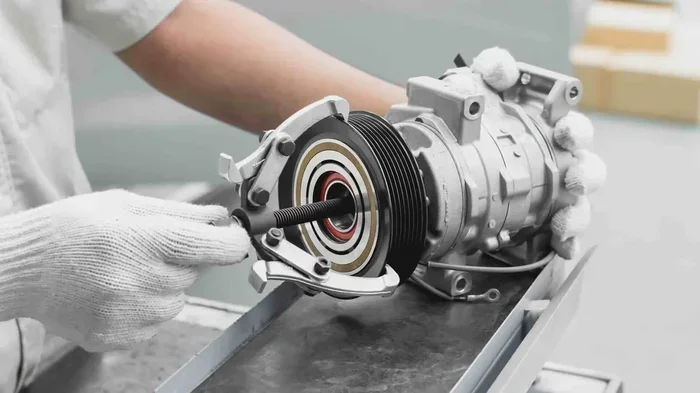
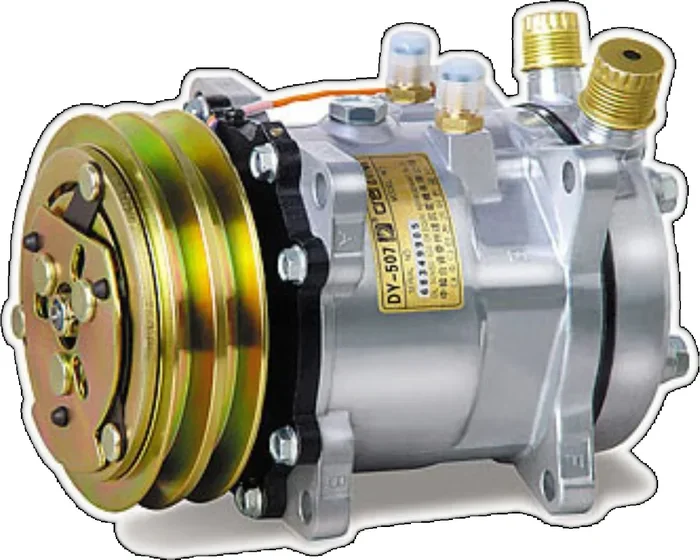
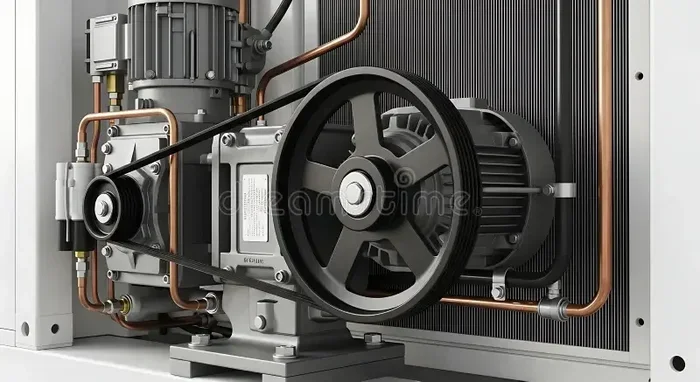
The compressor unit sits at the core of every refrigeration system. Think of it as the pump that moves refrigerant gas through the loop. It takes in warm, low-pressure gas and squeezes it into hot, high-pressure gas. This transformation is what makes the entire cooling process possible.
Without the compressor, the refrigerant would sit still. No movement means no heat removal. Your food would spoil, and your freezer would thaw. The compressor is literally what keeps things cold.
How the Compressor Fits Into the System
The refrigeration system has four main parts: the compressor, the condenser, the expansion valve, and the evaporator. The compressor connects the low-pressure side to the high-pressure side. It sits between the evaporator and the condenser, pushing refrigerant in one direction.
Here is the simple flow:
- The evaporator absorbs heat from inside the fridge.
- The compressor takes that warm gas and squeezes it.
- The condenser releases the heat outside.
- The expansion valve drops the pressure, and the cycle starts again.
Every part depends on the compressor to keep things moving. If one part fails, the whole refrigeration cycle stops.
How the Compressor Works Step by Step
The compression process might sound complicated, but it follows a clear and logical path. Let us walk through each stage so you can see exactly what happens inside the compressor.
Step 1: Suction of Low-Pressure Gas
The process starts when the compressor pulls in low-pressure refrigerant vapor from the evaporator. This gas has already absorbed heat from the inside of your refrigerator or freezer. It is warm but at a low pressure, which makes it easy to draw in.
The compressor’s suction valve opens, and the gas flows in. This is the first critical step because without a steady supply of gas, the system cannot cool anything.
Step 2: Compression of the Gas
Once inside, the compressor piston or scroll mechanism squeezes the gas. This raises both the pressure and the temperature dramatically. The gas can reach temperatures well above 200 degrees Fahrenheit during this phase.
This high-pressure, high-temperature gas is now ready to release its heat. The compression is what gives the refrigerant the energy it needs to flow through the rest of the system.
Step 3: Discharge of Hot Gas to the Condenser
The hot gas exits the compressor and flows into the condenser coil. This coil is usually located on the back or bottom of the fridge. As the gas moves through the condenser, it releases its stored heat into the surrounding air.
The refrigerant then cools down and turns into a high-pressure liquid. This is the moment where the heat absorbed from your food actually leaves the system.
Step 4: Expansion and Cooling
After the condenser, the liquid refrigerant passes through the expansion valve. This valve drops the pressure suddenly, which causes the refrigerant to cool rapidly. The cold liquid then flows into the evaporator coil inside the fridge.
The evaporator absorbs heat from the interior, and the cycle begins again. The compressor makes this entire loop possible by providing the pressure difference that drives the flow.
Types of Compressors Used in Refrigeration
Not all compressors are the same. Different designs suit different applications and cooling needs. Here are the most common types you will encounter.
Reciprocating Compressors
These use a piston that moves up and down inside a cylinder. They are the most traditional type and are found in many household refrigerators and freezers. Reciprocating compressors are reliable and can handle a wide range of pressures.
They work well for smaller cooling systems. Many homeowners have this type sitting inside their kitchen fridge right now. They are durable and relatively easy to repair.
Rotary Compressors
Rotary compressors use a spinning rotor to compress the gas. They are quieter and more compact than reciprocating models. You often find them in window air conditioning units and smaller commercial systems.
If you have ever noticed that your window AC unit runs very quietly, a rotary compressor is likely the reason. They also tend to be more energy-efficient for certain applications.
Scroll Compressors
Scroll compressors use two spiral-shaped components to compress gas. They are smoother and more efficient than piston models. These compressors are common in larger refrigeration systems and commercial air conditioning.
They have fewer moving parts, which means less wear and a longer lifespan. Many modern HVAC systems use scroll compressors because of their reliability and quiet operation.
Hermetic vs. Semi-Hermetic Compressors
Hermetic compressors are sealed shut and cannot be repaired on-site. If they fail, you replace the entire unit. Semi-hermetic compressors have a removable housing, which allows for repairs.
Most household refrigerators use hermetic compressors. They are cheaper and work well for smaller systems. Larger commercial units often use semi-hermetic models so technicians can service them on location.
Why the Compressor Is the Heart of Cooling
The compressor does more than just move gas. It creates the pressure difference that makes the entire cooling cycle work. Without that pressure difference, the refrigerant cannot flow, and no heat can be transferred.
Here are the key reasons the compressor is so important:
- It drives refrigerant flow: The compressor pushes the refrigerant through every part of the system.
- It enables heat release: By raising the gas pressure and temperature, it makes it possible for the condenser to release heat.
- It maintains cooling capacity: A healthy compressor keeps the system running at full cooling capacity.
- It regulates pressure: The compressor balances the high-pressure and low-pressure sides of the system.
If the compressor stops working, everything else grinds to a halt. That is why compressor failure is one of the most serious problems a refrigeration system can face.
Common Compressor Problems and How to Spot Them
Compressors can develop issues over time. Knowing the warning signs helps you catch problems early and avoid a total system failure. Here are the most common issues.
Warm Air From the Refrigerator
If your fridge starts blowing warm air, the compressor may not be running. This could be caused by a failed motor, a dead start relay, or low refrigerant levels. Check to see if the compressor is humming or vibrating. If it is completely silent, that is a red flag.
Sometimes the issue is simple, like a dirty condenser coil. But if the coil is clean and the compressor still does not run, you may need a professional to inspect the unit. You can also check what size generator to run a refrigerator if you are running your fridge off backup power, since an undersized generator can cause compressor issues.
Strange Noises
Loud clicking, buzzing, or rattling sounds often point to a compressor problem. A failing compressor may struggle to start and make repeated clicking noises. Grinding sounds can indicate worn internal parts.
Do not ignore these sounds. They usually get worse over time and can lead to a complete compressor burnout if left unaddressed.
Frequent Cycling
If your compressor turns on and off more often than usual, something is wrong. Short cycling puts extra stress on the motor and can shorten its lifespan. Causes include dirty coils, low refrigerant, or a faulty thermostat.
Regular maintenance helps prevent short cycling. Cleaning the coils and ensuring proper airflow around the compressor unit can make a big difference.
Ice Buildup on the Compressor Lines
Ice forming on the refrigerant lines near the compressor often signals a refrigerant leak or blockage. When the refrigerant level drops, the compressor has to work harder. This can eventually burn out the motor.
If you notice ice buildup, turn off the system and call a technician. Running a low-refrigerant compressor can cause irreversible damage.
How to Keep Your Compressor Running Efficiently
Good maintenance habits can extend the life of your compressor by many years. Here are practical steps you can take right now.
Clean the Condenser Coils Regularly
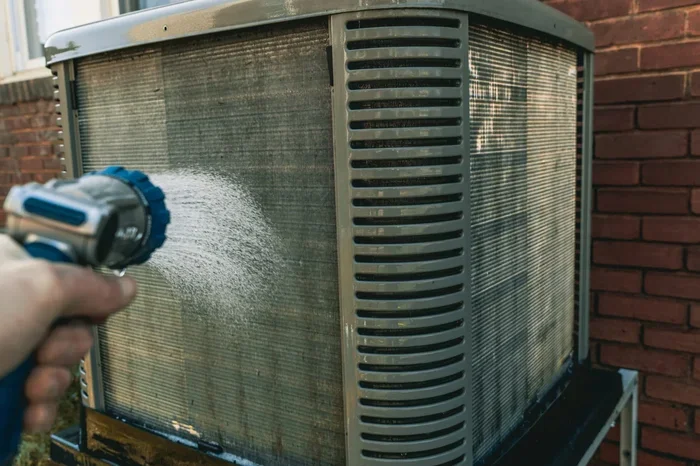
Dust and debris build up on the condenser coils over time. This forces the compressor to work harder to release heat. Cleaning the coils with a vacuum or brush every few months keeps things running smoothly.
You will notice that the fridge runs less often and uses less energy when the coils are clean. This also means lower electricity bills.
Check the Door Seals
Worn door gaskets let warm air leak into the fridge. The compressor has to compensate by running longer cycles. Inspect the seals regularly and replace them if they look cracked or loose.
A simple dollar bill test works well here. Close the door on a dollar bill and pull it out. If it slides out easily, the seal needs replacing.
Do Not Overload the Refrigerator
Packing the fridge too tightly blocks airflow inside. The evaporator cannot absorb heat efficiently, which puts extra strain on the compressor. Keep air vents clear and avoid overstocking.
If you are using a generator to power your fridge during an outage, make sure it is the right size. Learn more about what size generator to run a refrigerator and freezer to avoid overloading your compressor with inconsistent power.
Schedule Professional Maintenance
A trained technician can check refrigerant levels, inspect electrical connections, and test the compressor’s performance. Annual or bi-annual service visits catch small problems before they become big expenses.
Professional maintenance also helps your system run at peak cooling capacity. This is especially important for larger refrigeration systems used in businesses or homes with high cooling demands.
Compressor Efficiency and Energy Use
The efficiency of your compressor directly affects your energy bills. An old or failing compressor uses more electricity to achieve the same cooling results. Modern compressors are designed to be far more efficient than older models.
Variable-speed compressors are a great example. Instead of running at full power all the time, they adjust their speed based on cooling demand. This saves energy and reduces wear on the motor.
If you are considering upgrading your system, look for models with high SEER ratings. SEER stands for Seasonal Energy Efficiency Ratio, and a higher number means better efficiency. You can also check how much power your entire home setup uses, including your cooling system. Understanding how much gas does a generator use can help you plan for backup power without overloading your compressor.
For homes that rely on generators, it is also worth learning about what size generator for whole house needs. A properly sized generator ensures your compressor and other appliances run smoothly without power fluctuations that can cause damage.
When to Replace the Compressor
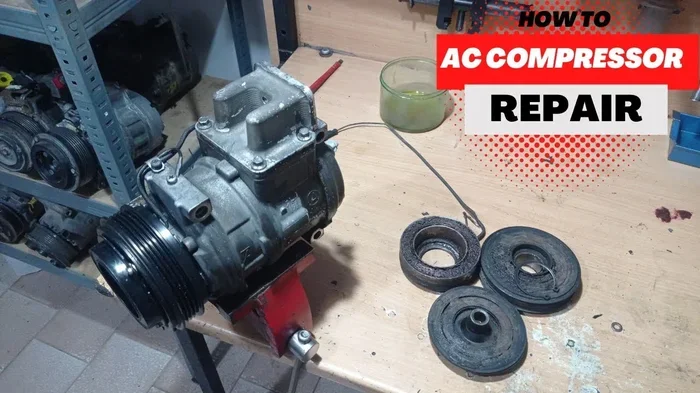
Sometimes repair is not enough. If the compressor is completely burned out or has suffered internal damage, replacement may be the only option. Here are signs that replacement is the right call.
- The compressor makes loud grinding or banging noises continuously.
- The unit trips the breaker repeatedly.
- Refrigerant leaks cannot be sealed and the system loses charge often.
- The compressor is more than 10 to 15 years old and efficiency has dropped significantly.
- Repair costs exceed half the price of a new unit.
Replacing a compressor can be expensive, but it is often cheaper than replacing the entire refrigeration system. A technician can evaluate the damage and give you an honest recommendation. Always get a second opinion if the repair estimate seems very high.
Also, keep in mind that the compressor is just one part of the system. If other components like the condenser or evaporator are also failing, it may make more sense to replace the whole unit. Understanding the refrigeration system as a whole helps you make smarter decisions about repairs versus replacement.
How Compressors Power Cooling Beyond the Home
Compressors are not just for household refrigerators. They play a vital role in commercial refrigeration, air conditioning, and industrial cooling systems. Supermarkets, restaurants, and warehouses all rely on large compressors to keep their products safe.
In air conditioning, the compressor works the same way it does in a fridge. It pressurizes the refrigerant and drives the heat exchange process that cools your home. If you have ever wondered about what size generator to run a house during a power outage, the answer depends partly on how many compressor-driven appliances you need to keep running.
Understanding how the compressor works in your refrigeration system gives you a foundation for understanding cooling in any setting. The basic principles remain the same whether you are talking about a small kitchen fridge or a massive industrial cold storage unit.
Final Thoughts
The compressor is truly the beating heart of your refrigeration system. It pressurizes the refrigerant, drives the cooling cycle, and keeps your food safe and fresh. Without a working compressor, the entire system fails.
By understanding how the compressor works, you can better maintain your system, spot problems early, and make informed decisions about repairs. Simple habits like cleaning coils, checking seals, and scheduling professional service go a long way in protecting your compressor and your investment.
If you ever suspect your compressor is failing, do not wait. Contact a qualified technician as soon as possible. Early action can save you from a much bigger bill down the road. Your compressor works hard every day, and a little care goes a long way in keeping it running strong for years to come.
Frequently Asked Questions
What happens when a refrigerator compressor fails?
When the compressor fails, the refrigerant stops flowing and the cooling cycle breaks down. Your refrigerator will stop cooling, and food may spoil quickly. You may also hear clicking, buzzing, or rattling sounds coming from the unit as it tries and fails to start.
Can a refrigerator compressor be repaired?
In some cases, yes. A technician can repair electrical issues, replace the start relay, or fix minor mechanical problems. However, if the compressor motor is burned out or the internal parts are damaged, a full replacement is usually the best option.
How long does a refrigerator compressor typically last?
A well-maintained refrigerator compressor can last between 10 and 20 years. Regular cleaning, proper refrigerant levels, and avoiding overloading the fridge all help extend its lifespan. If your unit is older than 15 years, consider planning for a replacement.
Is it normal for the compressor to run constantly?
No, a compressor should cycle on and off throughout the day. If it runs nonstop, it may be struggling to maintain the set temperature. This could be caused by dirty coils, low refrigerant, or a failing thermostat. Constant running wastes energy and stresses the motor.
Does the compressor use a lot of electricity?
The compressor is the most energy-hungry part of your refrigerator. It typically accounts for about 60 to 70 percent of the appliance’s total energy use. Keeping the compressor well-maintained and the fridge properly stocked helps reduce its energy consumption.
What is the difference between an air conditioning compressor and a refrigerator compressor?
The basic function is the same: both compress refrigerant gas to drive the cooling cycle. The main differences are in size, capacity, and design. Air conditioning compressors are typically larger and built for higher cooling loads, while refrigerator compressors are smaller and optimized for continuous, low-temperature operation.