What To Clean Nail Tools With Simple Household Items
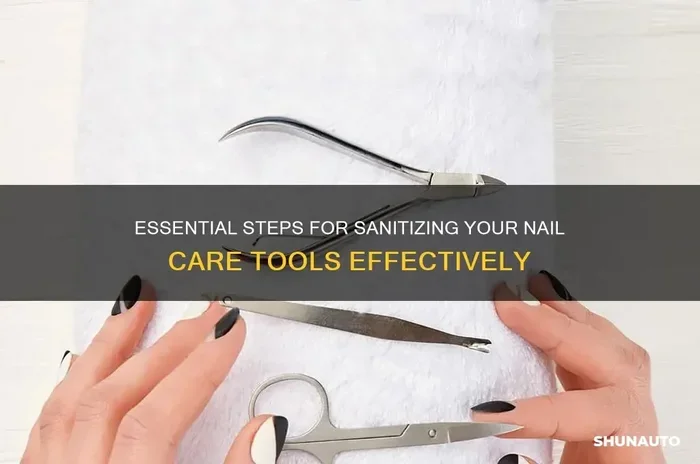
What to clean nail tools with doesn’t have to be complicated or expensive — common household items work surprisingly well. From isopropyl alcohol to white vinegar and baking soda, you can sanitize your clippers, files, and cuticle pushers safely. Learning what to clean nail tools with helps prevent infections, extends tool life, and keeps your manicure routine properly hygienic.
Key Takeaways
- Regular cleaning prevents bacteria buildup and keeps nail tools hygienic for safe use.
- Household items like rubbing alcohol and baking soda work great for disinfection.
- Soak metal tools in warm soapy water before scrubbing for best results.
- Dry tools thoroughly after cleaning to prevent rust and extend their lifespan.
- Replace disposable files regularly since they cannot be properly sanitized after use.
- Store tools in a clean, dry case to maintain hygiene between uses.
📑 Table of Contents
Why Cleaning Nail Tools Matters
Your nail tools touch some of the most sensitive skin on your body. What to clean nail tools with is a question every nail care enthusiast should know the answer to. Dirty tools can harbor bacteria, fungi, and old polish buildup. Over time, this can lead to infections, nail damage, and poor results.
Think about it. You use your nail clippers and nail files every week. If they are not clean, you are essentially pressing germs right into your nail bed. This is not just a cosmetic issue. It is a real health concern that many people overlook.
The good news is that you do not need fancy chemical sprays or expensive salon-grade sterilizers. Most of what you need is already sitting under your kitchen sink. With a few simple household items, you can keep your tools spotless and safe to use.
Cleaning your tools regularly also extends their life. Sharp clippers stay sharp longer when properly maintained. Metal files keep their texture when they are not caked with old polish. Sanitizing nail tools at home is easy, fast, and incredibly effective when you know the right methods.
Best Household Items to Clean Nail Tools With
When it comes to cleaning nail tools with household items, you have more options than you might think. Let us break down the most effective and accessible items you can use right now.
Rubbing Alcohol
Rubbing alcohol is the gold standard for disinfecting nail tools. It kills bacteria, viruses, and fungi on contact. Most drugstores carry it for just a few dollars. Simply soak your tools in a small bowl of 70% or higher isopropyl alcohol for about 10 minutes. Then rinse them with clean water and dry them with a lint-free cloth.
Rubbing alcohol works great on metal tools like clippers, cuticle pushers, and tweezers. It evaporates quickly and does not leave any residue. This makes it one of the most convenient options for quick tool sterilization between uses.
White Vinegar and Baking Soda
This dynamic duo is a powerhouse for DIY nail tool cleaning. White vinegar cuts through grime and buildup, while baking soda acts as a gentle abrasive. Mix equal parts vinegar and warm water in a bowl. Soak your tools for 15 minutes. Then make a paste with baking soda and a little water, and gently scrub away any stubborn residue.
This method is especially useful for removing dried nail polish from metal surfaces. It is also completely natural and non-toxic. If you prefer chemical-free options, the vinegar and baking soda combo is hard to beat.
Antibacterial Soap and Warm Water
Do not underestimate the power of good old soap and water. Antibacterial soap combined with warm water can effectively remove dirt, oils, and most surface bacteria from your nail tools. This is the simplest method and perfect for everyday cleaning.
Use a soft brush, like an old toothbrush, to scrub hard-to-reach areas on your clippers and files. Rinse thoroughly and dry completely before storing. This method may not sterilize tools the way alcohol does, but it is a solid step for nail tool maintenance between deeper cleanings.
Hydrogen Peroxide
Hydrogen peroxide is another excellent household item for cleaning nail tools. It foams up on contact, which helps lift dirt and debris from surfaces. You can soak tools in a 3% hydrogen peroxide solution for 10 to 15 minutes.
One thing to keep in mind is that hydrogen peroxide can cause slight discoloration on some metals over time. If your tools are high-quality stainless steel, this is usually not a problem. But if you have plated or coated tools, test a small area first.
Compressed Air
Here is a method many people do not think about. Using compressed air is a fantastic way to blow out dust, nail filings, and debris from the moving parts of your tools. If you already have an air compressor at home, this is a quick and efficient option.
You can learn more about how to use an air compressor safely and effectively for this purpose. A short burst of compressed air can clean out the hinge of your clippers or the grooves of a nail file in seconds. It is especially useful for tools with intricate designs where debris tends to get trapped.
| Household Item | Best For | Effectiveness | Cost |
|---|---|---|---|
| Rubbing Alcohol | Full sterilization | Excellent | Low |
| Vinegar and Baking Soda | Polish removal and grime | Very Good | Very Low |
| Antibacterial Soap | Daily cleaning | Good | Low |
| Hydrogen Peroxide | Disinfection and debris removal | Very Good | Low |
| Compressed Air | Removing dust and filings | Excellent | Medium |
| Lint-Free Cloth | Drying and polishing | Good | Low |
Step-by-Step Cleaning Process for Different Nail Tools
Not all nail tools are the same, and each one needs a slightly different approach. Here is a practical guide for the most common types of tools you probably use at home.
Nail Clippers
Nail clippers collect the most buildup because of their moving parts. Start by disassembling the clipper if possible. Soak the metal pieces in rubbing alcohol for 10 minutes. Use a cotton pad or a soft brush to wipe away any nail debris. If there is stubborn buildup, apply a small amount of baking soda paste and scrub gently.
After cleaning, rinse the pieces with warm water and dry them completely. Before reassembling, add one small drop of the appropriate lubricant to the hinge. If you are unsure what type of oil to use for maintenance, check out this guide on what oil an air compressor takes, as many of the same principles apply to small mechanical tools. Reassemble and store in a clean case.
Nail Files and Buffing Blocks
Nail files and buffing blocks trap nail dust and polish residue in their surfaces. For metal files, soak them in a vinegar and water solution for 15 minutes. For emery boards and disposable files, it is best to replace them regularly rather than try to clean them.
For buffing blocks, use a damp cloth with a little antibacterial soap to wipe down the surface. Rinse and let them air dry completely. Never share your nail files with others without proper cleaning first, as this can spread fungal infections.
Cuticle Pushers and Nippers
Cuticle tools need the most thorough cleaning because they come into direct contact with living tissue around the nail. Soak them in rubbing alcohol or hydrogen peroxide for at least 10 minutes. Use a cotton swab to clean around the edges and any small crevices.
If you notice any buildup that will not come off, make a paste of baking soda and water, apply it to the affected area, and let it sit for 5 minutes before scrubbing gently with a soft brush. Rinse, dry completely, and store in a protective case. Keeping these tools clean is one of the best ways to prevent infections and ensure smooth, safe cuticle care.
Nail Tweezers
Tweezers are another tool that needs regular attention. Soak them in rubbing alcohol for a few minutes, then wipe them down with a lint-free cloth. Pay special attention to the gripping area, which can accumulate skin cells and residue. A quick cleaning after each use keeps tweezers hygienic and ready for precise work.
How Often Should You Clean Your Nail Tools
Frequency matters when it comes to tool hygiene. Here is a simple schedule you can follow to keep your nail tools in top shape.
- After every use: Wipe tools down with rubbing alcohol or hydrogen peroxide. This takes just a few seconds and prevents buildup from setting in.
- Weekly: Do a deeper clean with soap and water, followed by a thorough drying. This is a good time to inspect tools for wear or damage.
- Monthly: Perform a full sterilization soak using alcohol or a vinegar and baking soda solution. Check for any dull spots on files or loose parts on clippers.
- As needed: Replace disposable items like emery boards and foam buffers when they start to feel rough or worn.
Sticking to this routine takes minimal effort but makes a huge difference. Regular cleaning prevents the spread of bacteria, keeps your tools performing at their best, and saves you money in the long run by reducing the need for replacements.
One more tip: always make sure your tools are completely dry before storing them. Moisture trapped in a closed container creates the perfect environment for bacteria and mold. A lint-free cloth works perfectly for this step and costs almost nothing.
Common Mistakes to Avoid When Cleaning Nail Tools
Even with the best intentions, people make mistakes when cleaning their nail tools. Here are some pitfalls to watch out for.
Using Harsh Chemicals
Avoid bleach, acetone-heavy solutions, or abrasive cleaners on your nail tools. These can damage the metal finish, cause rust, or leave harmful residues. Stick to gentle but effective options like rubbing alcohol, vinegar, and mild soap.
Skipping the Drying Step
Many people clean their tools and then toss them into a drawer while still wet. This is a mistake. Moisture leads to rust and bacterial growth. Always dry your tools thoroughly with a clean cloth before putting them away.
Sharing Tools Without Cleaning
Sharing nail tools without proper disinfection is one of the fastest ways to spread nail fungus and bacterial infections. If you share tools with family members, always clean them between users using alcohol or hydrogen peroxide.
Neglecting Moving Parts
Nail clippers have small hinges and springs that collect grime. If you only wipe the surface, buildup will eventually cause the clipper to become dull or sticky. Take the time to disassemble and clean the internal parts regularly.
Tips for Keeping Nail Tools in Top Shape
Beyond regular cleaning, there are a few extra habits that will keep your nail tools lasting longer and performing better.
- Store tools in a dry, ventilated case. A breathable container prevents moisture buildup and keeps things organized.
- Invest in quality tools. Stainless steel tools resist rust and hold up better to repeated cleaning than cheaper alternatives.
- Sharpen files regularly. A dull file tears nails instead of smoothing them. Replace or refresh your files when they lose their effectiveness.
- Keep a dedicated cleaning station. Having a small tray or container with your cleaning supplies makes the process quick and painless.
- Use compressed air for deep cleaning. A burst of air can reach places cloth and brushes cannot. You can learn more about getting the most out of your compressor by reading about how to get more CFM from an air compressor, which applies to cleaning tasks too.
Taking a few extra minutes to care for your tools pays off in results. Clean, well-maintained tools make every manicure or pedicure better. Your nails look sharper, feel healthier, and stay protected from potential infections.
The methods shared here are simple, affordable, and backed by practical experience. You do not need a salon budget to maintain professional-level nail tool hygiene at home. Start with one method today and build it into your routine. Your tools and your nails will thank you.
Remember, cleaning nail tools with household items is not just about aesthetics. It is about protecting your health and getting the best results from every tool you own. Whether you use rubbing alcohol, vinegar solutions, or compressed air, the key is consistency. Make it a habit, and you will notice the difference in every manicure.
Frequently Asked Questions
What is what to clean nail tools with?
what to clean nail tools with is an important topic with many practical applications and benefits.
How can what to clean nail tools with help me?
Understanding what to clean nail tools with can improve your knowledge and provide practical solutions.