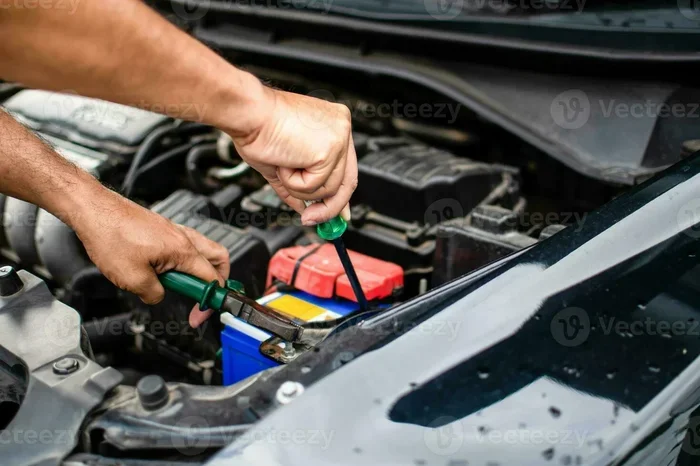
What Tools Do I Need to Replace a Car Battery Complete Guide
Replacing a car battery is easier than most people think when you have the right tools on hand. This guide covers every tool you need for a safe and successful car battery replacement, from basic wrenches to safety gear and helpful accessories. You will learn exactly what to grab before you start, how to work safely, and common mistakes to avoid. With the proper preparation, you can save money and handle this simple job yourself.
Replacing a car battery might seem like a job for a mechanic, but it is one of the easiest automotive tasks you can do at home. The key is having the right set of tools to replace a car battery and knowing how to use them safely. With a few basic hand tools and some simple safety gear, you can complete a car battery replacement in under thirty minutes.
Many people put off this job because they think it requires special knowledge or expensive equipment. That is simply not true. You do not need a garage full of expensive automotive tools to get the job done. This guide walks you through every tool you need, step by step, so you can feel confident doing it yourself.
Whether your battery died from cold weather, old age, or leaving the lights on, the replacement process is the same. The tools you need are basic, affordable, and easy to find at any hardware store. Let us break down exactly what you need and why each tool matters.
Key Takeaways
- A basic socket wrench set and ratchet are the most essential tools for removing battery terminals and hold-downs.
- Safety gear like gloves and goggles protects you from acid and corrosion during battery replacement.
- A battery terminal cleaner and puller make the job faster and help prevent damage to cables.
- A memory saver preserves your car’s settings and prevents error codes when disconnecting the battery.
- Checking the new battery size and terminal placement before you buy saves time and frustration.
- Applying anti-corrosion grease after installation extends the life of your new battery.
- Proper disposal of the old battery is important for safety and the environment.
📑 Table of Contents
- Essential Hand Tools for Car Battery Replacement
- Safety Gear You Should Never Skip
- Helpful Accessories That Make the Job Easier
- How to Prepare Before You Start
- Step-by-Step Battery Removal and Installation
- Common Mistakes to Avoid When Replacing a Car Battery
- Tools Comparison: What You Really Need vs. Nice to Have
- Expert Tips for Long-Lasting Battery Performance
Essential Hand Tools for Car Battery Replacement
The foundation of any car battery replacement is a solid set of hand tools. You do not need anything exotic, but having the right sizes and types makes the job smooth and safe. Here are the must-have hand tools for the job.
Socket Wrench and Ratchet Set
A socket wrench is the single most important tool for replacing a car battery. You will use it to loosen and remove the battery hold-down clamp and the terminal bolts. A ratchet with a set of sockets in common sizes (usually 8mm, 10mm, and 13mm) covers nearly every vehicle.
Choose a ratchet with a swivel head. This makes it much easier to reach bolts in tight spaces under the hood. A deep socket is also helpful because battery terminal bolts often sit recessed.
Combination Wrench Set
A combination wrench set gives you both open-end and box-end options. Some battery terminals use nuts that are hard to reach with a ratchet alone. A box-end wrench provides a tighter grip and reduces the risk of rounding off the bolt head.
Keep both metric and standard sizes in your toolbox. Most modern cars use metric sizes, but older vehicles may use standard (SAE) measurements.
Battery Terminal Puller
A battery terminal puller is a small but invaluable tool. It safely removes the cable ends from the battery posts without prying or damaging them. Using a screwdriver to pop off terminals can crack the post or damage the cable clamp.
You can buy a dedicated battery terminal puller for just a few dollars. It is a small investment that saves you from costly mistakes. If you do not have one, you can carefully wiggle the cable off with a pair of pliers, but a puller is always the better choice.
Battery Terminal Cleaner
Corrosion builds up on battery terminals over time, and it can prevent a good electrical connection. A battery terminal cleaner is a small brush tool that fits over the terminal and cleans both the post and the cable clamp at the same time.
Some battery cleaners also include a built-in application area for protective grease. This two-in-one tool saves time and helps ensure your new battery connects properly from day one.
Safety Gear You Should Never Skip
Car batteries contain sulfuric acid and can produce hydrogen gas, which is flammable. Working safely should always come first. The right safety gear protects you from burns, sparks, and acid splashes.
Safety Gloves
Wear work gloves or chemical-resistant gloves when handling a car battery. Battery acid can cause serious skin burns, and corroded terminals can be sharp. A good pair of thick rubber or nitrile gloves keeps your hands protected throughout the process.
Do not use thin disposable gloves alone. They tear easily and do not provide enough protection against acid. Choose gloves that fit well so you can still handle tools with precision.
Safety Glasses or Goggles
Safety glasses protect your eyes from acid splashes, corrosion flakes, and accidental sparks. Battery acid in the eyes is a serious injury that requires immediate medical attention.
Wear splash-proof goggles for the best protection. Regular safety glasses work too, but goggles create a tighter seal around the eyes and are the safer choice.
Work Clothing and Footwear
Wear long sleeves and closed-toe shoes when replacing a car battery. Avoid loose clothing that could get caught on engine components. Old clothes are fine since battery acid can damage fabric.
Keep a box of baking soda nearby. It neutralizes battery acid and is useful for cleaning up any spills quickly and safely.
Helpful Accessories That Make the Job Easier
Beyond the basic tools, a few accessories can make your car battery replacement faster, safer, and more effective. These are not strictly required, but they add real value.
Memory Saver Device
A memory saver is a small device that plugs into your car’s OBD port or cigarette lighter. It keeps your car’s computer memory alive while you disconnect the battery. Without a memory saver, you may lose radio presets, clock settings, and in some cases, error codes that trigger check engine lights.
Memory savers cost around twenty to forty dollars and are worth every penny. They are especially important for modern vehicles with complex computer systems. If you have ever had to reset your radio and power windows after a battery change, you know why this tool matters.
Battery Charger or Maintainer
After installing your replacement battery, a battery charger can help condition the new battery and ensure it reaches full charge. Some modern batteries come pre-charged, but a charger is a good investment for overall battery maintenance.
A trickle charger or smart maintainer is ideal. It charges the battery slowly and safely without overcharging. This is especially helpful if your new battery has been sitting on a shelf for a while.
Compressed Air for Cleaning
If you have access to an air compressor, learning how to use a compressor to blow out corrosion and debris around the battery tray can make a big difference. Clean connections lead to better electrical flow and a more reliable start. A quick blast of air before installing the new battery keeps the area free of dirt and corrosion particles.
Anti-Corrosion Grease or Spray
Applying a thin layer of anti-corrosion grease to the battery terminals after installation prevents future buildup. This simple step extends the life of your new battery and ensures a strong connection. Many battery terminal cleaners include this grease, or you can buy it separately.
How to Prepare Before You Start
Preparation is the most important step in any car battery replacement. Taking a few minutes to gather your tools and plan your approach saves time and prevents problems.
Check Your New Battery Size
Before you buy a replacement battery, check your owner’s manual for the correct group size. Batteries come in different sizes and terminal placements. Installing the wrong size battery can cause fitment issues and even damage to the battery tray or cables.
You can also check the label on your old battery for the group number and cold cranking amps (CCA) rating. Match these specs when buying your new battery to ensure proper fit and performance.
Gather All Your Tools in One Place
Lay out all your tools before you start. Having everything within arm’s reach means you do not have to stop mid-job to find a missing socket. Here is a quick checklist of what you need:
- Socket wrench and ratchet with appropriate sockets
- Combination wrench set
- Battery terminal puller
- Battery terminal cleaner
- Safety gloves and goggles
- Memory saver device (optional but recommended)
- Anti-corrosion grease or spray
- Baking soda and water for cleaning spills
- Clean rag or paper towels
Work in a Well-Ventilated Area
Batteries can release hydrogen gas, which is flammable and potentially dangerous. Always work in an open, well-ventilated area. Do not smoke near the battery, and keep sparks and open flames away from the battery compartment.
If you are working in a garage, open the door and turn on a fan if possible. Fresh air circulation reduces the risk of gas buildup and keeps you safe throughout the process.
Step-by-Step Battery Removal and Installation
Now that you have your tools ready, here is the step-by-step process for a car battery replacement. Follow these steps carefully and you will have a new battery installed in no time.
Step 1: Turn Off the Engine and All Accessories
Park your car on a flat surface, turn off the engine, and remove the key from the ignition. Turn off all lights, the radio, and any other electrical accessories. This prevents electrical shorts and protects your vehicle’s systems.
Step 2: Disconnect the Negative Terminal First
Always disconnect the negative (black) cable first. This is the most important safety rule in battery work. Disconnecting the negative terminal first prevents the wrench from accidentally touching both terminals and creating a spark.
Use your socket wrench to loosen the nut on the negative terminal clamp. Once loose, carefully wiggle the cable off the post. Use your battery terminal puller if it is stuck.
Step 3: Disconnect the Positive Terminal
Next, disconnect the positive (red) cable using the same method. Loosen the nut, wiggle the clamp off, and set the cable aside. Keep the cables away from the battery posts to avoid accidental contact.
Step 4: Remove the Battery Hold-Down
Locate the battery hold-down clamp or bracket that secures the battery in place. Use your socket wrench or combination wrench to remove the bolts or fasteners. Set them aside in a safe place so you do not lose them.
Some vehicles use a top-mount bracket, while others have a side-mounted hold-down. The removal process is similar, but the bolt locations vary by vehicle.
Step 5: Remove the Old Battery
Car batteries are heavy, typically weighing between 30 and 50 pounds. Lift the battery straight up and out of the tray. Use both hands and bend at the knees to avoid back strain. If the battery feels too heavy, ask a friend for help or use a battery carrying strap.
Place the old battery on a flat, stable surface. Do not set it on concrete where it could leak or tip over.
Step 6: Clean the Battery Tray and Terminals
Inspect the battery tray for corrosion or debris. Clean it with a mixture of baking soda and water. Use a rag to wipe away any residue. If you have an air compressor, a quick blast of air clears out loose corrosion and dirt effectively.
Clean the cable ends with your battery terminal cleaner. Make sure the inside of the cable clamps is free of corrosion for a solid connection with your new battery.
Step 7: Install the New Battery
Place the replacement battery into the tray, matching the positive and negative terminals to the correct cable positions. Make sure the battery sits flat and secure in the tray.
If you are using a memory saver, plug it in now before you reconnect the cables. This preserves all your car’s electronic settings.
Step 8: Reconnect the Positive Terminal First
Connect the positive (red) cable first this time. Tighten the terminal bolt securely but do not over-tighten. A snug fit is all you need. Then reconnect the negative (black) cable and tighten its bolt as well.
Step 9: Apply Anti-Corrosion Grease
Apply a thin coat of anti-corrosion grease to both terminals. This prevents future corrosion and ensures a strong electrical connection. It is a small step that pays off over the life of your new battery.
Step 10: Replace the Battery Hold-Down
Secure the battery hold-down bracket or clamp back in place. Make sure the battery does not move when you press on it firmly. A loose battery can damage terminals and cables while driving.
Step 11: Start the Engine and Test
Start your car and check that everything works. Test the headlights, radio, power windows, and dashboard lights. If you used a memory saver, you should not need to reset any settings.
Let the engine run for a few minutes to charge the new battery. If you have a multimeter, you can check the battery voltage. A healthy battery should read around 12.6 volts when the engine is off.
Common Mistakes to Avoid When Replacing a Car Battery
Even with the right tools, mistakes can happen. Here are the most common errors people make during a car battery replacement and how to avoid them.
Disconnecting the Positive Terminal First
This is the most dangerous mistake. Disconnecting the positive terminal first increases the risk of creating a spark near the battery. Always disconnect the negative terminal first and reconnect it last.
Forgetting to Use a Memory Saver
Skipping the memory saver means you may lose your radio presets, power window settings, and in some vehicles, diagnostic trouble codes. A memory saver takes seconds to plug in and saves you from a frustrating reset process.
Over-Tightening Terminal Bolts
Tightening the terminal bolts too much can crack the battery post or strip the thread. Hand-tight plus a quarter turn with a wrench is usually sufficient. You want a snug connection, not a crushed one.
Ignoring Corrosion on the New Battery
Even new batteries can have some corrosion on the terminals from sitting on the shelf. Clean the terminals with your battery cleaner before installation. A clean connection ensures the best performance from day one.
Not Recycling the Old Battery Properly
Car batteries contain lead and sulfuric acid, which are harmful to the environment. Most auto parts stores accept old batteries for recycling, often for a small core charge refund. Do not throw an old battery in the trash. Return it to the store where you bought the new one or take it to a recycling center.
Tools Comparison: What You Really Need vs. Nice to Have
Not every tool is equally important for a car battery replacement. Here is a comparison of the essential tools versus the nice-to-have accessories.
| Tool | Essential or Nice to Have | Why It Matters |
|---|---|---|
| Socket wrench and ratchet | Essential | Removes hold-down bolts and terminal nuts |
| Combination wrench set | Essential | Provides extra grip for tight bolts |
| Battery terminal puller | Essential | Prevents damage to terminals and cables |
| Battery terminal cleaner | Essential | Ensures clean electrical connections |
| Safety gloves and goggles | Essential | Protects from acid and sparks |
| Memory saver | Nice to Have | Preserves car computer settings |
| Anti-corrosion grease | Nice to Have | Prevents future terminal buildup |
| Battery charger | Nice to Have | Conditions new battery and maintains charge |
| Air compressor for cleaning | Nice to Have | Blows out debris from battery tray |
The essential tools are all you need to complete the job safely. The nice-to-have accessories make the process smoother and help protect your vehicle’s electronics.
Expert Tips for Long-Lasting Battery Performance
Once you have completed your car battery replacement, a few simple habits can extend the life of your new battery significantly.
First, avoid short trips when possible. Short drives do not give the alternator enough time to fully recharge the battery. If you only take short trips, consider using a battery charger or maintainer on a regular basis.
Second, check your terminals every few months for signs of corrosion. A quick visual inspection can catch problems early before they affect performance. If you notice any white or blue-green buildup, clean it with your battery terminal cleaner right away.
Third, understand that battery lifespan varies. Just as how long a generator battery lasts depends on usage and maintenance, your car battery’s lifespan depends on driving habits, climate, and the quality of the battery itself. Most car batteries last between three and five years with proper care.
Finally, if you ever find yourself stranded with a dead battery, having a portable jump starter in your trunk is a smart backup plan. It is a small investment that can save you from a long walk to the nearest gas station or repair shop.
Knowing what tools do i need to replace a car battery is the first step toward taking control of your vehicle maintenance. With the right hand tools, proper safety gear, and a little preparation, you can handle this job confidently and save money on labor costs. Keep your tools organized, follow the safety steps, and enjoy the satisfaction of completing a DIY car repair.
Remember, the goal is not just to replace the battery but to do it right. Clean connections, secure hold-downs, and proper terminal care all contribute to a reliable start every time. Keep these tips in mind for your next car battery replacement and you will be glad you took the time to learn the process.
Frequently Asked Questions
What is the most important tool for replacing a car battery?
A socket wrench and ratchet set is the most important tool. You need it to remove the battery hold-down clamp and loosen the terminal bolts. Without a proper wrench set, the job becomes much harder and more frustrating.
Do I need a memory saver when replacing a car battery?
A memory saver is not strictly required, but it is highly recommended. It preserves your car’s computer settings, radio presets, and power window positions. Without one, you may need to reset several systems after the replacement, which can be time-consuming and frustrating.
Can I use any socket wrench set for battery replacement?
You should use a socket wrench set that includes common sizes like 8mm, 10mm, and 13mm. Most battery terminals and hold-downs use these standard sizes. A swivel-head ratchet makes reaching tight bolts much easier and more comfortable.
How do I know if my battery terminals are corroded?
Corroded terminals look white, blue, or greenish around the battery posts. You may also notice a powdery or crusty buildup. Corrosion can prevent your battery from charging properly and cause starting problems. Cleaning terminals with a battery terminal cleaner restores good electrical contact.
Is it safe to replace a car battery by myself?
Yes, replacing a car battery is one of the safest DIY automotive jobs you can do. As long as you follow the safety steps, wear gloves and goggles, and disconnect the negative terminal first, the process is straightforward and low-risk. Just work in a well-ventilated area and avoid smoking near the battery.
How do I properly dispose of my old car battery?
Take your old battery to an auto parts store or a recycling center. Most stores that sell batteries accept old ones for recycling, often with a partial refund on the core charge. Never throw a car battery in the regular trash, as it contains harmful chemicals that can damage the environment.
=== CONCLUSION ===
Replacing a car battery is a simple, rewarding job that anyone can do with the right preparation. Having the proper tools to replace a car battery makes all the difference between a quick, safe job and a frustrating struggle. From a basic socket wrench set to safety gloves and a memory saver, each tool plays an important role in the process.
Remember to always disconnect the negative terminal first, clean the terminals before installing the new battery, and apply anti-corrosion grease afterward. These small steps protect your vehicle and extend the life of your new replacement battery. With the guidance in this article, you now have everything you need to tackle your next car battery replacement with confidence.


