Who Makes the Best Standby Generator for Your Home
When it comes to who makes the best standby generator, brands like Generac, Kohler, and Briggs & Stratton consistently lead the pack with reliable, whole-home power solutions. Each manufacturer brings unique strengths to the table, whether you prioritize fuel efficiency, smart technology, or long-term durability. This guide breaks down the top contenders so you can confidently choose the perfect home standby generator for your family’s needs.
Key Takeaways
- Generac leads the market with the most trusted and widely installed home standby generators.
- Match generator size to your home’s power needs to avoid underperformance or overspending.
- Natural gas models offer convenience while propane provides a reliable backup fuel source.
- Professional installation is non-negotiable for safety, code compliance, and proper performance.
- Annual maintenance extends generator life and prevents costly breakdowns during emergencies.
- Compare total ownership costs including installation, fuel, and upkeep before buying.
- Strong warranty and support matter when choosing the best standby generator brand.
📑 Table of Contents
- Why Having a Standby Generator Matters for Your Home
- Top Brands That Make the Best Standby Generators
- How to Choose the Right Standby Generator for Your Home
- Standby Generator Installation and Maintenance Tips
- Standby Generator Cost: What to Expect
- Standby Generator Runtime and Performance
- Common Mistakes When Buying a Standby Generator
- Expert Insights on Choosing the Best Brand
- Key Takeaways: Finding Your Best Standby Generator
- Conclusion: Who Makes the Best Standby Generator for Your Home?
Why Having a Standby Generator Matters for Your Home
Power outages are more than just an inconvenience. They can spoil your food, shut down your heating system in winter, and leave your family sitting in the dark for hours or even days. That is exactly why so many homeowners are asking the same question: who makes the best standby generator for protecting their home?
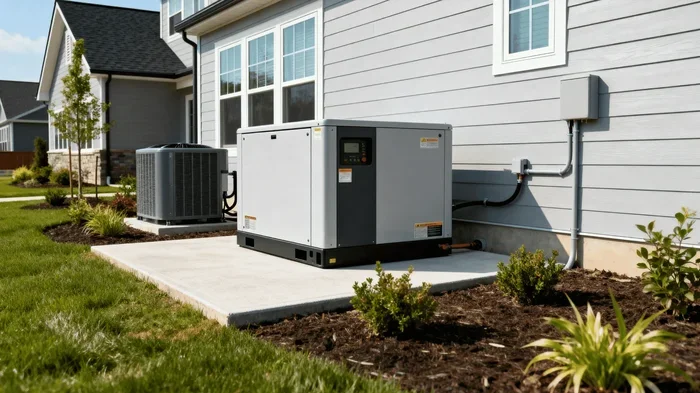
A standby generator is not the same as a portable unit you might drag out after a storm. These systems are permanently installed outside your home and kick on automatically when the power drops. They run on natural gas or propane and can keep your entire house running like nothing ever happened. Whether you live in a storm-prone area or simply want peace of mind, a home backup power system is one of the smartest investments you can make.
In this guide, we will break down the top brands, compare features, and help you figure out which residential generator is the right fit for your needs. We will cover everything from generator sizing to installation costs so you can make a confident decision.
Top Brands That Make the Best Standby Generators
Not all standby generator brands are created equal. Some focus on budget-friendly options, while others build premium units designed for decades of service. Here are the manufacturers that consistently earn top marks from homeowners and industry experts alike.
Generac
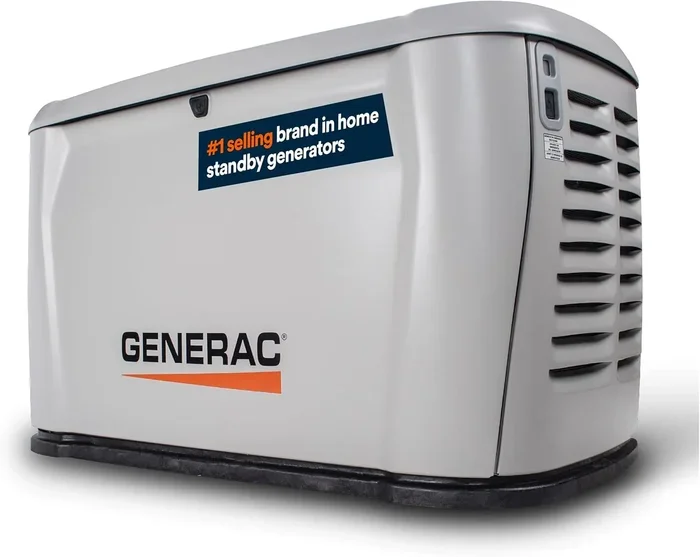
When most people think about home backup power, Generac is the first name that comes to mind. This brand dominates the residential market, and for good reason. They offer a huge range of models, from small units that power essentials to full whole-house generator systems that handle everything.
- The Generac Guardian series is their most popular line for homes.
- Models range from 22 kW all the way up to 48 kW or more.
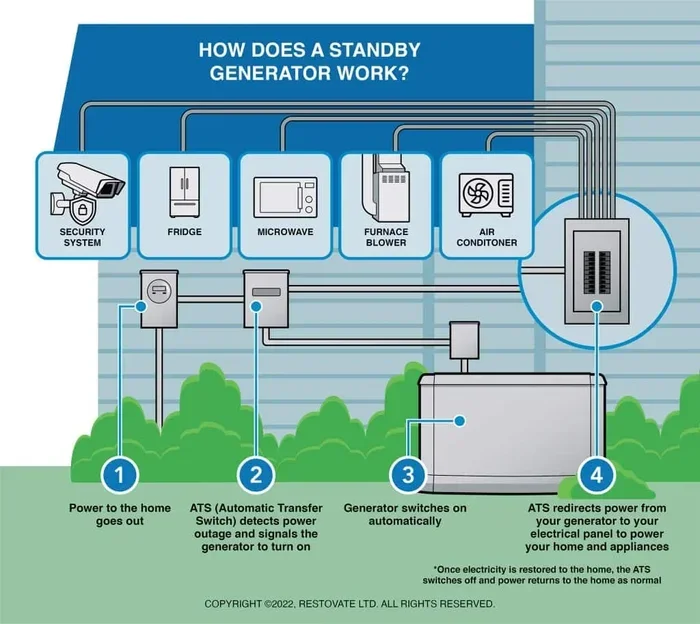
- They include an automatic transfer switch that detects outages in seconds.
- Generac also offers Wi-Fi enabled models so you can monitor your unit from your phone.
Generac has become the go-to brand for many homeowners because of their wide dealer network and solid generator warranty. If you want a reliable standby generator with great support, this is a strong starting point. You can also check out related options in the electrical generator category for more insights.
Generac vs. Other Major Brands
Generac does face strong competition. Brands like Kohler, Cummins, and Briggs & Stratton all produce quality units. Each brand brings something different to the table, and the right choice often depends on your budget, fuel preference, and power needs. We will compare these names more closely below.
Kohler
Kohler is a name synonymous with quality and durability. Their standby generators are built with heavy-duty components and are often found in high-end homes and commercial properties. Kohler units tend to be quieter during operation and feature corrosion-resistant enclosures, making them a great choice for coastal or humid areas.
- Engine quality: Kohler uses proprietary engines designed for long runtime.
- Fuel options: Available in natural gas and dual-fuel configurations.
- Noise levels: Many models run quieter than competing units.
If budget is not a major concern, a Kohler unit is one of the most dependable emergency power solutions you can buy.
Cummins
Cummins is a powerhouse in the generator world, especially for commercial applications. But they also make excellent residential units. Cummins standby generators are known for their robust build quality and industry-leading generator runtime. Their smaller home models still pack a punch and are built to handle extended outages with ease.
Many homeowners looking for a serious home improvement investment lean toward Cummins because of the brand’s reputation for longevity. Their dealer and service network has also been growing in the residential space, making support more accessible than ever.
Briggs & Stratton
Briggs & Stratton is a more budget-conscious option, but that does not mean low quality. They are a great entry point for homeowners who want a reliable standby generator without spending as much. Their units are straightforward to maintain and widely available at home improvement stores.
- Strong reputation for easy maintenance.
- Competitive pricing compared to premium brands.
- Good selection of fuel type options including propane and natural gas.
For first-time buyers or those in areas with shorter outage seasons, Briggs & Stratton delivers solid value.
Other Notable Brands
A few other manufacturers deserve a mention. Yamaha produces compact standby units well-suited for smaller homes. Eaton offers robust commercial-grade systems that some homeowners choose for their extra durability. Pulsar and Champion also sell affordable standby options that work well for basic power outage protection.
How to Choose the Right Standby Generator for Your Home
Picking the right best standby generator is not just about brand loyalty. It is about matching the unit to your home’s specific needs. Here is what to consider before making a purchase.
Determine Your Power Needs
The first step is figuring out how much power you actually need. Do you want to run just essentials like your refrigerator, sump pump, and a few lights? Or do you want full-house coverage that keeps your air conditioning, oven, and home office running during an outage?
- Essential loads: Typically 5 kW to 10 kW. Keeps refrigerators, lights, and fans running.
- Partial home: Around 12 kW to 18 kW. Adds air conditioning and some kitchen appliances.
- Full house: 20 kW to 48 kW or more. Covers virtually everything in your home.
A good rule of thumb is to list the circuits you cannot live without and add up their wattage. An electrician can help you with this, and it makes generator sizing much easier.
Fuel Type Matters
Most standby generators run on either natural gas or propane. Some models offer dual-fuel capability, which gives you flexibility. Natural gas is convenient because it connects directly to your utility line, so you never run out of fuel during a long outage. Propane, on the other hand, is stored on your property and can be a better option in areas with unreliable gas infrastructure.
If you are wondering how much fuel you will actually use, check out this helpful guide on how much natural gas does a generator use. It breaks down consumption rates by model and load level.
Noise Levels and Local Regulations
No one wants a generator that sounds like a construction site next to their bedroom. Noise is measured in decibels (dB), and most modern standby generators run between 60 and 70 dB. Some premium models, especially from Kohler, operate as quietly as 55 dB. Always check your local noise ordinances before installing a unit.
Automatic Transfer Switch Compatibility
The automatic transfer switch (ATS) is what makes a standby generator truly hands-off. When the grid goes down, the ATS detects the loss and switches your home over to generator power within seconds. Make sure the ATS you buy is rated for your generator’s amperage and matches your home’s electrical panel.
Standby Generator Installation and Maintenance Tips
Buying a standby generator is only half the battle. Proper generator installation and ongoing maintenance are what ensure it actually works when you need it most. Here are some practical tips to keep your system in top shape.
Professional Installation Is a Must
Unlike portable generators you can plug in yourself, standby units require licensed electricians and sometimes plumbers for gas line connections. A professional will make sure the unit is properly grounded, the fuel lines are safe, and the transfer switch is wired correctly. Cutting corners here can lead to safety hazards or a unit that fails during an outage.
- Always hire a certified electrician for the electrical work.
- Check that your local permits are pulled before installation begins.
- Make sure the generator pad or concrete base is level and properly positioned.
Many manufacturers, including Generac and Kohler, require professional installation to keep the warranty valid. So save yourself a headache and let the experts handle it.
Regular Maintenance Keeps You Running
A standby generator that sits idle for months can develop issues. The battery can lose its charge, oil can degrade, and air filters can clog. A solid maintenance schedule prevents these problems.
- Run the generator under load for at least 20 to 30 minutes every month. This is called an exercise cycle and keeps everything lubricated and ready.
- Check the oil level every few months and change it according to the manufacturer’s schedule, typically every 100 to 200 hours of use.
- Inspect the air filter and replace it when dirty. A clogged filter reduces efficiency and can damage the engine over time.
- Test the battery annually and replace it every two to three years.
- Schedule a professional inspection once a year, especially before storm season.
Keeping up with generator maintenance might seem like a hassle, but it is far cheaper than replacing a unit that failed during a major storm. Think of it like maintaining a car — a little attention goes a long way.
Standby Generator Cost: What to Expect
One of the most common questions homeowners ask is about home generator cost. The truth is, prices vary widely depending on the brand, size, and features you choose. Here is a general breakdown to help you plan your budget.
Unit Prices by Size
| Generator Size | Typical Price Range | Best For |
|---|---|---|
| 10-12 kW | $2,000 – $3,500 | Small homes, essential circuits only |
| 16-18 kW | $3,500 – $6,000 | Medium homes, partial coverage |
| 20-24 kW | $5,000 – $9,000 | Most average-sized homes |
| 24-48 kW | $8,000 – $15,000+ | Large homes, full-house coverage |
These prices include the generator unit itself but do not cover installation, which typically runs between $1,500 and $5,000 depending on electrical and plumbing requirements. So your total investment for a quality standby generator system often falls between $4,000 and $20,000.
Cost-Saving Tips
- Get quotes from at least three installers to compare pricing.
- Consider a smaller unit if your power needs are modest. Oversizing is expensive and wasteful.
- Look for brands with strong generator warranty coverage to protect your investment.
- Some manufacturers, like Generac, offer financing options that make the upfront cost more manageable.
- Check for local or federal energy efficiency rebates that might offset part of the cost.
It is also worth noting that a standby generator can increase your home’s resale value. Many real estate professionals consider it a desirable upgrade, especially in regions prone to storm preparedness concerns.
Generac vs. Kohler: A Quick Comparison
Two of the most popular brands in the residential market are Generac and Kohler. Here is a side-by-side look at how they stack up for homeowners deciding on a best standby generator.
| Feature | Generac | Kohler |
|---|---|---|
| Price Range | More affordable | Premium pricing |
| Noise Level | Standard | Quieter models |
| Dealer Network | Largest in the US | Growing residential network |
| Warranty | 5-7 years | Limited lifetime (engine) |
| Smart Features | Wi-Fi monitoring standard | Available on select models |
Both brands are excellent choices. Generac is the top pick for most homeowners because of its value and support network. Kohler is ideal for those who want premium build quality and quieter operation. If you are looking for a strong mid-range alternative, you might also want to explore options from brands featured in articles about who owns Milwaukee tools, as their parent companies produce quality power equipment too.
Standby Generator Runtime and Performance
Another important factor is how long your generator can keep running. Generator runtime depends on the fuel supply, the load you are running, and the efficiency of the unit. Most standby generators connected to a natural gas line can run continuously for days or even weeks, as long as the utility keeps supplying fuel.
Propane-powered units are a different story. A standard 500-gallon propane tank might keep a 20 kW generator running for about 24 to 48 hours at half load. If you want longer runtime on propane, consider installing a larger tank or a dual-fuel system that can switch to natural gas when available.
For homeowners interested in exploring alternative energy options alongside their backup system, a Sun Joe generator or similar unit can complement your standby setup for lighter loads. Sun Joe is known for portable and lightweight options that work well for supplemental power.
What Affects Runtime?
- Fuel capacity: Larger tanks or continuous gas supply means longer runtime.
- Load level: Running at half load uses less fuel than running at full capacity.
- Unit efficiency: Newer models tend to be more fuel-efficient than older ones.
- Maintenance: A well-maintained engine runs more efficiently and lasts longer.
Common Mistakes When Buying a Standby Generator
Even informed buyers can make mistakes that cost them time, money, or peace of mind. Here are a few pitfalls to avoid when shopping for a standby generator.
- Undersizing the unit: Choosing a generator that is too small means it will overload during high-demand moments. Always leave a buffer of 20 to 25 percent above your calculated needs.
- Ignoring local codes: Many areas have specific rules about generator placement, noise levels, and emissions. Check with your municipality before buying.
- Skipping the transfer switch: A manual transfer switch is dangerous and inconvenient compared to an automatic one. Always go with an ATS for standby systems.
- Buying without a service plan: Some dealers offer annual service packages. These are worth every penny because they keep your warranty active and your unit running.
- Placing the unit too close to the house: Exhaust fumes from a generator can be deadly. Keep the unit at least five feet from doors, windows, and air intakes.
Quick Tips for First-Time Buyers
- Start by listing the essential circuits you want to power during an outage.
- Get a professional load calculation before choosing a size.
- Ask the dealer about installation timelines and what permits are required.
- Read owner reviews for the specific model you are considering, not just brand reviews.
- Plan for at least one annual maintenance visit from a certified technician.
Expert Insights on Choosing the Best Brand
Industry professionals often agree that the “best” standby generator depends heavily on your situation. For most average American homes, Generac offers the best combination of price, reliability, and dealer support. For high-end homes or areas with harsh weather conditions, Kohler or Cummins may be worth the extra investment.
Electricians I have spoken with often recommend focusing less on brand and more on the dealer. A good local dealer will handle installation properly, provide ongoing support, and make sure your warranty is honored. A bad dealer can ruin even the best product. So when choosing a standby generator, do not just pick a brand — pick a trusted dealer too.
Another insider tip: ask about load management features. Some modern generators can shed non-essential loads automatically during heavy demand. This means your generator runs more efficiently and is less likely to trip during peak usage moments like when your air conditioner and oven both kick on at the same time.
Key Takeaways: Finding Your Best Standby Generator
- Generac is the top choice for most homeowners due to its value, range, and dealer network.
- Kohler is ideal for premium build quality and quieter operation.
- Cummins excels in durability and long generator runtime.
- Briggs & Stratton offers the best budget-friendly entry point.
- Always size your unit correctly and hire a professional for generator installation.
- Regular generator maintenance is essential for reliability during emergencies.
- Budget between $4,000 and $20,000 for a complete system including installation.
Conclusion: Who Makes the Best Standby Generator for Your Home?
So who makes the best standby generator for your home? The honest answer is that several brands make excellent units, and the right one depends on your specific needs, budget, and priorities. Generac leads the pack for most homeowners with its wide selection, strong support network, and smart features. Kohler and Cummins offer premium alternatives for those who prioritize durability and quiet operation.
Whatever brand you choose, investing in a home backup power system is one of the best decisions you can make. It protects your family, preserves your food, keeps your heating and cooling running, and gives you confidence during every storm. Do your research, work with a trusted dealer, and commit to regular maintenance. Your future self will thank you the first time the lights stay on while everyone else is sitting in the dark.
Take the time to plan your standby generator purchase carefully. You will enjoy years of reliable emergency power and the peace of mind that comes with knowing your home is ready for anything.
Frequently Asked Questions
Who Makes the Best Standby Generator for Your Home?
The top brands include Kohler, Generac, Briggs & Stratton, Cummins, and GE. Each manufacturer offers strong models with different features and price points. Your best choice depends on your home’s power needs and budget.
Is Generac or Kohler Better for Standby Power?
Generac is known for affordability and wide availability, making it a popular choice for many homeowners. Kohler tends to offer quieter operation and a longer warranty, which appeals to those seeking premium reliability. Both brands produce excellent units, so your decision should come down to specific model comparisons and local dealer support.
What Size Standby Generator Do I Need for a Whole House?
Most homes need a generator between 20kW and 30kW to power essential circuits and major appliances. A 22kW unit typically handles a mid-sized home comfortably, while larger homes with central air may need 28kW or more. Consider which appliances you want to keep running during an outage before choosing a size.
How Long Do Standby Generators From Top Brands Last?
Well-maintained standby generators from leading manufacturers like Kohler and Generac can last 20 to 30 years or more. Regular annual maintenance, such as oil changes and filter replacements, plays a big role in longevity. Units that run on natural gas tend to have fewer wear issues than those using propane over time.
Which Standby Generator Brand Has the Best Warranty?
Kohler offers one of the most comprehensive warranties, often covering up to 5 years or 2,000 hours of use. Generac provides solid coverage as well, typically ranging from 3 to 5 years depending on the model. Always check the specific warranty terms for the generator you are considering before making a purchase.
Are Expensive Standby Generators Worth the Investment?
Higher-priced models usually deliver better build quality, quieter operation, and more advanced features like auto-transfer switches and Wi-Fi monitoring. However, mid-range options from trusted brands still provide reliable backup power for most households. Spending more makes sense if you live in an area prone to frequent or prolonged outages.