Why Is My AC Compressor Overheating and Shutting Off
Your AC compressor may be overheating and shutting off due to dirty condenser coils, low refrigerant, electrical failures, or a faulty capacitor. Understanding the root cause helps you fix the problem early and avoid costly ac compressor repair bills. This guide walks you through every common cause, warning sign, and practical solution to keep your ac compressor running cool and efficient.
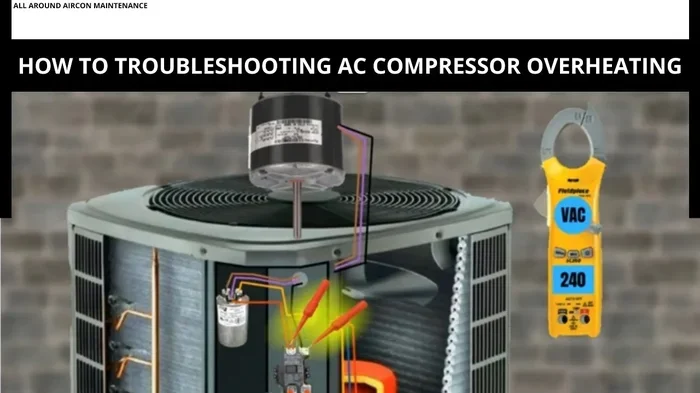
There is nothing more frustrating than walking up to your air conditioner on a hot day and finding that the compressor has already shut off. You hear a click, feel warm air blowing from the vents, and wonder what went wrong. An ac compressor overheating and shutting off is a common problem that homeowners face, especially during the peak of summer. The good news is that most causes are fixable, and understanding them early can save you from an expensive ac compressor repair bill.
In this article, we will walk through every reason your ac compressor might be running hot and cutting out. We will cover simple fixes you can do yourself and warning signs that mean it is time to call a pro. Let us get into it.
## What Happens When an AC Compressor Overheats
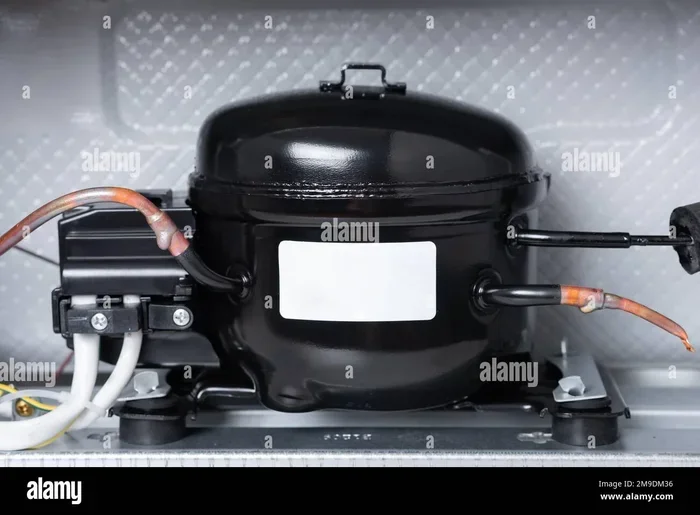
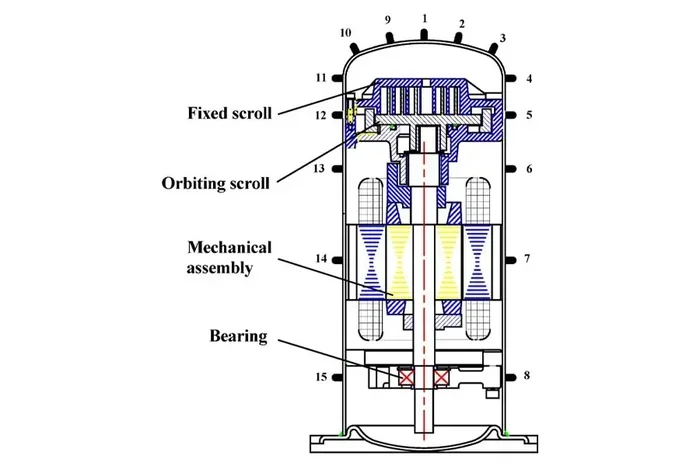
Before we dive into the causes, it helps to understand what is actually going on inside your unit. The ac compressor is the heart of your cooling system. It pumps refrigerant through the coils and keeps your home comfortable. When it overheats, a built-in safety mechanism kicks in. This is called the thermal overload, and it shuts the compressor down to prevent permanent damage.
The problem is that this safety feature can trigger repeatedly if the underlying issue is not fixed. Each time the ac compressor shuts off and restarts, it puts more strain on the system. Over time, this leads to worn parts, higher energy bills, and eventually a full ac compressor failure.
### Why Does My AC Compressor Keep Shutting Off?
There is no single answer to this question. Multiple factors can cause your ac compressor to overheat and trip off. Some are simple maintenance issues. Others are electrical or mechanical problems that need a trained technician. Let us break down the most common causes one by one.
## Dirty Condenser Coils Cause Overheating
The condenser coils sit outside your home and are responsible for releasing heat from the refrigerant. Over time, dirt, dust, leaves, and debris build up on these coils. When the coils are dirty, they cannot release heat properly. This causes the ac compressor to work harder and run hotter than it should.
### How Dirty Coils Lead to AC Compressor Overheating
Think of it like trying to cool down a hot engine with a blanket over the radiator. The heat has nowhere to go. The compressor keeps running, the temperature climbs, and eventually the thermal overload trips. This is one of the most common reasons an ac compressor overheats and shuts off, especially in homes with lots of trees or pollen in the air.
### How to Fix It
– Turn off the unit and remove any visible debris from the outdoor unit.
– Use a garden hose to gently spray water between the fins of the condenser coil.
– Avoid using a pressure washer, as it can bend the delicate fins.
– Schedule a professional ac condenser coil cleaning at least once a year.
A clean condenser coil can make a huge difference in how well your ac compressor cooling system performs.
## Low Refrigerant Levels Starve the Compressor
Refrigerant is the liquid that absorbs heat from your home and carries it outside. If your system has a refrigerant leak, the levels drop. When refrigerant is low, the ac compressor has to work much harder to cool your home. This extra strain causes the compressor to overheat and eventually shut down.
### Signs of Low Refrigerant
– Ice forming on the copper lines near the outdoor unit.
– Warm air coming from the vents even when the AC is running.
– Hissing or bubbling sounds near the indoor unit.
– The ac compressor runs for a short time and then shuts off.
If you suspect low refrigerant, do not try to refill it yourself. A licensed technician can find the leak, repair it, and recharge the system properly.
## Electrical Problems Can Trigger AC Compressor Shutdown
Electrical issues are one of the most serious causes of ac compressor overheating. Your compressor relies on a steady flow of electricity to run smoothly. When something goes wrong in the electrical system, the compressor can overheat in minutes.
### Faulty Capacitor
The capacitor gives the ac compressor the electrical boost it needs to start and run. Over time, capacitors wear out. A failing capacitor may send inconsistent power to the compressor, causing it to strain and overheat. This is a very common reason an ac compressor shuts off shortly after starting.
### Tripping Circuit Breaker
If your ac compressor keeps tripping the breaker, that is a clear sign of an electrical problem. The breaker is doing its job by cutting power to prevent a fire. Common electrical causes include:
– Loose or corroded wiring connections.
– A short circuit in the compressor motor.
– Damaged electrical cables leading to the outdoor unit.
– An overloaded circuit shared with other high-power appliances.
### Power Supply Issues and Generator Use
Some homeowners run their AC on a portable generator during power outages or in RVs and campers. If your power supply is not strong enough, the ac compressor may struggle to start and overheat as a result. If you are using a generator, make sure it is the right size for your cooling system. You can learn more about how big of a generator you need for your camper to avoid power supply problems that stress your ac compressor.
### Electrical Load and Generator Capacity
Your ac compressor needs a dedicated circuit with enough amperage to run safely. When other devices share the same circuit, the ac compressor may not get the electrical load it needs. This can cause it to run hot and shut off. Understanding your electrical load is important, and you can read more about what size generator to run refrigerator and freezer systems to get a sense of proper power sizing for your home.
## Short Cycling Damages the Compressor Over Time
Short cycling happens when your ac compressor turns on and off too frequently. Instead of running in long, steady cycles, it kicks on for a few minutes and shuts off again. This constant stopping and starting causes the compressor to heat up repeatedly without enough time to cool down.
### What Causes Short Cycling?
– A clogged air filter restricting airflow.
– A thermostat that is malfunctioning or placed in a bad location.
– An oversized AC unit that cools the space too quickly.
– Low refrigerant causing the system to lose pressure fast.
– A dirty evaporator coil limiting heat exchange.
### How to Stop Short Cycling
– Replace your air filter every 30 to 90 days.
– Make sure your thermostat is away from heat sources like windows or lamps.
– Have a technician check the refrigerant levels and system pressure.
– Do not ignore the ac compressor reset button if it keeps tripping.
Short cycling is one of the sneaky causes of ac compressor overheating because it happens so gradually that many homeowners do not notice it at first.
## How to Tell If Your AC Compressor Is Overheating
Catching the signs early can save you from a complete ac compressor failure. Here are the most common warning signs that your compressor is running too hot:
1. The AC shuts off before your home reaches the set temperature.
2. You notice warm air blowing from the vents even after the system has been running.
3. The outdoor unit makes unusual clicking, buzzing, or grinding noises.
4. The ac compressor reset button keeps tripping.
5. You see ice building up on the refrigerant lines.
6. Your energy bills spike without any change in usage.
7. The unit smells like burning plastic or hot metal near the outdoor unit.
If you notice any of these signs, turn the system off and let it cool down. Then check for the most common causes like a dirty filter or blocked outdoor unit.
## How to Prevent AC Compressor Overheating
Prevention is always cheaper than repair. A little regular maintenance can keep your ac compressor running smoothly for years. Here is what you should do:
### 1. Clean the Outdoor Unit Regularly
Keep at least two feet of clear space around the outdoor condenser unit. Remove leaves, grass clippings, and dirt that collect on the coils. A clean unit releases heat efficiently and prevents the ac compressor from overworking.
### 2. Change Your Air Filter on Schedule
A dirty filter blocks airflow and forces the entire system to work harder. Set a reminder to check your filter every month during heavy use seasons. A clean filter is one of the simplest ways to prevent ac compressor overheating.
### 3. Schedule Professional Maintenance Twice a Year
A trained HVAC technician can spot small problems before they become big ones. During a maintenance visit, the tech will check refrigerant levels, inspect electrical connections, clean the coils, and test the capacitor. This is the best way to keep your ac compressor cooling system in top shape.
### 4. Monitor Your Thermostat Settings
Set your thermostat to a reasonable temperature, especially on the hottest days. Setting it too low forces the compressor to run longer and harder. A smart thermostat can help you maintain a steady temperature without overworking the system.
### 5. Upgrade Old or Failing Electrical Components
If your home has older wiring or a weak electrical panel, it may not support modern ac compressor demands. An electrician can evaluate your panel and upgrade it if needed. This is especially important if you are running multiple high-power appliances on the same circuit.
## When to Call a Professional for AC Compressor Repair
Some ac compressor overheating problems are simple to fix. Others require a professional. You should call a licensed HVAC technician if:
– The compressor shuts off repeatedly even after you clean the coils and replace the filter.
– You hear loud grinding or knocking sounds coming from the outdoor unit.
– There is a burning smell or visible smoke from the unit.
– The ac compressor will not turn back on after it shuts off.
– You suspect a refrigerant leak or low refrigerant levels.
– The breaker keeps tripping when the AC runs.
Trying to fix serious electrical or mechanical issues on your own can be dangerous. A professional has the tools and training to diagnose the problem safely and fix it right.
### How Much Does AC Compressor Repair Cost?
The cost varies widely depending on the problem. A simple capacitor replacement might cost a few hundred dollars. A full ac compressor replacement can run anywhere from $1,200 to $3,000 or more, depending on the unit size and model. If your compressor is old and the repair cost is high, it may make more sense to invest in a new, energy-efficient unit. If you are looking at replacement options, you can check how much a Generac generator or a new AC system might cost to help you budget for the upgrade.
## Final Thoughts
An ac compressor overheating and shutting off is a problem you should not ignore. Whether it is dirty coils, low refrigerant, electrical issues, or short cycling, the root cause will not fix itself. The sooner you identify the problem and take action, the less likely you are to face a major breakdown in the middle of a heatwave.
Keep up with regular maintenance, watch for warning signs, and do not hesitate to call a professional when the problem goes beyond a simple fix. Your ac compressor works hard every day to keep your home comfortable. A little care goes a long way in making sure it keeps running for years to come.
Key Takeaways
- Dirty condenser coils and low refrigerant are the two most common reasons an ac compressor overheats and shuts off.
- Electrical issues like a bad capacitor, tripping breaker, or loose wiring can cause your ac compressor to overheat quickly.
- Short cycling puts extra stress on the compressor and leads to repeated shutdowns and long-term damage.
- Regular maintenance including coil cleaning and refrigerant checks can prevent most ac compressor overheating problems.
- Knowing when to call a professional saves money and prevents dangerous ac compressor electrical issues from worsening.
- Power supply problems, especially when using a generator, can starve your ac compressor of the electricity it needs to run safely.
Frequently Asked Questions
What causes an AC compressor to overheat and shut off?
The most common causes are dirty condenser coils, low refrigerant levels, a faulty capacitor, electrical issues, and short cycling. Each of these problems forces the compressor to work harder than it should, triggering the thermal overload and shutting the unit down.
Can a dirty air filter cause my AC compressor to overheat?
Yes, absolutely. A clogged filter restricts airflow through the system, which causes the evaporator coil to freeze and the compressor to overheat. Replacing your filter every 30 to 90 days is one of the easiest ways to prevent this.
How do I reset my AC compressor after it overheats?
First, turn the thermostat off and let the unit cool down for at least 30 minutes. Then, check your breaker box and reset the breaker if it has tripped. If the compressor starts again and runs normally, the issue may have been temporary. If it shuts off again, call a technician.
Is it safe to keep using my AC if the compressor keeps shutting off?
No, repeated shutdowns put extra stress on the compressor and can lead to permanent damage. Each time the unit restarts, it draws extra power and generates more heat. Turn the system off and investigate the cause before running it again.
How much does it cost to repair an overheating AC compressor?
Costs range from $200 for simple fixes like a capacitor replacement to over $3,000 for a full compressor replacement. The exact cost depends on the problem, your unit model, and your local labor rates. Always get a quote from a licensed technician before committing to a major repair.
Can using a generator cause my AC compressor to overheat?
Yes, if the generator does not provide enough power or delivers unstable voltage, the ac compressor may struggle to run and overheat. Make sure your generator is properly sized for your cooling system, and consider checking our guide on how much a Generac generator costs if you are looking at reliable backup power options.
=== CONCLUSION ===
An ac compressor overheating and shutting off is a warning sign that should never be ignored. Whether the cause is something simple like a dirty coil or something more serious like an electrical failure, acting quickly protects your system and your comfort. Regular maintenance, prompt repairs, and attention to warning signs are the best ways to keep your ac compressor running efficiently for years. Take care of your cooling system today, and it will take care of you when the summer heat arrives.