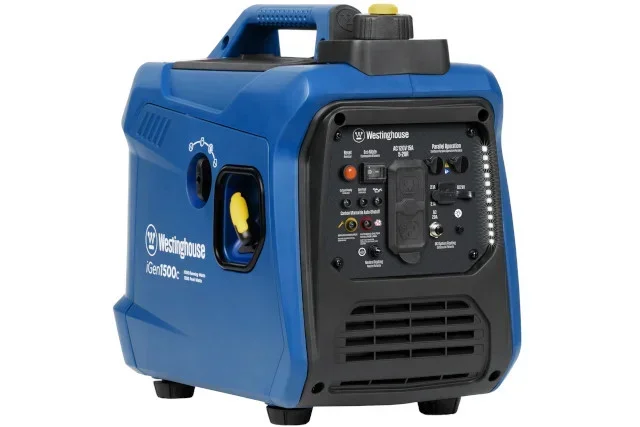
Why a 1500 Watt Generator Is Perfect for Your Needs
A 1500 watt generator delivers reliable power for essential devices during outages, outdoor adventures, and small projects. It is compact, fuel-efficient, and easy to transport, making it one of the most practical portable power solutions available. This guide covers everything you need to know about choosing, using, and getting the most from a 1500 watt generator.
Have you ever been stuck without power and wished you had a simple, reliable solution? A 1500 watt generator might be exactly what you need. It is small enough to carry to a campsite yet powerful enough to keep your essentials running during a blackout. In this guide, we will walk you through everything you need to know about these handy machines.
Whether you are preparing for storm season, planning a weekend in the woods, or need backup power for your tools, a 1500 watt generator strikes the perfect balance between size and capability. Let us dive in and explore why this wattage has become a favorite among homeowners and outdoor enthusiasts alike.
Key Takeaways
- Perfect Size: A 1500 watt generator handles essential appliances without being oversized or wasteful.
- Portable and Lightweight: Most models weigh under 50 pounds, making them easy to move anywhere.
- Fuel Efficient: These generators sip fuel, giving you longer runtime per gallon compared to larger units.
- Versatile Uses: From camping to backup power, a 1500 watt generator fits many situations.
- Quiet Operation: Smaller wattage means less noise, ideal for campsites and neighborhoods.
- Cost Effective: They cost less to buy and maintain than higher-wattage models.
📑 Table of Contents
- What Is a 1500 Watt Generator?
- Why Choose a 1500 Watt Generator?
- Common Uses for a 1500 Watt Generator
- How to Choose the Right 1500 Watt Generator
- Tips for Getting the Most From Your 1500 Watt Generator
- Maintenance Essentials for Your Generator
- How Long Does a Generator Battery Last?
- Is a 1500 Watt Generator Right for You?
- Final Thoughts
What Is a 1500 Watt Generator?
A 1500 watt generator is a small portable power unit that produces up to 1500 watts of continuous electrical output. Think of it as a compact power plant you can wheel around your yard or toss in your truck. These generators typically run on gasoline, propane, or sometimes a dual-fuel setup.
Unlike larger standby units that power your entire house, a 1500 watt generator focuses on keeping the essentials going. We are talking about lights, phones, a small fridge, a fan, or a laptop. It is not meant to run an entire air conditioning system or heavy-duty power tools. But for everyday needs, it does the job beautifully.
Most models in this category are inverter generators. This means they produce clean, stable power that is safe for sensitive electronics like computers and TVs. If you want to learn more about how generators work in general, check out our guide on electrical generators for a deeper look at the technology behind them.
How Much Power Does 1500 Watts Really Mean?
Fifteen hundred watts might sound abstract. Let us make it real. A typical refrigerator uses about 700 watts to start and 200 watts to run. A laptop pulls around 50 to 100 watts. A few LED lights use maybe 30 to 50 watts total. A phone charger uses about 10 watts. Add all of that up and you are well within the 1500 watt limit.
Here is a quick breakdown of what a 1500 watt generator can typically handle:
- Lights and small electronics: 100 to 300 watts
- Laptop and phone charging: 100 to 200 watts
- Small refrigerator: 200 to 700 watts
- Fan or small heater: 50 to 1500 watts
- CPAP machine: 30 to 100 watts
The key takeaway is that a 1500 watt generator covers the basics with room to spare. You just cannot plug in everything in your house at once, and that is perfectly fine.
Why Choose a 1500 Watt Generator?
You might wonder why you should pick a 1500 watt generator instead of a bigger one. There are several really good reasons that make this size a sweet spot for many users.
Portability and Ease of Use
One of the biggest advantages of a 1500 watt generator is how easy it is to move around. Most units weigh between 30 and 50 pounds. They come with built-in handles or wheels, so you can carry them to a tailgate, a camping spot, or a job site without breaking a sweat. Larger generators can weigh 100 pounds or more and often require two people to move.
This portability also means you can store it easily in a closet or garage when not in use. No need for a dedicated shed or permanent installation. Just fold it away until you need it next.
Fuel Efficiency and Runtime
Smaller generators burn less fuel. A 1500 watt generator uses significantly less gasoline or propane than a 3000 or 5000 watt unit. This translates to longer runtime on a single tank and lower fuel costs over time.
Many models can run for 8 to 12 hours on a half-load tank. That means you can power your essentials through the night without refueling. If you want to understand more about fuel consumption for different generator sizes, our article on how much natural gas a generator uses provides detailed fuel efficiency data.
Affordability
Let us talk money. A 1500 watt generator is one of the most budget-friendly options on the market. You can find solid models in the $200 to $500 range. Compare that to a 5000 watt standby unit that can cost $1500 or more. The price difference is significant, and for most households, a 1500 watt unit covers 80% of their backup power needs at a fraction of the cost.
Quiet Operation
Nobody wants a generator that sounds like a jet engine. 1500 watt generators are generally much quieter than their larger counterparts. Many models operate at around 50 to 60 decibels, which is about the volume of a normal conversation. This makes them great for camping trips, residential neighborhoods, and outdoor events where noise matters.
Common Uses for a 1500 Watt Generator
The versatility of a 1500 watt generator is what makes it so popular. Let us look at the most common ways people put these machines to work.
Home Backup Power
When the power goes out, a 1500 watt generator keeps your most important devices running. You can power lights, charge your phone, run a small refrigerator, and keep your Wi-Fi router going. It will not run your central air or electric stove, but it keeps you comfortable and connected until the grid comes back.
For those wondering about sizing for backup needs, our guide on how big of a backup generator you need can help you find the right fit for your home.
Camping and Outdoor Adventures
Camping with a 1500 watt generator is a game changer. You can power a portable speaker, charge cameras and phones, run a small camping fridge, and light up your campsite. The compact size means it fits easily in a truck bed or SUV cargo area. And the quiet operation keeps the peace at the campsite.
Job Sites and Workshops
Contractors and DIY enthusiasts love these generators for job site power. They can run a circular saw, a drill press, a sander, and charge batteries all at the same time. The lightweight design means you can move it around the site as needed without much effort.
Tailgating and Outdoor Events
Game day tailgating gets a serious upgrade with a 1500 watt generator. Power your grill lights, a portable speaker system, a popcorn maker, or a small TV. It adds comfort and convenience to any outdoor gathering without the bulk of a larger unit.
How to Choose the Right 1500 Watt Generator
Not all generators are created equal. When shopping for a 1500 watt generator, there are a few key factors to keep in mind.
Fuel Type
Most 1500 watt generators run on regular gasoline, which is easy to find and store. Some models offer dual-fuel capability, allowing you to switch between gasoline and propane. Propane burns cleaner and has a longer shelf life, which is great for emergency storage. Each fuel type has its pros and cons, so think about your specific needs before deciding.
Inverter vs. Conventional
Inverter generators are the better choice for most users. They produce cleaner power that is safe for laptops, phones, and TVs. Conventional generators are cheaper but produce rougher power that can damage sensitive electronics. For a 1500 watt generator, the inverter type is almost always the way to go.
Runtime and Tank Size
Look for a model that gives you at least 8 hours of runtime at half load. A larger fuel tank means fewer refills, which is especially important during overnight use or extended outages. Check the specs carefully before buying.
Noise Level
Noise matters, especially if you plan to use the generator near your home or at a campsite. Look for models rated at 55 decibels or lower. Many modern 1500 watt generators are designed with quiet operation as a priority.
Outlet Options
Check how many outlets the generator has and what types they are. You want a mix of USB ports, 120V AC outlets, and maybe a 12V DC outlet. More outlets mean you can power multiple devices at once without needing extension cords everywhere.
Tips for Getting the Most From Your 1500 Watt Generator
Owning a generator is only half the battle. Proper use and maintenance make a huge difference in performance and lifespan.
Always run it outdoors. Generators produce carbon monoxide, which is deadly. Never use one inside your home, garage, or tent. Place it at least 20 feet from your house with the exhaust pointing away from windows and doors.
Let it warm up before plugging in devices. Give the engine a minute or two to stabilize before connecting your appliances. This protects both the generator and your electronics.
Do not overload it. A 1500 watt generator has a limit. If you plug in too many devices, you will trip the breaker or damage the unit. Add up the wattage of everything you plan to run before you start.
Store fuel properly. Use a clean, approved container and add fuel stabilizer if you plan to store the generator for more than a month. Old gasoline can gum up the engine and cause starting problems.
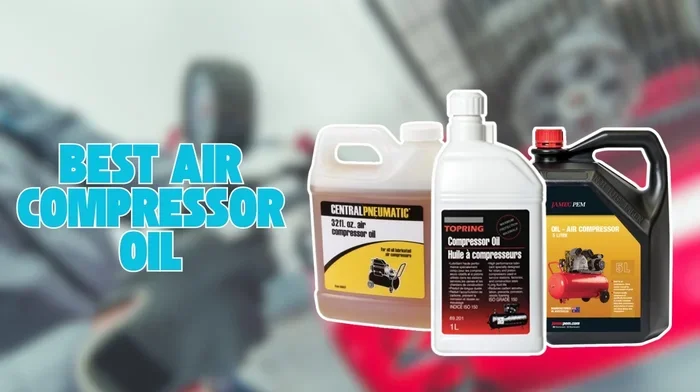
Change the oil regularly. Check the oil level before each use and change it according to the manufacturer’s schedule. This keeps the engine running smoothly for years.
Keep it dry. Use a generator cover or shelter it from rain and snow. Water and electricity do not mix, and moisture can cause serious damage to the engine and outlets.
Maintenance Essentials for Your Generator
A 1500 watt generator is low maintenance compared to larger units, but it still needs regular care. Here is a simple maintenance checklist to keep your generator in top shape:
- Check the oil level before every use
- Change the oil every 50 to 100 hours of operation
- Replace the air filter every 3 to 6 months
- Clean the spark plug annually
- Run the generator for 15 minutes once a month to keep the engine fresh
- Store fuel in a cool, dry place with stabilizer added
- Inspect the power cords and outlets for wear or damage
Following these simple steps will extend the life of your generator and ensure it starts reliably whenever you need it. If you are troubleshooting issues or want to learn about testing procedures, our generator testing guide offers practical tips for keeping your unit in peak condition.
How Long Does a Generator Battery Last?
Battery life depends on usage, maintenance, and the type of generator you own. For a 1500 watt generator, the battery typically lasts 3 to 5 years with proper care. Regular use and timely maintenance go a long way in extending battery life. If you want detailed information about battery longevity, our article on how long a generator battery lasts covers this topic in depth.
Is a 1500 Watt Generator Right for You?
A 1500 watt generator is ideal if you need power for essentials, not your entire household. It is perfect for homeowners who want a lightweight, affordable backup option. It is also great for campers, tailgaters, and anyone who needs portable power on the go.
If you have a larger home with high power demands or need to run heavy equipment, you might need a bigger unit. But for the majority of everyday situations, 1500 watts hits the sweet spot. It is enough to keep you comfortable and connected without the bulk, cost, or fuel consumption of a larger generator.
Think about what you need to power during an outage or adventure. Make a list of those devices and add up their wattage. If the total stays under 1500 watts, you are in great shape with a 1500 watt generator. It is practical, affordable, and surprisingly capable for its size.
Final Thoughts
A 1500 watt generator is one of the smartest investments you can make for home preparedness and outdoor fun. It is compact, quiet, fuel-efficient, and affordable. Whether you are bracing for storm season or planning a weekend in the wilderness, this size generator delivers reliable power without the hassle.
We have covered the basics of what a 1500 watt generator can do, how to choose the right model, and how to maintain it for years of service. The key is to match the generator to your actual power needs and use it safely and responsibly. With the right unit and proper care, you will have dependable power whenever you need it most.
Take some time to compare models, read reviews, and pick the one that fits your lifestyle best. A good 1500 watt generator will serve you well for many years to come.
Frequently Asked Questions
What can a 1500 watt generator power?
A 1500 watt generator can power essential devices like lights, phones, laptops, a small refrigerator, a fan, and a CPAP machine. It is not strong enough to run heavy appliances like a central air conditioner or an electric oven, but it handles everyday essentials with ease.
How long can a 1500 watt generator run on a full tank?
Most models run for 8 to 12 hours at half load on a full tank. Runtime varies based on the fuel tank size, load, and model. Running at full load will reduce runtime, while running at lighter loads extends it significantly.
Is a 1500 watt generator loud?
Most modern 1500 watt generators are quite quiet, operating around 50 to 60 decibels. That is about the same volume as a normal conversation. Inverter models tend to be even quieter, making them great for camping and residential use.
Can I use a 1500 watt generator indoors?
No. You should never use a generator indoors or in enclosed spaces. Generators produce carbon monoxide, which is odorless and deadly. Always run your 1500 watt generator outdoors, at least 20 feet from your home, with exhaust pointing away from windows and doors.
What is the difference between starting watts and running watts?
Starting watts, also called surge watts, are the extra power needed to start motor-driven appliances like refrigerators. Running watts are the continuous power needed to keep devices operating. A 1500 watt generator refers to its running wattage, and its starting wattage is usually a bit higher.
How much does a 1500 watt generator cost?
You can find a decent 1500 watt generator for between $200 and $500. Prices vary based on brand, features, fuel type, and build quality. Inverter models tend to cost a bit more but offer cleaner power and quieter operation, which is worth the investment for most users.