Dresser Rand Compressor Parts and Finding the Right Ones
Finding the correct Dresser Rand compressor parts is essential for keeping your industrial equipment running smoothly and efficiently. Whether you need OEM components or reliable aftermarket alternatives, this guide walks you through everything you need to know. Learn how to identify the right parts, avoid common mistakes, and extend the life of your compressor system.
Key Takeaways
- Know Your Compressor Model: Always identify your exact Dresser Rand compressor model before purchasing any parts to ensure proper fit and performance.
- OEM vs Aftermarket Matters: OEM parts offer guaranteed compatibility, while quality aftermarket parts can save money without sacrificing reliability.
- Regular Maintenance Saves Money: Routine inspection and timely replacement of wear parts prevents costly breakdowns and downtime.
- Buy from Trusted Sources: Purchase Dresser Rand compressor parts from authorized dealers or reputable suppliers to avoid counterfeits.
- Common Wear Parts Need Attention: Valves, seals, bearings, and filter elements are the most frequently replaced components.
- Documentation Is Key: Keep part numbers, serial numbers, and maintenance records handy for faster replacements.
📑 Table of Contents
- Dresser Rand Compressor Parts and How to Find the Right Ones
- Understanding Dresser Rand Compressor Parts
- Common Dresser Rand Compressor Parts You Will Need
- How to Find the Right Dresser Rand Compressor Parts
- OEM vs Aftermarket Dresser Rand Compressor Parts: A Comparison
- Maintaining Your Dresser Rand Compressor for Longevity
- Where to Buy Dresser Rand Compressor Parts
- How to Save Money on Dresser Rand Compressor Parts
- Conclusion
Dresser Rand Compressor Parts and How to Find the Right Ones
If you operate or maintain industrial compressed air systems, you already know how important it is to keep everything running. Dresser Rand compressor parts play a huge role in that mission. These compressors have been a trusted name in industrial settings for decades. They power manufacturing plants, oil and gas operations, and countless other facilities around the world.
But here is the challenge. When a part wears out or breaks, finding the right replacement is not always simple. The market is full of options, and choosing the wrong component can lead to bigger problems down the road. This guide will help you navigate the world of Dresser Rand compressor replacement parts with confidence. You will learn what parts exist, how to find them, and how to make smart buying decisions every time.
Whether you are a seasoned maintenance professional or someone new to compressor systems, this article has practical advice you can use right away. Let us dive in and make sure your compressor keeps running at peak performance.
Understanding Dresser Rand Compressor Parts
Before you start shopping for parts, it helps to understand what you are working with. Dresser Rand compressors come in several designs, and each type uses different components. Knowing the basics will make your search much easier and faster.
Types of Dresser Rand Compressors
Dresser Rand manufactures several compressor categories. Each one serves different industrial needs and uses different components.
- Rotary Screw Compressors: These are the workhorses of many factories. They provide continuous compressed air for heavy-duty applications. Key parts include rotors, housings, and slide valves.
- Reciprocating Compressors: These use pistons and cylinders to compress air or gas. They are common in oil and gas applications. Critical parts include piston rings, valves, and connecting rods.
- Centrifugal Compressors: These handle high-flow applications. They use impellers and diffusers to compress gas. They are often found in large-scale industrial plants.
- Scroll Compressors: These are smaller and quieter. They use spiraling components to compress air. They are common in medical and dental facilities.
Each compressor type requires specific industrial compressor components. That is why knowing your exact model matters so much. A part designed for a rotary screw will not work in a reciprocating unit, and vice versa.
Why Dresser Rand Parts Matter
Dresser Rand has built a reputation for durability and performance. Their compressors are engineered to exact standards. When you use the right compressor OEM parts, you maintain that engineering integrity. Using incorrect or low-quality substitutes can reduce efficiency, increase energy costs, and even damage other components in the system.
Think of it like this. You would not put the wrong fuel in a high-performance engine. The same logic applies to compressor parts. The right Dresser Rand compressor components ensure your system operates safely, efficiently, and reliably.
Common Dresser Rand Compressor Parts You Will Need
Over time, every compressor needs replacement parts. Some components wear out faster than others. Understanding the most common parts helps you stay ahead of maintenance needs.
Wear Parts That Need Regular Replacement
These are the parts that experience the most friction and stress during operation:
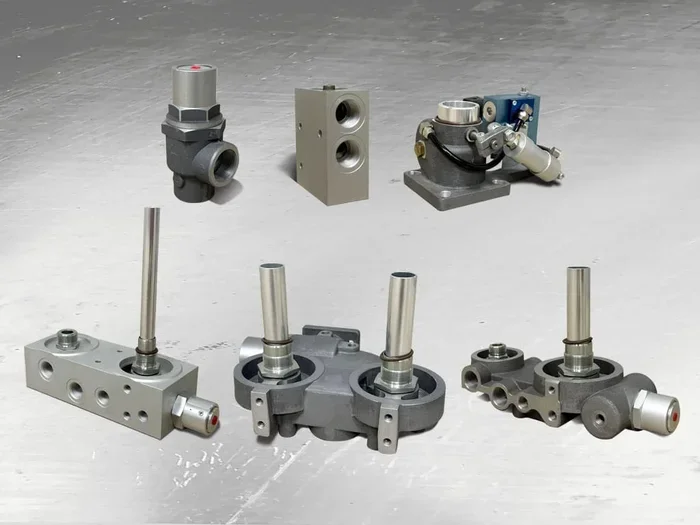
- Valves: Suction and discharge valves control airflow. They open and close thousands of times per hour. Worn valves reduce efficiency and can cause pressure drops.
- Seals and Gaskets: These prevent air or gas leaks. Over time, heat and pressure cause them to degrade. Replacing seals regularly prevents energy waste.
- Bearings: Bearings support rotating components. They reduce friction and heat. When bearings fail, they can cause catastrophic damage to the compressor.
- Piston Rings: In reciprocating compressors, piston rings seal the combustion chamber. Worn rings lead to lost compression and higher energy bills.
- Filter Elements: Clean air intake is essential. Clogged filters force the compressor to work harder, reducing its lifespan.
Major Components That Require Less Frequent Replacement
Some parts last longer but still need attention eventually:
- Impellers: Found in centrifugal compressors. These spin at high speeds to compress gas. Damage from foreign objects or corrosion requires replacement.
- Compressor Housing: The outer shell protects internal components. Cracks or warping from overheating may require housing replacement.
- Control Systems: Modern Dresser Rand compressors use sophisticated control panels. Sensors, relays, and controllers manage operations and safety.
- Shafts and Couplings: These transfer power between the motor and compression elements. Wear or fatigue can cause vibration and misalignment.
Keeping track of these parts and their typical lifespan helps you plan maintenance schedules. It also prevents unexpected downtime that can cost thousands of dollars per hour in lost production.
How to Find the Right Dresser Rand Compressor Parts
Now that you know what parts you need, the next step is finding them. This process requires some research and attention to detail. But with the right approach, it becomes much simpler.
Step 1: Identify Your Compressor Model
Every Dresser Rand compressor has a model number and serial number. This information is your starting point for finding the correct parts. You can usually find this on a nameplate attached to the compressor unit.
Write down the model number, serial number, and any specification details. This information will help suppliers match the exact parts you need. Without it, you risk ordering incompatible components that could cause serious problems.
Step 2: Locate the Part Number
Most replacement parts have a specific part number printed or stamped on them. If you are replacing a failed component, try to read the part number from the old part. If that is not possible, consult the Dresser Rand parts catalog for your specific model.
Many suppliers offer online parts lookup tools. You enter your model number, and the system shows all compatible components. This saves a lot of time and reduces the risk of ordering the wrong part.
Step 3: Choose Between OEM and Aftermarket
This is one of the most important decisions you will make. Both options have pros and cons that you should weigh carefully.
What Are OEM Parts?
OEM stands for Original Equipment Manufacturer. These parts are made by Dresser Rand or under their direct specifications. They match the exact design and material standards of the original component.
Benefits of OEM compressor replacement parts include:
- Guaranteed compatibility with your compressor model
- Consistent performance and reliability
- Full warranty coverage
- Preservation of compressor efficiency and lifespan
The downside is cost. OEM parts typically carry a higher price tag. However, many operators find that the reliability and warranty justify the investment.
What Are Aftermarket Parts?
Aftermarket parts are made by third-party manufacturers. They are designed to fit and function like OEM parts but at a lower cost. The quality of aftermarket Dresser Rand compressor parts varies widely between suppliers.
Benefits of quality aftermarket parts include:
- Lower purchase price
- Wider availability for older or discontinued models
- Shorter lead times in many cases
- Comparable performance when sourced from reputable manufacturers
The risk is inconsistency. Some aftermarket parts do not meet the same quality standards. This can lead to premature failure, reduced efficiency, and even voided warranties. Always buy aftermarket parts from trusted suppliers who specialize in industrial compressor components.
Quick Tips for Finding Parts
- Keep a digital copy of your compressor manual and parts list.
- Build relationships with reliable parts suppliers who know Dresser Rand equipment.
- Always verify part numbers before placing an order.
- Buy spare parts for components that fail frequently.
- Ask suppliers about return policies in case of ordering errors.
OEM vs Aftermarket Dresser Rand Compressor Parts: A Comparison
Choosing between OEM and aftermarket parts is a common dilemma for maintenance teams. Let us look at the key factors side by side.
| Factor | OEM Parts | Aftermarket Parts |
|---|---|---|
| Compatibility | Exact match guaranteed | Varies by supplier; quality depends on manufacturer |
| Price | Higher cost | Typically 30-50% less expensive |
| Warranty | Full manufacturer warranty | Limited or no warranty from original manufacturer |
| Availability | Readily available for current models | Often available for older or discontinued models |
| Quality | Consistent with original specifications | Varies; top suppliers offer comparable quality |
| Lead Time | May be longer for obsolete models | Often faster for hard-to-find parts |
| Best For | Critical applications and warranty coverage | Budget-conscious operations and older equipment |
There is no one-size-fits-all answer. The best choice depends on your budget, the criticality of the application, and the age of your compressor. Many facilities use a mix of both OEM and aftermarket parts based on these factors.
Maintaining Your Dresser Rand Compressor for Longevity
Finding the right parts is only half the battle. Proper maintenance ensures those parts perform well and last as long as possible. A proactive maintenance strategy saves money and prevents unexpected failures.
Create a Regular Maintenance Schedule
Consistency is the foundation of good compressor care. Set up a maintenance calendar that includes:
- Daily: Check oil levels, listen for unusual sounds, and inspect for visible leaks.
- Weekly: Inspect air filters and clean any debris from the compressor area.
- Monthly: Check belt tension, inspect seals, and verify pressure gauge readings.
- Quarterly: Replace filter elements, check valve operation, and inspect bearings for wear.
- Annually: Perform a comprehensive inspection. Replace all compressor wear parts that are approaching end of life.
Following this schedule keeps your Dresser Rand compressor parts in top condition and extends the overall life of the equipment.
Common Maintenance Mistakes to Avoid
Even experienced operators sometimes make mistakes that shorten compressor life. Watch out for these common errors:
- Skipping Filter Changes: Dirty filters restrict airflow and cause the compressor to overwork. This leads to premature wear on internal components.
- Ignoring Small Leaks: A small leak might seem harmless, but it wastes energy and puts stress on the system. Fix leaks promptly.
- Using Wrong Parts: Never substitute parts from a different model or brand without verifying compatibility. Even small differences in dimensions or materials can cause failure.
- Neglecting Lubrication: Proper lubrication reduces friction and heat. Running a compressor low on oil even briefly can cause serious internal damage.
- Delaying Repairs: A small problem today becomes a big problem tomorrow. Address issues as soon as they are discovered.
Expert Insight on Compressor Maintenance
Experienced maintenance professionals often say that the best compressor is the one that is well-maintained. The Dresser Rand compressor parts themselves are designed to last, but they need consistent care to reach their full lifespan. Investing time in regular inspections and preventive maintenance pays off many times over in reduced downtime and lower repair costs.
One tip from seasoned technicians is to keep a spare parts kit on hand for the components that fail most often. This includes common seals, filter elements, and valve parts. Having these ready means you can fix problems immediately instead of waiting for parts to arrive.
Where to Buy Dresser Rand Compressor Parts
Finding a reliable source for Dresser Rand compressor parts is just as important as knowing which parts you need. The wrong supplier can lead to counterfeit parts, long wait times, and poor customer service.
Authorized Dealers and Distributors
The safest route is to purchase from authorized Dresser Rand dealers. These suppliers have direct relationships with the manufacturer and can guarantee the authenticity of every part they sell. They also typically offer technical support and warranty assistance.
To find an authorized dealer, visit the Dresser Rand website or contact their customer service team directly. They can provide a list of distributors in your region.
Reputable Aftermarket Suppliers
If you prefer aftermarket parts for cost savings, choose suppliers carefully. Look for:
- Specialization in industrial compressor parts
- Positive customer reviews and testimonials
- Clear return and warranty policies
- Certifications or quality assurance programs
- Knowledgeable staff who can verify part compatibility
A good supplier will ask for your compressor model and serial number before recommending parts. If a supplier does not ask these questions, that is a red flag. It suggests they may not be offering the right components for your specific equipment.
Online Marketplaces
Online marketplaces can be convenient, but they come with risks. Counterfeit and low-quality parts are unfortunately common on some platforms. If you buy online, stick to well-known industrial supply websites with verified sellers and clear return policies.
Always cross-reference part numbers with the official Dresser Rand parts catalog before completing a purchase. This simple step can save you from costly mistakes.
How to Save Money on Dresser Rand Compressor Parts
Industrial maintenance budgets are often tight. Finding ways to save on parts without sacrificing quality is a priority for every operations team.
Buy in Bulk for Common Wear Parts
If your facility runs compressors continuously, you go through wear parts regularly. Buying items like filter elements, seals, and gaskets in bulk can significantly reduce per-unit costs. Just make sure you store them properly to prevent degradation before use.
Negotiate Volume Discounts
Many suppliers offer volume pricing for large orders. If you manage multiple compressors or coordinate purchases across several facilities, ask about bulk pricing. Even small discounts add up over time.
Consider Refurbished Parts
For some components, refurbished options are available. These parts are professionally restored to working condition and can offer significant savings. However, only use refurbished parts for non-critical applications, and always verify the quality of the refurbishment process.
Plan Purchases Around Maintenance Cycles
Timing your parts purchases strategically can lead to savings. Many suppliers offer seasonal promotions or clearance deals on overstock items. Align your purchasing with your maintenance calendar to take advantage of these opportunities.
Conclusion
Finding the right Dresser Rand compressor parts does not have to be a frustrating experience. With the right knowledge and approach, you can confidently select components that keep your compressor running efficiently and reliably. Start by identifying your compressor model and the specific parts you need. Then decide whether OEM or aftermarket parts fit your budget and application requirements.
Remember that maintenance is your best investment. Regular inspections, timely replacements, and careful record-keeping all contribute to a longer compressor lifespan and lower overall operating costs. Whether you are replacing a simple filter element or a major impeller, every Dresser Rand compressor component you choose affects the performance of your entire system.
Take the time to find trusted suppliers, verify part numbers, and follow through with proper maintenance. Your compressor will reward you with years of reliable service. And that reliability translates directly into better productivity and lower costs for your operation.
Frequently Asked Questions
What are the most common Dresser Rand compressor parts that need replacing?
The most frequently replaced parts include valves, seals and gaskets, bearings, piston rings, and filter elements. These components experience the most wear during normal operation and should be inspected regularly as part of a routine compressor maintenance schedule.
How do I know if I need OEM or aftermarket Dresser Rand compressor parts?
The choice depends on your budget, the criticality of the application, and whether your compressor is still under warranty. OEM parts guarantee compatibility and full warranty coverage. Aftermarket parts from reputable suppliers offer cost savings and can be a great option for non-critical or older equipment.
Can I use generic compressor parts instead of Dresser Rand-specific parts?
It is not recommended. Generic parts may not match the exact specifications required by your compressor. Using incorrect components can reduce efficiency, cause premature wear, and potentially void your warranty. Always verify compatibility before purchasing any compressor replacement parts.
Where can I find a Dresser Rand parts catalog online?
The official Dresser Rand website provides access to their parts catalog. You can also contact authorized dealers who maintain up-to-date inventories and can look up parts by model and serial number. Having a digital copy of the catalog makes future part searches much faster.
How often should I inspect my Dresser Rand compressor for worn parts?
A thorough inspection should be performed at least quarterly for most industrial applications. Daily visual checks, weekly filter inspections, and annual comprehensive reviews form a solid maintenance routine. The exact frequency depends on how heavily your compressor is used and the operating conditions.
What should I do if I receive the wrong Dresser Rand compressor part?
Contact your supplier immediately and provide the correct part number and compressor model details. Most reputable suppliers have clear return policies and will exchange the incorrect part at no extra cost. Keeping accurate records of your compressor specifications helps prevent these issues in the future.