20 KW Generator The Ultimate Complete Buyer Guide Today
A 20 KW generator is a powerful and versatile machine that can keep your home or business running during a power outage. It strikes the perfect balance between capacity and affordability, making it one of the most popular choices for backup power. This guide covers everything you need to know, from how a 20 KW generator works to choosing the right model for your needs. We also break down fuel options, runtime, costs, and maintenance tips so you can buy with confidence.
A 20 KW generator is one of the most practical and reliable power solutions you can own. Whether you live in an area prone to storms or simply want peace of mind during outages, this size generator hits a sweet spot. It is large enough to handle your essential loads but not so big that it breaks the bank or demands complex installation.
In this guide, we walk you through everything you need to know about the 20 KW generator. We cover how it works, what fuel types are available, how to size it correctly, and what to expect in terms of cost and maintenance. By the end, you will feel confident making the right choice for your home or business.
Let us start with the basics. A 20 KW generator produces 20,000 watts of power. That is enough to run your refrigerator, furnace blower, sump pump, lights, and a few other essentials all at once. For many households, this is the ideal backup power capacity. It keeps your home comfortable and safe without the oversized footprint of a larger unit.
Key Takeaways
- A 20 KW generator delivers enough power to run most essential home systems, including HVAC, lights, and kitchen appliances.
- Diesel, propane, and natural gas are the three main fuel types, each with unique pros and cons for your setup.
- Proper generator sizing is critical, and a 20 KW unit fits many mid-sized homes perfectly.
- Runtime varies by fuel tank size and load, but most 20 KW generators run 8 to 24 hours on a single tank.
- Regular maintenance, including oil changes and load testing, extends the life of your 20 KW generator significantly.
- Professional installation and compliance with local codes ensure safe and efficient operation.
📑 Table of Contents
- What Is a 20 KW Generator and How Does It Work?
- Types of 20 KW Generators
- How to Size a 20 KW Generator for Your Home
- Fuel Consumption and Runtime of a 20 KW Generator
- Cost of a 20 KW Generator
- Maintenance and Care for Your 20 KW Generator
- Benefits of Owning a 20 KW Generator
- Common Mistakes to Avoid When Buying a 20 KW Generator
- Expert Tips for Getting the Most from Your 20 KW Generator
- Final Thoughts on the 20 KW Generator
What Is a 20 KW Generator and How Does It Work?
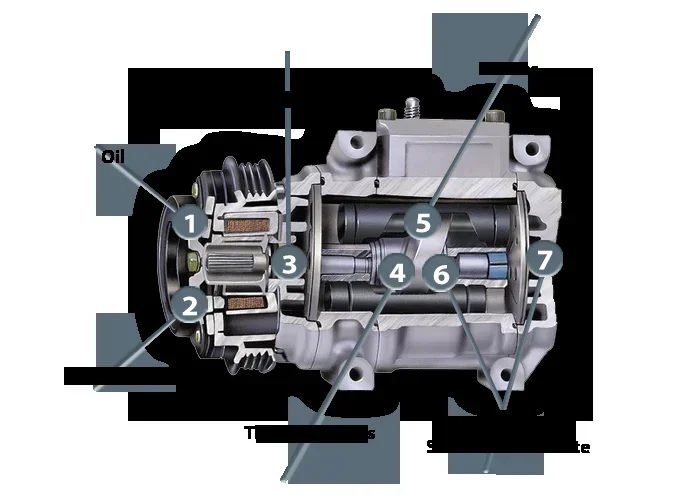
A 20 KW generator converts mechanical energy into electrical energy. Inside the unit, an engine burns fuel to spin an alternator, which then produces electricity. This process is similar to how a car engine works, but instead of turning wheels, it generates power for your home.
The Engine and Alternator
The engine is the heart of the 20 KW generator. It runs on diesel, propane, or natural gas depending on the model. The alternator, also called the generator head, sits connected to the engine. As the engine spins the alternator, it creates alternating current (AC) electricity. This is the same type of power that comes from your wall outlets.
Automatic Transfer Switch
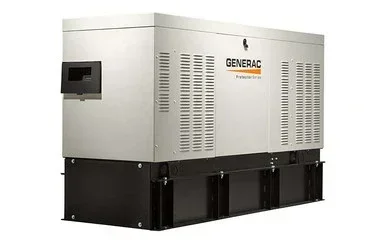
Most 20 KW standby generators come with an automatic transfer switch, or ATS. The ATS monitors your utility power. When it detects an outage, it signals the generator to start. Within seconds, the 20 KW generator takes over and powers your home. When utility power returns, the ATS switches back seamlessly.
Manual vs. Automatic Models
Some 20 KW generators are portable and require manual startup. Others are standby units that turn on automatically. Portable models are more affordable and easier to move around. Standby models offer convenience and are ideal for whole-home backup. Your choice depends on your budget and how much automation you want.
Types of 20 KW Generators
Not all 20 KW generators are the same. They come in different fuel types and configurations. Understanding these options helps you pick the best one for your situation.
Diesel 20 KW Generators
Diesel 20 KW generators are known for durability and fuel efficiency. Diesel burns slower than gasoline, which means longer runtime per gallon. These units are popular for commercial use and homes in colder climates. Diesel engines also tend to last longer with proper generator maintenance.
However, diesel fuel can be harder to find during emergencies. The upfront cost of a diesel 20 KW generator is usually higher than propane or natural gas models. Still, many homeowners feel the long-term value is worth it.
Propane 20 KW Generators
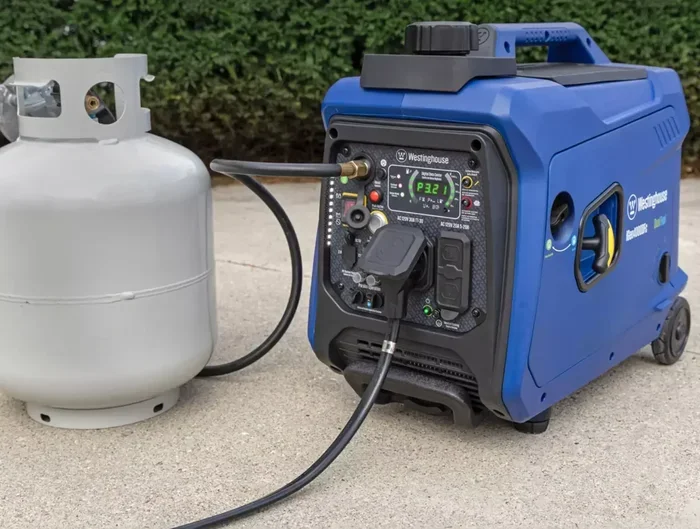
Propane is a clean-burning fuel that stores well for long periods. A 20 KW propane generator connects to an existing propane tank, which is common in rural areas. Propane is also widely available, even during emergencies.
The downside is that propane has a lower energy density than diesel. This means a propane 20 KW generator may use more fuel to produce the same amount of power. Runtime per gallon is typically shorter. But for many homeowners, the availability and cleanliness of propane make it a great choice.
Natural Gas 20 KW Generators
Natural gas 20 KW generators connect directly to your home’s gas line. You never run out of fuel as long as the gas supply stays active. This is a huge advantage during prolonged outages. Natural gas is also one of the cleanest burning fuels.
The trade-off is that natural gas has even lower energy density than propane. A 20 KW natural gas generator will consume more fuel volume to produce the same wattage. Also, if your home does not already have a natural gas connection, installation can be expensive.
Dual-Fuel and Tri-Fuel Options
Some modern 20 KW generators offer dual-fuel or tri-fuel capability. This means the unit can run on two or three different fuels. For example, a dual-fuel model might run on both propane and natural gas. This flexibility is excellent for homeowners who want backup options.
How to Size a 20 KW Generator for Your Home
Sizing is one of the most important steps in buying a 20 KW generator. A unit that is too small will overload. A unit that is too big wastes money and fuel. Here is how to get the sizing right.
Calculate Your Essential Loads
Start by listing the appliances and systems you want to keep running during an outage. Common essentials include:
- Refrigerator (700-800 watts)
- Furnace blower (500-1,000 watts)
- Sump pump (1,000-1,500 watts)
- Lights (200-500 watts total)
- Well pump (1,000-2,000 watts)
- Window AC unit (1,500-2,000 watts)
Add up the wattage of all these items. A 20 KW generator provides 20,000 watts. That is usually more than enough for a typical home’s essential circuits. However, if you want to run central air conditioning or multiple heavy-duty tools, you may need to prioritize which loads to connect.
The 80% Rule
Generators perform best when they run at about 80% of their rated capacity. For a 20 KW generator, that means a steady load of around 16,000 watts. Staying within this range reduces wear and tear and improves fuel efficiency. It also extends the overall lifespan of the unit.
When a 20 KW Generator Is Not Enough
If your home has very high power demands, a 20 KW generator might not cover everything. Homes with multiple central AC units, electric ovens, or large workshop tools may need a larger unit. In that case, consider a 25 KW or 30 KW model. You can also use the 20 KW generator for essentials and rely on a smaller portable unit for other needs.
For most families, though, a 20 KW generator covers all the critical systems without overloading. It keeps the lights on, the heat running, and the food cold. That is exactly what backup power is all about.
Fuel Consumption and Runtime of a 20 KW Generator
Understanding how much fuel your 20 KW generator uses is key to planning for outages. Fuel consumption depends on the load you place on the unit and the type of fuel you use.
Diesel Fuel Consumption
A 20 KW diesel generator typically uses about 1.5 to 2.5 gallons per hour at full load. At 50% load, consumption drops to around 1 to 1.5 gallons per hour. A standard 20-gallon diesel tank gives you roughly 8 to 20 hours of runtime. Larger tanks or fuel tanks can extend this significantly.
Propane Fuel Consumption
Propane 20 KW generators use more volume than diesel. You can expect around 2 to 3.5 gallons of propane per hour at full load. A standard 100-pound propane tank holds about 23 gallons of liquid propane. That gives you roughly 6 to 11 hours of runtime at full load. Many homeowners connect multiple tanks to extend runtime during long outages.
Natural Gas Fuel Consumption
Natural gas 20 KW generators consume fuel by the cubic foot. At full load, a unit might use 200 to 300 cubic feet per hour. Since natural gas flows continuously from the utility line, runtime is essentially unlimited as long as the gas supply holds. This makes natural gas an excellent choice for areas with frequent or prolonged outages.
Tips to Improve Fuel Efficiency
Here are some practical tips to get the most out of your 20 KW generator:
- Run the unit at 50% to 75% load whenever possible.
- Keep the air filter clean and replace it regularly.
- Use fresh fuel and add a stabilizer for long-term storage.
- Perform routine oil changes according to the manufacturer’s schedule.
- Keep the unit in a shaded, well-ventilated area during operation.
For more details on fuel usage, check out our guide on how much natural gas a generator uses. It provides in-depth fuel consumption data across different generator sizes.
Cost of a 20 KW Generator
The price of a 20 KW generator varies based on fuel type, brand, and features. Understanding the cost helps you budget properly and avoid surprises.
Price Ranges by Fuel Type
Here is a general breakdown of what you can expect to pay:
- Diesel 20 KW generators: $4,000 to $8,000 installed
- Propane 20 KW generators: $3,500 to $7,000 installed
- Natural gas 20 KW generators: $3,500 to $7,500 installed
- Dual-fuel 20 KW generators: $4,000 to $9,000 installed
Installation costs are separate from the unit price. A professional install typically adds $500 to $2,000 depending on electrical work, gas line connections, and local permitting fees.
Factors That Affect Price
Several factors influence the final cost of your 20 KW generator:
- Brand reputation: Well-known brands like Generac, Kohler, and Cummins often cost more but offer better reliability and warranty support.
- Sound enclosure: Quiet-ready or sound-attenuated enclosures add cost but reduce noise significantly.
- Automatic transfer switch: Units with a built-in ATS cost more than those requiring a separate switch.
- Remote monitoring: Some 20 KW generators offer Wi-Fi connectivity and app-based monitoring. This feature adds convenience but also price.
- Local installation costs: Labor rates and permit fees vary by region.
If you are trying to decide what size generator you actually need for your home, our guide on how big of a backup generator do I need can help you make a confident decision.
Maintenance and Care for Your 20 KW Generator
A 20 KW generator is a long-term investment. Regular maintenance keeps it running smoothly and ensures it starts when you need it most. Neglecting maintenance can lead to costly repairs or even unit failure during an emergency.
Routine Maintenance Tasks
Here are the maintenance tasks you should perform on your 20 KW generator:
- Oil changes: Change the oil every 100 to 200 hours of operation, or at least once a year. Use the oil type recommended by the manufacturer.
- Air filter replacement: Check the air filter every month during heavy use. Replace it when it looks dirty or clogged.
- Spark plug inspection: Inspect and clean the spark plug every 6 months. Replace it if there is significant wear.
- Fuel system maintenance: For propane and natural gas models, check connections and lines for leaks. For diesel models, use fuel stabilizer if the unit sits idle for long periods.
- Battery care: Keep the battery charged and clean. A dead battery is the most common reason a 20 KW generator fails to start.
- Load testing: Run the generator under load for at least 30 minutes once a month. This keeps the engine and alternator in good condition.
Professional Servicing
While many maintenance tasks are DIY-friendly, professional servicing is also important. A certified technician can inspect internal components, check the voltage output, and identify potential issues before they become serious problems. Most manufacturers recommend a professional inspection at least once a year.
For more information on testing and inspecting your unit, visit our generator testing guide. It covers the key steps to verify your generator is operating correctly and safely.
Benefits of Owning a 20 KW Generator
There are many reasons homeowners choose a 20 KW generator for backup power. Here are the biggest advantages:
- Covers essential home systems: A 20 KW generator can power your HVAC, refrigerator, lights, and security systems all at once.
- Automatic operation: Standby models start automatically when the power goes out. You do not need to be home to flip a switch.
- Increases home value: Homes with backup generators are more attractive to buyers. A 20 KW generator is a visible sign of preparedness.
- Protects your belongings: Power outages can spoil food, damage electronics, and cause frozen pipes. A 20 KW generator prevents all of these problems.
- Works with multiple fuel types: Whether you prefer diesel, propane, or natural gas, there is a 20 KW generator that fits your fuel preference.
- Quieter than older models: Modern 20 KW generators are designed with sound dampening technology. They run much quieter than units from even five years ago.
Common Mistakes to Avoid When Buying a 20 KW Generator
Even experienced buyers sometimes make mistakes when purchasing a 20 KW generator. Here are the most common pitfalls and how to avoid them.
Skipping the Load Calculation
Many buyers choose a generator based on price alone without calculating their actual power needs. This can lead to an undersized unit that trips the breaker or an oversized unit that wastes fuel. Always calculate your essential loads before making a purchase.
Ignoring Local Codes and Permits
Most areas require permits for standby generator installation. Electrical and gas line work must meet local building codes. Skipping this step can result in fines or safety hazards. Always check with your local building department before installation.
Choosing the Wrong Fuel Type
Each fuel type has its own advantages and limitations. Diesel offers the best runtime per gallon but costs more upfront. Natural gas provides unlimited runtime but has lower energy density. Propane is clean and widely available but burns faster. Choose the fuel that best matches your situation and local availability.
Neglecting Maintenance
A 20 KW generator that sits unused for months without maintenance is unreliable when you need it most. Regular oil changes, load testing, and battery checks are non-negotiable for long-term performance.
Forgetting About Noise
Generators can be loud, and some neighborhoods have noise ordinances. If noise is a concern, look for a 20 KW generator with a sound enclosure or quiet-ready designation. This keeps your neighbors happy and your household comfortable during outages.
Expert Tips for Getting the Most from Your 20 KW Generator
Here are some expert insights that can help you maximize the value of your 20 KW generator:
- Install a fuel monitor: A fuel gauge or monitor helps you track consumption and avoid running out during extended outages.
- Keep a maintenance log: Recording every service, oil change, and repair helps you stay on top of the unit’s health and resale value.
- Consider a whole-house transfer switch: This allows you to power your entire electrical panel, giving you full flexibility during outages.
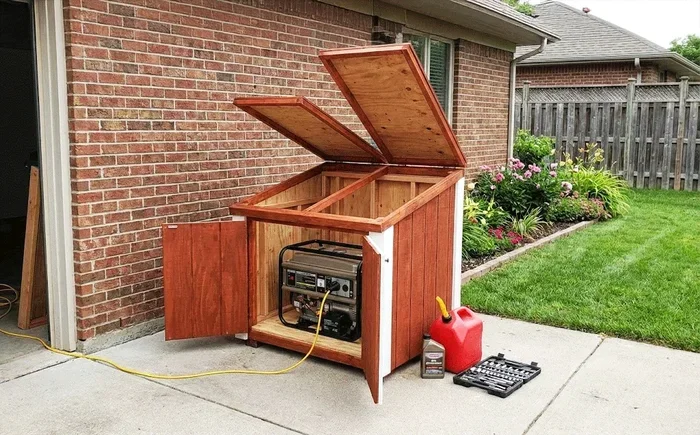
- Place the unit properly: Install the generator on a level concrete pad at least 5 feet from your home. This ensures proper ventilation and reduces noise inside the house.
- Test before storm season: Run a full load test before the rainy or snowy months. This ensures everything works when you need it most.
If you want to learn more about how long generator batteries last and what affects their lifespan, check out our guide on how long a generator battery lasts. It covers battery types, maintenance tips, and replacement timelines.
Final Thoughts on the 20 KW Generator
A 20 KW generator is one of the smartest investments you can make for your home. It provides reliable backup power, protects your family from the dangers of outages, and adds value to your property. With the right fuel type, proper sizing, and consistent maintenance, a 20 KW generator can serve you well for 20 to 30 years.
Take the time to understand your power needs, compare fuel options, and choose a reputable brand. The upfront cost may seem significant, but the peace of mind and protection it provides are truly invaluable. Whether you face occasional summer storms or harsh winter outages, your 20 KW generator will keep your home running smoothly.
Start your search today, and make sure you have a plan in place before the next power outage hits. Your future self will thank you for it.
Frequently Asked Questions
What can a 20 KW generator power in a home?
A 20 KW generator can power most essential home systems, including the refrigerator, furnace blower, sump pump, lights, and a window air conditioner. It can also handle a few smaller appliances at the same time. For most households, this is more than enough backup power during an outage.
How much does a 20 KW generator cost installed?
The installed cost of a 20 KW generator typically ranges from $3,500 to $9,000. The price depends on the fuel type, brand, and whether you need a separate transfer switch. Installation labor and local permitting fees also affect the final price.
How long can a 20 KW generator run continuously?
Runtime depends on the fuel type and tank size. A diesel 20 KW generator can run 8 to 24 hours on a full tank. Propane models run 6 to 12 hours on a standard 100-pound tank. Natural gas models can run indefinitely as long as the gas supply remains active.
Is a 20 KW generator loud?
Modern 20 KW generators are much quieter than older models. Many units come with sound enclosures that reduce noise to around 60 to 70 decibels. This is comparable to a normal conversation. If noise is a concern, look for quiet-ready models.
How often should I maintain my 20 KW generator?
You should perform basic maintenance every month, including checking the oil level and battery charge. Oil changes are recommended every 100 to 200 hours of operation. A professional inspection should happen at least once a year to ensure everything is working properly.
Can I install a 20 KW generator myself?
While it is technically possible, professional installation is strongly recommended. A licensed electrician must connect the generator to your home’s electrical panel. Gas line connections also require certified technicians. Improper installation can void your warranty and create safety hazards.