What Tools Are Used to Measure Mass and Determine Weight
The right tools used to measure mass can make all the difference in your work, whether you are in a lab, a factory, or your own garage. From simple spring scales to advanced digital balances, there is a mass measurement tool for every need and budget. In this guide, we will walk you through the most common weighing instruments, how they work, and how to pick the best one for your situation.
Understanding mass is one of the most basic concepts in science and daily life. When you step on a bathroom scale, you are measuring your mass. When a pharmacist weighs out medicine, they are measuring mass too. But not all measuring tools are created equal. The tools used to measure mass range from simple spring-loaded devices to highly sensitive digital instruments that can detect tiny fractions of a gram.
In this guide, we will explore the different tools used to measure mass and how they work. Whether you are a student, a professional, or just someone who wants to understand more about weighing instruments, you will find practical information here. We will cover everything from basic scales to advanced laboratory equipment. By the end, you will know exactly which tool fits your needs.
Mass and weight are related but different concepts. Mass refers to the amount of matter in an object. Weight is the force of gravity pulling on that mass. Most scales actually measure weight and convert it to mass. This distinction matters when you are choosing the right measuring instruments for your work. We will explain this in more detail below.
Key Takeaways
- Multiple types of tools exist for measuring mass, from basic spring scales to high-precision laboratory balances.
- Digital scales offer speed and accuracy, making them ideal for everyday and industrial use.
- Calibration is essential for maintaining measurement accuracy over time.
- Understanding mass vs weight helps you choose the right instrument for your application.
- Industrial and laboratory settings require specialized equipment with higher precision levels.
- Proper maintenance extends the life of your weighing tools and ensures reliable results.
📑 Table of Contents
Common Tools Used to Measure Mass
The world of mass measurement tools is surprisingly diverse. Each type of tool has its own strengths, weaknesses, and best use cases. Let us walk through the most common options you will encounter.
Beam Balances
A beam balance is one of the oldest and most reliable ways to measure mass. It works by balancing an unknown weight against a known weight on a lever system. You slide known masses along the beam until the balance point is reached. This gives you a very accurate reading of the object’s mass.
Beam balances are popular in classrooms and basic labs. They do not need electricity or batteries. They are simple to use and very durable. A common version is the triple beam balance, which uses three sliding weights on three separate beams. This allows for precise measurements up to 0.1 grams in many models.
One great thing about beam balances is that they are not affected by changes in gravity the way some other tools are. This makes them very consistent across different locations on Earth. If you want a reliable and simple mass measurement tool, a beam balance is hard to beat.
Digital Scales
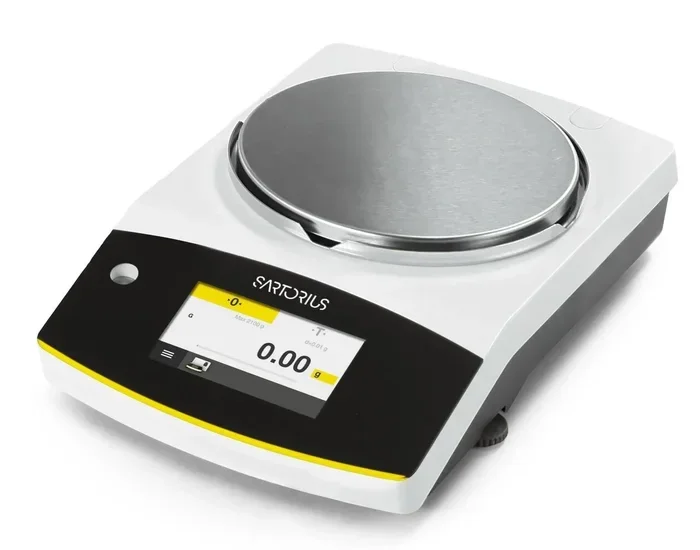
Digital scales have become the go-to choice for most people. They use electronic sensors called load cells to measure the force of an object and convert it to a mass reading. The display shows the result in numbers, which makes them fast and easy to read.
You will find digital scales in many forms. There are small kitchen scales, bathroom scales, and large industrial platforms. They come in different sizes and weight capacities. Some can measure down to 0.01 grams, while others handle thousands of pounds.
The main advantage of a digital scale is speed. You place the object on the platform, and the reading appears in seconds. Many models also offer features like tare (zeroing out the container weight), unit conversion, and data output. For everyday weight measurement tasks, a digital scale is incredibly convenient.
Spring Scales
A spring scale works by measuring how much a spring stretches when an object is hung from it. The more the spring stretches, the heavier the object. The scale has markings on a dial or a digital display that show the weight.
Spring scales are simple and inexpensive. You will find them in hardware stores, classrooms, and even in some homes. They are great for quick estimates and rough measurements. However, they are not as precise as beam balances or digital scales.
Spring scales are affected by temperature and the spring’s natural wear over time. They also measure weight (force) rather than mass directly. For casual use, though, they get the job done well. They are a good starting point if you are just beginning to explore mass measurement tools.
Platform Scales
Platform scales are built for heavier objects. They have a flat surface where you place the item, and the weight reading appears on a digital or analog display. These scales are common in warehouses, shipping docks, and manufacturing facilities.
Platform scales come in many sizes. Some are small bench-top models that sit on a table. Others are large floor-standing units that can handle several hundred pounds or even tons. The load capacity is one of the main things to consider when choosing a platform scale.
Many modern platform scales use digital technology for high accuracy. They often include features like counting pieces, checking weights, and connecting to computers for data tracking. If you need to weigh large or bulky items, a platform scale is the way to go.
Precision Instruments for Laboratory Use
In labs, accuracy is everything. Scientists and researchers need instruments that can measure mass with extreme precision. These tools are designed to deliver results down to tiny fractions of a gram or even micrograms.
Analytical Balances
An analytical balance is one of the most precise weighing instruments available. It can measure mass to 0.0001 grams or even smaller. These balances are used in chemistry labs, pharmaceutical companies, and research facilities where tiny differences in mass matter a lot.
Analytical balances are very sensitive. Even air currents or vibrations can affect the reading. That is why they are often housed in a glass enclosure called a draft shield. The balance is placed on a stable surface away from disturbances to ensure accurate results.
These instruments require careful handling and regular calibration. They are also more expensive than other types of scales. But for applications where precision is critical, there is no substitute for a quality analytical balance. If you are working with small sample sizes or chemicals, this is the tool you need.
Triple Beam Balances
The triple beam balance deserves a special mention because it is so widely used in education and general lab work. It has three beams, each with a sliding weight. The first beam measures in 100-gram increments, the second in 10-gram increments, and the third in 1-gram increments with a vernier scale for 0.1-gram precision.
Using a triple beam balance is straightforward. You place the object on the pan, then slide the weights along the beams until the pointer balances. You add up the readings from all three beams to get the total mass. It is a hands-on way to learn about mass and measurement.
These balances are durable and do not need electricity. They are found in most school science labs and many small workshops. While they are not as precise as analytical balances, they offer excellent accuracy for everyday lab and classroom use.
Industrial Scales and Heavy-Duty Equipment
Factories, warehouses, and industrial sites need scales that can handle tough conditions and heavy loads. Industrial weighing equipment is built to be rugged, reliable, and accurate even in demanding environments.
Load Cell Scales
A load cell is the heart of most modern digital scales. It is a sensor that converts the force of weight into an electrical signal. The signal is then processed by the scale’s electronics to display a mass reading.
Load cell scales are used in many industries, from food processing to construction. They are available in different capacities, from a few pounds to several tons. The accuracy of a load cell depends on its quality and how well it is maintained.
One advantage of load cell technology is that it can be integrated into automated systems. For example, a load cell can feed data directly to a computer or control system. This allows for real-time weight monitoring and quality control on production lines. If you are running a busy operation, investing in good load cell scales pays off fast.
Forklift Scales and Hanging Scales
In warehouses and distribution centers, you often need to weigh items while they are being moved. Forklift scales attach to the forks of a forklift and weigh the load as it is lifted. This saves time because you do not have to move the item to a separate scale.
Hanging scales (also called crane scales) work similarly. They hang from a hook or crane and measure the weight of suspended loads. These are useful in manufacturing, shipping, and construction. They can handle very heavy items that would be difficult to place on a flat platform.
Both forklift scales and hanging scales are built to withstand rough handling and outdoor conditions. They are tough tools that deliver reliable results in the field. For more on working with pneumatic equipment in these environments, you can check out our guide on how to use an air compressor effectively alongside your weighing setup.
How to Choose the Right Tool for the Job
With so many options available, picking the right tool to measure mass can feel overwhelming. Here are some key factors to consider before you buy.
Consider Your Accuracy Needs
The first question to ask is: how precise do I need to be? If you are weighing ingredients for a recipe, a basic digital kitchen scale works fine. If you are measuring chemicals for a scientific experiment, you need an analytical balance. The more precise the measurement, the more you should invest in a higher-quality instrument.
Think about the smallest unit you need to read. Do you need 1-gram precision or 0.01-gram precision? This will guide your choice. Always choose a scale with a readability that is at least ten times finer than your required accuracy. This is called the rule of thumb for scale selection.
Think About Capacity and Size
Every scale has a maximum weight capacity. Do not exceed it, or you risk damaging the instrument and getting inaccurate readings. At the same time, you do not want a scale with far more capacity than you need, because larger capacity often means lower precision for small items.
Also consider the size of the items you will be weighing. A small bench scale works great for compact objects, but you need a larger platform for bulky items. Make sure the scale fits your workspace and can handle the items you work with daily.
Environment and Durability
Where will you use the scale? In a clean, temperature-controlled lab? In a dusty warehouse? Outdoors? The environment affects which type of scale is best. For harsh environments, look for scales with protective enclosures and durable construction.
Moisture, dust, and temperature swings can all affect measurement accuracy. Some scales are built specifically to resist these factors. If you are working in an industrial setting with pneumatic tools and compressors nearby, make sure your scales are rated for the conditions. You might also want to learn about what oil your air compressor takes to keep your entire workshop running smoothly.
Tips for Accurate Mass Measurement
Even the best scale will give wrong results if you do not use it correctly. Here are some practical tips to get the most accurate readings every time.
- Always calibrate your scale before use, especially if it has been moved or stored. Use certified calibration weights for the best results.
- Place the scale on a level, stable surface. Uneven surfaces cause inaccurate readings. Use a bubble level to check if needed.
- Avoid air currents. Even small drafts can affect sensitive balances. Close doors and windows, and use draft shields for analytical balances.
- Use the tare function. This zeros out the weight of your container so you only measure the item itself.
- Handle items with gloves or tweezers. Oils and moisture from your hands can add or remove tiny amounts of mass, especially with precision scales.
- Let the scale warm up. Digital scales need a few minutes to stabilize after being turned on. Do not take readings immediately after powering on.
- Keep the scale clean. Dust and debris on the platform or inside the balance can affect readings. Clean regularly with a soft, dry cloth.
Following these simple steps will dramatically improve your measurement accuracy. It is amazing how much difference these small habits make over time. Consistent technique is just as important as having a good instrument.
Maintaining and Calibrating Your Weighing Equipment
Like any tool, your scales and balances need regular care to stay accurate. Maintenance and calibration are not optional, they are essential parts of owning quality measuring equipment.
Calibration means checking your scale against a known standard weight. If the scale reads incorrectly, you adjust it. Most digital scales have a calibration mode. You will need certified calibration weights for this process. The frequency of calibration depends on how often you use the scale and the precision you need.
For high-precision instruments like analytical balances, calibration should be done daily or even before each use. For industrial scales, monthly or quarterly calibration is usually sufficient. Always follow the manufacturer’s guidelines for your specific model.
Beyond calibration, keep your equipment clean and stored properly. Avoid placing scales in areas with extreme temperatures or high humidity. If you are running a workshop with air compressors, make sure your pneumatic systems are well-maintained to prevent vibrations that could affect nearby scales. For more on keeping your compressor running right, check out our article on what causes compressor short cycling and how to prevent it. Also, if you are trying to boost the performance of your air system, our guide on how to get more CFM from your air compressor can help you optimize your entire setup.
With proper care, a quality scale or balance can last for many years. Regular maintenance saves money in the long run by preventing costly replacements and ensuring your measurements are always trustworthy.
Conclusion
The right tools used to measure mass are essential for accuracy in any field, from cooking to science to manufacturing. Whether you choose a simple spring scale, a reliable beam balance, or a high-precision analytical instrument, understanding your options helps you make the best choice for your needs.
Remember that mass measurement is not just about having the right tool. It is also about using it correctly, maintaining it well, and understanding the difference between mass and weight. With the tips and information in this guide, you are now equipped to select, use, and care for your weighing tools with confidence.
Start by assessing your needs. Consider accuracy, capacity, and environment. Then invest in the right weighing equipment and take good care of it. The results you get will speak for themselves. Accurate measurement is the foundation of quality work, and the right tools make it possible.
Frequently Asked Questions
What is the difference between mass and weight?
Mass is the amount of matter in an object, while weight is the force of gravity acting on that mass. Scales measure weight and then convert it to mass based on standard gravity. This is why the same object can have different weights on different planets but the same mass everywhere.
How often should I calibrate my scale?
It depends on how often you use it and how precise your measurements need to be. For lab balances, calibrate daily or before each use. For industrial scales, monthly or quarterly calibration is usually enough. Always check the manufacturer’s recommendations for your specific model.
Can I use a kitchen scale for laboratory work?
Kitchen scales are not precise enough for most lab work. They typically measure to 1 gram or 0.1 ounce, which is not accurate enough for scientific experiments. For lab use, you need an analytical balance or at least a precision scale with 0.01-gram readability.
What should I look for when buying a digital scale?
Look at the capacity, readability, and build quality. Make sure the scale has a tare function and can display the units you need. Consider the environment where you will use it, and check if the scale is rated for that setting. Read reviews and buy from reputable brands.
Are analog scales still worth using?
Yes, analog scales like beam balances and spring scales still have their place. They do not need electricity, they are very durable, and they are simple to use. They are great for educational settings and basic weighing tasks where extreme precision is not required.
What is a load cell and how does it work?
A load cell is a sensor that converts the force of an object’s weight into an electrical signal. This signal is processed by the scale’s electronics to display a mass reading. Load cells are the core component in most modern digital scales and are known for their accuracy and reliability.
=== SEO TITLE ===
Tools Used to Measure Mass and Determine Weight
=== META TITLE ===
Tools Used to Measure Mass and Determine Weight
=== URL SLUG ===
tools-used-to-measure-mass-and-determine-weight