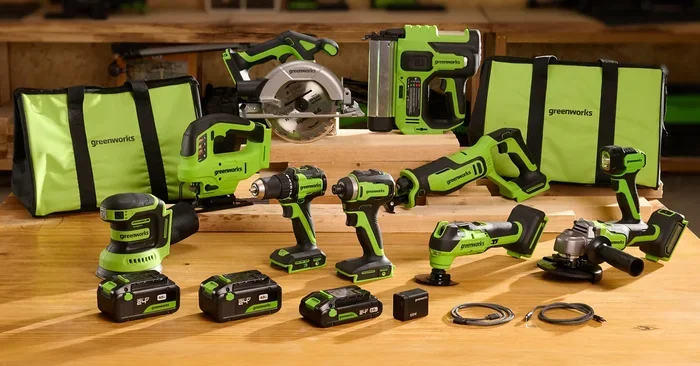
Where To Sell Used Tools
If you have used tools collecting dust, you can turn them into cash. This guide shows you exactly where to sell used tools online and locally, so you get the best price with minimal hassle. You’ll learn how to prepare, price, and list your tools safely.
Key Takeaways
- Multiple Selling Channels: You can sell used tools through online marketplaces, local pawn shops, garage sales, and specialized forums.
- Preparation Boosts Value: Cleaning, testing, and taking great photos dramatically increase what buyers will pay.
- Pricing Research Is Key: Check completed sales on eBay and local listings to set a fair, competitive price.
- Safety Matters: Use safe transaction practices, meet in public, and protect your personal information.
- Bundling Sells Faster: Offering tool sets or bundles often moves items quicker and earns more than selling individually.
- Compress Images for Listings: Use an image compressor to 50kb for faster uploads and better buyer experience.
📑 Table of Contents
Why Selling Used Tools Is a Smart Move
You have a garage full of used tools that no longer see action. They take up space, gather dust, and could be earning you money right now. Selling your tool collection is one of the easiest ways to get cash for tools while helping someone else tackle a project.
Maybe you upgraded to a newer set, or your workshop needs a declutter. Whatever the reason, where to sell used tools is a question with many solid answers. The market for second-hand tools is strong. DIYers, hobbyists, and professional tradespeople all hunt for affordable, pre-owned equipment. You just need to know the best channels and a few simple tricks to maximize your return.
Think of it as a tool trade-in, but with more control. You set the price, choose the buyer, and decide how to ship or meet. This guide walks you through every step. From picking the right platform to taking photos that sell, you’ll have a clear roadmap.
Quick Tips
- Always test tools before listing. A working tool sells 2-3 times faster than a broken one.
- Keep all original manuals and boxes if possible. They add perceived value.
- Take photos in natural light with a clean background.
The Best Places To Sell Used Tools
Not all selling platforms are created equal. Some bring local buyers to your door. Others connect you with collectors across the country. The right choice depends on the tool type, your timeline, and whether you want cash on the spot or a slightly higher price with a bit of waiting.
Here is a breakdown of the top places to sell used tools. Each has pros and cons, so you can pick what fits your style.
| Platform | Best For | Speed | Fees |
|---|---|---|---|
| Facebook Marketplace | Local fast sales | 1-3 days | Free |
| eBay | High-value specialty tools | 3-7 days | 10-13% |
| Craigslist | Big bulky items | 1-5 days | Free |
| Pawn Shops | Immediate cash | Instant | None (lower price) |
| Tool-Specific Forums | Niche collectors | 1-2 weeks | Free or low |
| Garage Sales | Bundling many items | 1 day | Low setup cost |
Online Marketplaces
Online selling opens your tools to millions of buyers. Facebook Marketplace is a top pick for local tool sales. It is free, easy to use, and lets you meet buyers in your neighborhood. Most people search for “tools near me” and find your listing quickly. You can also join local buy-and-sell groups for even more reach.
eBay is the king for rare or high-value tools. If you have vintage drill presses, premium saws, or limited-edition power tools, eBay can fetch top dollar. The auction format sometimes drives prices up, and buyers trust the platform’s buyer protection. Just factor in fees and shipping costs. You can also sell fixed-price “Buy It Now” listings for faster turnover.
Craigslist remains a solid option for bulky items like compressors or generators. It is simple, no-frills, and local. You avoid shipping entirely, which saves time and money. Just be cautious about scam buyers and always meet in a safe public place.
Local Options
Sometimes you just want to sell tools fast and move on. Local pawn shops offer instant cash, but they pay less than market value. They need to resell the item for profit, so expect 30-50% of what you could get online. Still, if you need money today, a pawn shop is a reliable place to sell used tools near you.
Garage sales are another great local avenue. If you have a whole workshop to clear, a weekend sale can move a lot of inventory. Set up your tools neatly, price them clearly, and put out a big sign. People love a good deal, and tools sell well at garage sales, especially on weekends.
Tool exchanges and community tool libraries sometimes accept donations or buy used tools. Check with your local hardware store or community center. Some stores run trade-in programs where you get store credit for old tools. That credit can go toward new equipment.
Specialized Tool Marketplaces and Forums
For niche tools, specialized forums and marketplaces work wonders. Sites like ToolGuyd, Sawmill Creek, or Reddit’s r/Tools have active communities of enthusiasts. They appreciate well-maintained, specific models. You might find a buyer for a vintage Shopsmith or a rare plane that no big marketplace would notice.
These communities often have “for sale” sections. Posting there takes a bit more time, but you connect with serious buyers who understand the value of what you own. It is a perfect way to sell used tools that have a story or a unique feature.
Expert Insight
“Buyers on specialized forums often pay a premium because they know the tool’s history and craftsmanship. Take the time to describe the tool’s origin and any repairs. That transparency builds trust and justifies a higher price.” — ToolResale Pro
How To Prepare Your Tools For Sale
First impressions matter. A clean, well-presented tool sells faster and for more money. Buyers want to know the tool works and is safe. Taking a little extra time in preparation pays off big time.
Cleaning And Maintenance
Start by giving every tool a thorough cleaning. Wipe down power tools with a degreaser to remove sawdust and grime. Sand off any rust from metal surfaces. For air-powered tools, check that the air compressor fittings are clean and the hoses are intact. If you have an air compressor you are selling, make sure it starts easily and holds pressure.
Replace any worn cords or cracked housings if possible. A small repair can increase the sale price by 20% or more. Buyers hate buying a tool that needs work immediately. If a tool is broken, be honest about it. Sell it as “for parts or repair” at a lower price. Honesty builds a good reputation.
Also, gather all accessories. Included drill bits, saw blades, cases, and manuals make a bundle more attractive. A tool with a case looks professional and ready to use.
Taking Great Listing Photos
Photos are the most important part of your online listing. Buyers cannot touch the tool, so your pictures must tell the full story. Use a clean, uncluttered background. Natural daylight works best, so set up near a window or outside in the shade.
Take clear shots of the tool from multiple angles. Show the nameplate with the model number. Capture any scratches or wear marks honestly. Include a photo of it plugged in or running if it is a power tool. A short video showing the tool in action can also boost confidence.
Before you upload those photos, compress them for the web. Large files slow down page loading and can frustrate buyers. A quick image compressor to 50kb will shrink your photos without losing quality. This simple step makes your listings load fast and look professional.
Common Mistakes
- Posting blurry or dark photos that hide flaws.
- Forgetting to include the model number in the image.
- Using a cluttered background that distracts from the tool.
- Not showing any signs of use, which leads to mistrust.
Pricing Your Used Tools For Top Dollar
Setting the right price is both an art and a science. Too high, and buyers scroll past. Too low, and you leave money on the table. You want a price that feels fair and moves the item quickly.
Research Comparable Sales
The best way to price a used tool is to see what similar items have actually sold for. On eBay, switch to “Sold Items” in your search. This shows you the final transaction price, not just the asking price. Note the model number, condition, and included accessories. Adjust your price based on how your tool compares.
For local platforms like Facebook Marketplace, look at what others in your area are asking. Prices can vary by region. A tool that sells for $150 in a big city might go for $100 in a rural area. Know your local market.
Factors That Affect Price
Several factors influence what a buyer will pay. The brand and model matter a lot. DeWalt, Milwaukee, and Makita tools hold value well. The age and condition are next. A tool with minimal wear and all original parts commands a premium. Completeness counts too. If you are missing a key attachment, the price drops.
Also consider the demand. Specialty tools for niche trades may sell for more because fewer are available. Common household tools like circular saws sell fast but at a lower margin. If you have a pneumatic nailer or an air compressor, buyers will want to know it works with a good setup. You can learn how to get more CFM from an air compressor in our guide, which helps you explain the tool’s capabilities to buyers.
Here is a simple pricing checklist to follow:
- Check 3-5 sold comparable listings.
- Note the average final price.
- Adjust for your tool’s condition (add or subtract 10-25%).
- Factor in shipping costs if selling online.
- Set a firm “best offer” price slightly above your minimum.
How To Get The Most Cash When You Sell
Once your tools are ready and priced right, it is time to close the deal. A few smart strategies can help you earn more cash and attract serious buyers.
Bundle Tools And Offer Deals
Buyers love a good deal, and bundles create perceived value. If you have a drill, a set of drill bits, and a carrying case, sell them together at a slight discount. The buyer gets a complete kit, and you move the items faster. This works especially well for selling tools online where shipping a bundle is more efficient than multiple separate boxes.
For example, a “Starter Workshop Bundle” with a circular saw, a jigsaw, and a combo of blades can attract a DIYer looking to get started. Price the bundle 10-15% below the total individual price. You still make more than selling each piece separately over time, and the buyer gets a clear bargain.
Negotiation Tips
Be ready for haggling. Most buyers expect to negotiate, especially on platforms like Facebook Marketplace and Craigslist. Set your price with some wiggle room. If your tool is worth $100, list it at $115. This gives you room to drop to $100 without feeling like you lost out.
Answer questions quickly and honestly. Prompt responses build trust. If a buyer asks about a specific feature, give a clear, detailed answer. If you are selling a compressor, mention that it pairs well with a how to use a compressor pedal setup for controlled air flow. You can link to a helpful guide if you want to add value. That extra effort makes you a trusted seller.
Quick Tips
- Respond to messages within an hour during the day.
- Meet in a well-lit public place for local cash sales.
- Bring a simple tool kit to demo the tool on the spot.
- Accept cash or secure digital payments like Venmo or PayPal Goods and Services.
Safety Tips For Selling Tools Online
Selling tools online is generally safe, but you should protect yourself and your personal information. A few simple precautions go a long way.
Always meet in a public, well-lit location for local sales. A coffee shop parking lot or a police station transaction zone works well. Never invite strangers to your home. Bring a friend or family member with you if possible. Trust your instincts. If a deal feels off, walk away.
For online sales that require shipping, use a tracked and insured service. Take clear photos of the tool before packing, showing its condition. This protects you if a buyer claims damage. Pack the tool securely with bubble wrap and foam. A well-packed tool rarely gets damaged in transit.
Be wary of overpayment scams. If a buyer sends a check for more than the price and asks you to refund the difference, it is almost certainly a scam. Deal only in secure payment methods. Platforms like eBay and Facebook Marketplace offer buyer and seller protection. Use those systems whenever possible.
If you are selling power tools that run on compressed air, make sure you explain the proper setup. You can even point buyers to a helpful resource like the easy air compressor how to use guide. This not only helps the buyer but also positions you as a knowledgeable seller who cares about the product.
Final Thoughts: Start Selling Today
Knowing where to sell used tools is only the first step. The real magic happens when you combine the right platform with solid preparation and honest communication. You have everything you need to turn that dusty tool collection into a stack of cash.
Start by picking your top two or three selling channels. Clean your best tools, take great photos, and write clear descriptions. Price them fairly based on real sales data. You will be surprised how quickly tools find new homes. The process is rewarding, profitable, and a great way to declutter your workspace.
Remember, every tool sold is someone else’s project started. You are not just making room; you are enabling creativity and productivity. So grab that tape measure, grab that drill, and list your first item today. The best time to sell used tools is right now.
With the right approach, you can build a reputation as a trusted seller. That means repeat buyers and higher prices over time. Happy selling!
Frequently Asked Questions
What is the easiest way to sell used tools?
The easiest way is to list them on Facebook Marketplace or Craigslist. These platforms are free, local, and allow quick cash sales. Simply take clear photos, write a short description, and wait for inquiries. Most tools sell within a few days if priced fairly.
How much can I get for used power tools?
You can typically get 30-50% of the original retail price for used power tools in good condition. Premium brands like Milwaukee or DeWalt hold value better. Rare or vintage models can fetch much more, especially if they include accessories and original boxes.
Should I sell tools individually or as a bundle?
Bundling tools often sells faster and feels like a better deal to the buyer. If you have a matching set of drills, bits, and cases, package them together. You can still sell high-value individual items separately, but bundles reduce shipping hassle and attract DIYers looking for a complete starter kit.
Is it safe to sell tools to someone I do not know?
Yes, as long as you follow basic safety rules. Meet in a public place, bring a friend, and accept secure payment methods. Avoid sharing personal details like your home address or bank account. Use platform messaging systems instead of personal phone numbers when possible.
How do I price my used tools competitively?
Search for the exact model number on eBay and filter for “Sold Items.” Note the final prices for similar condition tools. Adjust your price by 10-25% based on your tool’s wear and included accessories. Always leave a little room for negotiation.
Can I sell broken or damaged tools?
Yes, you can sell broken tools as “for parts or repair.” Be honest about the damage in your description. Many buyers look for project tools or parts to fix their own items. Price them low, clearly stating the issues, and you will find a buyer who needs exactly what you have.