How Do Oscillating Tools Work Everything You Need To Know
An oscillating tool is a versatile power tool that moves its blade or attachment in a rapid side-to-side motion. This unique mechanism allows it to cut, sand, scrape, and grind on materials where other tools can’t reach. Whether you’re a DIY beginner or a seasoned pro, understanding how this tool operates helps you get better results and avoid common mistakes.
Key Takeaways
- Oscillating tools work by converting rotary motor energy into rapid back-and-forth blade movement.
- Multiple attachment types make these tools ideal for cutting, sanding, scraping, and grinding tasks.
- Understanding blade selection and speed settings is key to getting clean, precise results every time.
- Regular maintenance keeps your oscillating tool performing at its best for years.
- These tools excel in tight spaces and detail work where larger saws or grinders can’t fit.
- Both corded and cordless models are available, giving you flexibility for any workspace.
📑 Table of Contents
What Is an Oscillating Tool?
An oscillating tool is a handheld power tool that moves its accessory or blade in a fast back-and-forth motion. This side-to-side movement is called oscillation. The tool converts the spinning motion of an electric motor into that quick lateral action. The result is a cutting or grinding motion that works on many different surfaces.
These tools are often called multi-tools because of their wide range of uses. You can swap out blades and attachments to tackle completely different jobs. From cutting wood to sanding metal, an oscillating tool covers a lot of ground. That versatility is why so many homeowners and professionals keep one in their toolbox.
The basic design has changed a lot over the years. Early models were bulky and hard to control. Today’s oscillating tools are compact, lightweight, and powerful. Battery-powered versions let you work anywhere without being tied to an outlet. This evolution has made the tool much more accessible to everyday users.
Most oscillating tools run on either electricity from a cord or rechargeable batteries. Corded models tend to deliver more consistent power for heavy-duty jobs. Cordless models offer portability and convenience. Both types use the same core oscillating mechanism to get the job done.
Understanding what this tool is and how it fits into your workshop is the first step. Next, let’s look at exactly how do oscillating tools work on the inside.
How Do Oscillating Tools Work?
The Motor and Gear Mechanism
At the heart of every oscillating tool is a small electric motor. This motor spins a driveshaft at high speed. The driveshaft connects to a gear system that converts the circular rotation into a back-and-forth motion. This conversion is what makes oscillation possible.
Here is how the process works step by step:
- The motor receives power from the battery or electrical outlet.
- The motor spins a small driveshaft at high RPM.
- A gear or crank mechanism attached to the driveshaft converts the rotary motion.
- The attachment or blade moves rapidly from side to side.
- The user controls the speed and direction with a trigger or dial.
The oscillation angle is usually small, often between 2 and 5 degrees. This short arc is enough to generate cutting or grinding action without causing too much vibration. The blade barely moves side to side, but it does so very fast, often thousands of times per minute.
Why Oscillation Works So Well
The side-to-side motion is what gives oscillating tools their unique advantage. Unlike a circular saw that spins in a full circle or a reciprocating saw that pushes and pulls, an oscillating tool barely moves laterally. This means it stays very close to the surface you are working on.
Because the blade does not dig deeply into the material, you get more control. The tool is less likely to bind or kick back. This makes oscillating tools safer and easier to handle, especially for beginners. The reduced vibration also means less fatigue during long work sessions.
The quick, short strokes also reduce heat buildup. Less heat means less damage to delicate materials like hardwood or thin metal sheets. This is a big reason why oscillating tools are so popular for finish work and detail projects.
Corded vs. Cordless Power Sources
Oscillating tools come in two main power types. Corded models plug directly into a wall outlet. They deliver steady, unlimited power as long as you have access to electricity. These are great for workshop use or extended projects where you do not need to move around much.
Cordless models use rechargeable lithium-ion batteries. They give you the freedom to work anywhere, including outdoor job sites. If you need to power tools in areas without outlets, you might use a portable generator. Knowing how much natural gas does a generator use can help you plan fuel costs for extended outdoor work.
Battery life varies by model and battery size. For long projects, keeping spare batteries on hand is a smart move. If you rely on battery-powered tools regularly, check how long your current setup lasts. Learn how long does a generator battery last to understand battery performance across power tools.
Types of Oscillating Tool Blades and Attachments
The real magic of an oscillating tool comes from its interchangeable accessories. You can swap blades and attachments in seconds to change what the tool does. This is why these tools are called multi-tools. Let us break down the most common types.
Cutting Blades
Cutting blades are the most popular attachment for oscillating tools. They come in several varieties:
- Wood cutting blades: Designed for cutting wood, plywood, and laminate. They have aggressive teeth for fast, clean cuts.
- Metal cutting blades: Feature fine teeth that cut through steel, aluminum, and other metals without chewing them up.
- Demolition blades: Built tough for cutting through nails, screws, and mixed materials during renovation work.
- Flush-cut blades: Designed to cut flush with a surface, perfect for trimming door jambs or removing grout.
Each blade type has a specific tooth count and design. More teeth mean a smoother cut but slower speed. Fewer teeth remove material faster but leave a rougher finish. Choosing the right blade makes a huge difference in your results.
Sanding and Polishing Attachments
Sanding pads and polishing pads attach easily to the oscillating tool body. These are perfect for smoothing surfaces before painting or finishing. You can sand curves, corners, and tight spots that a regular sander cannot reach.
Sandpaper pads come in different grits, from coarse (40 grit) to fine (220 grit). Start with a lower grit for heavy material removal, then work your way up for a smooth finish. This approach works well for refinishing furniture or preparing surfaces for paint.
Scraping and Grouting Blades
Scraping blades are excellent for removing old paint, adhesive, or caulk. The flat, sharp edge scrapes away material without damaging the underlying surface. This is a huge time-saver compared to using a putty knife or chemical strippers.
Grout removal blades have a specialized shape for cleaning out old grout between tiles. They make bathroom and kitchen renovation much faster. The oscillating motion prevents the blade from digging too deep into the tile surface.
Brushing and Engraving Accessories
Wire brushes attach to oscillating tools for cleaning rust, corrosion, or grime from metal surfaces. You can also find engraving attachments for adding decorative details to wood or metal. These specialty accessories expand the tool’s usefulness in creative projects.
Common Uses for Oscillating Tools
Now that you know how the tool works and what attachments are available, let us talk about what you can actually do with it. The uses are nearly endless, but here are the most common applications.
Cutting Tasks
Oscillating tools shine when it comes to cutting in tight spaces. Need to cut a piece of baseboard in a corner? An oscillating tool can do it where a circular saw cannot fit. You can also make plunge cuts, edge cuts, and detail cuts with precision.
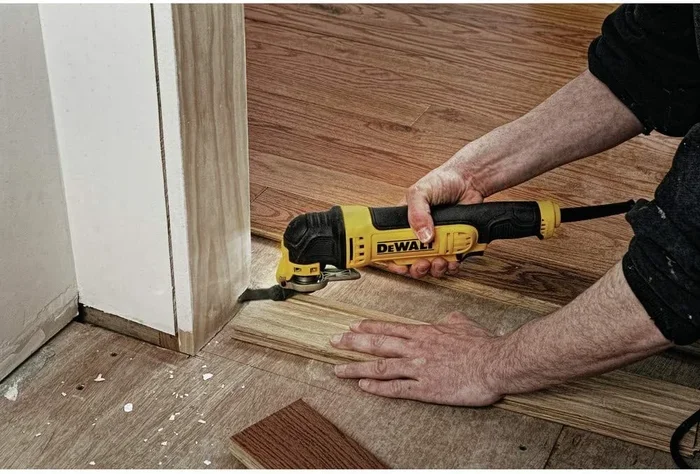
These tools are great for cutting under doors. You can trim the bottom of a door to adjust the clearance without removing it from the hinges. The small blade size and controlled motion make this job quick and clean.
Sanding and Smoothing
Sanding is one of the most popular uses for oscillating tools. The compact head reaches into corners, edges, and recessed areas easily. You can sand window frames, cabinet edges, and furniture details without much effort.
The oscillating motion prevents the sander from creating deep gouges or swirl marks. This gives you a more uniform finish compared to some other sanding tools. For best results, use even pressure and let the tool do the work.
Scraping and Removal
Removing old paint, adhesive residue, or caulk is a breeze with the right scraping blade. The tool gets right up against the surface and scrapes away the old material cleanly. This is especially useful when prepping walls for repainting or replacing flooring.
You can also use scraping attachments to remove old grout from tile joints. The precision of the oscillating motion means you are less likely to chip or scratch the tiles themselves. This saves you time and money on replacements.
Grinding and Shaping
With a grinding or sharpening attachment, oscillating tools can sharpen mower blades, chisels, and other cutting edges. The controlled motion lets you grind away material evenly without overheating the blade.
Some users also use grinding attachments to shape wood or remove small amounts of material for fitting purposes. The versatility of these attachments makes the tool valuable for both construction and hobby projects.
Tips for Getting the Most Out of Your Oscillating Tool
Using an oscillating tool effectively comes down to a few key practices. These tips will help you get better results and extend the life of your tool.
Choose the Right Blade for the Job
Never use a wood-cutting blade on metal, and vice versa. Using the wrong blade dulls the teeth quickly and can damage the material. Take a moment to match the blade to the task before you start cutting.
Keep a variety of blades on hand so you are ready for any job. A basic set should include a wood blade, a metal blade, a flush-cut blade, and a scraping blade. With these four, you can handle most household projects.
Let the Tool Do the Work
One of the biggest mistakes beginners make is pressing too hard. The oscillating action does the cutting for you. If you force the tool into the material, you will slow it down, wear out the blade faster, and potentially damage the surface.
Apply gentle, steady pressure and let the blade do its job. You will get cleaner cuts and a longer blade life. This is especially important when working with delicate materials like hardwood veneer or thin metal.
Control the Speed
Most oscillating tools have a speed dial or trigger control. Use lower speeds for detail work and harder materials. Use higher speeds for fast material removal on softer surfaces.
Adjusting the speed to match the material prevents burning, chipping, and uneven cuts. Take your time to find the right setting before committing to a cut. A little practice goes a long way in getting clean results.
Keep the Blade Clean and Sharp
Resin, pitch, and debris build up on blades during use. This buildup slows the blade down and creates friction. Clean your blades after each use with a brush or compressed air.
Replace blades when they become dull. A dull blade requires more force, creates rougher cuts, and can overheat the motor. Sharp blades cut cleaner and faster, making your work more efficient.
Use Proper Safety Gear
Always wear safety glasses when using an oscillating tool. Small pieces of material can fly off during cutting or scraping. Ear protection is also a good idea, especially during extended use.
Wear gloves to protect your hands from vibration and sharp edges. A dust mask is essential when sanding or scraping materials that produce fine particles. Safety should always come first, no matter how experienced you are.
Maintenance and Care for Your Oscillating Tool
Proper maintenance keeps your oscillating tool running smoothly and extends its lifespan. A well-maintained tool performs better and lasts for many years. Here is what you need to do.
Clean the tool body after each use. Remove dust and debris from the vents, blade housing, and moving parts. A soft brush or compressed air works well for this. Keeping the tool clean prevents buildup that can cause overheating or reduced performance.
Check the blade or attachment before each use. Make sure it is securely locked in place. A loose blade is dangerous and will produce poor results. Tighten the blade clamp firmly before starting the tool.
If your tool has a fan or air intake, make sure it is clear of dust. Blocked airflow causes the motor to overheat. Overheating can damage the motor and reduce the tool’s lifespan. Regular cleaning of the ventilation system prevents this problem.
Store your oscillating tool in a dry, clean place. Moisture can cause rust on metal parts and damage electrical connections. A tool bag or case keeps everything organized and protected. This simple habit saves you money on replacements and repairs.
For corded models, inspect the power cord regularly for fraying or damage. Replace the cord or have it repaired by a professional if you notice any wear. For cordless models, follow the manufacturer’s guidelines for battery charging and storage. Proper battery care prevents swelling and extends battery life.
If you also use air-powered tools in your workshop, keeping your compressor in good shape matters. Learn easy air compressor how to use tips to make sure your entire tool collection stays reliable.
Conclusion
Now you know how do oscillating tools work from the inside out. The oscillating mechanism converts motor rotation into rapid side-to-side blade movement, giving you precision and control for a wide range of tasks. From cutting and sanding to scraping and grinding, this tool handles it all with ease.
The key to getting the most from your oscillating tool is understanding its mechanics, choosing the right attachments, and following proper maintenance practices. With the right blade for each job and a little practice, you can tackle projects that would be difficult or impossible with other tools.
Whether you are a weekend DIYer or a professional contractor, an oscillating tool belongs in your toolkit. It saves time, reduces effort, and delivers results you can be proud of. Start experimenting with different attachments and techniques, and you will quickly see why this tool has become a favorite among woodworkers, painters, and renovation pros alike.
Frequently Asked Questions
What is an oscillating tool best used for?
An oscillating tool is best used for cutting, sanding, scraping, and grinding in tight or hard-to-reach spaces. It excels at detail work, edge trimming, and tasks where larger power tools cannot fit. Its versatility makes it a go-to for both DIY projects and professional jobs.
How fast does an oscillating tool blade move?
The blade moves back and forth thousands of times per minute, depending on the speed setting. Most tools operate at speeds between 10,000 and 25,000 oscillations per minute. The short arc of each stroke is what gives the tool its precision and control.
Can an oscillating tool cut through nails?
Yes, oscillating tools can cut through nails and screws when using a demolition or wood-cutting blade. The oscillating motion allows the blade to slice right past metal fasteners without damaging the surrounding material. This makes it great for renovation and demolition work.
Are oscillating tools dangerous?
Like any power tool, oscillating tools can be dangerous if not used properly. The blade moves very fast and can cause cuts if you are not careful. Always wear safety glasses, keep your hands away from the blade, and follow the manufacturer’s safety instructions. Using the right blade for the material also reduces risk.
How long do oscillating tool blades last?
Blade life depends on the material you are cutting and how often you use the tool. A quality wood-cutting blade can last through several projects if used correctly. Metal-cutting blades tend to dull faster. Regular cleaning and proper storage help extend blade life significantly.
Do I need special training to use an oscillating tool?
No special training is required, but practice is important. Start with simple tasks like sanding or light cutting to get comfortable with the tool’s feel and vibration. Read the user manual carefully and always follow safety guidelines. Most users become proficient within a few practice sessions.


