Where Are Sonic Tools Made And Why It Really Matters
Where are sonic tools made? The answer spans multiple countries, with leading brands manufacturing their sonic tools in facilities across China, the United States, Germany, and Japan. These sonic oral care devices combine advanced sonic vibration technology with precision engineering to deliver superior cleaning power for everyday oral hygiene. Understanding the manufacturing origin of your tools helps you make smarter buying decisions.
Have you ever wondered where are sonic tools made? It is a question that comes up more often than you might think. Whether you are shopping for a new sonic toothbrush or curious about the oral care devices you already own, the manufacturing story behind these products is fascinating. The short answer is that most sonic tools come from large-scale factories in China, but the full picture is much more interesting than that.
Today, electric toothbrush production is a global industry worth billions of dollars. Brands like Philips Sonicare, Oral-B, and others source components from around the world before assembling final products in dedicated facilities. The manufacturing location can affect everything from build quality to price point. In this article, we will walk you through exactly where sonic tools are made, what happens inside those factories, and why it all matters for your daily oral hygiene routine.
By the time you finish reading, you will have a clear picture of the sonic tool supply chain. You will also know what to look for when choosing a rechargeable toothbrush that fits your needs and values. Let us dive right in.
Key Takeaways
- Global Manufacturing Hub: Most sonic tools are produced in China, with some premium models assembled in the US, Germany, or Japan.
- Quality Varies by Location: The manufacturing location directly impacts build quality, materials, and overall device durability.
- Technology Stays Consistent: Even when sonic toothbrushes are made overseas, brands enforce strict quality control and use the same core sonic motor technology.
- Price Reflects Origin: Electric toothbrush models made in higher-cost regions often carry a premium price tag.
- Certification Matters: Look for FDA approval, CE marking, and ISO certification to verify quality regardless of where the product was made.
- Innovation Drives Production: Leading brands invest heavily in dental care innovation at every stage of the toothbrush factory process.
- Consumer Awareness Is Growing: More buyers now ask where are sonic tools made before purchasing, shifting demand toward transparent brands.
📑 Table of Contents
- The History of Sonic Tools and How They Came to Be
- Where Are Sonic Tools Made: A Closer Look at Major Manufacturers
- What Happens Inside a Sonic Tool Factory
- Why Manufacturing Location Matters for Quality
- Sonic Tools vs. Traditional Dental Tools: A Comparison
- The Future of Sonic Tool Manufacturing
- Conclusion
The History of Sonic Tools and How They Came to Be
From Manual Brushes to Sonic Power
The story of sonic tools begins in the 1990s. Before that, most people relied on manual toothbrushes for their daily oral care. The idea of using sonic vibration technology to clean teeth felt like science fiction. But a few visionary companies saw the potential in battery-powered dental tools that could deliver thousands of strokes per minute.
Sonic toothbrushes first entered the market as niche products. Early models were bulky, expensive, and not widely available. But as sonic cleaning technology improved, so did consumer interest. People quickly realized that these devices removed more plaque than manual brushing alone. The demand for oral hygiene devices with sonic capability grew fast.
By the early 2000s, major brands had entered the space. Philips launched Sonicare, and Oral-B developed its own line of electric toothbrushes with sonic-style movements. These companies invested heavily in dental care innovation, and production scaled up rapidly. Factories that once made basic household items pivoted to produce sonic toothbrushes at massive volumes.
How Sonic Technology Works in Dental Tools
Understanding how sonic tools work helps you appreciate the manufacturing process. At the core of every sonic toothbrush is a small but powerful motor. This motor creates rapid vibrations, usually between 20,000 and 40,000 strokes per minute. Some premium models go even higher.
These vibrations create a sweeping motion that drives toothpaste and water between teeth. The result is a deep clean that reaches areas a manual brush often misses. The sonic motor technology inside these devices is remarkably sophisticated, even though the final product looks simple on the outside.
Manufacturers must precision-engineer every component. The motor assembly, battery cells, brush head connectors, and plastic housing all need to work together seamlessly. This level of coordination requires skilled labor and advanced machinery. It also explains why the toothbrush factory process is more complex than it might appear.
Where Are Sonic Tools Made: A Closer Look at Major Manufacturers
The Role of China in Sonic Tool Production
If you have ever asked where are sonic tools made, the most common answer is China. The country has become the world’s largest producer of electric toothbrushes and oral care devices. Several factors drive this dominance. China offers large-scale manufacturing infrastructure, access to raw materials, and a skilled workforce trained in precision electronics assembly.
Many global brands, including Philips Sonicare and Oral-B, operate toothbrush factories in China. These facilities produce millions of units each year. The sonic toothbrush manufacturing process in China covers everything from motor production to final packaging. Some factories are owned directly by the brands, while others operate as contract manufacturers.
It is important to note that “made in China” does not mean low quality. In fact, many of the world’s best sonic tools are produced in Chinese facilities that follow strict quality standards. Brands enforce rigorous testing at every stage of the assembly line. Each unit goes through performance checks, durability tests, and safety inspections before shipping.
Manufacturing in the United States and Europe
Not all sonic tools are made in Asia. Some brands produce their products closer to home. In the United States, certain oral care brands assemble electric toothbrushes in domestic facilities. These plants often focus on premium or specialty models. Production volumes are lower, but the emphasis on quality control and craftsmanship is high.
Germany and Japan also play important roles in sonic tool production. German manufacturers are known for precision engineering, and some dental health tools benefit from this reputation. Japanese factories produce high-quality components and occasionally assemble finished products as well. These locations tend to serve the premium end of the market.
The manufacturing location often reflects a brand’s identity. Companies that emphasize premium quality may highlight domestic or European production. Budget-friendly brands are more likely to rely on large-scale Chinese factories. Both approaches can produce excellent sonic oral care devices, but the differences show up in price, materials, and finishing details.
Component Sourcing: A Global Supply Chain
Here is something many people do not realize. Even when a sonic toothbrush is assembled in one country, its components often come from many others. The sonic motor might be made in Japan. The battery cells could come from South Korea. The plastic housing may be produced in China or Vietnam. The brush head bristles are frequently sourced from specialized textile suppliers.
This global supply chain is normal for modern consumer electronics. It allows brands to access the best materials and components at competitive prices. For consumers, it means that asking where are sonic tools made has a nuanced answer. The final assembly location matters, but so does the origin of each component.
What Happens Inside a Sonic Tool Factory
The Assembly Line Process
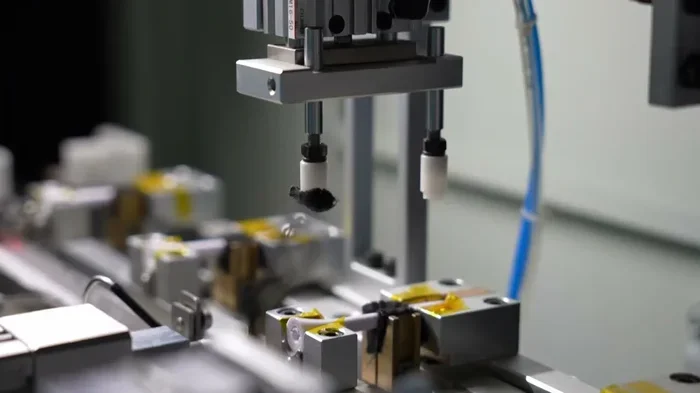
Walking through a toothbrush factory is an eye-opening experience. The sonic toothbrush assembly line is a carefully choreographed process. It starts with individual components arriving from suppliers. Workers and automated machines sort, inspect, and prepare each part before assembly begins.
The first major step is motor installation. The sonic motor is placed into the toothbrush handle. Technicians connect the wiring and secure the housing. Next, the battery is inserted and wired to the motor and charging circuit. This step is critical because a faulty connection can render the entire electric toothbrush useless.
After the internal components are in place, the outer casing is snapped or screwed into position. Quality inspectors check the fit and finish. The device then moves to the testing station, where it runs through a series of performance checks. Each unit must meet vibration frequency standards and battery life requirements.
Quality Control and Testing Procedures
Quality control is the backbone of sonic tool manufacturing. Every factory that produces oral hygiene devices follows a testing protocol. These protocols ensure that each sonic toothbrush performs consistently and safely.
Testing typically includes vibration frequency measurement, waterproofing checks, battery charge cycle tests, and drop tests. Some brands also test for bacterial resistance on brush heads. The goal is to make sure every unit that leaves the factory meets the brand’s standards. Any unit that fails is removed from the line and either repaired or recycled.
Many factories also hold certifications like ISO 9001 and ISO 13485 for medical device manufacturing. These certifications require regular audits and continuous improvement. They give consumers confidence that the sonic tools they buy have been produced under strict quality systems.
Brush Head Production
The brush head is just as important as the handle. Sonic toothbrush brush heads are produced separately, often in the same factory or at a dedicated facility. The bristles are molded into precise patterns designed to maximize cleaning efficiency. Each brush head undergoes trimming and quality checks to ensure uniform bristle length and density.
Some brands use specialized bristle materials that resist bacterial growth. Others incorporate indicator bristles that fade over time to signal when a replacement is needed. These innovations are developed in dental care research labs before being scaled up for mass production.
Why Manufacturing Location Matters for Quality
Build Quality and Materials
The manufacturing location can influence the build quality of your sonic tools. Factories in different regions may use different materials and production methods. A facility in Germany might use higher-grade plastics than one in a lower-cost region. A factory with older equipment might produce units with more visible seams or imperfections.
This does not mean one location is always better than another. It means that buyers should pay attention to more than just the brand name. The production standards of the specific factory matter. Some Chinese factories produce sonic toothbrushes that are indistinguishable from those made in the US or Europe. Others may cut corners to reduce costs.
Price Differences Based on Origin
Where a sonic toothbrush is made affects its retail price. Labor costs, shipping, tariffs, and regulatory compliance all factor into the final price tag. Products made in higher-cost regions like the US or Germany often carry a premium. This premium reflects not just quality but also the costs associated with domestic production.
On the other hand, electric toothbrushes made in large Chinese factories benefit from economies of scale. These savings can be passed on to consumers. This is why some of the best-performing sonic tools are also among the most affordable. The manufacturing location does not always dictate quality, but it does influence pricing.
Regulatory Standards and Certifications
Different countries have different regulatory requirements for oral care devices. In the United States, sonic toothbrushes must meet FDA standards. In Europe, they need CE marking. China has its own certification system, and many factories also pursue international certifications to access global markets.
When you buy a sonic tool, look for these certifications on the packaging or product listing. They are strong indicators that the product has been tested and meets safety standards. A sonic toothbrush with FDA approval and CE marking has been through rigorous evaluation regardless of where it was manufactured.
Sonic Tools vs. Traditional Dental Tools: A Comparison
Cleaning Effectiveness
Sonic tools outperform traditional manual toothbrushes in several ways. The rapid vibrations create a dynamic cleaning action that reaches beyond the bristle surface. Studies show that sonic toothbrushes remove more plaque and reduce gingivitis more effectively than manual brushing.
Traditional brushes rely entirely on the user’s technique and effort. Even with perfect form, a manual brush cannot match the speed and coverage of sonic vibration technology. This is why dental professionals increasingly recommend electric toothbrushes for daily oral care.
Cost and Long-Term Value
Sonic toothbrushes cost more upfront than manual brushes. A quality rechargeable toothbrush might run you 50 to 200 dollars. Replacement brush heads add to the ongoing cost. However, the long-term benefits for oral health can offset this investment. Better cleaning means fewer dental visits for cavities and gum issues.
Manual brushes are cheaper and more portable. They require no charging and are widely available. For some people, a manual brush paired with proper technique is sufficient. But for most, the extra cleaning power of sonic tools makes a real difference in dental health.
| Feature | Sonic Tools | Manual Toothbrushes |
|---|---|---|
| Cleaning Power | High (vibration-based) | Moderate (depends on technique) |
| Price Range | 50 to 200+ dollars | 2 to 10 dollars |
| Battery/Charging | Required | Not needed |
| Portability | Moderate | Excellent |
| Replacement Cost | Brush heads every 3 months | Replace entire brush |
| Plaque Removal | Superior | Good with proper technique |
| Gum Health Impact | Reduces gingivitis | Depends on brushing habits |
The Future of Sonic Tool Manufacturing
Smart Technology and Connectivity
The future of sonic tools is smart. Newer models include Bluetooth connectivity, app integration, and sensors that track brushing habits. These smart toothbrushes represent the next generation of oral care devices. They provide real-time feedback and personalized coaching to improve oral hygiene.
Manufacturing these advanced devices requires even more precision. The sonic toothbrush factory of the future will need to integrate electronics assembly with traditional manufacturing. This shift is already underway at major production facilities around the world.
Sustainability and Eco-Friendly Production
Sustainability is becoming a major focus in dental care innovation. Brands are exploring recyclable materials, reduced packaging, and longer-lasting rechargeable toothbrush designs. Some companies now offer brush heads made from recycled plastics.
The manufacturing location also plays a role in sustainability. Factories that use renewable energy and efficient production methods have a smaller environmental footprint. Consumers who care about eco-friendly oral care are starting to consider where their sonic tools are made, not just how they perform.
Emerging Markets and New Production Hubs
While China remains the dominant sonic tool manufacturing hub, new production centers are emerging. Vietnam, India, and Mexico are seeing growth in electric toothbrush production. These regions offer competitive labor costs and expanding manufacturing capabilities. As global demand for oral hygiene devices continues to grow, more countries will likely join the supply chain.
This diversification could lead to more choices for consumers. It may also drive competition that lowers prices and improves quality. The global landscape of sonic tool production is evolving fast, and the next few years will bring exciting changes.
Conclusion
The question where are sonic tools made opens up a world of insight into the products we use every day. From massive factories in China to precision workshops in Germany, the manufacturing journey of a sonic toothbrush is complex and fascinating. The manufacturing location matters for quality, price, and sustainability, but it is not the only factor that determines a great oral care device.
When you choose your next sonic tool, consider the brand’s transparency, certifications, and reputation. Look for FDA approval, CE marking, and positive user reviews. These indicators will guide you toward a rechargeable toothbrush that delivers real results for your oral hygiene.
Knowledge is power. Now that you understand where sonic tools come from and what goes into making them, you can shop with confidence. The right sonic toothbrush can transform your daily routine and improve your long-term dental health. Choose wisely, brush well, and enjoy the benefits of modern oral care technology.
Frequently Asked Questions
Are sonic toothbrushes made in China?
Many sonic toothbrushes are manufactured in China, as it is the world’s largest production hub for electric toothbrushes. However, some premium models are assembled in the US, Germany, or Japan. The brand and model you choose will determine the specific manufacturing origin.
Does the manufacturing location affect the quality of sonic tools?
The manufacturing location can influence quality, but it is not the only factor. Factories in all regions can produce high-quality sonic tools if they follow strict quality control standards. Look for certifications like FDA approval and ISO standards to gauge quality regardless of origin.
What should I look for when buying a sonic toothbrush?
Focus on sonic vibration technology quality, battery life, brush head compatibility, and brand reputation. Check for FDA approval or CE marking. Reading user reviews and comparing features across models will help you find the best sonic oral care device for your needs.
Why are some sonic toothbrushes more expensive than others?
Electric toothbrush prices vary based on manufacturing location, materials, features, and brand positioning. Premium models made in higher-cost regions often include advanced features like smart sensors and app connectivity. Budget models from large-scale factories can deliver excellent performance at a lower price point.
Can I trust sonic tools made in overseas factories?
Yes, many overseas factories produce top-quality sonic tools. Global brands enforce strict quality standards at every factory they work with. Look for recognized certifications and buy from reputable retailers to ensure you are getting a reliable oral hygiene device.
What is the lifespan of a typical sonic toothbrush?
A well-maintained sonic toothbrush typically lasts 3 to 5 years. The rechargeable battery may need replacement after 2 to 3 years of regular use. Replacing brush heads every 3 months keeps the cleaning performance at its best and supports good oral health.