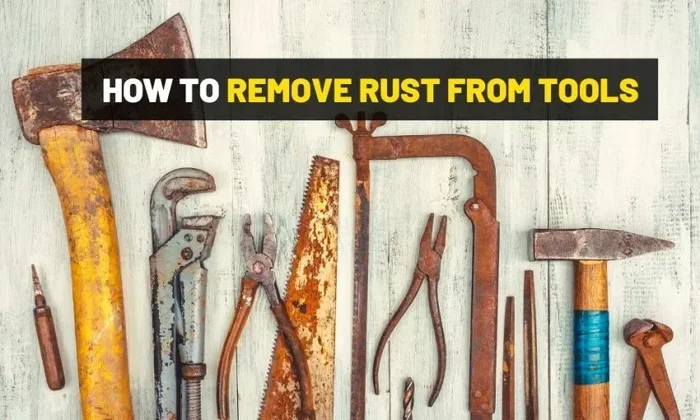
What Takes Rust Off Tools And Makes Them Look Brand New
What takes rust off tools? This guide reveals the fastest, most effective methods to strip rust and make your tools look brand new. You’ll learn how to use vinegar, baking soda, and commercial rust removers, plus how to prevent rust from returning. Whether it’s a hand saw or an air compressor, these tips will restore your gear.
Rust is the silent enemy of every workshop. It creeps onto hand tools, power tools, and even air compressors if you let it. If you’ve ever pulled out a wrench or a saw only to find it coated in orange, you know the frustration. The good news is that what takes rust off tools is simpler than you think. You don’t need expensive chemicals or a professional restoration service. With a few household items and the right approach, you can bring your tools back to life. This guide walks you through the best rust removal methods, how to prevent rust from coming back, and when it’s time to replace a tool instead of saving it.
Before you dive in, let’s talk about why rust happens. Rust is iron oxide. It forms when iron or steel meets oxygen and moisture. Even a humid garage can trigger the process. Tools left out in the open, or those that aren’t oiled properly, are the most vulnerable. If you’ve ever wondered why your air compressor tank rusts, it’s often because moisture builds up inside and isn’t drained regularly. Using the right oil for your air compressor can help, but rust can still appear on the outside. The methods below work on all metal surfaces, from delicate hand files to heavy-duty anvils.
Key Takeaways
- White vinegar and baking soda are powerful, affordable rust removers for most tools.
- Citric acid offers a fast, eco-friendly alternative that works in minutes.
- Commercial rust removers like naval jelly tackle heavy rust without scrubbing.
- Electrolysis is the ultimate solution for badly rusted, sentimental tools.
- Prevention is key: proper storage and regular oiling stop rust before it starts.
- Always dry tools completely after cleaning to avoid flash rust.
📑 Table of Contents
Why Tools Get Rusty
Understanding the cause helps you prevent it. Rust is a chemical reaction. When metal is exposed to water and air, the iron oxidizes. That orange layer is iron oxide, and it weakens the metal over time. Some tools rust faster than others. Cast iron and carbon steel are especially prone. Stainless steel resists rust better, but it isn’t immune. Here are the main culprits.
- Humidity and condensation: A damp workshop invites rust. Even brief exposure can start the process.
- Stored moisture: Tools put away wet, or air compressor tanks with standing water, corrode quickly.
- Acidic skin oils: Handling tools with bare, sweaty hands leaves a corrosive residue.
- Neglect: Tools that sit unused for months without cleaning or oiling will rust.
If rust has already formed, don’t worry. The next sections cover what takes rust off tools effectively. Some methods take minutes; others need overnight soaking. Choose the one that fits the job.
Top Methods To Remove Rust From Tools
Not all rust is the same. Light surface rust responds to simple home remedies. Heavy, pitted rust needs stronger treatment. I’ll walk you through each method step by step. Always wear gloves and eye protection when working with chemicals or abrasive tools.
Vinegar Soak: The Everyday Hero
White distilled vinegar is one of the most accessible rust removers. Its acetic acid dissolves rust without harsh fumes. This method works well for hand tools like wrenches, pliers, and screwdrivers.
- Pour undiluted white vinegar into a container large enough to hold the tool.
- Submerge the rusted parts completely. Use a plastic tub to avoid reactions.
- Let it soak for 1 to 8 hours. Check every hour until the rust softens.
- Remove the tool and scrub with a wire brush or steel wool.
- Rinse thoroughly with water and dry immediately with a clean rag.
Quick tip: For small parts like nuts and bolts, a vinegar soak in a jar works perfectly. The acid breaks down rust fast, and you’ll see results in under an hour. If the rust is stubborn, add a tablespoon of salt to boost the acidity.
Baking Soda Paste: Gentle But Effective
Baking soda is a mild abrasive and a natural rust fighter. It’s perfect for tools with light to moderate rust, especially on surfaces that might scratch easily.
- Mix three parts baking soda with one part water to form a thick paste.
- Apply the paste directly to the rusted areas. Let it sit for 30 minutes to an hour.
- Scrub gently with a soft brush or an old toothbrush. For tougher spots, use fine-grit sandpaper (320 grit or higher).
- Wipe clean with a damp cloth and dry completely.
This method is safe for polished surfaces and painted tools. It won’t remove deep pitting, but it restores the shine. I’ve used this on vintage hand planes and it works beautifully. For heavy rust, you may need to repeat the process a few times.
Citric Acid: The Fast, Eco-Friendly Option
Citric acid is a natural acid found in citrus fruits. You can buy it as a powder and mix it with warm water. It’s faster than vinegar and leaves no strong smell. Many woodworkers swear by it.
- Dissolve 2 tablespoons of citric acid powder in 1 cup of warm water.
- Soak the tool for 15 to 30 minutes. The rust will loosen quickly.
- Scrub with a nylon brush or Scotch-Brite pad.
- Rinse and dry immediately.
Citric acid is also used in food-safe applications, so it’s safe for tools that touch wood or food. It’s a great alternative if you want a homemade rust remover that works fast. I keep a jar of citric acid powder in my shop for quick clean-ups.
Commercial Rust Removers: When You Need Power
For heavy rust, commercial products are the go-to choice. Naval jelly, rust converters, and penetrating oils are designed to tackle tough oxidation. These products contain stronger acids or chelating agents that eat through rust without harming the base metal.
- Naval jelly: A thick gel that clings to vertical surfaces. Apply it, wait 15 minutes, and wipe away the rust. It leaves a thin phosphate coating that helps prevent future rust.
- Rust converters: These chemically change rust into a stable, paintable surface. Great for tools you want to keep in service but not necessarily restore to bare metal.
- Penetrating oil: Products like WD-40 or PB Blaster loosen rusted bolts and remove light surface rust at the same time.
When choosing a commercial rust remover, look for products that are safe for the type of metal you’re working on. Always follow the manufacturer’s instructions and work in a ventilated area. These products are powerful, but they work best when you let them do the job without rushing.
Electrolysis: The Ultimate Fix for Badly Rusted Tools
If you have a family heirloom or a badly rusted tool that still has good metal beneath, electrolysis is the gold standard. It uses electrical current to dissolve rust without touching the base metal. It’s safe, inexpensive, and incredibly effective.
- You’ll need a plastic container, a battery charger (12V), a piece of sacrificial steel (anode), washing soda (sodium carbonate), and water.
- Fill the container with water and add a tablespoon of washing soda per gallon.
- Attach the negative cable to the rusted tool (cathode) and the positive cable to the sacrificial steel (anode).
- Submerge both in the solution. Run the charger for 12 to 24 hours.
- The rust will fall off the tool and collect on the anode. Remove the tool, scrub any remaining residue, and dry it.
Electrolysis works on even the most pitted, crusty tools. I’ve revived old chisels and drill bits that looked hopeless. It does require some setup, but once you have the rig, you can use it over and over. Just remember that compressor short cycling can happen if moisture isn’t managed, and electrolysis is a great way to rescue tools that moisture has attacked.
How To Prevent Rust On Your Tools
Cleaning rust is only half the battle. The real secret is keeping it from coming back. Prevention saves you time and money in the long run. A few simple habits will keep your tools looking new for decades.
Proper Storage
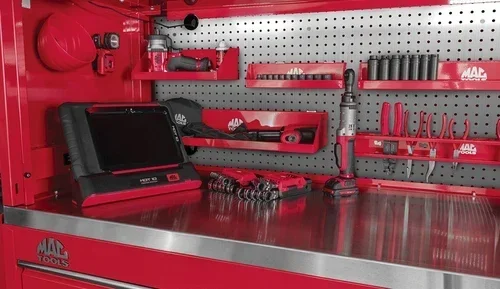
Never store tools in a damp or humid area. A climate-controlled workshop is ideal, but you can also use a dehumidifier. Keep tools off concrete floors, which wick moisture. Use toolboxes with rubber seals, or hang tools on pegboard with a light coating of oil. For air compressors, always drain the tank after each use to remove condensation. Moisture trapped inside the tank causes internal rust that can weaken the structure. If you’re storing an air compressor long-term, consider covering it with a breathable tool cover.
Oiling And Protection
A thin layer of oil creates a barrier between the metal and the air. After cleaning a tool, apply a light coat of mineral oil, camellia oil (for woodworking tools), or a dedicated tool protectant. For air compressors, using the right oil for your air compressor is critical. Compressor oil is formulated to resist heat and moisture, which helps prevent internal rust. Wipe down hand tools with an oily rag before storing them. You can also use a light spray of WD-40 on surfaces that are prone to flash rust.
Keep Tools Dry And Clean
Always dry tools immediately after washing or using them in wet conditions. A quick wipe with a clean cloth prevents water spots and flash rust. If you work in a humid environment, consider using silica gel packs in your toolboxes to absorb excess moisture. For power tools, blow out dust and debris regularly, because trapped particles hold moisture against the metal.
Quick Tips And Common Mistakes
Here are a few things I’ve learned the hard way. These tips will save you time and protect your tools.
Quick Tips
- Don’t let rust sit: The longer rust stays, the deeper it etches. Clean it as soon as you see it.
- Test in a hidden spot: Before applying any acid or chemical, test it on a small, inconspicuous area.
- Use the right grit: When sanding, start with a coarse grit (120) and finish with a fine grit (400) for a smooth surface.
- Rinse and dry thoroughly: Residual acid or cleaning solution will cause new rust if left on the metal.
- An optical compressor is different: Unlike a rugged air compressor, delicate audio equipment needs gentle care, but your workshop tools can handle a little elbow grease.
Common Mistakes
- Using steel wool on polished surfaces: It leaves scratches. Use a nylon brush or Scotch-Brite pad instead.
- Soaking tools with wooden handles: Vinegar and citric acid can damage wood. Wrap the handle in plastic before submerging the metal part.
- Skipping the dry step: Drying is the most important part of the process. Moisture left on the metal will bring the rust right back.
- Overusing penetrating oil: WD-40 is great for loosening bolts, but it’s not a long-term protectant. Wipe it off and apply a proper tool oil afterward.
When To Replace Instead Of Restore
Sometimes rust has done too much damage. If a tool is deeply pitted, cracked, or structurally compromised, restoration might not be safe. A rusty wrench that bends under pressure can break and cause injury. If the rust has eaten through the metal, or if the tool is cheap and easily replaceable, it’s better to retire it. However, if the tool is high-quality and the rust is only on the surface, the methods above will bring it back to life. Trust your judgment. A well-maintained set of tools is an investment that pays off for years.
Final Thoughts
Rust doesn’t have to be the end of your favorite tools. Whether you choose a simple vinegar soak, a baking soda paste, or the full electrolysis setup, you now know what takes rust off tools and how to keep them from returning. Start with the mildest method and work your way up to stronger treatments as needed. The satisfaction of pulling a gleaming tool from your bench is worth the effort. Take care of your tools, and they’ll take care of you. Clean them, oil them, and store them properly, and they’ll stay brand new for generations.
Frequently Asked Questions
What is the fastest way to remove rust from tools?
White vinegar soak is the fastest home method. Submerge the tool for 1 to 2 hours, then scrub with a wire brush. For heavy rust, a commercial rust remover or electrolysis works even faster, often in under 30 minutes of active work.
Can you use WD-40 to remove rust?
Yes, WD-40 is a penetrating oil that loosens rust and light surface oxidation. Spray it on the rusted area, let it sit for a few minutes, then scrub with a pad. It works best on light rust and for freeing stuck bolts.
Is vinegar safe for all tools?
Vinegar is safe for most metal tools, but avoid soaking tools with wooden or rubber handles. The acid can damage those materials. If you need to clean a full tool, wrap the non-metal parts in plastic before submerging.
How do you keep tools from rusting after cleaning?
Dry the tools completely, then apply a thin coat of oil or a tool protectant. Store them in a dry place, off concrete floors. For air compressors, drain the tank after every use and use the proper compressor oil to prevent internal moisture buildup.
What is electrolysis for rust removal?
Electrolysis is a process that uses electrical current to dissolve rust without harming the base metal. You set up a simple circuit with a battery charger, a sacrificial steel anode, and a washing soda solution. The rust transfers from the tool to the anode over several hours.
Can rust be too deep to remove?
Yes, if rust has caused deep pitting or structural thinning, the tool may be unsafe to use. Surface rust and moderate pitting can be removed, but if the metal is weak or cracked, replacement is the safer choice.