When Did Power Tools Come Out Everything You Should Know
So, when did power tools come out? The story begins in the mid-1800s with simple steam-powered devices and grows into today’s cordless power tools that fit in your hand. This article covers the full tool history timeline, key inventions, and how electric tools transformed DIY and construction forever.
Key Takeaways
- The first power tools appeared in the 1800s: Early versions used steam and compressed air before electricity became common.
- Electric power tools emerged around 1895: The first electric drill and power saws revolutionized woodworking and construction.
- Cordless tools changed the game in the 1960s-1980s: Battery-powered tools gave users freedom from cords and outlets.
- Modern power tools are smarter and lighter: Today’s professional-grade tools use lithium-ion batteries and brushless motors.
- Tool innovation continues rapidly: AI-assisted and robotic tools are shaping the future of construction and DIY projects.
- Anyone can benefit from power tools: Whether you’re a hobbyist or contractor, the right tools make any job faster and better.
- Safety remains critical: Understanding tool history helps users appreciate the safety features built into today’s models.
📑 Table of Contents
- When Did Power Tools Come Out? A Complete Look at Tool History
- The Very Beginning: Early Power Tools Before Electricity
- When Did Electric Power Tools Actually Arrive?
- How Cordless Tools Changed Everything
- Power Tools in Modern Construction and DIY Projects
- Choosing the Right Power Tools Today
- The Future of Power Tools: What Comes Next?
- Conclusion: The Amazing Story Behind Power Tools
When Did Power Tools Come Out? A Complete Look at Tool History
Ever wonder when power tools came out and how they changed the world? The answer goes way back, deeper than most people expect. Power tools didn’t just pop up one day. They evolved over more than a century, shaped by invention, necessity, and human creativity.
So, when did power tools come out exactly? The earliest forms appeared in the mid-1800s. These were steam-powered and hand-cranked devices that made work easier long before electricity reached every home and workshop. From there, the story only got more exciting.
In this article, you will learn about the tool history timeline from the very first tools to today’s cordless power tools. You will discover how electric tools transformed industries, how battery-powered tools set workers free, and what the future holds for tool innovation. Whether you are a DIY fan or a pro, this guide has something for you.
Let us dive into the fascinating story behind the tools we rely on every day.
The Very Beginning: Early Power Tools Before Electricity
Before plugs and batteries, people still needed to get work done faster. Hand tools evolution played a big role. For centuries, humans used hammers, saws, and chisels. But as industries grew, so did the need for faster solutions.
Steam-Powered Tool Inventions
The late 1800s brought steam-powered tools into workshops and factories. In 1869, a inventor named I. M. Singer helped popularize the sewing machine, which used mechanical power. Around the same time, factories began using steam-driven lathes and drills.
These early tool inventions were massive. They required entire rooms to operate. Workers stood near giant machines that spun bits and blades using steam energy. They were dangerous, loud, and powerful. But they proved one important thing: powered tools could do jobs faster than human hands alone.
Pneumatic and Compressed Air Tools
Another big step came with pneumatic tools. These used compressed air instead of steam. By the 1890s, factories started using air-powered hammers, drills, and nail guns. Pneumatic tools were lighter and safer than steam models. They also responded quickly to the operator’s touch.
This era of industrial tools set the stage for what came next. Engineers and inventors began asking a simple question: what if we could plug these tools into an electrical outlet?
Early Tool Development Milestones
- 1860s-1870s: Steam-powered lathes and drills appear in factories.
- 1880s: Pneumatic hammers and air tools gain popularity.
- 1890s: Early experiments with electric motors begin.
- 1900s: The first true power drill history begins with electric models.
These decades laid the foundation. Without them, the modern tools we know today would never exist.
When Did Electric Power Tools Actually Arrive?
This is the moment most people are curious about. When did power tools come out as electric devices? The answer is the late 1890s and early 1900s.
The First Electric Drill
In 1895, the first handheld electric drill was created. It was not pretty. It was heavy, clunky, and required a lot of power. But it worked. This drill used a simple electric motor connected to a spinning chuck. Users could now bore holes without a hand crank or a steam engine nearby.
This was a huge leap in tool development. Suddenly, one person could do a job that previously needed two or three workers. The electric drill proved that portable power was real and practical.
Power Saws Enter the Scene
Shortly after the electric drill came the power saws. Early circular saws and band saws appeared in workshops around 1900. These woodworking tools allowed carpenters to cut lumber quickly and accurately. Before electric saws, cutting thick wood was backbreaking work.
By the 1920s, portable electric saws became more common on job sites. Contractors could now bring the workshop to the project. This shift changed construction forever.
How DIY Tools Became Popular
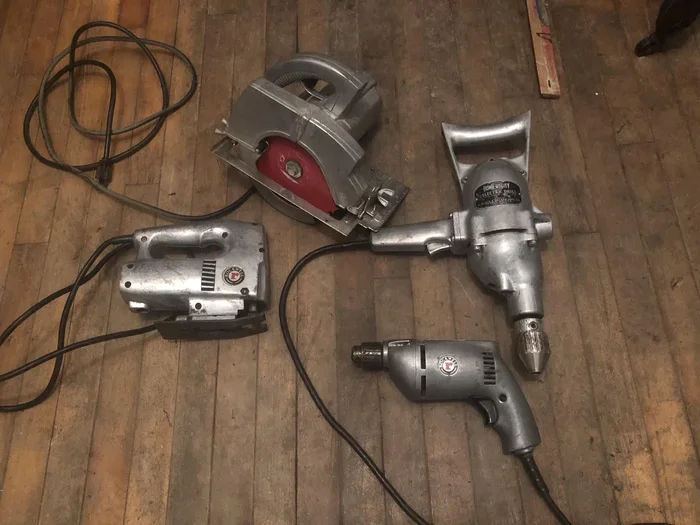
After World War II, home ownership boomed. Families wanted to build, fix, and improve their houses. DIY tools became a cultural thing. Brands like Black & Decker and Milwaukee started making tools specifically for homeowners.
Stores began selling electric drills, sanders, and jigsaws to everyday people. This was a turning point. Power tools were no longer just for factories and pros. They belonged in garages and home workshops too.
How Cordless Tools Changed Everything
If the electric drill was the first big revolution, then cordless tools were the second. Removing the cord gave users freedom. But this did not happen overnight.
The Dream of Battery-Powered Tools
Engineers started experimenting with battery-powered tools in the 1940s and 1950s. Early batteries were heavy and weak. They could not hold enough charge to do serious work. The idea seemed promising, but technology was not ready yet.
Things began to change in the 1960s. Nickel-cadmium (NiCd) batteries offered better performance. By the 1970s, some companies released early cordless tools models. They were still limited, but they worked. Users loved not tripping over cords.
The Lithium-Ion Revolution
The real breakthrough came in the 1990s with lithium-ion batteries. These rechargeable batteries were lighter, more powerful, and held a charge much longer. Suddenly, a single battery could run a drill, a saw, or a sander for real work.
Major brands jumped on board. Milwaukee, DeWalt, Makita, and Bosch all launched extensive cordless tools lines. Professionals started trusting these tools on serious job sites. The days of dragging extension cords were fading fast.
Why Cordless Won Over Corded
Today, many pros prefer cordless power tools over corded ones. Here is why:
- Mobility: You can work anywhere without finding an outlet.
- Safety: No cords to trip over or cut with blades.
- Speed: Switch between tasks without unplugging and replugging.
- Modern power tools: Battery technology now rivals corded performance.
Cordless tools are now the default for many tradespeople. This shift would not have happened without decades of patience and engineering.
Power Tools in Modern Construction and DIY Projects
Today, construction tools and DIY tools are more advanced than ever. Whether you are framing a house or building a birdhouse, the right tool makes a difference.
Essential Power Tools for Every Workshop
Every workshop, whether in a garage or on a job site, benefits from a core set of tools. Here are the must-haves:
- Drills and Drivers: The backbone of any tool collection. Modern drills are professional-grade tools that deliver speed and torque.
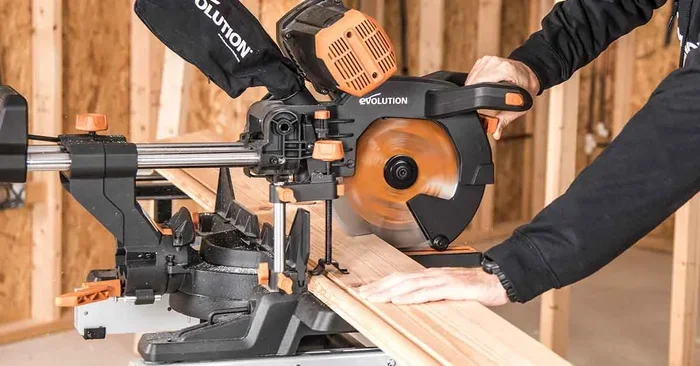
- Circular Saws: Great for straight cuts in wood, plywood, and even metal.
- Orbital Sanders: Smooth surfaces quickly for painting or finishing.
- Impact Drivers: Deliver serious force for driving large screws and bolts.
- Reciprocating Saws: Perfect for demolition and cutting in tight spaces.
These tools represent the best of tool innovation. Each one has been refined over decades to become lighter, faster, and safer.
Specialty Tools That Save Time
Beyond the basics, specialty tools handle specific jobs:
- Tile Saws: Cut ceramic and stone with precision.
- Planers: Level rough lumber in seconds.
- Routers: Create decorative edges and joints.
- Nail Guns: Drive dozens of nails faster than a hammer ever could.
Having the right specialty tool means less frustration and better results. It also keeps your project on schedule.
Comparing Corded vs. Cordless Tools
Many buyers still wonder whether to choose corded or cordless. Here is a quick comparison:
| Feature | Corded Tools | Cordless Tools |
|---|---|---|
| Power Output | Generally higher | Close, but slightly less |
| Portability | Limited by cord length | Highly portable |
| Runtime | Unlimited (plugged in) | Limited by battery |
| Maintenance | Low | Battery replacement needed |
| Best For | Heavy-duty, stationary work | On-the-go and general use |
Both types have their place. Many pros own both and pick the right one based on the task. For most homeowners, a good set of cordless power tools covers about 90 percent of projects.
Choosing the Right Power Tools Today
With so many brands and models, picking tools can feel overwhelming. Here is how to make smart choices.
Consider Your Projects
Think about what you actually do. If you mostly drill holes and drive screws, invest in a great drill and driver combo. If you cut wood often, prioritize a solid circular saw. Match your tools to your actual needs.
Look for Brushless Motors
Brushless motors are a major advance in tool innovation. They run cooler, last longer, and deliver more power than traditional brushed motors. Many professional-grade tools now come standard with brushless technology.
Check Battery Compatibility
If you go cordless, pick a brand with a wide tool lineup. Having one battery that works across many tools saves money and reduces clutter. Look for battery-powered tools that share the same battery platform.
Quick Tips for First-Time Buyers
- Start with a drill, driver, and one saw. You can expand later.
- Buy quality over quantity. Fewer great tools beat many cheap ones.
- Read user reviews before purchasing. Real-world feedback helps.
- Watch tutorial videos to learn proper technique and safety.
- Always wear safety gear. Goggles and gloves are non-negotiable.
The Future of Power Tools: What Comes Next?
So, when did power tools come out in their modern form? We are still in the middle of an exciting chapter. The future looks bright and fast-moving.
Smart Tools and App Connectivity
Some brands now offer tools that connect to smartphones. Users can adjust speed, track usage, and even locate misplaced tools. This level of tool innovation was science fiction just ten years ago.
AI and Robotic Assistance
Artificial intelligence is starting to enter the tool world. Imagine a saw that detects wood grain and adjusts its cut automatically. Or a drill that knows when to stop to prevent stripping a screw. These ideas are moving from concept to reality quickly.
Sustainability and Eco-Friendly Designs
Manufacturers are also focusing on sustainability. Recycled materials, longer-lasting batteries, and energy-efficient motors are becoming standard. The next generation of modern power tools will be kinder to the planet while performing even better.
Key Takeaways
Looking ahead, the story of when did power tools come out is still being written. Here is what to expect:
- Lighter and more powerful batteries will keep improving.
- Smart features will become common across all price ranges.
- Robotics may handle repetitive tasks on job sites.
- Sustainability will drive material and design choices.
- The line between pro and consumer tools will continue to blur.
Conclusion: The Amazing Story Behind Power Tools
The journey of power tools is a story of human progress. From steam-powered tools in the 1860s to cordless power tools that fit in your pocket, the evolution has been nothing short of remarkable. Each decade brought new tool inventions that made work faster, safer, and more accessible.
Now you know the answer to when did power tools come out and how they grew from massive factory machines into compact, powerful devices anyone can use. The tool history timeline shows us that innovation never stops. Electric tools changed industries. Battery-powered tools freed workers from outlets. And today’s professional-grade tools push boundaries we once thought impossible.
Whether you are a weekend warrior or a seasoned contractor, understanding this history helps you appreciate the tools in your hands. Grab the right tool, wear your safety gear, and enjoy the process. Every great project starts with a single step and the right tool by your side.
Frequently Asked Questions
When did the first power tool come out?
The first true power tool appeared in the late 1800s. Steam-powered drills and lathes were used in factories as early as the 1860s. The first handheld electric drill came along in 1895, marking a major turning point in tool history.
What were power tools originally used for?
Early power tools were used in factories and workshops for heavy-duty tasks. They cut wood, drilled holes, and shaped metal. Steam-powered and pneumatic tools helped workers build everything from furniture to bridges much faster than by hand.
When did cordless power tools become popular?
Cordless tools started gaining popularity in the 1980s. Early battery-powered models appeared in the 1960s and 1970s, but they were limited. The introduction of lithium-ion batteries in the 1990s truly made cordless tools practical for everyday use.
Are corded tools better than cordless tools?
It depends on the job. Corded tools generally deliver more continuous power and are great for heavy-duty, stationary work. Cordless tools offer freedom of movement and are perfect for on-the-go projects. Many professionals use both types depending on the task.
What is the most important power tool to own?
A good cordless drill is often considered the most essential power tool. It handles drilling holes, driving screws, and many other tasks. A versatile drill serves as the foundation of any tool collection, whether for DIY or professional work.
How have power tools changed over time?
Power tools have evolved from large, steam-driven machines to compact, intelligent devices. Key changes include the shift from steam to electricity, the rise of pneumatic tools, the invention of cordless models, and the integration of smart technology. Today’s tools are lighter, safer, and more powerful than ever before.