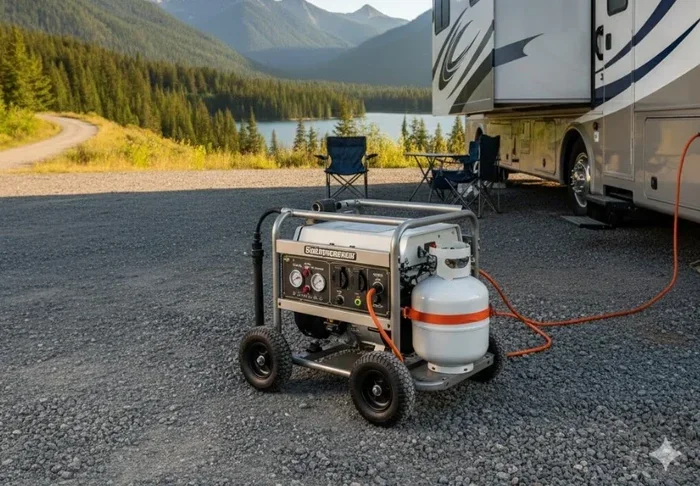
The Best Propane Generator for RV Camping Adventures
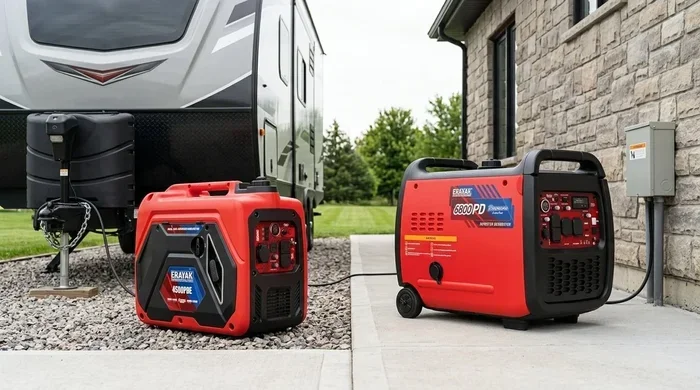
A propane generator for RV is one of the most reliable and fuel-efficient ways to power your camping adventures. This guide covers everything from choosing the right size and features to safety tips and maintenance secrets that keep your rig running smoothly on the road.
This is a comprehensive guide about propane generator for rv.
Key Takeaways
- Fuel Efficiency: Propane burns cleaner and lasts longer than gasoline, making it ideal for extended RV trips.
- Portability Matters: Choose a lightweight, compact unit that fits your RV’s space and power needs.
- Safety First: Always ventilate your generator and follow manufacturer guidelines to prevent carbon monoxide buildup.
- Power Output: Match the generator’s wattage to your RV appliances for optimal performance without overloading.
- Quiet Operation: Inverter-style propane generators offer the lowest noise levels for peaceful camping.
- Regular Maintenance: Simple upkeep like oil changes and filter cleaning extends your generator’s lifespan significantly.
[FEATURED_IMAGE_PLACEHOLDER]
Why a Propane Generator for RV is a Game-Changer
There’s nothing quite like pulling into a beautiful RV campsite at sunset. The mountains are glowing, the air smells fresh, and your rig is ready for a great weekend. But then you remember — you need power. Your fridge, lights, fan, and maybe even a microwave all need electricity. That’s where a propane generator for RV steps in and saves the day.
Unlike traditional gas-powered units, a propane generator offers several advantages that RV owners love. Propane burns cleaner, produces fewer emissions, and stores safely for long periods. You don’t have to worry about gasoline going bad while it sits in your tank during off-season storage. That alone makes it a top choice for the RV lifestyle.
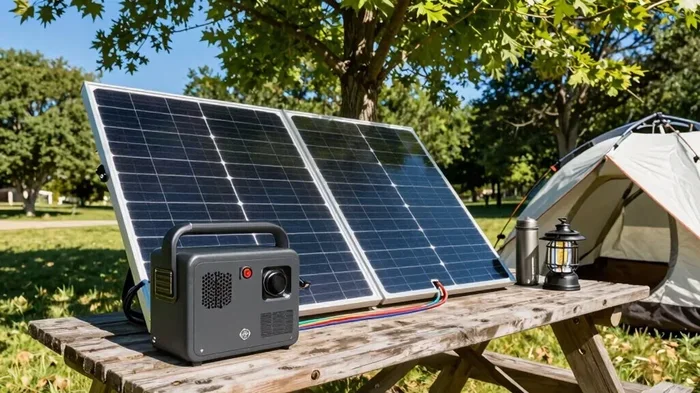
Propane is also widely available. You can fill up at most gas stations, RV parks, or even bring a separate propane tank. This gives you energy independence whether you’re boondocking in the desert or parked at a busy campground. The freedom to camp almost anywhere without worrying about electrical hookups is a real game-changer.
Another big plus is safety. Propane is heavier than air, so it tends to settle low rather than rise. This means the risk of explosion is lower in open or well-ventilated spaces. For off-grid camping and road trips, this added peace of mind is priceless.
The Rise of Propane Power in RV Camping
More RV owners are switching to propane every year. The trend tracks with a growing interest in green energy and sustainable travel. Propane produces about 20% fewer carbon emissions than gasoline. It also runs quieter in many models, which matters a lot when you’re parked close to other campers.
The market has responded with smarter, lighter, and more powerful units. Today’s portable generator models are designed specifically for RV use. They’re compact, easy to transport, and built to handle the demands of modern RV appliances. From dual-fuel options to advanced inverter technology, there’s never been a better time to go propane.
How to Choose the Right Propane Generator for Your RV
Picking the right propane generator for RV use isn’t just about brand name. It’s about matching the unit to your specific needs. Every RV is different, and every camper has unique power requirements. Let’s break down the key factors you need to consider before making a purchase.
Determine Your Power Needs
Start by listing the appliances you plan to run simultaneously. A typical RV setup might include:
- Refrigerator — 600 to 1,500 watts
- Lights — 50 to 200 watts
- Fan — 50 to 100 watts
- Microwave — 1,000 to 1,500 watts
- Phone and device charging — 10 to 50 watts
Add up the total wattage, then multiply by 1.5 to account for startup surges. This gives you a realistic power output target. Most RV owners need a generator between 2,000 and 4,000 watts. If you want to run heavy-duty appliances like an AC unit or microwave alongside other devices, aim for the higher end.
Consider Size and Portability
Space is premium in any RV. You want a unit that’s compact enough to store but powerful enough to do the job. Look for models weighing under 50 pounds if you plan to move it around frequently. Many RV camping enthusiasts prefer handle-equipped or wheeled models for easy transport.
Fuel Tank Capacity and Runtime
A bigger fuel tank means longer runtimes. For most campers, a unit that runs 8 to 12 hours on a single tank is ideal. This keeps you powered through the night without needing to refuel. Understanding how much natural gas does a generator use can also help you estimate costs and plan your fuel stops accordingly.
Top Features to Look for in the Best Propane Generator for RV
Not all generators are created equal. The best propane generator for RV models share a few standout features that make them worth every penny. Here’s what to prioritize when shopping.
Inverter Technology
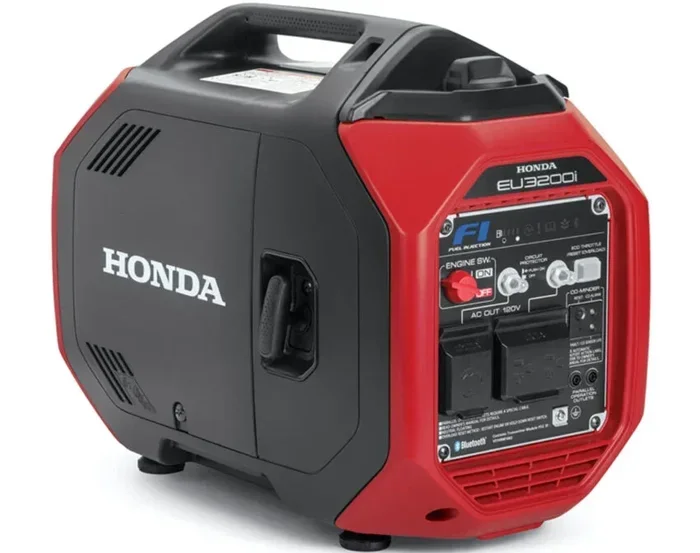
An inverter generator produces clean, stable power that’s safe for sensitive electronics like laptops and phones. Traditional generators produce “dirty” power that can damage devices over time. If you rely on your RV for work or entertainment, inverter technology is a must-have.
Inverter models also adjust engine speed to match the load. This makes them significantly more fuel-efficient and quieter. They’re the gold standard for anyone serious about outdoor power solutions.
Noise Level
Nothing ruins a peaceful campsite like a loud generator. The best RV models run between 50 and 65 decibels. For comparison, normal conversation is about 60 dB. Look for units marketed as “quiet” or “ultra-quiet” — these typically feature sound-dampening casings and mufflers designed for low noise.
Dual-Fuel Capability
Some generators run on both propane and gasoline. This flexibility is a huge plus for backup power situations. If one fuel runs out, you can switch to the other. Dual-fuel units give you more options on long tailgating trips or when you’re far from a fuel station.
Multiple Outlets and USB Ports
Make sure the generator has enough outlets for your needs. Look for models with:
- 2 to 4 household-style outlets
- 12V DC ports for RV battery charging
- USB-A and USB-C ports for modern devices
Having plenty of connection options means you won’t need power strips or adapters cluttering your setup.
Automatic Low-Oil Shutoff
This safety feature turns off the generator when oil levels drop too low. It prevents engine damage and extends the unit’s lifespan. It’s a small feature that makes a big difference, especially for new users who might not check oil levels regularly.
Setting Up Your Propane Generator for Safe RV Camping
Once you’ve chosen your generator, proper setup is critical. Safety should always come first when running any fuel-powered device near your living space. Here’s how to set up your unit the right way.
Placement Matters
Never run a generator inside your RV or in an enclosed space. Carbon monoxide is odorless and colorless — it can be deadly in minutes. Always place the generator outside, at least 20 feet away from windows, doors, and vents. Point the exhaust away from your rig.
Place the unit on a flat, stable surface. Avoid running it on wet ground or uneven terrain. If rain is expected, use a generator canopy or pop-up shelter designed for outdoor equipment. Never use a tarp directly over the unit, as it can trap heat and cause overheating.
Connecting to Your RV
Most RVs have a built-in generator hookup, usually a 30- or 50-amp plug. Consult your RV’s manual to identify the correct connection point. Use a heavy-duty extension cord rated for outdoor use if needed. Make sure all connections are secure and free from fraying.
If you’re new to electrical generator setups, practice connecting and disconnecting before your trip. This avoids fumbling at a campsite in the dark. It also gives you a chance to verify that everything works before you actually need it.
Ventilation and Carbon Monoxide Safety
Even outdoor setups need proper airflow. Keep the generator in an open area with plenty of circulation. Never block the exhaust vents. Install a carbon monoxide detector inside your RV as an extra safety layer — these are inexpensive and can save lives.
Quick tip: Before every trip, test your CO detector and replace batteries if needed. This simple habit is one of the most important camping essentials you can bring along.
Propane vs. Gas Generators for RV Owners
One of the most common questions RV owners face is: should I use propane or gasoline? Both have pros and cons. Let’s compare them side by side so you can make an informed choice.
| Feature | Propane Generator | Gasoline Generator |
|---|---|---|
| Fuel Shelf Life | Indefinite if stored properly | Degrades in 3-6 months |
| Emissions | Cleaner, fewer carbon emissions | Higher emissions |
| Fuel Availability | Widely available at gas stations and RV parks | Available everywhere but less safe to store |
| Runtime | Longer per tank (propane burns slower) | Shorter per tank |
| Cold Weather Performance | Can struggle below freezing without modifications | Generally better in cold starts |
| Safety | Lower explosion risk in open areas | Gasoline fumes are more volatile |
| Cost | Slightly cheaper per BTU | Comparable but fluctuates with oil prices |
As you can see, propane has a clear edge in most categories. The main drawback is cold weather performance. If you plan to camp in winter, look for models with cold-weather kits or propane vaporizers that help the unit start reliably in freezing temps.
Many experienced RV owners opt for a dual-fuel setup. This lets you use propane for most trips and switch to gasoline when needed. It’s the best of both worlds and a smart strategy for anyone who travels year-round.
Cost Comparison Over Time
While propane and gasoline might seem similar in price at the pump, propane often wins over the long haul. A typical RV generator uses about 1 to 2 pounds of propane per hour. A standard 20-pound tank can run a generator for 10 to 18 hours depending on the load. Compare this to gasoline, which may require more frequent refueling and carries storage risks.
Over a full camping season, you could save $50 to $150 by choosing propane over gasoline. That’s real money back in your pocket for new camping gear or RV upgrades.
Maintenance Tips to Keep Your Propane Generator Running Strong
A well-maintained generator can last 10 to 15 years or more. Neglect, on the other hand, can cut that lifespan in half. The good news is that maintaining a propane generator for RV use is pretty straightforward. Here’s a simple routine to follow.
Before Every Trip
- Check the oil level and top off if needed
- Inspect the air filter for dirt or blockages
- Test the spark plug and replace if it looks worn
- Make sure the propane tank valve opens smoothly
- Run the generator for 15 minutes to check for issues
After Every Trip
- Let the generator cool completely before storing
- Drain the fuel if it won’t be used for over a month
- Clean the exterior to remove dirt, dust, and debris
- Store in a dry, cool place away from direct sunlight
Seasonal Maintenance
At least twice a year, perform these deeper maintenance tasks:
- Change the engine oil completely
- Replace the oil filter
- Clean or replace the fuel filter
- Inspect the exhaust system for leaks or damage
- Lubricate all moving parts per manufacturer guidelines
Think of it like maintaining your RV itself. Regular care prevents breakdowns and keeps everything running smoothly. If you’re unsure about any step, consult your generator’s manual or watch a tutorial specific to your model. Knowing how long does a generator battery last and how to care for it properly also contributes to overall reliability.
Quick Tips for Longer Generator Life
- Never run the generator past its rated capacity
- Use fresh fuel and add stabilizer for long storage periods
- Keep a maintenance log to track service dates
- Replace worn parts immediately — don’t wait for failure
- Run the generator at least once a month even if you don’t use it
Final Thoughts on Choosing the Best Propane Generator for RV Adventures
Finding the perfect propane generator for RV comes down to understanding your power needs, prioritizing safety, and choosing quality features. Whether you’re a full-time RVer or someone who hits the road a few times a year, a reliable propane generator transforms your experience. It gives you the freedom to camp anywhere, power your favorite appliances, and enjoy modern comforts in the great outdoors.
Remember to match the generator’s output to your actual usage, invest in inverter technology for clean power, and never skip safety precautions. Keep up with regular maintenance, and your unit will reward you with years of dependable service. The RV lifestyle is all about adventure — let your generator keep you powered up for every mile of the journey.
Start planning your next trip with confidence. Pick the right unit, pack your camping essentials, and hit the road knowing you’ve got reliable outdoor power right at your fingertips. Happy camping!
Frequently Asked Questions
Can I run a propane generator while my RV is driving?
Yes, you can run a propane generator while driving as long as it’s properly mounted and ventilated outside the vehicle. However, most RV owners prefer to turn it off while in motion for safety. Always check local regulations and your RV manufacturer’s guidelines before running any generator on the road.
How long will a 20-pound propane tank run a generator?
A standard 20-pound propane tank can run most RV generators for about 10 to 18 hours at moderate load. Runtime depends on your power usage, ambient temperature, and the generator’s efficiency. Running heavy appliances like an AC unit will drain the tank faster. For extended trips, consider carrying a second tank.
Is propane safer than gasoline for RV generators?
Yes, propane is generally considered safer. It doesn’t produce volatile fumes like gasoline, and it’s less likely to ignite in open-air settings. Propane also stores safely for long periods without degradation. Always follow standard safety practices like proper ventilation and carbon monoxide detection regardless of fuel type.
What size propane generator do I need for a 30-amp RV?
For a 30-amp RV, you’ll typically need a generator producing at least 3,000 to 3,600 watts. This allows you to run most standard appliances including the fridge, lights, fan, and a microwave simultaneously. If you want to add an air conditioner, aim for 4,000 watts or higher. Always calculate your total wattage needs before purchasing.
Can a propane generator power an RV air conditioner?
Yes, but you need a generator with enough wattage. Most RV air conditioners require 1,200 to 1,500 watts to run and up to 2,500+ watts to start. A 3,000-watt or larger propane generator should handle this easily. Look for models with high startup wattage ratings to avoid tripping the breaker on hot days.
Do propane generators require special storage during winter?
Propane tanks should be stored upright in temperatures above -50°F. The generator itself should be kept in a dry, sheltered area. If you live in very cold climates, consider a cold-weather kit or vaporizer attachment to ensure reliable starts. Always drain or stabilize fuel systems before long-term storage to prevent damage.
Frequently Asked Questions
What is propane generator for rv?
propane generator for rv is an important topic with many practical applications.