Why an Inverter Generator Is Better Than Traditional
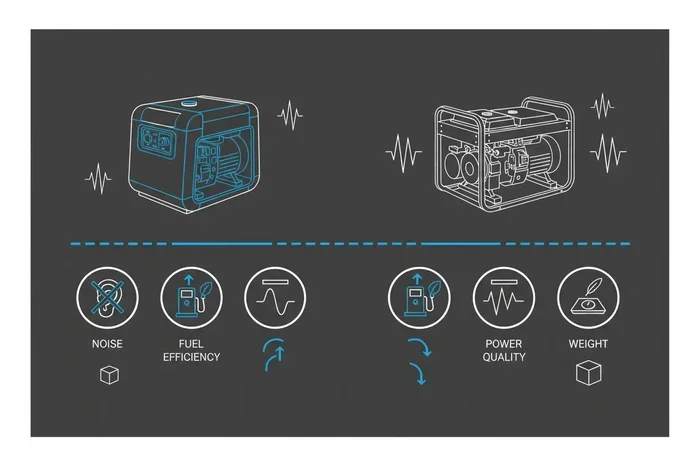
An inverter generator delivers cleaner power, better fuel efficiency, and quieter operation compared to a traditional generator. If you need reliable electricity for camping, home backup, or jobsites, the inverter design gives you stable clean sine wave output that protects sensitive electronics. This guide breaks down every reason to make the switch.
If you have ever shopped for a portable generator, you have probably noticed two main types: traditional and inverter. Both produce electricity, but they do it in very different ways. The inverter generator has become the go-to choice for many homeowners, campers, and professionals. But what makes it so much better?
In simple terms, a traditional generator runs at a constant speed to produce power. An inverter generator adjusts its engine speed based on the load. This small difference creates a big impact on power quality, fuel use, and noise. Let us dive into exactly why an inverter generator is better than a traditional model.
Key Takeaways
- Clean Power Output: Inverter generators produce stable electricity safe for laptops, phones, and medical devices.
- Fuel Efficiency: The engine adjusts speed to match load, saving fuel and reducing running costs.
- Quieter Operation: Inverter models run significantly quieter than traditional units, ideal for camping and residential use.
- Portable Design: Most inverter generators are lighter and more compact, making them easy to transport.
- Parallel Capability: You can link two units together for more power without buying a larger traditional generator.
- Lower Total Harmonic Distortion: Cleaner power means less risk of damage to your appliances and tools.
- Better Voltage Regulation: Inverter technology maintains consistent voltage even under changing loads.
📑 Table of Contents
- What Makes an Inverter Generator Different
- Clean Power Output and Power Quality
- Fuel Efficiency and Running Costs
- Noise Level and Quiet Operation
- Portability and Design Advantages
- Maintenance and Long-Term Reliability
- When a Traditional Generator Still Makes Sense
- Final Thoughts: Why the Switch to Inverter Makes Sense
What Makes an Inverter Generator Different
To understand the advantages, you first need to know how each type works. A traditional generator uses an alternator to produce AC power directly. The engine runs at a fixed speed, usually 3600 RPM, to maintain the correct frequency of 60 Hz.
An inverter generator takes a different approach. It produces AC power first, then converts it to DC, and finally inverts it back to clean AC power. This three-step process removes electrical distortion and delivers a smooth clean sine wave. The result is power that is just as stable as what comes from your wall outlet at home.
The Role of Engine Speed Adjustment
Here is where the magic happens. A traditional generator cannot slow down. It runs full throttle whether you are powering a single light bulb or a full load of tools. This wastes fuel and creates constant noise.
An inverter generator uses a smart engine speed control system. When the load is light, the engine slows down. When you add more devices, it speeds up. This variable speed approach is the key reason inverter generators use 30 to 50 percent less fuel than traditional models. Less fuel burned also means fewer emissions, which is better for the environment.
Clean Power Output and Power Quality
The single biggest advantage of an inverter generator is power quality. Traditional generators produce what is called “dirty power.” This means the electrical signal contains harmonics and voltage fluctuations that can harm sensitive electronics.
Inverter generators produce power with very low total harmonic distortion (THD). Most quality inverter models keep THD under 3 percent. This is the same standard as utility company power. Here is why that matters:
- Laptops and computers run without risk of data corruption or component damage.
- Smartphones and tablets charge faster and safer.
- Medical equipment like CPAP machines operate reliably.
- Televisions and audio systems deliver clear sound and picture without interference.
- Power tools with sensitive circuit boards last longer and perform better.
If you have ever plugged a laptop into a traditional generator and heard a hum or seen flickering, that was dirty power at work. An inverter generator eliminates this problem entirely. For anyone who needs to run sensitive electronics, the inverter design is simply superior.
What Is Total Harmonic Distortion
Total harmonic distortion measures how much the electrical wave deviates from a perfect sine wave. A perfect sine wave is smooth and rounded. Dirty power has jagged peaks and valleys. These irregularities can cause overheating, malfunction, and premature failure in electronic devices.
Think of it like water. A traditional generator is like a river with rapids and rocks. An inverter generator is like a calm, filtered stream. Both deliver water, but one is much cleaner and safer for delicate systems.
Fuel Efficiency and Running Costs
Fuel economy is a major factor when choosing between an inverter generator and a traditional unit. Because the inverter model adjusts engine speed to match demand, it uses far less fuel over time.
Let us look at a practical example. Say you are running a 2000-watt inverter generator at 25 percent load. The engine might drop to 1800 RPM or lower. A traditional generator of similar size would still run at full speed, burning fuel unnecessarily. Over an eight-hour camping trip or a full day of job site work, those savings add up quickly.
Here is a quick comparison of fuel use between the two types:
- Traditional generators consume fuel at a constant rate regardless of load.
- Inverter generators reduce fuel consumption by 20 to 50 percent under light loads.
- Longer run times mean fewer refueling stops, which is a huge convenience.
- Lower fuel costs over weeks or months of regular use can offset the higher upfront price.
If you are curious about how fuel use compares across different generator types, check out our guide on how much natural gas a generator uses. It provides detailed breakdowns that can help you estimate your own fuel costs.
Why Variable Speed Saves Fuel
Traditional generators have a fixed relationship between engine speed and power output. The engine does not know or care how much electricity you are drawing. It just keeps burning fuel at the same rate.
Inverter generators use advanced microprocessors to monitor the electrical load in real time. The engine slows down when demand drops and ramps up when you add devices. This intelligent control system is what makes the fuel efficiency difference so dramatic.
Noise Level and Quiet Operation
One of the first things you will notice about an inverter generator is how quiet it is. Traditional generators are loud. They produce a constant droning sound that can disturb neighbors, campground neighbors, and even your own hearing over time.
Most inverter generators operate at 50 to 60 decibels under normal load. That is about the same volume as a normal conversation. Some premium models run even quieter, around 45 decibels. Compare that to a traditional generator, which often exceeds 70 decibels, and the difference is obvious.
Here is why inverter generators are quieter:
- Variable engine speed means the motor does not always run at full throttle.
- Advanced muffler designs reduce exhaust noise significantly.
- Compact frames allow for better sound insulation in the housing.
- No constant full-load operation eliminates the steady loud hum of traditional units.
If you have ever been to a campsite or a tailgate party, you know how important quiet operation is. Nobody wants to be the person with the loudest generator on the block. An inverter generator lets you enjoy your power without disturbing anyone around you.
Noise Comparison in Real-World Scenarios
At a campsite, a traditional generator might force you to retreat to your tent just to escape the noise. An inverter generator lets you sit nearby and talk, listen to music, or watch a movie on a portable screen. For homeowners using a generator during power outages, quiet operation means you can sleep, work, or relax without the constant roar in the background.
Portability and Design Advantages
Inverter generators are built with portability in mind. They tend to be significantly lighter than traditional generators of similar power output. This makes them ideal for people who need to move their power source frequently.
Most inverter models weigh between 40 and 80 pounds. Some compact units weigh as little as 25 pounds. You can easily carry one to a tailgate, a job site, or a remote cabin. The portable power design often includes built-in handles and sometimes even wheels for easy transport.
Here are the main portability advantages:
- Lighter weight makes it easier for one person to carry and set up.
- Compact size fits in the trunk of a car or on a small apartment balcony.
- Built-in handles and ergonomic designs improve user comfort.
- Smaller footprint means less storage space is needed when not in use.
If you are trying to figure out what size unit you actually need for your situation, our article on how big of a backup generator do I need can help you choose the right wattage for your specific needs.
Parallel Capability for Extra Power
One of the coolest features of many inverter generators is parallel capability. You can connect two identical inverter units together using a special cable. This doubles your power output without the weight and bulk of a single large traditional generator.
For example, two 2000-watt inverter generators in parallel give you 4000 watts of starting power. You get the flexibility of a small, quiet unit for everyday use and the option to scale up when you need more juice. Traditional generators simply cannot offer this kind of modular flexibility.
Maintenance and Long-Term Reliability
Owning any generator means dealing with maintenance. The good news is that inverter generators are generally low maintenance. The variable speed operation puts less stress on the engine, which means fewer wear-and-tear issues over time.
Here are some maintenance tips to keep your inverter generator running strong:
- Change the oil regularly, following the manufacturer’s recommended schedule.
- Replace the air filter when it looks dirty or after every 50 to 100 hours of use.
- Use fresh fuel and add a fuel stabilizer if you store the unit for more than 30 days.
- Run the generator under load for at least 15 minutes once a month to keep the engine healthy.
- Check the spark plug annually and replace it if needed.
For more detailed guidance on keeping your generator in top shape, visit our generator testing page. It covers essential testing procedures and maintenance checklists that apply to all generator types.
Common Mistakes to Avoid
Even with a reliable inverter generator, some common mistakes can shorten its lifespan. Never run the unit with low oil, as many modern models have auto-shutoff protection, but older units may not. Avoid overloading the generator beyond its rated capacity. And always let the engine warm up for a minute or two before plugging in your devices.
Another mistake people make is neglecting to clean the cooling fins and ventilation ports. Dust and debris can build up and cause the engine to overheat. A quick wipe-down after each use goes a long way toward extending the life of your unit.
When a Traditional Generator Still Makes Sense
Inverter generators are not perfect for every situation. Traditional generators still have a place, especially for applications where power quality is not a concern. If you need to run heavy-duty tools on a construction site or power a whole house during an outage, a larger traditional generator may be the better choice.
Traditional generators are also typically less expensive upfront. You can find a basic traditional unit for a lower price than an equivalent inverter model. The trade-off is fuel efficiency, noise, and power quality. For budget-conscious buyers who need raw power without the frills, a traditional generator gets the job done.
However, for most recreational, residential, and light commercial uses, the inverter generator wins on nearly every metric. The better fuel efficiency, the quieter operation, the cleaner power, and the lighter weight make it the smarter long-term investment.
Final Thoughts: Why the Switch to Inverter Makes Sense
After looking at all the factors, the answer to “why is an inverter generator better” becomes clear. It comes down to clean power, fuel savings, quiet operation, and portability. Whether you are a weekend camper, a remote worker who needs backup power, or a contractor who needs reliable electricity on site, an inverter generator delivers what you need without the downsides of a traditional unit.
The slightly higher upfront cost is worth it. Over time, the fuel savings alone can offset the price difference. And the protection it gives your electronics is priceless. When you plug in your laptop, phone, or CPAP machine, you can trust that the power is clean and stable.
If you are ready to make the switch, start by assessing your power needs. Look at the running wattage and surge wattage of the devices you plan to power. Choose an inverter generator that meets those needs with some room to spare. Your ears, your fuel bill, and your electronics will all thank you.
The bottom line is simple. An inverter generator gives you better power, better efficiency, and a better experience. It is the smarter choice for modern power needs.
Frequently Asked Questions
Is an inverter generator worth the extra cost?
Yes, for most users an inverter generator is worth the higher upfront price. The fuel savings alone can recover the cost difference over time. Plus, the cleaner power protects your electronics, and the quieter operation makes it more pleasant to use in any setting.
Can I run a refrigerator on an inverter generator?
Absolutely. Inverter generators produce clean power with low total harmonic distortion, which makes them safe for refrigerators and freezers. Just make sure the generator has enough starting wattage to handle the compressor kick-on, which can be two to three times the running wattage.
How long do inverter generators last?
A well-maintained inverter generator can last 10 to 20 years or more. The variable speed operation reduces engine wear compared to traditional generators that constantly run at full throttle. Regular oil changes and proper storage go a long way in extending the lifespan.
Can I connect two inverter generators together?
Yes, many inverter generators support parallel capability. You can link two identical units with a parallel cable to double your power output. This gives you the flexibility of a small, portable unit for everyday use and extra power when you need it.
What is the difference between an inverter generator and a regular generator?
The main difference is how they produce electricity. A traditional generator produces AC power directly at a constant engine speed. An inverter generator converts AC to DC and back to AC, producing a clean sine wave. This results in better power quality, higher fuel efficiency, and quieter operation.
Are inverter generators good for home backup power?
Yes, inverter generators work great for home backup. They provide clean, stable power that is safe for electronics, appliances, and medical devices. Their quiet operation also means you can use them in residential areas without disturbing neighbors during a power outage.
=== CONCLUSION ===
An inverter generator is simply a better choice for most people. It delivers cleaner power, uses less fuel, runs quieter, and is easier to carry than a traditional generator. The technology has matured to the point where inverter models are available at every price level, from budget-friendly options to premium units with all the bells and whistles.
Whether you are powering a camping trip, a job site, or your home during an emergency, the inverter design gives you reliable, high-quality electricity. Make the switch and experience the difference for yourself. Your electronics, your ears, and your wallet will all benefit from the upgrade.