Oil Free Air Compressor Guide That Solves Your Problems
An oil free air compressor is a powerful tool that delivers clean, dry air without any lubricating oil in the compression chamber. This makes it ideal for home workshops, DIY projects, and applications where air quality matters most. Our guide covers everything you need to know, from how these compressors work to choosing the right one for your needs.
If you have ever walked into a garage or workshop and smelled that distinct oily mist in the air, you know what a traditional compressor can do to your workspace. That smell comes from oil lubricating the pump. But what if you could skip all of that? An oil free air compressor does exactly that. It gives you clean, dry air without any oil in the compression process.
This type of compressor has become incredibly popular in recent years. Homeowners love them for simple tasks like tire inflation and powering light pneumatic tools. Professionals use them too, especially in environments where air purity is non-negotiable. Whether you are a weekend warrior or a seasoned contractor, understanding how these machines work can save you time, money, and headaches.
In this guide, we will walk through everything you need to know. We will cover how they work, their benefits, how they compare to oil lubricated models, and what to look for when buying one. By the end, you will feel confident choosing the right oil free compressor for your specific needs.
Key Takeaways
- No Oil Needed: Oil free air compressors use special coatings and materials instead of oil, making them maintenance friendly.
- Cleaner Air Output: They deliver oil free air, which is perfect for painting, food processing, and sensitive pneumatic tools.
- Lighter and Portable: Most oil free models are lighter than oil lubricated ones, making them easy to move around.
- quieter Operation: Without oil moving inside, these compressors tend to run more quietly and smoothly.
- Shorter Lifespan: The lack of oil lubrication can mean more wear on parts over time, so proper care matters.
- Lower Upfront Cost: Many oil free compressors cost less initially, though maintenance costs may add up.
- Great for Home Use: If you need a compressor for tire inflation, nail guns, or light-duty tasks, an oil free model is a smart choice.
📑 Table of Contents
- What Is an Oil Free Air Compressor?
- Benefits of Going Oil Free
- Oil Free vs Oil Lubricated Compressor
- Best Applications for Oil Free Compressors
- How to Choose the Right Oil Free Air Compressor
- Maintenance and Care Tips
- Common Mistakes to Avoid
- Expert Insights on Oil Free Compressor Technology
- Key Takeaways
What Is an Oil Free Air Compressor?
An oil free air compressor is a device that compresses air without using oil inside the compression chamber. Traditional compressors rely on oil to lubricate moving parts and reduce friction. Oil free models skip this entirely. Instead, they use special materials and coatings to handle the heat and wear that come with compression.
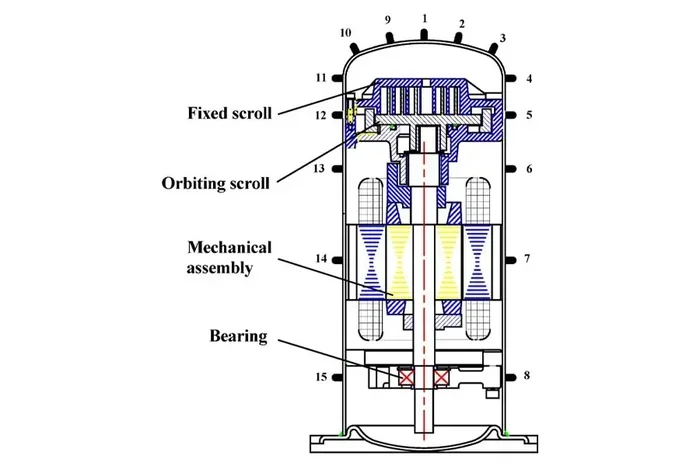
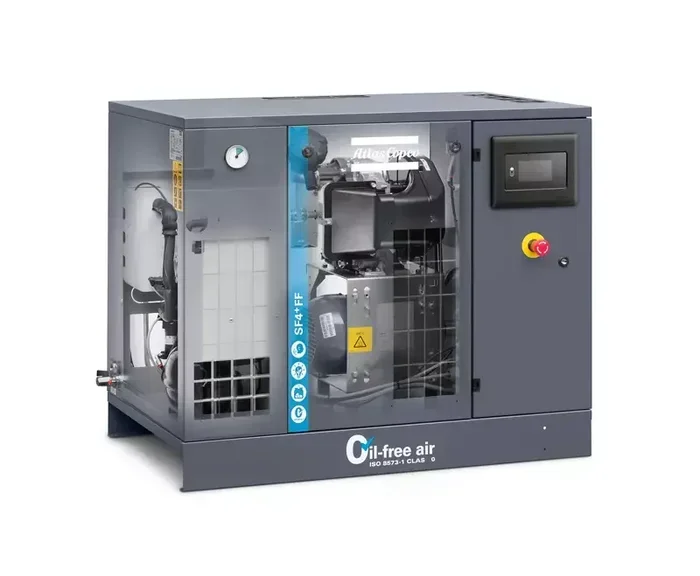
The most common type is the oil free rotary screw compressor. It uses a pair of helical screws that trap air and compress it as they turn. The rotors are coated with a durable polymer that reduces friction on its own. Another popular design is the diaphragm compressor, which uses a flexible membrane to compress air. Neither design needs oil inside the air path.
These compressors are often called maintenance free compressors because you do not need to monitor oil levels or change oil filters. That alone makes them attractive for home users and small shops. But there is more to the story, which we will explore below.
How the Technology Works
Inside an oil free compressor, the compression process relies on clever engineering. The rotors or pistons have built-in coatings that act as their own lubricant. These coatings are usually made from Teflon or similar materials. They reduce friction and handle heat without needing any liquid oil.
A compressor motor drives the compression mechanism. The motor pulls in ambient air, squeezes it down to a smaller volume, and pushes it out through the output. Because no oil mixes with the air, what comes out the other end is 100% clean. This is a huge advantage for many applications.
The compressor tank stores the compressed air until you need it. Most oil free models come with a steel or aluminum tank. The tank size affects how long the compressor can run before the motor kicks back on. Larger tanks mean longer run times and less motor cycling.
Benefits of Going Oil Free
There are many reasons to choose an oil free air compressor over a traditional model. Let us break down the biggest advantages so you can see why so many people are making the switch.
Cleaner Air for Sensitive Applications
This is the number one reason people choose oil free models. When no oil is involved, the air coming out of the compressor is completely clean. That matters a lot if you are painting or working with food processing equipment. Even a tiny amount of oil in the air can ruin a paint job or contaminate food products.
Clean air also means healthier breathing for you. In workshops or garages, oil mist can linger in the air and settle on surfaces. An oil free compressor eliminates that risk entirely. Your workspace stays cleaner, and your lungs stay happier.
Lower Maintenance Requirements
With no oil to change, no oil filters to replace, and no oil separator to clean, an oil free compressor requires far less maintenance. You still need to drain moisture from the tank and check for worn parts. But compared to an oil lubricated model, the upkeep is dramatically simpler.
Many users report spending less than an hour per year on maintenance. That is a big deal if you use your compressor regularly. Less downtime means more time getting work done.
Portability and Weight
Oil free compressors tend to be lighter than their oil filled counterparts. Without a reservoir of oil adding weight, the overall machine is easier to move. If you need a portable air compressor for job sites or garage use, the lighter weight is a real advantage.
Many oil free models come with built-in handles and wheels. You can roll them from room to room or load them into a truck with ease. This portability makes them ideal for people who move their equipment around frequently.
Quieter Operation
Oil free compressors generally run more quietly than oil lubricated ones. Without oil sloshing around inside the pump, there are fewer sources of noise. The smoother operation also means less vibration, which reduces wear and tear on the machine over time.
If you are working in a residential area or a shared workspace, a quieter compressor is a welcome change. Some oil free models operate at noise levels below 60 decibels. That is about as loud as a normal conversation.
Lower Upfront Cost
Many oil free air compressor models cost less to purchase than oil lubricated ones. The simpler design means fewer parts, which keeps the manufacturing cost down. For budget-conscious buyers, this is a compelling reason to go oil free.
However, keep in mind that the upfront savings might be offset over time. The lack of oil lubrication can lead to faster wear on certain components. We will talk more about this in the next section.
Oil Free vs Oil Lubricated Compressor
Choosing between an oil free compressor and an oil lubricated one is one of the most important decisions you will make. Each type has its strengths and weaknesses. Let us compare them side by side so you can make an informed choice.
| Feature | Oil Free Compressor | Oil Lubricated Compressor |
|---|---|---|
| Air Quality | 100% oil free air | Oil mist present, needs filtration |
| Maintenance | Low, no oil changes | Regular oil changes needed |
| Weight | Lighter and more portable | Heavier due to oil reservoir |
| Lifespan | Shorter, more wear on parts | Longer with proper oil maintenance |
| Upfront Cost | Lower | Higher |
| Noise Level | Generally quieter | Can be louder |
| Best For | Home use, light duty | Heavy duty, continuous use |
| CFM Rating Range | Usually lower | Can achieve higher CFM |
| PSI Pressure Range | Adequate for most tasks | Can reach higher PSI levels |
| Noise Level | Generally quieter | Can be louder |
The right choice depends on what you plan to do with your compressor. If you need high CFM ratings for continuous heavy-duty work, an oil lubricated model might be better. But for most home users, an oil free compressor hits the sweet spot between performance and convenience.
One thing to keep in mind is the PSI pressure requirements of your tools. Most pneumatic nail guns, impact wrenches, and spray guns work fine with the PSI levels that oil free compressors deliver. Check your tool specifications before making a final decision.
Best Applications for Oil Free Compressors
Oil free compressors shine in a wide range of applications. Their clean air output and low maintenance make them a favorite choice for many users. Here is where they really stand out.
Home Workshops and Garages
If you have a home workshop, an oil free air compressor is probably your best bet. It provides plenty of power for common tasks like tire inflation, running a brad nailer, or operating a small impact wrench. You do not need to worry about oil spills or messes in your workspace.
Home users also appreciate the quieter operation. You can run the compressor early in the morning or late at night without disturbing the neighbors. That is a big plus for people who work on projects during off-hours.
Painting and Finishing Work
Painting with an oil free compressor gives you peace of mind. Since there is no oil in the air supply, your paint finish comes out smooth and clean. Oil mist can cause blemishes and imperfections in paint jobs, which is something every painter wants to avoid.
Many professional painters prefer oil free models for this exact reason. The clean air ensures a flawless finish every time. If you do any kind of finishing or detailing work, this is a huge advantage.
Food and Pharmaceutical Industries
In industries where air quality is critical, oil free compressors are the standard. Food processing plants, pharmaceutical manufacturers, and medical facilities all rely on oil free air. Any contamination from oil could be dangerous or costly.
The oil free compressor ensures that the air used in production is completely pure. This is not just a preference in these industries. It is often a regulatory requirement. The clean air helps maintain product safety and quality standards.
Recreational and Outdoor Use
Oil free compressors are great for outdoor activities too. Think about inflating pool toys, air mattresses, or sports equipment. A lightweight, portable oil free model makes these tasks quick and easy.
For RV owners, having a reliable compressor is essential. You can use it to check tire pressure, power air tools for minor repairs, or even run a small inflator. When you are out on the road and need to power pneumatic equipment, you may also need a reliable power source. If you are wondering about generator sizing, check out our guide on what size generator for 30 amp RV air conditioner to make sure your setup can handle the power demands.
Light Construction and DIY Projects
DIY enthusiasts and light construction workers benefit greatly from oil free compressors. Tools like nail guns, staplers, and small sanders work perfectly with the air output from these machines. The portability means you can bring the compressor right to your work area.
For bigger construction projects that require continuous, heavy-duty air supply, an oil lubricated compressor might be more appropriate. But for the vast majority of DIY tasks, an oil free compressor delivers more than enough performance.
How to Choose the Right Oil Free Air Compressor
Buying an oil free air compressor can feel overwhelming with so many options on the market. But if you know what to look for, the decision becomes much simpler. Here are the key factors to consider.
CFM and PSI Ratings
The two most important specs for any compressor are CFM (cubic feet per minute) and PSI (pounds per square inch). CFM tells you how much air the compressor delivers. PSI tells you how much pressure it builds.
Different tools need different CFM and PSI levels. A simple brad nailer might only need 0.5 CFM at 70 PSI. But a larger impact wrench could need 4 to 5 CFM at 90 PSI. Make a list of the tools you plan to use and check their requirements. Then choose a compressor that meets or exceeds those numbers.
Most oil free compressors are designed for intermittent use rather than continuous duty. If you need the compressor to run for long periods without stopping, look for a model with a larger tank and a higher duty cycle.
Tank Size Matters
The compressor tank size affects how long you can use tools before the motor kicks back on. Larger tanks store more compressed air, which means longer run times and less frequent motor cycling.
For light home use, a 6-gallon tank is often sufficient. If you plan to use multiple tools at once or run them for extended periods, consider a 20-gallon or larger tank. Keep in mind that larger tanks also add weight to the unit.
Motor Power and Duty Cycle
The compressor motor determines how much work the machine can handle. Motor power is measured in horsepower (HP) or watts. Higher horsepower means the compressor can deliver more air, but it also uses more electricity.
The duty cycle is the percentage of time the compressor can run continuously before needing to cool down. A 50% duty cycle means the compressor can run for 5 minutes out of every 10. For home users, a 50% duty cycle is usually fine. For heavier use, look for 75% or higher.
Noise Level
Nobody wants a compressor that sounds like a jet engine in their garage. Noise level is measured in decibels (dB). Most oil free compressors operate between 50 and 75 dB. The lower the number, the quieter the machine.
If noise is a concern for you, look for models with built-in sound dampening or rubber feet. These features can significantly reduce the noise your compressor produces. Some premium models even come with sound enclosures.
Portability and Design
Since you might need to move your compressor around, consider the design carefully. Look for models with wheels and a carrying handle. A portable air compressor should be easy to transport without straining your back.
Also think about the power cord length. A longer cord gives you more flexibility in where you can set up the compressor. Some models come with cords that are 25 feet or longer, which is plenty for most garage or workshop setups.
Maintenance and Care Tips
Even though oil free compressors require less maintenance than oil lubricated ones, they still need regular care to perform their best. Following these simple tips can extend the life of your machine significantly.
Drain the Tank Regularly
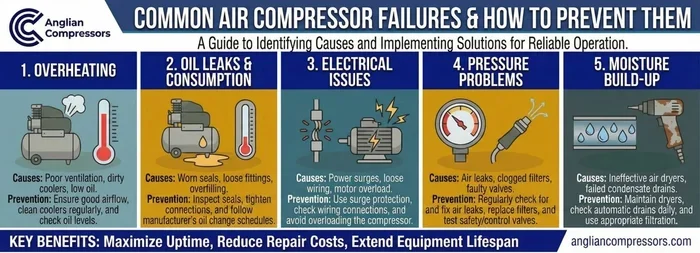
Moisture from the air collects in the compressor tank over time. This can cause rust and reduce the tank’s lifespan. Make it a habit to drain the tank after every use. Most tanks have a drain valve at the bottom. Just open it and let the water out.
Check Hoses and Fittings
Inspect the air hoses and fittings regularly for leaks or wear. A small leak can reduce your compressor’s efficiency and waste energy. Replace any damaged hoses immediately. Tighten loose fittings to maintain a proper seal.
Keep the Intake Vent Clean
The compressor motor needs clean air to run properly. Check the intake vent regularly and remove any dust or debris. A clogged intake vent can cause the motor to overheat, which shortens its lifespan.
Store Properly
When not in use, store your oil free compressor in a dry, clean area. Moisture and dust are the enemies of any compressor. If you live in a humid climate, consider running the compressor for a few minutes after each use to clear out moisture from the system.
Replace Wear Parts When Needed
Even oil free compressors have parts that wear out over time. The diaphragm, check valves, and gaskets are common wear items. Replace them as soon as you notice a drop in performance. Catching problems early prevents bigger and more expensive repairs later.
Follow the Manufacturer’s Guidelines
Every compressor is different. Read the owner’s manual carefully and follow the manufacturer’s recommendations for care and use. This simple step can save you a lot of trouble and keep your compressor running smoothly for years.
Common Mistakes to Avoid
Even experienced users sometimes make mistakes with their oil free compressors. Here are a few common ones to watch out for.
- Overloading the compressor: Running too many high-demand tools at once can overwhelm the motor. Stick to the CFM and PSI limits for your specific model.
- Ignoring moisture buildup: Failing to drain the tank regularly leads to rust and can eventually cause tank failure. Always drain after use.
- Running the compressor continuously: Oil free compressors are designed for intermittent use. Running them non-stop can overheat the motor and wear out components faster.
- Skipping regular inspections: Even low-maintenance machines need a visual check now and then. Look for cracks, leaks, or unusual wear on a regular basis.
- Buying the wrong size: Choosing a compressor with too low a CFM rating means it will struggle to keep up with your tools. Always size up if you are unsure.
Expert Insights on Oil Free Compressor Technology
The technology behind oil free air compressors has improved dramatically in recent years. Modern models use advanced polymer coatings and precision engineering that deliver performance close to oil lubricated machines. Some premium oil free compressors now offer duty cycles and CFM ratings that rival their oil filled counterparts.
Industry experts agree that oil free compressors are the future for most residential and light commercial applications. The trend toward cleaner, more efficient tools is driving innovation across the entire compressor market. As materials science continues to advance, we can expect oil free models to become even more durable and capable.
One thing experts emphasize is that no compressor lasts forever, regardless of type. An oil free compressor lifespan depends heavily on how well you maintain it and how frequently you use it. With proper care, a quality oil free compressor can serve you well for 5 to 10 years or more.
Key Takeaways
- No Oil Needed: Oil free air compressors use special coatings instead of oil, making them low maintenance and clean.
- Cleaner Air Output: They deliver oil free air, which is perfect for painting, food processing, and sensitive pneumatic tools.
- Lighter and Portable: Most oil free models are lighter than oil lubricated ones, making them easy to move around.
- Quieter Operation: Without oil moving inside, these compressors tend to run more quietly and smoothly.
- Shorter Lifespan: The lack of oil lubrication can mean more wear on parts over time, so proper care matters.
- Lower Upfront Cost: Many oil free compressors cost less initially, though maintenance costs may add up.
- Great for Home Use: If you need a compressor for tire inflation, nail guns, or light-duty tasks, an oil free model is a smart choice.
Frequently Asked Questions
Is an oil free air compressor good for home use?
Absolutely. An oil free air compressor is one of the best choices for home use. It is low maintenance, lightweight, and delivers clean air. Whether you are inflating tires, powering nail guns, or running a small sander, an oil free model handles the job with ease. Most homeowners find that an oil free compressor meets all their needs without the hassle of oil changes and maintenance.
How long does an oil free air compressor last?
With proper care, a quality oil free air compressor can last anywhere from 5 to 10 years. The lack of oil lubrication means some internal parts may wear faster than in an oil lubricated model. However, regular maintenance like draining the tank and checking hoses can significantly extend the compressor lifespan. Using the compressor within its rated duty cycle also helps prevent premature wear.
Can I use an oil free compressor for painting?
Yes, and that is actually one of the best uses for an oil free compressor. Since there is no oil in the air supply, your paint finish stays clean and smooth. Oil mist from traditional compressors can cause blemishes and imperfections in paint jobs. With an oil free model, you get pure, clean air that produces professional-quality results every time.
What is the difference between CFM and PSI?
CFM stands for cubic feet per minute and measures the volume of air the compressor delivers. PSI stands for pounds per square inch and measures the pressure of that air. Different tools need different CFM and PSI levels. Before buying a compressor, check the requirements of the tools you plan to use. Choose a model that meets or exceeds those numbers for the best performance.
Do oil free compressors need any oil at all?
No. The “oil free” label means no oil is used inside the compression chamber. The compressor uses special coatings and materials to handle friction and heat without any liquid oil. However, some manufacturers recommend adding a small amount of oil to certain external parts like the pump housing. Always check the owner’s manual for specific guidance on your model.
Are oil free compressors louder than oil lubricated ones?
Generally, oil free compressors are quieter. Without oil sloshing around inside the pump, there are fewer sources of noise and vibration. Most oil free models operate between 50 and 75 decibels, which is comparable to a normal conversation. If noise is a concern, look for models with sound dampening features or rubber feet that absorb vibration.
=== CONCLUSION ===
An oil free air compressor is a smart choice for anyone who wants clean, reliable compressed air without the mess and maintenance of oil lubricated models. From home workshops to professional painting jobs, these compressors deliver solid performance in a lightweight, user-friendly package.
The benefits are clear. You get clean air output, lower maintenance, quieter operation, and often a lower upfront cost. While they may not match the raw power of heavy-duty oil lubricated compressors, they cover the needs of most users with ease.
Take the time to understand your specific needs. Consider the CFM and PSI requirements of your tools, the tank size you need, and how often you plan to use the compressor. With the right oil free compressor in your workshop, you will be ready to tackle any project with confidence. Start your search today, and you will find the perfect machine for your setup.