how to know what size generator to buy for your home
Choosing the right generator size for your home starts with understanding your power needs. A generator that is too small will overload, while one that is too big wastes fuel and money. This guide breaks down wattage, square footage, and essential appliances so you can confidently pick the perfect generator size for your household.
Power outages are more common than most people think. Storms, grid failures, and even simple equipment issues can knock out electricity for hours or days. When the lights go out, a home generator becomes your best friend. But here is the problem many homeowners face: they buy a generator that is the wrong size.
So how do you know what size generator to buy? The answer is simpler than you think. It all comes down to understanding your power needs and matching them to the right unit. In this guide, we will walk you through every step of the generator sizing process. You will learn how to calculate wattage, compare fuel types, and avoid the mistakes that cost people hundreds of dollars.
Whether you need a small portable unit for a few essentials or a whole-house standby system, this article has you covered. We will break everything down into plain language so you can make a confident decision. No jargon. No confusion. Just clear, practical advice that gets results.
Key Takeaways
- Calculate total wattage: Add up the running and starting watts of all essential appliances to find your minimum generator capacity.
- Match generator size to home square footage: Larger homes need higher-capacity units, but your actual power needs depend on what you run, not just house size.
- Choose the right fuel type: Natural gas, propane, and diesel each have different costs, availability, and efficiency levels that affect your long-term expenses.
- Avoid common sizing mistakes: Skipping surge wattage calculations or ignoring future power needs are the most frequent errors homeowners make.
- Consider a standby vs. portable unit: Standby generators offer automatic backup but cost more, while portable units are budget-friendly but require manual setup.
- Use a professional load calculation: An electrician can give you a precise assessment of your home’s electrical demands for the most accurate sizing.
📑 Table of Contents
- Why Generator Size Matters
- How to Calculate Your Power Needs
- Generator Types and Their Best Uses
- How Home Size Affects Generator Choice
- Fuel Types and Their Impact on Sizing
- Common Mistakes to Avoid When Sizing a Generator
- Expert Tips for Getting the Most Out of Your Generator
- Final Thoughts on Choosing the Right Generator Size
Why Generator Size Matters
Buying a generator is a big investment. The wrong size can cause real problems. A unit that is too small will overload and shut down when you need it most. A unit that is too large wastes fuel, costs more upfront, and runs inefficiently.
The right generator size ensures your essential appliances keep running during an outage. It also protects your electronics from power surges. And it saves you money on fuel costs over time. Think of it like choosing the right engine for a car. Too small and it struggles on hills. Too big and it guzzles gas.
What Happens When You Undersize
An undersized generator tries to do more than it can handle. It overheats. It trips breakers. It may even damage your appliances. The most common sign of an undersized unit is when the generator shuts down the moment you plug in a second appliance. This happens because the total wattage requirements exceed the generator’s capacity.
Undersizing is the number one mistake homeowners make. It leads to frustration and potentially expensive repairs. Always plan for more capacity than you think you need.
What Happens When You Oversize
Oversizing is not as dangerous, but it still costs you money. A larger generator uses more fuel even when running at partial load. It also costs more to purchase upfront. A huge unit sitting in your backyard running at 30 percent capacity is a waste of resources.
The sweet spot is a generator that runs at 70 to 80 percent of its maximum capacity under your normal load. This gives you room for surge demands and keeps the engine running efficiently.
How to Calculate Your Power Needs
This is the most important step in choosing the right generator size. You need to know exactly how much power your home uses during an outage. The calculation involves two numbers: running watts and starting watts.
Running Watts vs. Starting Watts
Every appliance has two power ratings. Running watts are the continuous power needed to keep the appliance running. Starting watts are the extra power needed to start the motor. Air conditioners, refrigerators, and well pumps need significantly more power to start than to run.
Here is a simple way to think about it. Running watts are like cruising speed on a highway. Starting watts are like the burst of acceleration when you hit the gas pedal. Both matter when sizing your unit.
Step-by-Step Wattage Calculation
Follow these steps to calculate your home’s total power needs:
- List every appliance you want to run during an outage.
- Find the running watts for each appliance. Check the label or user manual.
- Find the starting watts for each motor-driven appliance.
- Add all the running watts together.
- Add the highest starting watts number to the total running watts.
- The result is your minimum generator capacity.
For example, if your running total is 4,500 watts and your highest starting watt appliance needs 2,000 watts, you need a generator rated for at least 6,500 watts. Always round up to the nearest standard generator size.
Common Appliance Wattage Guide
Here are some typical wattage numbers for common household items. Use these as a starting point for your calculations.
- Refrigerator: 700 running watts, 2,200 starting watts
- Window AC Unit: 1,200 running watts, 3,500 starting watts
- Sump Pump: 1,300 running watts, 2,300 starting watts
- Microwave: 1,000 running watts, 1,000 starting watts
- Lights (10 bulbs): 500 running watts, 0 starting watts
- Television: 300 running watts, 0 starting watts
- Well Pump: 1,000 running watts, 3,500 starting watts
Add these up carefully. The total tells you the baseline generator capacity you need. Adjust based on your own home’s specific appliances.
Generator Types and Their Best Uses
Not all generators are the same. Different types serve different purposes. Understanding the options helps you pick the right one for your situation.
Portable Generators
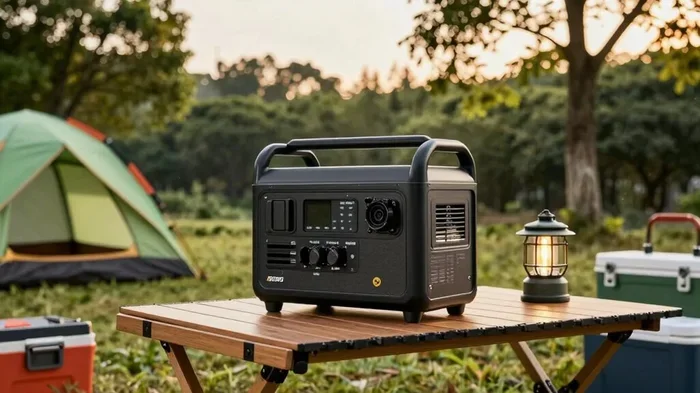
Portable generators are the most affordable option. They typically range from 3,000 to 8,500 watts. You move them where you need them. They run on gasoline or propane.
These units work great for powering a few essentials during a short outage. They are also useful for camping, tailgating, and job sites. The downside is you must set them up manually each time. They also need to be placed outdoors at least 20 feet from your home to avoid carbon monoxide buildup.
If you want a budget-friendly option for basic needs, a portable unit is a solid choice. Just make sure you size it correctly based on the wattage calculation above.
Standby Generators
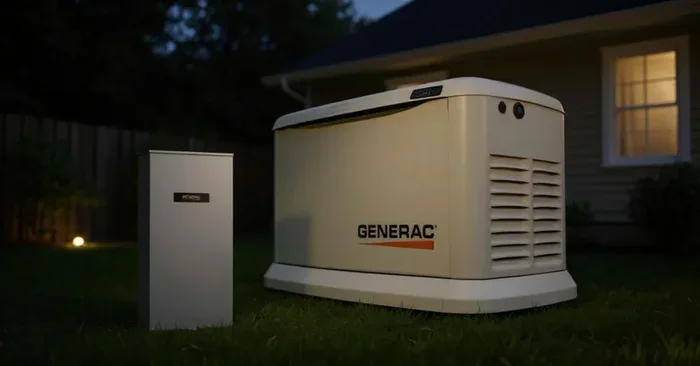
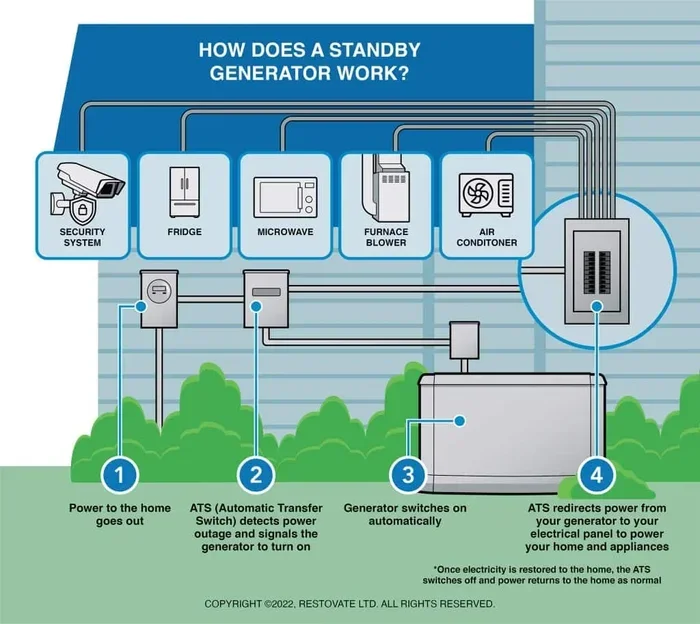
Standby generators are permanent installations outside your home. They connect directly to your electrical system and run on natural gas or propane. When the power goes out, they turn on automatically within seconds.
Standby units range from 7,000 to 24,000 watts or more. They can power your entire home. They are more expensive upfront, but they offer unmatched convenience and reliability. If you live in an area prone to long outages, a standby system is worth the investment.
Many homeowners who invest in a standby system also look into how big of a backup generator they actually need to avoid overspending on capacity they do not need.
Inverter Generators
Inverter generators produce clean, stable power. They are ideal for sensitive electronics like laptops, phones, and TVs. They are also quieter and more fuel-efficient than conventional generators.
The trade-off is they usually have lower wattage output, typically between 1,000 and 4,000 watts. They are best for camping, small homes, or powering a few key devices during an outage.
How Home Size Affects Generator Choice
The size of your home plays a role in determining the right generator. But square footage alone does not tell the whole story. A small apartment with electric heat needs a different generator than a large house with a well pump and central air.
Small Homes and Apartments (Up to 1,000 Sq Ft)
For a small home or apartment, a 3,000 to 5,000-watt portable generator usually covers the essentials. Focus on keeping your refrigerator, a few lights, and your phone chargers running during an outage.
If you do not have central air or a well pump, you can get by with a smaller unit. These generators are lightweight, affordable, and easy to store.
Medium Homes (1,000 to 2,500 Sq Ft)
A medium-sized home typically needs a 5,000 to 10,000-watt generator. This range can handle a refrigerator, sump pump, window AC unit, and basic lighting.
You will want to prioritize which circuits are most important during an outage. A transfer switch helps you connect the generator to your home’s electrical panel safely. This is a worthwhile investment for any medium-sized home.
Large Homes (2,500+ Sq Ft)
Larger homes with central air, electric heat, multiple bathrooms, and a well pump need serious power. A 10,000 to 20,000-watt standby generator is usually the right choice.
At this size, it is worth hiring a professional to perform a full load calculation. They will assess your electrical panel, wiring, and appliance demands to recommend the ideal unit. A properly sized system for a large home prevents overloads and keeps everything running smoothly.
Fuel Types and Their Impact on Sizing
The fuel type you choose affects both the generator size and your long-term costs. Each fuel has pros and cons that you should consider before buying.
Natural Gas
Natural gas is the most convenient fuel for standby generators. It connects directly to your home’s gas line, so you never need to refuel. It burns cleaner than gasoline or propane.
Natural gas generators tend to be larger and more expensive upfront. But the ongoing fuel costs are lower because natural gas is generally affordable and reliable. Many homeowners appreciate the hands-off nature of a natural gas connection.
If you are considering natural gas, it helps to understand how much fuel your unit will actually use. Check out our guide on how much natural gas a generator uses for detailed estimates.
Propane
Propane is a popular choice for both portable and standby generators. It stores indefinitely, unlike gasoline which degrades over time. Propane burns cleanly and is widely available.
The downside is propane has lower energy density than natural gas. This means a propane generator may use more fuel to produce the same amount of power. You will also need to monitor your tank levels and refill or swap tanks as needed.
Diesel and Gasoline
Gasoline is the most common fuel for portable generators. It is easy to find and affordable. But gasoline has a short shelf life, typically 30 to 90 days. You need to rotate your fuel supply regularly.
Diesel generators are more fuel-efficient and last longer. They are common for larger standby systems. But diesel fuel can be harder to find during emergencies and costs more than gasoline or natural gas.
Common Mistakes to Avoid When Sizing a Generator
Even with the best intentions, homeowners make mistakes when choosing a generator size. Avoid these pitfalls to save money and frustration.
Ignoring Surge Wattage
The most common error is only looking at running watts and forgetting starting watts. Every motor-driven appliance needs a surge of power to start. If you ignore this, your generator will trip or fail to start the appliance.
Always add the highest starting watt number to your running total. This ensures your generator can handle the initial power spike.
Forgetting Future Needs
Think about what you might add to your home in the next few years. A new central AC unit, an electric vehicle charger, or a hot tub all increase your power needs. Buying a slightly larger generator now saves you from upgrading later.
Consider how your household might change. A growing family or a home office both add to your electrical load. Plan ahead.
Skipping Professional Advice
Many people try to size a generator based on a quick internet search. While our guide gives you a solid starting point, a licensed electrician can provide a precise load calculation. They know local electrical codes and can recommend the right transfer switch and wiring setup.
Professional advice is especially important for standby generators. Incorrect wiring can be dangerous and may void your warranty.
Choosing Based on Price Alone
The cheapest generator is not always the best value. A low-cost unit that cannot handle your load will cause problems. Focus on getting the right size first, then compare prices within that range.
Think of it as an investment in comfort and safety. A properly sized generator keeps your family warm, your food cold, and your lights on during an outage.
Expert Tips for Getting the Most Out of Your Generator
Once you have the right generator size, proper maintenance and usage make a big difference. Follow these tips to get the best performance and longest lifespan.
- Run your generator regularly: Start it once a month and let it run for 15 to 20 minutes. This keeps the engine in good shape and ensures it starts when you need it.
- Use a heavy-duty extension cord: If using a portable unit, choose a cord rated for the full wattage load. A cheap cord can overheat and create a fire hazard.
- Keep the unit dry and ventilated: Always run generators outdoors. Never use one inside a garage, basement, or shed. Carbon monoxide is deadly and odorless.
- Store fuel safely: Use approved fuel containers and store them away from the generator and heat sources. Rotate your fuel supply every few months.
- Install a carbon monoxide detector: This is a non-negotiable safety step. Place detectors near sleeping areas and near the generator location.
Taking care of your generator extends its life and keeps your family safe. A well-maintained unit can last 10,000 to 30,000 hours or more with proper care.
Final Thoughts on Choosing the Right Generator Size
Knowing what size generator to buy for your home comes down to three things: your power needs, your home size, and your budget. Calculate your total wattage requirements. Choose the right type of generator for your situation. Pick a fuel source that fits your lifestyle and local availability.
Do not rush the decision. A generator is a long-term investment in your home’s comfort and safety. Take the time to do the math, compare options, and if needed, consult a professional. The right generator size gives you peace of mind every time the power goes out.
Start with the wattage calculation in this guide. List your essential appliances. Add up the numbers. From there, you will know exactly what capacity you need. Then shop with confidence, knowing you have the knowledge to make the best choice for your household.
Power outages happen when you least expect them. But with the right home generator, you will be ready. Stay prepared, stay safe, and keep your lights on no matter what.
Frequently Asked Questions
What size generator do I need for a 2000 square foot house?
A 2,000 square foot home typically needs a 5,000 to 10,000-watt generator for essential circuits. If you want to power your entire home including central air, consider a 15,000 to 20,000-watt standby unit. Your actual needs depend on the appliances and systems you want to run during an outage.
Can a 5000 watt generator run a central air conditioner?
A 5,000-watt generator can run a small window AC unit, but it likely cannot handle a central air conditioner. Central AC units typically need 10,000 to 15,000 starting watts. For central air, you need at least a 10,000 to 15,000-watt generator or a smaller unit paired with a load management system.
How do I calculate the right generator size for my home?
Add up the running watts of all appliances you want to run during an outage. Then add the highest starting watt number from any motor-driven appliance. The total is your minimum generator capacity. Always round up by 10 to 20 percent for safety margin and future needs.
Is it better to buy a portable or standby generator?
It depends on your needs and budget. Portable generators are affordable and flexible but require manual setup. Standby generators cost more but turn on automatically and can power your entire home. If outages are frequent or prolonged, a standby system is usually the better choice.
What fuel type is best for home generators?
Natural gas is the most convenient for standby generators because it connects to your existing gas line. Propane stores well for long periods and works for both portable and standby units. Gasoline is affordable but has a short shelf life. Choose based on your local fuel availability and how long you need backup power.
How often should I maintain my generator?
Run your generator for 15 to 20 minutes once a month to keep the engine healthy. Change the oil every 100 hours of use or at least once per season. Replace the air filter and spark plug annually. Regular maintenance ensures your generator starts reliably when you need it most.