Is an Inverter Generator Better for Your Power Needs
An inverter generator produces cleaner, more stable power than a conventional unit, making it ideal for sensitive electronics and outdoor adventures. It uses advanced technology to convert AC power to DC and back, delivering a smooth sine wave output with less noise and better fuel efficiency. If you need reliable, portable electricity for camping, RV trips, or home backup, an inverter generator deserves serious consideration.
Key Takeaways
- Cleaner Power Output: Inverter generators produce a pure sine wave, which is safer for laptops, phones, and other sensitive devices.
- Quieter Operation: These units run significantly quieter than conventional generators, often below 60 decibels.
- Better Fuel Efficiency: Variable speed engines adjust to the load, saving fuel and reducing running costs over time.
- Portability Advantage: Most inverter models are lighter and more compact, making them easy to transport for camping or tailgating.
- Parallel Capability: Many units can be paired with another inverter generator to double your power output when needed.
- Higher Price Point: Expect to pay more upfront compared to a conventional unit of the same wattage.
- Best for Sensitive Electronics: If you need to power TVs, medical devices, or computers, an inverter generator is the clear winner.
📑 Table of Contents
- What Is an Inverter Generator?
- How Does an Inverter Generator Work?
- Inverter Generator vs Conventional Generator
- Benefits of Choosing an Inverter Generator
- When Should You Choose an Inverter Generator?
- Things to Consider Before Buying an Inverter Generator
- Common Mistakes People Make When Choosing a Generator
- Expert Insights on Inverter Generator Technology
- Final Verdict: Is an Inverter Generator Better?
What Is an Inverter Generator?
An inverter generator is a modern type of portable power unit that produces clean, stable electricity. Unlike traditional generators that burn fuel at a constant rate, inverter models use a three-step process. First, they generate AC power. Then they convert it to DC power. Finally, they invert it back into clean AC power.
This process removes power fluctuations and delivers a smooth sine wave output. The result is electricity that is safe for laptops, smartphones, TVs, and other sensitive electronics. Many people wonder whether an inverter generator is better than a conventional unit. The answer depends on what you plan to power and how you plan to use it.
If you have ever dealt with a traditional generator, you know the rumble and vibration they create. An inverter model operates much more quietly. This makes it a popular choice for camping trips, RV adventures, and backyard gatherings where noise matters. The portable power these units deliver is also more consistent, which means fewer worries about voltage spikes damaging your gear.
How Does an Inverter Generator Work?
Understanding how an inverter generator works helps you appreciate why it outperforms conventional options. The core process involves three main stages that transform raw fuel energy into clean electricity.
The Three-Step Power Process
Step one: The engine spins an alternator to produce high-frequency AC power. This raw power is not yet ready for your devices. Step two: A rectifier converts the AC power into DC power. This step smooths out the electrical current. Step three: An inverter module converts the DC power back into AC power. But this time, it produces a clean, stable sine wave that mirrors the power you get from a wall outlet.
This entire process happens automatically. The generator adjusts its engine speed based on the electrical load. When you plug in a single phone charger, the engine slows down. When you add a microwave, the engine speeds up. This variable speed engine technology is what makes inverter generators so fuel-efficient.
Why Clean Power Matters
Conventional generators produce what is called a “dirty” power output. The total harmonic distortion (THD) levels can exceed 20 percent. This means the electrical wave is distorted and unstable. Sensitive electronics do not handle this well. Laptops can suffer motherboard damage. TVs can experience screen flickering. Medical equipment could malfunction.
An inverter generator keeps THD levels below 3 percent. This is the same quality of power you get from your home’s electrical outlets. That is why many people trust inverter units for power conditioning during outages or outdoor events. Clean power also extends the lifespan of your connected devices.
Inverter Generator vs Conventional Generator
The debate between an inverter generator and a conventional generator is common. Both types serve the same basic purpose. But they do it very differently. Let us break down the key differences so you can make an informed decision.
Power Quality
A conventional electrical generator produces raw AC power directly from the engine and alternator. The output is a rough waveform with high harmonic distortion. An inverter model cleans that power through its conversion process. The difference is dramatic. If you need to power a laptop or a television, the inverter unit is the clear choice.
Fuel Efficiency
Because an inverter generator adjusts engine speed to match the load, it uses less fuel. A conventional unit runs at full speed whether you are drawing 25 percent or 100 percent of its capacity. This means an inverter model can run 20 to 40 percent longer on the same tank of fuel. Over time, those fuel savings add up. If you are curious about how much fuel a generator typically uses, check out our guide on how much natural gas a generator uses for more detailed information.
Noise Level
Noise is one of the biggest complaints about conventional generators. They can produce 70 to 80 decibels or more. An inverter generator typically operates between 50 and 65 decibels. That is roughly the volume of a normal conversation. This makes inverter models much more pleasant for camping, tailgating, or residential use during outages.
Size and Weight
Inverter generators tend to be smaller and lighter than conventional units of the same wattage. This is because their engines can be smaller thanks to the variable speed design. Portability is a major advantage. You can easily carry an inverter unit to a tailgate, a campsite, or a job site. For more on how long your portable power setup can last, see our article on how long a generator battery lasts.
Price Comparison
Here is where the conventional generator has an advantage. It is less expensive upfront. A basic conventional unit might cost $300 to $500. A comparable inverter model could cost $800 to $1,500. The higher price reflects the advanced electronics and power conditioning technology. However, the fuel savings and device protection can offset that cost over time.
| Feature | Inverter Generator | Conventional Generator |
|---|---|---|
| Power Quality | Clean sine wave, low THD | Dirty power, high THD |
| Fuel Efficiency | High (adjustable speed) | Lower (constant speed) |
| Noise Level | 50-65 dB | 70-80+ dB |
| Weight | Lightweight, portable | Heavier, bulkier |
| Price | Higher upfront cost | Lower upfront cost |
| Sensitive Electronics | Safe to use | Risk of damage |
| Parallel Capability | Often supported | Rarely supported |
Benefits of Choosing an Inverter Generator
There are many reasons why homeowners and outdoor enthusiasts are switching to inverter generator technology. Let us look at the top benefits in detail.
1. Safe for Sensitive Electronics
The biggest advantage of an inverter generator is clean power. You can plug in your laptop, charge your phone, run a TV, or power a CPAP machine without worry. The clean sine wave output eliminates the risk of voltage spikes that can fry circuit boards. This alone makes inverter generators worth the investment for anyone who relies on electronics.
2. Fuel Savings Over Time
The variable speed engine in an inverter unit means it only uses as much fuel as needed. If your load is light, the engine slows down. If the load increases, the engine speeds up. This smart fuel management can save you significant money, especially if you use your generator regularly. Over several seasons of use, those savings can help close the price gap with a conventional unit.
3. Quieter for Neighborhoods and Campsites
Nobody wants to be the neighbor with the loudest generator on the block. Inverter models run so quietly that many campsites allow them where conventional units are banned. The quiet operation also makes inverter generators better for residential backup power. You can run one overnight without disturbing your sleep or your neighbors.
4. Parallel Portability
Many inverter generators support parallel capability. This means you can connect two identical units to double your power output. Need more watts for a party or a job site? Just pair them up. This flexibility is not commonly available with conventional generators. It is a smart solution for those who need more power occasionally but do not want to buy a massive single unit.
5. Lower Emissions
Because the engine runs at optimal speed, an inverter generator produces fewer emissions. This is better for the environment and also means less fumes around your camping site or workspace. If you care about your carbon footprint, this is a meaningful advantage.
When Should You Choose an Inverter Generator?
Not everyone needs an inverter generator. But for many people, it is the right choice. Here are the situations where an inverter generator shines the brightest.
Camping and Outdoor Recreation
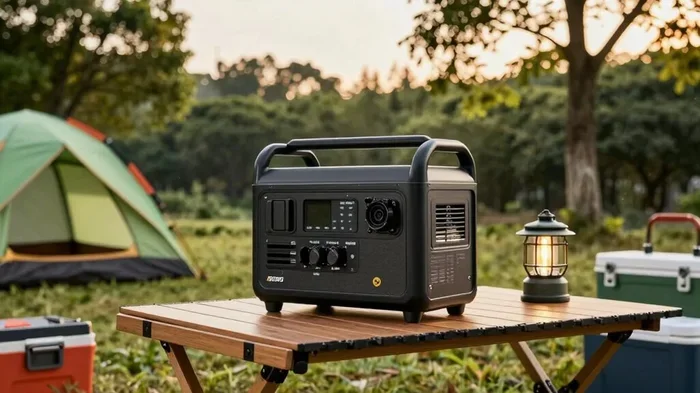
If you love spending weekends in the great outdoors, an inverter generator is a game-changer. It powers your lights, charges your devices, and runs a small fan or portable speaker. The quiet operation keeps the peace in the campground. The lightweight design means you can carry it to remote sites without breaking your back.
RV and Van Life
RV owners know how important it is to have reliable, clean power on the road. An inverter generator provides the same quality of electricity you would get at a campground hookup. It safely powers your microwave, TV, and charging stations. Many RVers prefer inverter models because they fit easily in storage compartments and do not drain the battery unnecessarily.
Home Backup for Essentials
During a power outage, you need to keep critical devices running. An inverter generator can power your refrigerator, medical equipment, internet router, and a few lights. The clean power output protects these devices from damage. For a more comprehensive look at backup power sizing, check out our article on how big of a backup generator you need.
Job Sites with Sensitive Tools
Construction professionals and contractors sometimes need to power delicate tools on site. An inverter generator provides stable electricity for laptops, measuring equipment, and power tools with electronic controls. The portability also makes it easy to move between job sites.
Things to Consider Before Buying an Inverter Generator
Before you pull out your wallet, consider a few important factors. These will help you choose the right inverter generator for your specific situation.
Determine Your Wattage Needs
Add up the wattage of all the devices you plan to run at the same time. Look at the running watts and the starting watts (also called surge watts). Starting watts are higher and only last for a few seconds when a motor kicks on. Make sure your generator can handle both numbers comfortably.
Check the THD Rating
Always look for a unit that produces less than 3 percent total harmonic distortion. This ensures truly clean power. Some cheaper models claim to be inverters but still produce higher THD. Read the specifications carefully. If you want to learn more about how generators are evaluated, our generator testing guide covers the key metrics to look for.
Consider Noise Levels
If noise is a concern for you, check the decibel rating. Units under 60 dB are very quiet. Units between 60 and 65 dB are moderate. Anything above 65 dB starts to feel loud, especially in a quiet campground or residential area.
Think About Portability
Will you be carrying this unit frequently? If so, weight matters. Most inverter generators weigh between 40 and 80 pounds. Look for models with built-in handles and, ideally, wheels for larger units. The lightweight design of inverter models is one of their biggest selling points.
Budget for Quality
You get what you pay for with inverter generators. The cheapest models may lack features like parallel capability, USB ports, or digital displays. Investing in a mid-range or premium unit often gives you better build quality, longer warranty, and more reliable performance. Remember that the fuel savings over time can help justify the higher upfront cost.
Common Mistakes People Make When Choosing a Generator
Avoid these common pitfalls when shopping for an inverter generator or any portable power solution.
- Buying based on price alone: The cheapest unit may not produce clean power or last long. Always check the THD rating and warranty.
- Ignoring starting watts: Many people only look at running watts. But motors need extra power to start up. Underestimating this can trip your generator’s breaker constantly.
- Overlooking fuel tank size: A small tank means more frequent refueling. If you need extended runtime, choose a model with a larger tank or consider generator battery life options.
- Skipping regular maintenance: Even the best inverter generator needs oil changes, air filter cleaning, and spark plug checks. Skipping maintenance shortens its lifespan.
- Not testing before you need it: Run your generator for at least 30 minutes every few months. This keeps the engine in good shape and lets you catch problems early. For more on this, see our guide on generator testing.
Expert Insights on Inverter Generator Technology
Industry experts agree that inverter technology has transformed the portable power landscape. Modern inverter generators are smaller, quieter, and more efficient than ever before. Leading brands like Honda, Yamaha, and Generac have invested heavily in this technology, pushing the boundaries of what a portable unit can do.
The shift toward clean power output has also driven innovation in other areas. Many new models include smart features like app connectivity, automatic idle control, and eco-mode settings. These features make inverter generators even more user-friendly and efficient. As battery technology continues to improve, we may soon see hybrid models that combine inverter generators with rechargeable battery packs for even greater flexibility.
One thing experts emphasize is that an inverter generator is not a replacement for a whole-house standby unit. It is best suited for portable, targeted power needs. If you need to power your entire home during a multi-day outage, a larger standby electrical generator is still the right tool. But for most everyday and recreational uses, the inverter model wins on nearly every metric.
Final Verdict: Is an Inverter Generator Better?
So, is an inverter generator better? For most people, the answer is yes. If you value clean power, quiet operation, fuel efficiency, and portability, an inverter model is the smarter choice. It protects your electronics, saves fuel, and runs quietly enough for any setting.
A conventional generator still has its place. If you need maximum raw power at the lowest possible price, a conventional unit makes sense. But for the average homeowner, camper, or outdoor enthusiast, the benefits of inverter technology far outweigh the higher upfront cost.
The clean sine wave output alone is worth the investment. Knowing your laptop, phone, and TV are safe from power surges gives you peace of mind. Add in the fuel savings, the quiet operation, and the portability, and the choice becomes clear. An inverter generator is the best all-around option for modern power needs.
Take some time to assess your power requirements. Think about where and how you will use the generator. Choose a model with the right wattage, a low THD rating, and features that match your lifestyle. The right inverter generator will serve you well for years to come, delivering reliable, clean power whenever you need it most.
Frequently Asked Questions
What is the main advantage of an inverter generator over a conventional one?
The main advantage is clean power output. An inverter generator produces a pure sine wave with less than 3 percent total harmonic distortion. This makes it safe for sensitive electronics like laptops, phones, and TVs, which conventional generators can potentially damage.
Are inverter generators worth the extra cost?
Yes, for most users they are worth it. The fuel savings alone can offset the higher purchase price over time. Add in the quieter operation, lighter weight, and cleaner power, and the value becomes clear. If you plan to use your generator regularly, the investment pays off.
Can I run my entire house on an inverter generator?
It depends on your power needs. A standard inverter generator typically produces 2,000 to 4,000 watts, which is enough for essentials like a refrigerator, a few lights, and charging stations. For full-house coverage, you would need a much larger unit or multiple generators running in parallel. For more on sizing, see our guide on how big of a backup generator you need.
How long do inverter generators last?
With proper maintenance, a quality inverter generator can last 1,000 to 2,000 hours or more. Regular oil changes, air filter cleaning, and spark plug replacements go a long way. Using clean fuel and storing the unit properly also extends its lifespan significantly.
What is the difference between a sine wave generator and an inverter generator?
An inverter generator produces a clean sine wave output as part of its power conversion process. A sine wave generator is a broader term that refers to any generator producing a sine waveform. All quality inverter generators produce sine waves, but not all sine wave generators are inverter models.
Do inverter generators work in cold weather?
Yes, but cold weather can make starting harder. Using a fuel stabilizer and keeping the unit in a sheltered area helps. Some models come with cold-weather kits or electric start features that make winter operation much easier. Always follow the manufacturer’s guidelines for temperature limits.
=== CONCLUSION ===
An inverter generator offers a compelling combination of clean power, fuel efficiency, quiet operation, and portability. Whether you are gearing up for a camping trip, setting up an RV, or preparing for the next power outage, this technology delivers reliable electricity without the downsides of conventional models. The higher upfront cost is balanced by long-term savings and better protection for your valuable electronics. Take the time to evaluate your power needs, compare models, and invest in the right unit. You will not regret choosing clean, efficient, and quiet power for your home and adventures.