What Causes AC Compressor Failure and How to Prevent It
AC compressor failure can shut down your entire cooling system fast. Understanding the root causes, from refrigerant leaks to electrical issues, is the first step toward prevention. This guide covers the most common compressor failure causes and gives you practical, actionable tips to keep your AC compressor running strong for years.
Key Takeaways
- Low refrigerant is the #1 silent killer: It forces your compressor to work harder and eventually burn out.
- Dirty condenser coils and clogged filters restrict airflow and cause overheating, leading to premature failure.
- Electrical problems like voltage surges and faulty wiring can damage the compressor motor instantly.
- Short cycling wears out your compressor faster than almost any other issue, so fixing short cycles is critical.
- Regular maintenance including annual tune-ups and filter changes can prevent most compressor failures.
- Ignoring early warning signs like strange noises or reduced cooling will lead to costly repairs or full replacement.
📑 Table of Contents
What Causes AC Compressor Failure?
Your AC compressor is the heart of your air conditioning system. It pumps refrigerant through the unit and makes cool air possible. When it fails, your home gets hot, your energy bills spike, and you face an expensive repair bill. Understanding what causes ac compressor failure is the best way to avoid it.
Compressors don’t usually fail overnight. There are almost always warning signs and underlying problems that build up over weeks or months. The good news is that most of these causes are preventable with the right care and attention. Let us walk you through every major cause and show you exactly how to stop it from happening.
Whether you have a central air system, a window unit, or an air conditioning compressor in your RV, the failure mechanisms are similar. The principles of prevention stay the same too. Let us dive into the details.
1. Low Refrigerant Levels
Low refrigerant is the single most common cause of ac compressor failure. Your system is a closed loop, so refrigerant should never run out. But leaks happen. When they do, the compressor has to work harder to cool your space with less refrigerant.
Here is what happens inside the system when refrigerant drops too low:
- The compressor struggles to maintain pressure, which strains the motor.
- The compressor overheats because it is running longer cycles.
- Oil circulation inside the compressor drops, causing internal wear.
- Eventually, the motor burns out and the compressor dies.
The tricky part is that low refrigerant does not always show obvious symptoms at first. You might notice your AC takes longer to cool the room. Or the air coming from the vents feels slightly warm. These small signs are easy to ignore, but they are your early warning system.
What to do: Schedule a professional ac system maintenance check at least once a year. A technician can detect small refrigerant leaks before they become major problems. If you notice your cooling is taking longer than usual, do not wait. Call a pro right away.
2. Dirty Condenser Coils
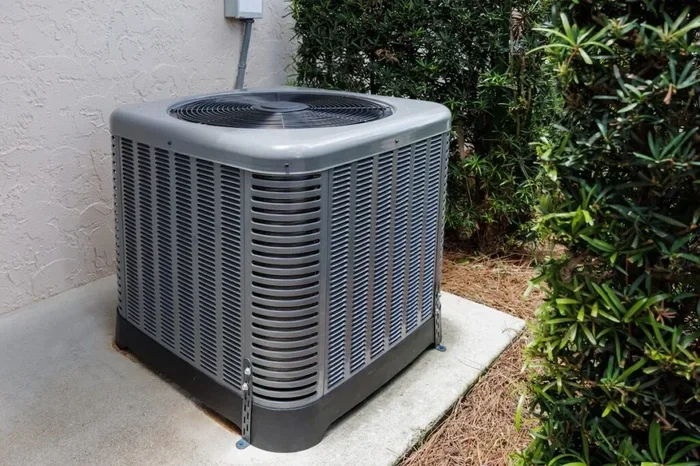
The condenser coils sit outside your home and release heat from the refrigerant. Over time, dirt, dust, pollen, and debris build up on these coils. When the coils are dirty, heat cannot escape properly. This causes the entire system to overheat.
Dirty condenser coils lead to compressor failure in a few key ways:
- Reduced heat transfer forces the compressor to run longer and harder.
- High head pressure builds up inside the system, stressing the motor windings.
- Overheating degrades the compressor oil and damages internal components.
Think of it like running a marathon with a heavy backpack. Your body (the compressor) is working the same hard, but the extra weight (dirty coils) makes it unsustainable. Eventually, something gives out.
Quick Tip: You can hose down your condenser coils once or twice a year. Turn off the power first, and use a garden hose with a gentle spray. Never use a pressure washer, as it can bend the delicate fins. For a deeper clean, have a professional handle it during your annual ac unit maintenance visit.
3. Electrical Problems and Power Surges
Electrical issues are one of the most destructive causes of ac compressor failure. Your compressor relies on a steady flow of electricity to run the motor. When that flow is interrupted or spiked, the damage can be immediate and severe.
Common electrical problems include:
- Voltage surges from lightning strikes or grid fluctuations.
- Loose or corroded wiring inside the electrical connections.
- Capacitor failure, which prevents the compressor from starting properly.
- Contactor wear, which causes intermittent power delivery.
Voltage surges are especially dangerous because they can fry the compressor motor windings in an instant. You may not even get a warning. The compressor simply stops working.
What to do: Install a surge protector for your HVAC system. Have an electrician check your wiring and electrical connections every few years. If your compressor clicks but does not start, the problem is likely electrical, not mechanical. Do not keep trying to start it, as this can cause further damage.
4. Refrigerant Line Blockages
A blockage in the refrigerant line is like a clogged artery. The refrigerant cannot flow properly, and pressure builds up on one side of the blockage. This puts enormous stress on the air conditioning compressor.
Blockages can be caused by:
- Moisture inside the system that freezes and creates ice buildup.
- Debris and contaminants that enter the line during installation or repairs.
- Acid buildup from refrigerant breakdown over time.
When a blockage forms, the compressor has to push against much higher pressure than it was designed for. The motor overheats, the internal components wear out faster, and the compressor eventually seizes up.
What to do: Always have a licensed professional install or repair your AC system. Proper installation prevents debris from entering the lines. If you notice ice forming on the refrigerant lines, turn off the system and call a technician immediately. This is a clear sign of a blockage or low refrigerant.
5. Short Cycling
Short cycling means your compressor turns on and off too frequently. A healthy AC system runs in cycles of about 15 to 20 minutes. When cycles are much shorter, the compressor does not get enough time to cool down between starts. Each start-up puts the most stress on the motor.
Short cycling wears out the compressor faster than almost any other issue. Here is why:
- Startup current is much higher than running current, which stresses the motor windings.
- Thermal cycling causes expansion and contraction that loosens internal connections.
- Oil circulation is incomplete during short runs, leading to increased friction and wear.
Short cycling can be caused by an oversized unit, a dirty air filter, a malfunctioning thermostat, or low refrigerant. Whatever the cause, it needs to be fixed quickly.
What to do: Replace your air filter every 30 to 90 days. Make sure your thermostat is placed away from heat sources like windows or appliances. If your AC is short cycling, do not ignore it. Have a technician diagnose the root cause before the compressor suffers permanent damage.
6. Lack of Lubrication and Oil Leaks
Your compressor contains moving parts that rely on oil for lubrication. Without proper oil levels, metal parts grind against each other. Friction builds up, heat increases, and the internal components wear down rapidly.
Oil leaks can happen over time, especially in older systems. The compressor loses oil gradually, and you might not notice any change in performance until the damage is already done. By the time you hear strange noises or feel reduced cooling, the internal wear may be severe.
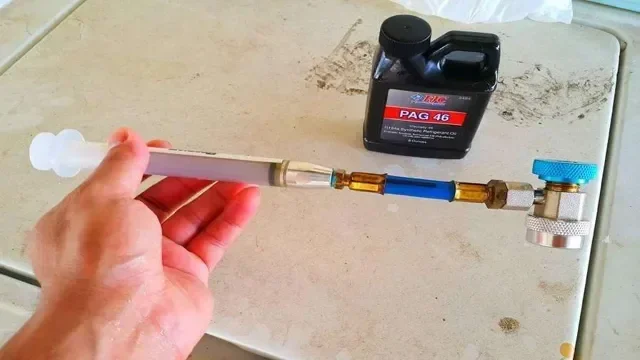
What to do: During your annual ac system maintenance, ask the technician to check the oil levels and inspect for leaks. Some modern compressors are sealed and do not require oil checks, but older units benefit from regular inspection.
7. Contaminants Inside the System
Your AC system should only contain refrigerant and oil. But over time, moisture, acids, and other contaminants can enter the system. These contaminants are corrosive and can damage the compressor internals, including the valves and motor windings.
Contaminants often enter the system during:
- Improper installation that allows air or moisture into the lines.
- Failed repairs where the system was not properly evacuated.
- Decomposition of refrigerant over many years of use.
The best way to prevent contaminant-related ac compressor failure is to ensure that all installation and repair work is done by licensed, experienced professionals. Never let someone cut corners on evacuation or charging procedures.
How to Prevent AC Compressor Failure
Now that you know the main causes, let us talk about prevention. The good news is that most compressor failures are preventable with a consistent maintenance routine and some basic habits.
Stick to a Regular Maintenance Schedule
Annual maintenance is the single most effective way to prevent ac compressor failure. During a maintenance visit, a technician will:
- Check refrigerant levels and inspect for leaks.
- Clean the condenser and evaporator coils.
- Inspect electrical connections and test capacitors.
- Check oil levels and lubricate moving parts.
- Test the thermostat and ensure proper cycling.
- Inspect the drain line and airflow.
This thorough check catches small problems before they turn into big, expensive failures. Think of it like going to the dentist for a cleaning. A small investment now saves you from a painful and costly procedure later.
Change Your Air Filters Regularly
A clogged air filter restricts airflow across the evaporator coil. This causes ice to build up on the coil, which can eventually damage the compressor. It is one of the simplest and cheapest prevention steps you can take.
Replace your filter every 30 to 90 days depending on your household conditions. If you have pets, allergies, or live in a dusty area, you may need to change it more often. A clean filter also improves your indoor air quality and helps your system run more efficiently.
Keep the Outdoor Unit Clear
Your outdoor condenser unit needs proper airflow to function correctly. Keep the area around it clear of leaves, grass clippings, dirt, and debris. Trim back any bushes or plants that are growing too close. A good rule of thumb is to maintain at least two feet of clearance on all sides.
During fall, leaves can accumulate quickly around the unit. Check it regularly and clear any debris. In winter, protect the unit from heavy snow and ice buildup, but do not cover it completely, as this can trap moisture.
Install a Surge Protector
Electrical surges are one of the most sudden and destructive causes of compressor failure. A whole-home surge protector or a dedicated HVAC surge protector can shield your compressor from voltage spikes. This is a relatively small investment that can save you thousands in replacement costs.
If you live in an area prone to lightning storms or experience frequent power fluctuations, a surge protector is an absolute must. It is one of the easiest and most cost-effective ways to protect your entire AC system.
Do Not Ignore Warning Signs
Your AC system will usually give you warning signs before a compressor fails completely. Learn to recognize these early signals:
- Strange noises like grinding, squealing, or clicking coming from the outdoor unit.
- Reduced cooling where your home takes longer to reach the set temperature.
- Warm air coming from the vents even when the system is running.
- Ice buildup on the refrigerant lines or evaporator coil.
- Frequent cycling where the system turns on and off more than usual.
- Higher energy bills with no change in usage patterns.
If you notice any of these signs, do not wait. Call a qualified HVAC technician as soon as possible. Early intervention can often prevent a full compressor failure and save you from the high cost of a compressor replacement cost.
How Long Should an AC Compressor Last?
A well-maintained compressor can last 15 to 20 years. However, many compressors fail much earlier, often between 8 and 12 years, due to neglect or preventable issues. The lifespan of your compressor depends heavily on how well you maintain the system and how quickly you address problems.
Several factors influence compressor lifespan:
- Maintenance frequency is the biggest factor. Systems with annual tune-ups last significantly longer.
- Usage patterns matter too. Systems in hot climates run more hours per year and experience more wear.
- Installation quality plays a role. A properly installed system will outperform a poorly installed one by years.
- Environmental factors like coastal salt air, high humidity, and extreme heat can accelerate wear.
If your compressor is approaching the 15-year mark and you are starting to see frequent repairs, it may be time to consider a full system replacement. Continuing to invest in an aging compressor can become more expensive than a new unit, especially when you factor in rising ac compressor repair cost and declining efficiency.
AC Compressor Failure in RVs and Mobile Homes
RV owners face unique challenges when it comes to compressor health. The compact systems in RVs are more vulnerable to strain, especially during hot weather camping. If you have an RV, you know how important it is to keep your cooling system running on the road.
RV compressor failure often happens because of:
- Vibration damage from driving on rough roads.
- Power inconsistencies when using generators or campground hookups.
- Limited airflow in tight RV spaces where the outdoor unit gets blocked.
If you are running your RV AC on a generator, make sure your setup is properly sized. An undersized generator can cause voltage drops and short cycling that wear out the compressor over time. Learn more about what size generator you need for a 30 amp RV air conditioner to protect your compressor.
For RV owners, regular maintenance is even more critical because you cannot simply call a local technician on the road. Before each camping season, inspect your system, clean the coils, and check for any signs of wear. If you are also using a generator for other appliances, understanding proper sizing matters for the whole electrical system.
When to Replace vs. Repair a Compressor
Not every compressor problem requires a full replacement. The decision to repair or replace depends on several factors, including the age of the system, the cost of the repair, and the overall condition of the unit.
Consider repair if:
- Your system is less than 10 years old.
- The repair cost is less than half the cost of a new unit.
- Other components of the system are still in good condition.
- The failure was caused by a simple issue like a faulty capacitor or electrical problem.
Consider replacement if:
- Your system is over 15 years old.
- The compressor failure is due to internal wear or contamination.
- You are facing frequent repairs that keep adding up.
- The system uses an older refrigerant that is being phased out.
A failing compressor does not always mean you need a full system replacement. Sometimes the compressor can be replaced while keeping the rest of the system intact. However, if the system is old and inefficient, a full replacement with a modern unit will save you money on energy bills and future repairs.
Expert Insights on Compressor Longevity
HVAC professionals agree that prevention is always cheaper than repair. The most common mistake homeowners make is ignoring small problems until they become big, expensive failures. A compressor does not fail in a vacuum. There is always a chain of events that leads to the breakdown.
Top technicians recommend focusing on three key areas:
- Refrigerant management keep levels correct and fix leaks immediately.
- Airflow maintenance clean coils, replace filters, and ensure proper ventilation.
- Electrical health inspect wiring, capacitors, and contactors regularly.
When you take care of these three areas consistently, your compressor will reward you with years of reliable service. The cost of a simple annual tune-up is a fraction of what you would pay for a compressor replacement.
Conclusion
AC compressor failure is almost always preventable. The causes are well understood, and the prevention steps are straightforward. Low refrigerant, dirty coils, electrical problems, short cycling, and lack of maintenance are the main culprits. By staying on top of regular maintenance, watching for warning signs, and addressing small issues quickly, you can protect your compressor and avoid costly repairs.
Your compressor is one of the most expensive components in your AC system. Treat it well, and it will keep your home cool and comfortable for many years to come. Do not wait until something goes wrong to pay attention. Start your prevention routine today, and your future self will thank you.
Remember, the best time to maintain your AC system is before the hot weather arrives. Schedule your annual tune-up in the spring, and you will enter summer with confidence that your compressor is in great shape.
Frequently Asked Questions
Can low refrigerant cause ac compressor failure?
Yes, absolutely. Low refrigerant forces the compressor to work harder to maintain cooling, which causes overheating and eventually motor burnout. This is one of the most common causes of compressor failure, and it is entirely preventable with regular maintenance and prompt leak repairs.
How much does it cost to replace an AC compressor?
The ac compressor replacement cost typically ranges from $1,000 to $3,000 for the compressor alone, and $3,000 to $7,000 if you include labor and the full system replacement. The exact cost depends on your system size, the type of compressor, and whether other components need replacement too.
What are the early signs of compressor failure?
Early signs include reduced cooling performance, strange noises like grinding or clicking, ice buildup on the refrigerant lines, frequent short cycling, and warm air coming from the vents. If you notice any of these symptoms, contact a technician right away to prevent further damage.
Can a dirty air filter cause compressor failure?
Yes, a dirty air filter restricts airflow, which causes the evaporator coil to freeze up. When the ice melts, it can flood the compressor with liquid refrigerant, causing hydraulic lock and serious internal damage. Changing your filter regularly is one of the easiest ways to protect your compressor.
Is it worth replacing a compressor in an old AC unit?
It depends on the age and condition of the system. If your unit is over 15 years old and other components are also showing wear, a full system replacement is usually the better investment. A new unit will be more energy-efficient and come with a warranty that covers parts and labor.
How often should I have my AC system professionally maintained?
You should have a professional ac system maintenance visit at least once a year, ideally in the spring before the cooling season starts. If you use your AC heavily or live in a particularly hot or humid climate, consider scheduling a second checkup in mid-summer for optimal protection.