Top Generator Brands for Your Home and Power Needs
Finding the right generator brand can make all the difference when the power goes out. This guide covers the top-rated generator brands for home use, including portable, standby, and inverter models. You will learn how to compare power output, fuel efficiency, and warranty features to pick the best backup power solution for your household.
Power outages can strike anytime. Storms, grid failures, and unexpected equipment problems can leave your home in the dark within minutes. That is why having a reliable generator is not just a luxury, it is a necessity for modern households.
But with so many generator brands on the market, how do you pick the right one? Some brands focus on portability, while others build heavy-duty standby units for whole-house coverage. The best generator brand for you depends on your power needs, budget, and how long you need backup power to last.
In this guide, we break down the top generator brands for home and power needs. We compare features, reliability, and value so you can make a confident choice. Whether you need a small portable unit for camping or a powerful standby backup power system for your entire house, we have you covered.
We also share practical tips on sizing, fuel efficiency, and maintenance. By the end, you will know exactly what to look for and which brands deserve your money.
Key Takeaways
- Choose the right type: Portable, standby, and inverter generators each serve different home power needs.
- Top brands matter: Brands like Honda, Generac, Champion, and Westinghouse lead the market for reliability and performance.
- Match capacity to your needs: Choosing the right generator size prevents overload and saves fuel.
- Maintenance extends life: Regular upkeep keeps your generator running smoothly for years.
- Warranty and support count: Strong warranty coverage signals a trustworthy brand.
- Fuel efficiency saves money: Look for models with smart fuel management features.
📑 Table of Contents
- Why Choosing the Right Generator Brand Matters
- Top Generator Brands for Home Use
- How to Choose the Right Generator for Your Home
- Key Features to Look for in a Generator
- Common Mistakes When Buying a Generator
- Maintenance Tips to Keep Your Generator Running Strong
- Final Thoughts: Finding the Best Generator Brand for You
Why Choosing the Right Generator Brand Matters
Not all generators are created equal. A cheap, unknown brand might seem like a good deal at first, but it could fail when you need it most. The best generator brands invest heavily in engineering, safety testing, and customer support. Here is why brand reputation matters so much.
Reliability During Emergencies
When a storm knocks out power, you cannot afford a generator that breaks down after an hour. Trusted generator brands build their units with durable components and rigorous generator testing processes. This means fewer breakdowns and more peace of mind.
Safety Features
Quality brands include built-in safety features like automatic low-oil shutdown, overload protection, and carbon monoxide detectors. These features protect your family and your home. Cheaper brands often skip these essentials, which creates serious risks.
Warranty and After-Sales Support
A strong warranty tells you a brand stands behind its product. Leading generator brands offer warranties that range from 3 to 10 years on parts and labor. They also maintain extensive dealer networks and customer service teams. If something goes wrong, you want help that is easy to reach.
Top Generator Brands for Home Use
Let us dive into the best generator brands available today. Each brand has its strengths, so we break them down by category and use case.
Honda
Honda is widely considered the gold standard in the generator world. Their inverter generators are famous for quiet operation and excellent fuel efficiency. Honda units are slightly pricier than competitors, but the build quality and longevity justify the cost.
Honda generators are perfect for homeowners who need reliable backup power without the noise. Their Eco-Throttle technology adjusts engine speed based on load, which saves fuel and extends runtime. Many homeowners choose Honda for both recreational and emergency use.
Generac
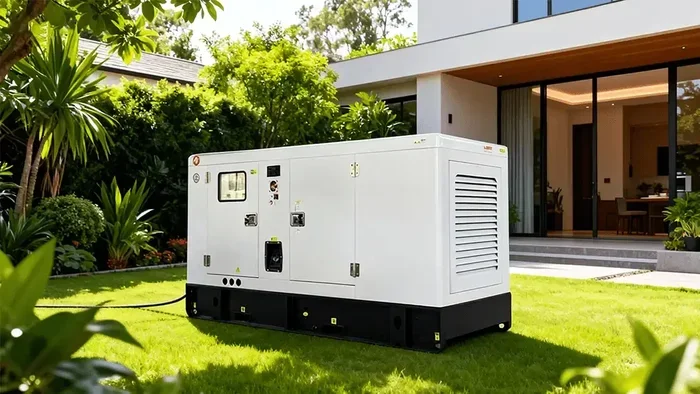
Generac dominates the standby generator market. If you need a whole-house backup power system, Generac should be at the top of your list. Their standby units kick on automatically when grid power fails, so you barely notice the outage.
Generac offers a wide range of sizes, from small portable units to large home standby models. Their customer service network is extensive, with many authorized dealers across the country. For homeowners serious about permanent backup power, Generac delivers consistent performance.
Champion
Champion has earned a strong reputation for offering excellent value. Their generators pack solid features at prices that undercut many competitors. Champion makes both portable and dual-fuel models, giving you flexibility in how you power your home.
Many Champion units include convenient features like electric start, USB charging ports, and low-oil shutoff. They are a popular choice for budget-conscious homeowners who still want dependable backup power. If you want quality without breaking the bank, Champion is worth a serious look.
Westinghouse
Westinghouse offers a broad lineup of portable and standby generators. Their units are known for high power output at competitive prices. Westinghouse also produces dual-fuel and tri-fuel models, which can run on gasoline, propane, or natural gas.
The brand has been around for over a century, which gives it deep engineering experience. Their standby generators are a solid choice for homeowners who want automatic backup power with multiple fuel options. Westinghouse balances performance and affordability very well.
Sun Joe
Sun Joe has carved out a niche in the portable generator space. Their units are compact, lightweight, and affordable, making them great for smaller power needs. Sun Joe generators work well for camping trips, tailgating, and powering essential appliances during short outages.
If you are looking for a budget-friendly option for light-duty use, a Sun Joe generator is a solid pick. They are not built for whole-house coverage, but they excel at portability and ease of use. For homeowners who need occasional backup power, Sun Joe delivers good value.
How to Choose the Right Generator for Your Home
Picking a generator brand is only half the battle. You also need to choose the right type and size for your home. Here is a simple guide to help you decide.
Determine Your Power Needs
Start by listing the essential appliances you want to keep running during an outage. A refrigerator, sump pump, lights, and a furnace fan are common priorities. Add up the wattage of each item to find your total power requirement.
As a rule of thumb, a portable generator between 3,000 and 5,000 watts handles basic home needs. For full-house coverage, you will want a standby unit rated at 7,000 watts or higher. If you are unsure about sizing, check out our guide on how big of a backup generator do I need for detailed sizing help.
Portable vs. Standby Generators
Portable generators are versatile and easy to move around. They work great for temporary power and outdoor activities. However, they require manual setup and refueling. Standby generators install permanently outside your home and turn on automatically during outages.
Standby units are more expensive upfront, but they offer unmatched convenience. If you live in an area prone to storms or frequent power disruptions, a standby generator is a worthwhile investment. For occasional use, a portable model from a trusted brand like Honda or Champion will serve you well.
Fuel Type Considerations
Most home generators run on gasoline, propane, natural gas, or diesel. Gasoline is the most common fuel for portable units, but it has a shorter shelf life. Propane and natural gas burn cleaner and store longer, which makes them ideal for standby systems.
Dual-fuel generators let you switch between gasoline and propane, giving you flexibility. If you want to learn more about fuel consumption, our article on how much natural gas does a generator use covers this topic in detail.
Key Features to Look for in a Generator
Not all generators offer the same features. Here are the most important ones to consider when comparing generator brands.
Inverter Technology
Inverter generators produce clean, stable power that is safe for sensitive electronics like laptops and smartphones. Traditional generators produce rougher power that can damage delicate devices. If you plan to power electronics, look for an inverter generator from a reputable brand.
Runtime and Fuel Efficiency
Runtime tells you how long a generator can run on a single tank of fuel. Longer runtime means fewer refueling stops during an outage. Modern generators use smart throttle technology to adjust fuel consumption based on the load. This improves fuel efficiency and extends the time between fill-ups.
Noise Level
Nobody wants a generator that sounds like a jet engine in their backyard. Inverter models are the quietest, often running below 60 decibels. Conventional portable generators tend to be louder, typically around 70 to 80 decibels. If noise is a concern, prioritize brands that emphasize quiet operation.
Portability and Ease of Use
Look for generators with built-in handles, wheels, and electric start features. These make setup and movement much easier. Heavy units without wheels can be a real hassle, especially if you need to move them frequently.
Common Mistakes When Buying a Generator
Avoid these common pitfalls so you do not end up with the wrong unit for your needs.
Undersizing the Generator
Buying a generator that is too small is the most common mistake. It will overload and shut down when you try to power multiple appliances. Always calculate your total wattage needs before purchasing.
Ignoring Maintenance Requirements
Generators need regular maintenance to stay reliable. This includes oil changes, air filter replacements, and fuel stabilizer use during storage. Skipping maintenance can lead to poor performance or a unit that will not start when you need it most.
Skimping on Safety Features
Never buy a generator without essential safety features. Low-oil shutdown, overload protection, and ground fault circuit interrupters are non-negotiable. These features protect both your equipment and your family.
Maintenance Tips to Keep Your Generator Running Strong
A well-maintained generator lasts much longer and performs better when you need it most. Here are simple tips to keep your unit in top shape.
Change the oil after every 50 to 100 hours of use, or at least once per season. Replace the air filter regularly, especially if you use your generator in dusty environments. Use fuel stabilizer if you store gasoline for more than 30 days to prevent gum buildup in the carburetor.
Run your generator under load for at least 15 minutes once a month. This keeps the engine lubricated and prevents fuel system issues. Store your generator in a dry, ventilated area away from living spaces to prevent carbon monoxide buildup.
For more detailed guidance on keeping your unit reliable, check out our article on generator testing to learn how professionals evaluate performance and durability.
Final Thoughts: Finding the Best Generator Brand for You
Choosing the right generator brand comes down to your specific needs and budget. If you want the best overall quality and reliability, Honda and Generac are hard to beat. For budget-friendly options, Champion and Westinghouse offer excellent value. And for light-duty portability, Sun Joe provides a solid entry point.
Remember to size your generator correctly, prioritize safety features, and stay on top of maintenance. A good generator is an investment in your home’s comfort and safety during power outages. Take your time, compare your options, and choose a brand that you can trust.
Power outages are unpredictable, but your preparation does not have to be. With the right generator brand and a little planning, you can keep your home running smoothly no matter what happens.
Frequently Asked Questions
What is the most reliable generator brand for home use?
Honda and Generac are widely regarded as the most reliable generator brands for home use. Honda excels in portable and inverter models, while Generac leads in standby and whole-house systems. Both brands have strong track records for durability and customer satisfaction.
How do I know what size generator I need for my home?
Add up the wattage of the essential appliances you want to run during an outage. A portable generator between 3,000 and 5,000 watts handles basic needs, while standby units of 7,000 watts or more cover full-house requirements. For detailed sizing guidance, refer to our article on how big of a backup generator do I need.
Are inverter generators worth the extra cost?
Yes, inverter generators are worth the investment if you need clean power for sensitive electronics. They are also quieter and more fuel-efficient than conventional models. Brands like Honda and Champion offer excellent inverter options at various price points.
How often should I maintain my generator?
You should perform basic maintenance every 50 to 100 hours of use or at least once per season. This includes oil changes, air filter replacements, and fuel stabilizer treatment. Regular maintenance significantly extends the lifespan of your generator and ensures it starts when you need it.
Can I use a portable generator to power my entire house?
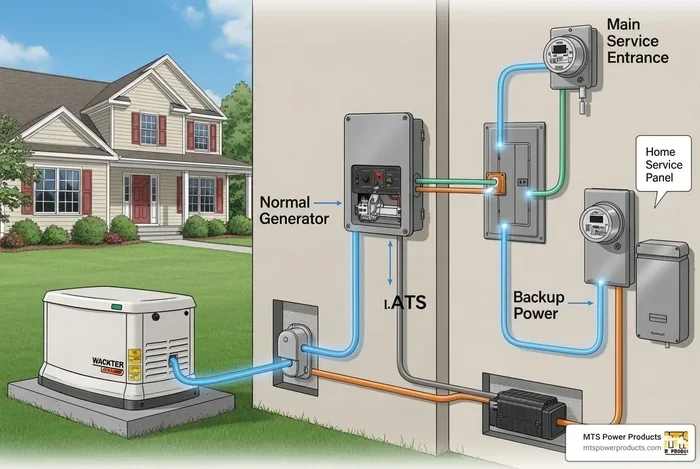
Portable generators can power essential circuits but are generally not designed for full-house coverage. For whole-home backup power, a standby generator is the better choice. Standby units connect directly to your home’s electrical system and activate automatically during outages.
What fuel type is best for a home generator?
Gasoline is the most common fuel for portable generators, while propane and natural gas work best for standby systems. Dual-fuel models give you flexibility to switch between options. If you want to understand fuel consumption better, read our article on how much natural gas does a generator use for detailed insights.