Diesel Generator for Home Why Every Household Needs One
A diesel generator for home provides dependable backup power during outages, keeping your household running smoothly. These generators offer excellent fuel efficiency, long runtime, and lower operating costs compared to gasoline alternatives. Whether you need a whole house generator or a portable unit, a diesel-powered option delivers reliable home electricity supply when you need it most.
Power outages are more common than most people think. Storms, equipment failures, and grid overloads can leave your home in the dark for hours or even days. A diesel generator for home use solves this problem instantly. It keeps your lights on, your refrigerator running, and your family comfortable no matter what happens outside.
Many homeowners overlook the value of having a backup power source until the first outage hits. By then, they have already lost food, missed work, or dealt with frozen pipes. A diesel generator for home setup removes that risk entirely. It gives you peace of mind and practical protection for your household.
This guide covers everything you need to know about choosing, installing, and maintaining a diesel generator for your home. You will learn about fuel efficiency, sizing, costs, and real-world benefits. By the end, you will understand exactly why every household should consider one.
Key Takeaways
- Reliable Backup Power: A diesel generator ensures your home stays powered during grid failures and emergencies.
- Fuel Efficiency: Diesel engines consume less fuel per kilowatt, saving you money over time.
- Long Lifespan: Diesel generators last longer than gasoline models with proper maintenance.
- Whole House Coverage: With the right sizing, a diesel unit can power your entire home.
- Lower Operating Costs: Diesel fuel is often cheaper and more available than other options.
- Easy Maintenance: Routine upkeep is straightforward and extends the generator’s life significantly.
📑 Table of Contents
- What Is a Diesel Generator for Home Use?
- Why Every Household Needs a Diesel Generator
- Types of Diesel Generators for Homes
- How to Size the Right Diesel Generator
- Installation and Safety Considerations
- Maintenance Tips for Long-Lasting Performance
- Cost Analysis: Is a Diesel Generator Worth It?
- Real-World Benefits of Home Diesel Generators
- Final Thoughts
What Is a Diesel Generator for Home Use?
A diesel generator for home is a power system that uses a diesel engine to produce electricity. These machines convert diesel fuel into mechanical energy, which then generates electrical power. They come in many sizes, from small portable units to large whole house generators.
Unlike gasoline generators, diesel engines rely on compression ignition. This means no spark plugs are needed. The result is a simpler, more durable engine that handles heavy loads with ease. Many homeowners choose diesel over other fuel types because of this reliability.
How Does a Diesel Generator Work?
The process starts when diesel fuel enters the engine cylinder. The piston compresses the air inside, which raises the temperature dramatically. When the fuel injects at the right moment, it ignites naturally. This combustion pushes the piston, which turns the crankshaft. The crankshaft spins the alternator, producing electricity for your home.
Most modern units include an automatic transfer switch. This device detects a power loss and starts the generator within seconds. You do not need to stand outside in the cold or rain to get things running. The whole process is hands-free and automatic.
Why Every Household Needs a Diesel Generator
Having a reliable home electricity supply is no longer a luxury. It is a necessity. Modern homes depend on power for heating, cooling, security systems, and medical devices. A diesel generator for home ensures you never lose access to these essentials.
Protection During Power Outages
Power grid failures happen more often than most realize. Severe weather, tree falls, and infrastructure issues can knock out electricity for days. Without a backup source, your family faces uncomfortable and sometimes dangerous conditions.
A diesel generator keeps your critical systems running. Your sump pump stays active during floods. Your security cameras and alarms continue working. Your internet router and phone chargers remain powered. This level of power outage protection makes a diesel generator invaluable.
Fuel Efficiency and Cost Savings
One of the biggest advantages of a diesel engine is fuel efficiency. Diesel fuel contains more energy per gallon than gasoline. This means a diesel generator produces more power from less fuel. Over time, these savings add up significantly.
Diesel fuel is also widely available and often costs less than gasoline at the pump. For households that run their generator frequently, this difference matters. A diesel generator for home use can save hundreds of dollars per year in fuel costs compared to a gasoline model.
Long-Term Durability
Diesel engines are built to last. They have fewer moving parts than gasoline engines and operate at lower RPMs. This reduces wear and tear over time. With proper care, a diesel generator can run for 20,000 to 30,000 hours or more before needing a major overhaul.
Compare this to a gasoline generator, which typically lasts around 10,000 to 15,000 hours. The diesel unit simply outlasts its counterpart by a wide margin. This makes the diesel engine generator a smarter long-term investment for any household.
Types of Diesel Generators for Homes
Not all diesel generators are the same. Different types serve different needs. Understanding your options helps you choose the right one for your home.
Standby Diesel Generators
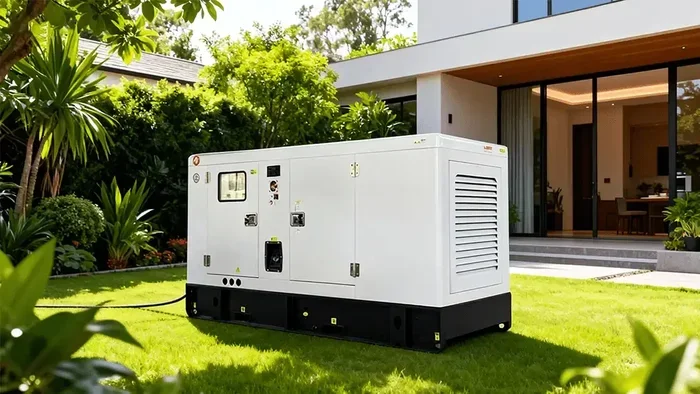
A standby generator is a permanent installation outside your home. It connects directly to your electrical panel and kicks in automatically during a power loss. These units typically range from 7 kW to 150 kW in capacity.
Standby models are ideal for whole house coverage. They can power everything from your HVAC system to your kitchen appliances. Many homeowners pair a standby unit with a large fuel tank capacity for extended runtime during prolonged outages.
Portable Diesel Generators
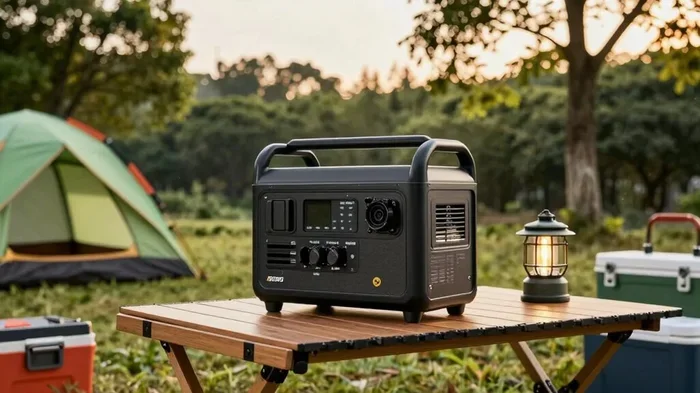
Portable diesel generators are smaller and movable. They work well for partial home coverage or for use during camping trips and outdoor events. These units usually range from 1 kW to 10 kW.
While portable models cannot power an entire house, they handle essential loads beautifully. You can run your refrigerator, lights, and phone chargers with ease. They are also more affordable than standby units, making them a great entry point for first-time buyers.
Comparison: Standby vs Portable Diesel Generators
| Feature | Standby Generator | Portable Generator |
|---|---|---|
| Power Capacity | 7 kW to 150 kW | 1 kW to 10 kW |
| Installation | Professional, permanent | None needed, plug and play |
| Runtime | Days with large fuel tank | 8 to 24 hours per tank |
| Cost | $3,000 to $15,000+ | $500 to $3,000 |
| Automatic Start | Yes | Usually manual |
| Noise Level | Moderate to low | Moderate to high |
Your choice depends on your budget, your household energy needs, and how much backup power you require. Both options provide excellent value for a diesel generator for home setup.
How to Size the Right Diesel Generator
Choosing the correct size is critical. A unit that is too small will overload and fail. A unit that is too large wastes money and fuel. Proper sizing ensures your generator runs efficiently and reliably.
Calculate Your Power Needs
Start by listing the essential appliances and systems you want to run during an outage. Add up their wattage to find your total power requirement. Here are common household items and their typical wattage:
- Refrigerator: 600 to 800 watts
- Electric furnace: 5,000 to 15,000 watts
- Air conditioner: 2,000 to 5,000 watts
- Lights (10 rooms): 500 to 1,000 watts
- Well pump: 1,000 to 2,000 watts
- Sump pump: 1,000 to 1,500 watts
- Phone and laptop chargers: 100 to 300 watts
Once you have your total wattage, add a 20% safety buffer. This accounts for startup surges and prevents overloading. The result is your minimum generator size requirement.
If you are unsure about your calculations, consult a professional electrician. They can assess your home and recommend the perfect generator wattage for your situation. Many suppliers also offer free sizing consultations.
Quick Tips for Proper Sizing
- Always prioritize essential circuits over optional ones.
- Consider a generator with a slightly higher capacity than your minimum need.
- Account for future additions like an electric vehicle charger.
- Ask about generator runtime at half load for better efficiency.
- Do not exceed 80% of the generator’s rated capacity for extended use.
Installation and Safety Considerations
Proper installation is just as important as choosing the right unit. A poorly installed generator can be dangerous and inefficient. Following safety guidelines protects your family and your home.
Professional vs DIY Installation
Standby generators require professional installation. A licensed electrician connects the unit to your electrical panel and installs the automatic transfer switch. They also ensure proper ventilation and compliance with local building codes.
Portable generators are simpler to set up. You place them outside, connect extension cords, and power your devices directly. However, even portable units need careful handling. Never run a generator indoors or in enclosed spaces.
Carbon Monoxide Safety
Diesel generators produce carbon monoxide, a colorless and odorless gas that can be deadly. Always place your generator outside and away from windows, doors, and vents. Install carbon monoxide detectors on every level of your home.
This is a common mistake many homeowners make. Even a few minutes of indoor generator use can lead to dangerous CO buildup. Treat your generator with the same respect you give any fuel-burning appliance.
Noise Level Management
Older diesel generators can be quite loud. Modern units, however, come with sound-dampening enclosures that significantly reduce noise. Look for models rated at 60 decibels or below for residential use.
Placing your generator on a vibration-absorbing pad also helps. Position it away from bedroom windows and property lines. Many communities have noise ordinances that limit generator use during certain hours. Check your local rules before installation.
Fuel Storage and Handling
Store diesel fuel in approved containers in a cool, well-ventilated area. Diesel fuel has a long shelf life compared to gasoline, typically lasting 6 to 12 months without additives. For extended storage, use fuel stabilizers to maintain quality.
Keep your fuel supply away from heat sources and direct sunlight. A proper fuel management plan ensures your diesel generator for home is always ready when you need it most.
Maintenance Tips for Long-Lasting Performance
Regular maintenance keeps your diesel generator running smoothly for decades. Neglecting upkeep leads to poor performance, higher fuel consumption, and premature failure. A simple maintenance schedule prevents all of these problems.
Daily and Weekly Checks
Run your generator under load for at least 30 minutes every week. This keeps the engine lubricated and prevents fuel system issues. Check the oil level, coolant level, and fuel supply before each run.
Inspect the unit for any visible damage, loose connections, or unusual sounds. Catching small problems early saves you from expensive repairs later.
Monthly and Seasonal Maintenance
Replace the air filter every month during heavy use or in dusty environments. Check the battery terminals for corrosion and clean them as needed. Inspect the fuel lines and connections for leaks.
Before winter, test your generator thoroughly. Cold weather can strain diesel engines, especially if the fuel gels. Use winter-grade diesel or add anti-gel additives to prevent this issue.
Annual Professional Service
Schedule a professional inspection at least once per year. A technician will check the injectors, turbo, alternator, and control panel. They will also run a full load test to verify performance.
Annual service is one of the best ways to extend the life of your generator. It also keeps your warranty valid and ensures your unit is ready for any emergency.
Common Mistakes to Avoid
- Running the generator at full load continuously: This strains the engine and reduces efficiency.
- Neglecting oil changes: Dirty oil causes premature wear on internal components.
- Ignoring warning lights: Dashboard alerts signal problems that worsen if left unaddressed.
- Using low-quality fuel: Contaminated diesel damages injectors and fuel pumps.
- Skipping load bank testing: This test verifies your generator can handle real demand.
Avoiding these mistakes keeps your diesel unit in top shape and ensures reliable home power resilience for years to come.
Cost Analysis: Is a Diesel Generator Worth It?
The upfront cost of a diesel generator can seem steep. But when you factor in long-term savings, the investment pays for itself quickly.
Breaking Down the Costs
A standby diesel generator typically costs between $3,000 and $15,000 installed. Portable units range from $500 to $3,000. The price depends on capacity, brand, and features like automatic transfer switches and sound enclosures.
Diesel fuel costs less per kilowatt-hour than gasoline or propane. Over a typical 10-year ownership period, fuel savings alone can offset the initial purchase price. Add in lower maintenance costs and a longer lifespan, and the financial case becomes very strong.
When compared to a gasoline or natural gas model, a diesel generator for home delivers better value in almost every category. The slightly higher upfront cost is more than justified by years of reliable, efficient performance.
Expert Insight
Industry experts consistently rank diesel generators as the best option for whole house backup power. Their combination of fuel efficiency, durability, and low maintenance makes them the top choice for homeowners who want dependable emergency power source capability. Many professionals recommend diesel over other fuel types for homes in areas prone to frequent outages.
The cost per kilowatt for diesel is among the lowest of any fuel type. This makes it especially attractive for households that need continuous power for medical equipment, home offices, or climate control systems.
Real-World Benefits of Home Diesel Generators
Beyond the technical specs, a diesel generator delivers real, tangible benefits for everyday life. These advantages become clear the moment you experience a power outage.
Keeping Your Family Safe and Comfortable
During a winter outage, a diesel generator keeps your heating system running. This prevents frozen pipes, which can cause thousands of dollars in water damage. In summer, it powers your air conditioning, protecting your family from heat-related illness.
If anyone in your home relies on medical equipment, uninterrupted power is critical. A diesel generator for home ensures life-support devices, oxygen concentrators, and medical monitors continue working without interruption.
Protecting Your Food and Supplies
A refrigerator full of food represents a significant investment. Without power, spoilage can happen within hours. A diesel generator keeps your fridge and freezer running, saving you hundreds of dollars in wasted groceries.
Home-based businesses also benefit greatly. A generator keeps your computers, internet, and workspace operational during outages. This means no lost productivity and no missed deadlines.
Increasing Property Value
Homes with backup generators sell faster and often at higher prices. Buyers recognize the value of a turnkey power backup solution. A properly installed diesel generator is a selling point that sets your property apart from others on the market.
When it comes time to sell, you can highlight the home power resilience that your generator provides. It is a feature that appeals to a wide range of buyers, especially in areas with unreliable grid power.
If you are still deciding between options, consider comparing diesel generators with other backup solutions. Check out our guide on generator for electricity to explore all available options. You can also read our article on electrical generators for a broader understanding of generator types.
Final Thoughts
A diesel generator for home is one of the smartest investments a homeowner can make. It provides reliable backup power, protects your family and belongings, and saves money over the long run. Whether you choose a standby unit for whole house coverage or a portable model for essential circuits, you are taking a major step toward home power resilience.
The right generator keeps your lights on, your food fresh, and your comfort intact during any outage. With proper sizing, professional installation, and regular maintenance, your diesel unit will serve your household reliably for decades.
Do not wait for the next power failure to realize the importance of backup power. Take action today and explore your options. For guidance on choosing the right size, visit our article on how big of a backup generator do I need. You will find detailed sizing advice that helps you make the best decision for your home.
Remember, a well-maintained generator is always ready when you need it. Invest in a diesel unit now, and enjoy the peace of mind that comes with knowing your household will stay powered no matter what.
Frequently Asked Questions
How long can a diesel generator run continuously?
A diesel generator can run for days or even weeks with a sufficient fuel supply. Most standby units have large fuel tanks that provide 24 to 72 hours of runtime at full load. With a larger external tank, runtime extends significantly. Always monitor your fuel level during extended use.
Is a diesel generator safe to use near my home?
Yes, when installed properly. Standby generators are placed outside with adequate clearance from windows and vents. They include safety features like automatic shutoff and low-oil protection. Portable units should always be positioned at least 20 feet from your home to prevent exhaust buildup.
How much does it cost to run a diesel generator per day?
Operating costs depend on your generator size and load. A typical 10 kW standby unit uses about 0.5 to 1 gallon of diesel per hour at half load. At current fuel prices, this translates to roughly $5 to $15 per day for continuous operation. Fuel efficiency is one of the biggest advantages of diesel over other generator types.
Do diesel generators require a lot of maintenance?
Not really. Diesel engines are simpler than gasoline engines and have fewer parts that wear out quickly. Regular oil changes, filter replacements, and weekly test runs keep most units in excellent condition. Annual professional service further extends the life of your generator and ensures peak performance.
Can a diesel generator power my entire house?
Absolutely. With the right sizing, a diesel generator can handle your full household energy needs. Standby units in the 20 kW to 50 kW range typically cover all essential and many optional circuits. An electrician can help you determine the exact capacity you need based on your home’s electrical panel and usage patterns.
What is the difference between diesel and propane generators?
Diesel generators offer better fuel efficiency and longer engine life than propane models. Diesel fuel is also more energy-dense, meaning more power per gallon. Propane generators are cleaner burning and easier to store long-term. However, for raw reliability and runtime, diesel units are the clear winner for most homeowners.