How Long Does an Air Compressor Last and Why It Matters
An air compressor typically lasts between 10 and 15 years with proper care. The lifespan depends on the type of compressor, how often you use it, and whether you follow a regular maintenance routine. Understanding what affects compressor durability helps you make smarter buying decisions and avoid costly replacements.
Air compressors are workhorses. They power nail guns, inflate tires, run spray painters, and drive countless pneumatic tools. But here is the question most people forget to ask: how long does an air compressor last?
Whether you own a small shop compressor or a massive industrial unit, understanding its expected lifespan matters a lot. It affects your budget, your workflow, and your bottom line. A compressor that dies after five years is a headache. One that runs strong for fifteen is a reliable asset.
In this guide, we break down everything you need to know about air compressor lifespan. We cover the different types, the factors that shorten or extend their life, and simple maintenance steps you can take today. By the end, you will know exactly what to expect from your machine.
Key Takeaways
- Average lifespan: Most air compressors last 10 to 15 years depending on usage and type.
- Type matters: Rotary screw compressors outlast reciprocating models in heavy-duty settings.
- Maintenance is key: Regular oil changes, filter replacements, and tank draining can add years to your compressor’s life.
- Usage frequency: A compressor used daily wears out faster than one used occasionally.
- Environmental factors: Temperature, humidity, and dust levels all impact compressor longevity.
- Cost of replacement: Knowing when to repair vs. replace saves you money in the long run.
📑 Table of Contents
- How Long Does an Air Compressor Last on Average?
- What Factors Affect Air Compressor Lifespan?
- Signs Your Air Compressor Is Wearing Out
- How to Make Your Air Compressor Last Longer
- Repair vs. Replace: When Should You Call It Quits?
- How Does Compressor Cost Relate to Lifespan?
- Common Mistakes That Shorten Compressor Life
- Expert Insight: What Pros Do to Extend Compressor Life
- Final Thoughts on Air Compressor Longevity
How Long Does an Air Compressor Last on Average?
The short answer is 10 to 15 years for most home and workshop models. Industrial compressors can last even longer, sometimes 20 years or more, if properly maintained. But these numbers are just averages. Your actual experience depends on several key factors.
Let us look at what the numbers mean in real terms. A casual DIY user who runs a small compressor a few times a month can expect a long service life. A contractor who runs a compressor eight hours a day, five days a week, will wear through components much faster.
Lifespan by Compressor Type
Not all compressors are built the same. The type you buy plays a huge role in how long it lasts. Here is a quick breakdown.
- Reciprocating compressors: These are the most common for home and light commercial use. They typically last 10 to 15 years. The pistons and valves wear over time, which limits their lifespan.
- Rotary screw compressors: Built for heavy-duty use, these can last 15 to 20 years or more. They have fewer moving parts, which means less wear and tear.
- Portable compressors: Smaller units tend to last 5 to 10 years. They are convenient but not built for constant heavy use.
- Oil-free compressors: These often last 8 to 12 years. Without oil lubrication, the components wear faster but require less maintenance.
Compare this to how long a generac generator lasts, and you will notice similar patterns. Both machines depend on usage intensity and maintenance habits to reach their full lifespan.
What Factors Affect Air Compressor Lifespan?
Many things determine how long your compressor will run reliably. Some you can control. Others are simply part of the machine’s design. Let us walk through the biggest factors.
Usage Frequency and Duty Cycle
This is the single most important factor. A compressor used for one hour a week will easily outlast one running continuously all day. The duty cycle refers to how long the machine runs versus how long it rests within a given period.
If you push your compressor beyond its rated duty cycle, internal parts heat up. Heat causes metal to expand, seals to degrade, and oil to break down. Over time, this accelerates wear dramatically.
Think of it like driving a car. A car driven 10,000 miles a year lasts longer than one driven 50,000 miles a year. The same logic applies to compressor durability.
Build Quality and Brand
Not all compressors are created equal. A well-built unit from a reputable brand uses better materials, tighter tolerances, and superior engineering. Cheap compressors may seem like a good deal at first, but they often fail within a few years.
When shopping, look for compressors with solid cast iron tanks, quality pumps, and reliable motors. These components form the backbone of a long-lasting machine. A budget generator for a 2-bedroom home might save you money upfront, but the same logic applies here, spending a bit more upfront on a quality compressor pays off over time.
Maintenance Habits
This is where the rubber meets the road. A well-maintained compressor can run for decades. A neglected one may fail in half that time. Regular maintenance is the easiest way to extend your compressor’s life.
Operating Environment
Where you use and store your compressor matters more than most people realize. Compressors in hot, humid, or dusty environments wear out faster. Heat degrades seals and oil. Moisture causes rust inside the tank. Dust clogs filters and coats internal components.
Ideally, store your compressor in a clean, dry, temperature-controlled space. If you work outdoors or on job sites, invest in a cover and clean the machine after every use.
Power Source and Fuel Type
Electric compressors generally last longer than gas-powered ones. Electric motors have fewer moving parts and do not suffer from fuel-related wear. Gas compressors deal with combustion byproducts, fuel degradation, and more complex mechanical systems.
However, gas compressors offer portability that electric models cannot match. Your choice depends on your needs and how you plan to use the machine.
Signs Your Air Compressor Is Wearing Out
Nobody wants to be surprised by a dead compressor in the middle of a job. The good news is that machines usually give you warning signs. Learning to recognize these signals can save you from unexpected downtime.
Loss of Pressure
If your compressor struggles to reach its normal pressure level, something is wrong. This could mean worn piston rings, leaking valves, or a failing pump. Over time, pressure loss gets worse and signals declining compressor efficiency.
Unusual Noises
Grinding, knocking, or squealing sounds are never good. These noises often point to worn bearings, loose components, or internal damage. Address unusual sounds early before they turn into expensive repairs.
Excessive Vibration
A little vibration is normal. But if your compressor shakes more than usual, check the mounting bolts, motor mounts, and internal components. Excessive vibration can damage other parts of the machine and shorten its overall life.
Oil Leaks
Oil pooling under or around the compressor indicates seal or gasket failure. Small leaks can be fixed, but persistent leaking means deeper internal wear. Ignoring oil leaks leads to motor damage and premature failure.
Rust Inside the Tank
Moisture inside the tank causes rust. Rust weakens the tank walls and can eventually cause dangerous failures. If you notice rust-colored discharge or hear a rattling sound from the tank, have it inspected immediately.
How to Make Your Air Compressor Last Longer
The good news is that you have more control over your compressor’s lifespan than you might think. A few simple habits can add years to its life. Here is what works.
1. Change the Oil Regularly
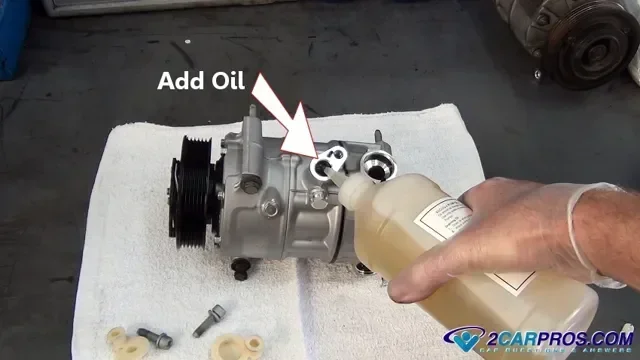
Oil lubricates the internal moving parts and prevents excessive friction. Over time, oil breaks down and loses its effectiveness. Check your owner’s manual for the recommended oil change interval. Most compressors need an oil change every 500 to 1,000 hours of use.
Using the wrong type of oil can do more harm than good. Always use the grade and type recommended by the manufacturer. Think of it like putting the right fuel in your car.
2. Drain the Tank After Every Use
Moisture collects inside the tank every time you run the compressor. If you leave it sitting with water inside, rust forms from the inside out. Drain the tank after each use by opening the drain valve at the bottom.
This is one of the simplest and most effective maintenance steps. It takes less than a minute and prevents costly tank damage.
3. Replace Filters on Schedule
Air filters keep dust and debris from entering the pump. A clogged filter forces the motor to work harder, which increases wear and reduces compressor efficiency. Check the filter every few uses and replace it when it looks dirty.
4. Check for Leaks
Air leaks waste energy and force the compressor to run longer than necessary. Use a soapy water solution on all connections to check for leaks. Bubbles will form where air is escaping. Tighten fittings or replace worn seals as needed.
5. Store It Properly
When not in use, store the compressor in a clean, dry area. Cover it to keep out dust and moisture. If you live in a humid climate, consider using a dehumidifier in your storage area.
6. Follow the Duty Cycle
Do not run the compressor longer than the manufacturer recommends. Give it time to cool down between uses. Overheating is one of the fastest ways to kill a compressor motor.
Quick Maintenance Checklist
- Drain the tank after every use
- Check oil level weekly
- Replace air filters every 3 to 6 months
- Inspect hoses and fittings for leaks monthly
- Change oil every 500 to 1,000 hours
- Clean the exterior regularly
- Store in a dry, temperature-controlled space
Repair vs. Replace: When Should You Call It Quits?
At some point, every compressor reaches the end of its useful life. The question is how to know when that point has arrived. Repairing an old compressor can sometimes make sense, but other times replacement is the smarter choice.
As a general rule, if repair costs exceed 50 percent of the price of a new compressor, it is time to replace. A generator that can run for hours might still be worth repairing, but a compressor with major internal damage often is not.
Consider these factors when deciding:
- Age of the unit: If it is over 15 years old and needs frequent repairs, replacement is likely the better option.
- Frequency of breakdowns: One repair is a nuisance. Repeated repairs are a red flag.
- Availability of parts: Older models may no longer have parts available, making repairs impossible or very expensive.
- Energy efficiency: Newer compressors use less energy and cost less to operate. Upgrading can save money on electricity bills.
- Performance needs: If your needs have grown, an old compressor may no longer meet your demands.
Sometimes the cost per hour of running an old, inefficient compressor is higher than the payment on a new one. Do the math before you decide.
How Does Compressor Cost Relate to Lifespan?
Price and lifespan go hand in hand. You generally get what you pay for. A $300 compressor from a big-box store might last 5 to 8 years with light use. A $2,000 industrial unit can run for 20 years or more under heavy conditions.
The real question is not just how much the compressor costs upfront. It is the total cost of ownership over its lifetime. A more expensive compressor that lasts twice as long and uses less energy is often the better investment.
Think about it this way. A generac generator might cost more than a generic brand, but its reliability and longevity make it worth the extra money. The same principle applies to air compressors.
Cost Comparison Table
- Budget compressor ($200-$500): 5 to 8 years lifespan, higher maintenance costs, best for light occasional use
- Mid-range compressor ($500-$1,500): 10 to 15 years lifespan, moderate maintenance, great for regular home and workshop use
- Industrial compressor ($1,500-$5,000+): 15 to 20+ years lifespan, lower cost per hour of operation, built for continuous heavy use
The right compressor for you depends on your needs, budget, and how often you plan to use it. Investing in quality upfront almost always pays off in the long run.
Common Mistakes That Shorten Compressor Life
Many compressor owners unknowingly shorten their machine’s life with everyday habits. Here are the most common mistakes and how to avoid them.
Running the Compressor Too Long Without Breaks
Compressors need rest periods to cool down. Running them continuously beyond the recommended duty cycle causes overheating and premature wear. Give your machine breaks during long sessions.
Ignoring Moisture Buildup
Water inside the tank and lines causes rust and corrosion. Many people forget to drain the tank regularly. Set a reminder if you need to. This one simple habit can add years to your compressor’s life.
Using the Wrong Oil
Not all oils are the same. Using the wrong viscosity or type of oil leads to poor lubrication and increased wear. Always follow the manufacturer’s oil recommendations.
Skipping Filter Changes
A dirty filter forces the motor to work harder. Over time, this extra strain causes the motor to burn out prematurely. Check and replace filters regularly.
Overloading the Compressor
Every compressor has a maximum pressure rating. Running it at or near that limit constantly stresses the motor and pump. Stay within the recommended operating range for best results.
Expert Insight: What Pros Do to Extend Compressor Life
Professional shops and industrial facilities have learned a thing or two about keeping compressors running for decades. Here is what the experts do differently.
First, they track maintenance hours. They log every oil change, filter replacement, and inspection. This data helps them plan maintenance before problems occur. You do not need a complex system, just a simple notebook or spreadsheet.
Second, they invest in moisture management. Professional shops use air dryers and moisture traps to keep water out of the system. This prevents rust and keeps the air clean for pneumatic tools.
Third, they train their operators. Compressor abuse is real. Running the machine beyond its limits, ignoring warning signs, and skipping maintenance all shorten its life. A well-trained operator treats the equipment with respect and gets more years out of it.
Finally, professionals know when to upgrade. Clinging to an old, inefficient machine just because it still works is a false economy. Newer compressors are more energy-efficient, more reliable, and often more cost-effective in the long run.
Final Thoughts on Air Compressor Longevity
How long does an air compressor last? The answer is in your hands. With the right type of compressor, proper maintenance, and smart usage habits, you can expect 10 to 15 years or more of reliable service.
Do not wait for problems to appear. Start a maintenance routine today. Drain the tank, check the oil, replace the filters, and give your machine the care it deserves. These small efforts add up to years of extra life and thousands of dollars saved on replacements and repairs.
Your compressor is a long-term investment. Treat it well, and it will keep powering your tools and projects for years to come. The knowledge you have gained from this guide puts you ahead of most compressor owners. Now go out there and make your machine last.
Frequently Asked Questions
Can an air compressor last 20 years?
Yes, especially industrial models like rotary screw compressors. With regular maintenance and moderate use, these machines can easily reach 20 years or more. The key is consistent care and not pushing the machine beyond its rated duty cycle.
How often should I change the oil in my air compressor?
Most compressors need an oil change every 500 to 1,000 hours of operation. Check your owner’s manual for the exact recommendation. If you use the compressor frequently, stick to a regular oil change schedule to protect internal components.
Is it worth repairing a 15-year-old air compressor?
It depends on the repair cost and the condition of the unit. If the repair costs less than 50 percent of a new compressor and the machine has a solid history, it may be worth fixing. Otherwise, replacing it with a more efficient model is usually the better choice.
What is the average cost to replace an air compressor?
Home and workshop compressors range from $300 to $1,500 for replacement. Industrial units can cost $1,500 to $5,000 or more. The total cost depends on the type, size, and brand you choose.
Does room temperature affect compressor lifespan?
Yes, operating in extreme heat or cold shortens compressor life. High temperatures degrade oil and seals, while cold temperatures strain the motor. Store and operate your compressor in a moderate temperature range for best results.
How can I tell if my compressor tank is rusted inside?
Signs include rust-colored air discharge, unusual rattling sounds, or visible rust on the drain valve. If you suspect internal rust, have a professional inspect the tank. A compromised tank can be dangerous and usually requires full replacement.