How to Choose the Best 18000 Watt Generator for Your Home
A 18000 watt generator delivers serious backup power for most homes during outages. This guide covers everything you need to know, from fuel types and wattage needs to top features and costs. You will learn how to match the right 18000 watt generator to your home’s demands and avoid common buying mistakes.
Power outages are more common than most homeowners think. Storms, grid failures, and equipment problems can leave your house dark for hours or even days. That is where a 18000 watt generator comes in. It provides enough electricity to keep your essential appliances running and your family comfortable.
But with so many options on the market, choosing the right one can feel overwhelming. How do you know which type fits your home? What fuel should you use? And how do you avoid wasting money on features you do not need? This guide answers all those questions and more. You will walk away with a clear picture of what to look for and how to make a smart purchase.
Whether you are dealing with frequent blackouts or just want peace of mind, a 18000 watt home generator is a serious investment. Let us break it down step by step so you can choose with confidence.
Key Takeaways
- Right-Sizing Matters: A 18000 watt generator can handle most essential and some non-essential home circuits during a power outage.
- Fuel Choice Affects Cost and Runtime: Propane, natural gas, and diesel each offer different benefits for long-term backup power.
- Look for Key Features: Automatic transfer switches, electric start, and low-oil shutdown make a big difference in usability.
- Brand Reputation Counts: Trusted brands like Sun Joe and others offer reliability and better after-sales support.
- Maintenance Keeps It Running: Regular generator testing and upkeep prevent surprise failures when you need power most.
- Installation Setup Matters: Proper placement and venting ensure safety and compliance with local codes.
📑 Table of Contents
- What Is a 18000 Watt Generator and Why Do You Need One?
- Types of 18000 Watt Generators You Should Consider
- Fuel Options for Your 18000 Watt Generator
- Key Features to Look for in an 18000 Watt Generator
- How to Size Your Generator for Your Home
- Top Brands and Models to Consider
- Installation and Safety Tips for Your 18000 Watt Generator
- Maintenance Checklist for Long-Lasting Performance
- Cost Considerations for an 18000 Watt Generator
- Common Mistakes to Avoid When Buying a Generator
- Final Thoughts on Choosing Your 18000 Watt Generator
What Is a 18000 Watt Generator and Why Do You Need One?
A 18000 watt generator produces 18 kilowatts of electrical power. That is enough to run most essential home systems at the same time. Think about your refrigerator, furnace blower, sump pump, lights, and a few other devices all running together. An 18000 watt generator can handle that load without breaking a sweat.
So why does this size stand out? It hits a sweet spot. It is big enough to power your home during an emergency but not so massive that it becomes impractical for a typical house. Many homeowners choose this range because it covers the essentials and leaves room for a few extras, like a window AC unit or a microwave.
If you have ever experienced a long power outage, you know how stressful it can be. Food spoils, pipes freeze, and comfort disappears. A 18000 watt backup generator keeps your daily life moving forward, even when the grid goes down.
Who Benefits Most From an 18000 Watt Generator?
Not every home needs this level of power. But certain households benefit greatly from a 18000 watt generator.
- Families in storm-prone areas: If you live where hurricanes, ice storms, or heavy snow are common, you need reliable backup power.
- Homes with well water: A well pump draws significant power. A 18000 watt generator keeps water flowing.
- Homes with electric heating or cooling: Running a furnace blower or central AC requires substantial wattage.
- Remote or rural properties: Some homes rely on generators as a primary power source, not just backup.
Types of 18000 Watt Generators You Should Consider
Not all generators are the same. Understanding the different types helps you pick the one that fits your lifestyle and budget. Each type has pros and cons, so let us look at them closely.
Standby Generators
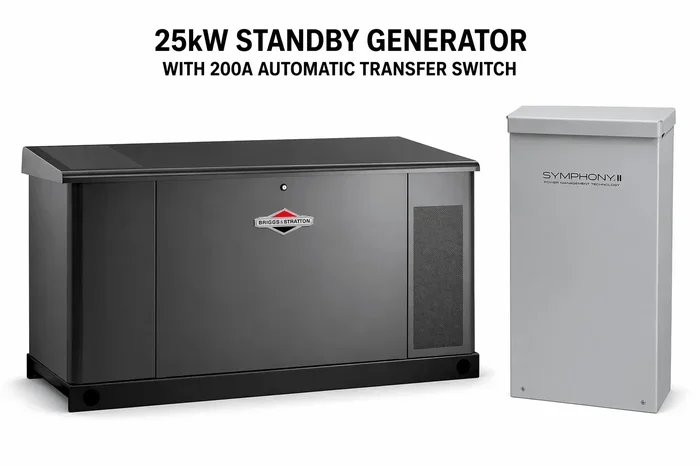
A standby generator is a permanent installation. It sits outside your home and kicks on automatically when the power goes out. Most 18000 watt standby generators run on natural gas or propane. They connect to your home’s electrical panel through an automatic transfer switch. This means you do not need to be home to start it. The generator senses the outage and powers up within seconds.
Standby units are the most convenient option. They also add resale value to your home. However, they cost more upfront and require professional installation.
Portable Generators
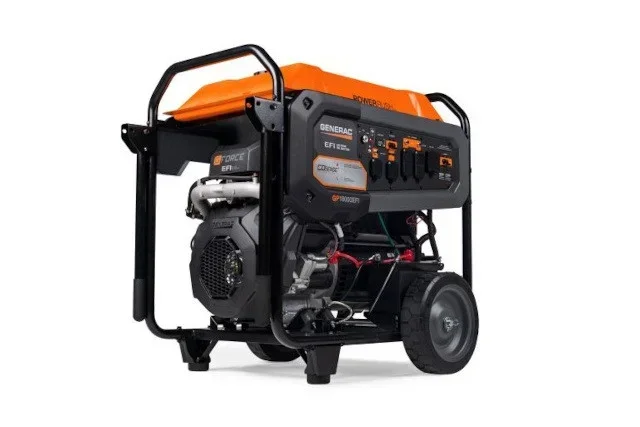
A portable 18000 watt generator offers flexibility. You can move it wherever you need power. These units typically run on gasoline or propane. They are great for job sites, camping trips, or temporary power needs. But they require manual setup each time you use them. You also need to run extension cords into the house.
Portable generators are more affordable than standby models. They are also easier to store and maintain. The trade-off is convenience. You have to start them yourself and manage fuel refills.
Dual Fuel Generators
A dual fuel generator can run on two fuel types, usually gasoline and propane. This gives you versatility. If one fuel is hard to find during an emergency, you can switch to the other. Some 18000 watt dual fuel generators also offer the option to run on natural gas with a conversion kit.
Dual fuel models are becoming more popular. They give homeowners options and can extend runtime during prolonged outages.
Fuel Options for Your 18000 Watt Generator
Fuel choice is one of the most important decisions you make. It affects runtime, cost, convenience, and maintenance. Let us compare the main options.
Natural Gas
Natural gas is a clean-burning fuel that connects directly to your home’s gas line. You never need to refill a tank. This makes it the most convenient option for 18000 watt standby generators. The fuel cost is also relatively low compared to gasoline. On the downside, natural gas generators tend to have a higher upfront cost, and they depend on your local gas supply staying active during an outage.
If you want a hands-off approach to fuel, natural gas is hard to beat. You can learn more about natural gas consumption for generators by checking our guide on how much natural gas a generator uses.
Propane
Propane stores well and has a long shelf life. You can keep tanks on hand and swap them out when needed. A 18000 watt generator running on propane can run for extended periods with proper fuel management. Propane is also cleaner than gasoline, which means less engine wear over time.
The main challenge is storage. You need adequate space for propane tanks, and you must monitor fuel levels during long outages.
Diesel and Gasoline
Diesel fuel offers excellent energy density and long engine life. Diesel 18000 watt generators are built for heavy-duty use. However, diesel fuel can be harder to store long-term and may cost more at the pump. Gasoline is the most common fuel for portable generators. It is widely available but has a shorter shelf life and requires more frequent refueling.
Key Features to Look for in an 18000 Watt Generator
Not every generator in this wattage range is created equal. Some models offer features that make a huge difference in daily use and reliability. Here are the features that matter most.
Automatic Transfer Switch
An automatic transfer switch (ATS) is a game-changer. It detects power loss and switches your home to generator power without you lifting a finger. This feature is standard on most standby generators. If you are considering a portable unit, you may need to install an ATS separately. The convenience and protection it provides are well worth the investment.
Electric Start
No one wants to pull a recoil cord in the cold or rain. An electric start lets you fire up your generator with the push of a button. Many modern 18000 watt generators include this feature as standard. Some models even offer remote start, so you can power up from inside your home.
Low-Oil Shutdown
This safety feature automatically shuts off the engine when oil levels drop too low. It prevents costly engine damage and extends the life of your generator. Always check that your chosen model includes this protection.
Multiple Outlets and Power Ports
A good 18000 watt generator offers a variety of outlet types. Look for 120V and 240V options, NEMA L14-30 plugs, and USB charging ports. The more flexible your connection options, the easier it is to power different appliances and devices.
Fuel Gauge and Hour Meter
A fuel gauge helps you monitor propane or gasoline levels at a glance. An hour meter tracks runtime, which is useful for scheduling maintenance. These small details add up to a much better ownership experience.
How to Size Your Generator for Your Home
Sizing is critical. Too small, and you cannot power everything you need. Too large, and you waste money on a unit that exceeds your requirements. Here is how to get it right.
Calculate Your Power Needs
Start by listing the appliances and systems you want to run during an outage. Add up their starting and running wattage. Here is a quick reference:
- Refrigerator: 700 running watts, 2200 starting watts
- Furnace blower: 600 running watts
- Sump pump: 1300 running watts, 2300 starting watts
- Lights (10 bulbs): 500 running watts
- Microwave: 1000 running watts
- Window AC unit: 1500 running watts, 2200 starting watts
Add these up, and you will see how quickly wattage adds. A 18000 watt generator gives you plenty of headroom for essential circuits plus a few extras.
If you are unsure about your home’s power needs, a professional electrician can help you assess the load. You can also read our article on how big of a backup generator you need for more detailed guidance on sizing.
Essential vs. Non-Essential Circuits
During an outage, prioritize essential circuits. These include your refrigerator, furnace, sump pump, and basic lighting. Non-essential circuits like entertainment systems or garage door openers can wait. A 18000 watt generator can handle essentials comfortably while leaving some capacity for comfort items.
Top Brands and Models to Consider
The generator market has many reputable brands. Here are some names you can trust when shopping for a 18000 watt generator.
Sun Joe
Sun Joe has built a strong reputation for affordable and reliable power equipment. Their generator lineup includes models in the 18000 watt range that offer solid performance for the price. Sun Joe units are known for user-friendly features and durable construction. You can explore their offerings through our Sun Joe generator guide.
Generac
Generac is a leader in the standby generator space. Their 18kW models come with advanced features like mobile app connectivity and smart switching. Generac units tend to cost more but offer excellent reliability and brand support.
Champion
Champion offers a great balance of price and performance. Their dual fuel models are popular among homeowners looking for versatility. Champion generators often come with longer warranties than competitors.
Installation and Safety Tips for Your 18000 Watt Generator
Proper installation is just as important as choosing the right unit. A poorly installed generator can be dangerous and inefficient. Here are key safety tips to follow.
Placement Matters
Always place your generator outdoors in a well-ventilated area. Never run a generator inside your garage, basement, or living space. Carbon monoxide is a silent killer, and generators produce it in large quantities. Keep the unit at least 20 feet from your home, with exhaust pointing away from windows and doors.
Level Ground
Set your generator on a flat, stable surface. Uneven ground can cause vibration damage and affect fuel distribution. Many homeowners use a concrete pad or a generator platform for stability.
Professional Installation
For standby generators, professional installation is highly recommended. A licensed electrician can ensure proper wiring, correct transfer switch setup, and code compliance. This investment protects your home and your family.
Regular Generator Testing
Do not wait for a power outage to discover problems. Test your generator regularly, ideally once a month. Run it for at least 30 minutes to keep the engine healthy and verify that everything works. Regular generator testing extends the lifespan of your unit and gives you confidence when you need it most.
Maintenance Checklist for Long-Lasting Performance
A 18000 watt generator is a long-term investment. Like any equipment, it needs regular care to perform at its best. Here is a simple maintenance schedule you can follow.
- Every use: Check fuel levels, oil levels, and air filter condition.
- Every 3 months: Run the generator for 30 minutes under load. Inspect spark plugs and clean the carburetor if needed.
- Every 6 months: Change the oil and oil filter. Replace the air filter if it looks dirty.
- Annually: Have a professional inspect the unit, test the transfer switch, and check the fuel system for leaks or corrosion.
Following this routine keeps your generator ready to go when you need it most. It also prevents costly repairs and extends the overall lifespan of your unit.
Cost Considerations for an 18000 Watt Generator
The price of a 18000 watt generator varies widely depending on type, brand, and features. Here is a general price range to expect.
- Portable generators: $1,500 to $3,000
- Standby generators (natural gas): $4,000 to $7,000 (including installation)
- Standby generators (propane): $4,500 to $8,000 (including installation)
- Dual fuel models: $2,000 to $5,000
Remember, the upfront cost is only part of the picture. Factor in fuel costs, maintenance expenses, and any installation fees. A higher-quality unit may cost more initially but save you money over time through better fuel efficiency and fewer repairs.
Think of your generator as insurance for your home. You hope you never need it, but when you do, you will be glad you invested in a reliable 18000 watt generator.
Common Mistakes to Avoid When Buying a Generator
Many buyers make avoidable mistakes. Here are the most common ones and how to prevent them.
- Underestimating wattage needs: Always calculate your total load before buying. A generator that is too small will overload and shut down.
- Ignoring fuel availability: If you choose gasoline but cannot get fuel during a storm, you are stuck. Pick a fuel type that is easy to store and access in your area.
- Skipping the transfer switch: Backfeeding power through a wall outlet is dangerous and illegal in many areas. Always use a proper transfer switch.
- Neglecting maintenance: A generator that sits unused for months may not start when you need it. Regular testing and upkeep are essential.
- Buying the cheapest option: The least expensive generator may lack safety features, warranty coverage, or reliable performance. Invest in quality.
Avoiding these mistakes saves you time, money, and frustration. A well-chosen 18000 watt generator will serve your home reliably for many years.
Final Thoughts on Choosing Your 18000 Watt Generator
Choosing the right 18000 watt generator comes down to understanding your home’s power needs, your budget, and your lifestyle. Standby models offer automatic convenience. Portable models provide flexibility and affordability. Dual fuel models give you the best of both worlds.
Focus on the features that matter most to you. An automatic transfer switch, electric start, and low-oil shutdown are worth prioritizing. Choose a fuel type that fits your local availability and storage options. And stick with trusted brands that offer solid warranties and customer support.
Your home deserves reliable backup power. A quality 18000 watt generator delivers that peace of mind. Take the time to compare options, calculate your needs, and invest in the right unit. When the next outage hits, you will be glad you did the homework.
Start your search today. Look at the brands and models mentioned in this guide. Talk to a local electrician about installation options. And remember, the best generator is the one that fits your home, your budget, and your peace of mind.
Frequently Asked Questions
What can a 18000 watt generator power in a home?
A 18000 watt generator can run most essential home systems simultaneously. This includes your refrigerator, furnace blower, sump pump, lights, microwave, and several smaller devices. It provides enough power to keep your home comfortable and safe during an outage. You may also have capacity left for a window AC unit or other comfort appliances.
Is a 18000 watt generator enough for a whole house?
For most homes, a 18000 watt generator covers all essential circuits. However, if your home has high-power electric systems like a large central AC or electric water heater, you may need to prioritize which circuits to run. The key is to calculate your total wattage needs before purchasing.
How long can a 18000 watt generator run continuously?
Runtime depends on fuel type and tank size. A propane-powered unit with a 500-gallon tank can run for several days. A gasoline portable model typically runs 8 to 12 hours on a full tank. Natural gas standby generators can run indefinitely as long as the gas supply remains active.
What is the difference between a 18000 watt generator and a 20000 watt generator?
The difference is 2000 watts of power capacity. A 20000 watt model can handle more appliances and larger loads. For most homes, 18000 watts is sufficient for essential circuits. A 20000 watt unit makes sense if you need to power additional high-wattage devices or a larger home.
Do I need a permit to install a 18000 watt generator?
Permit requirements vary by location. Most areas require a permit for standby generator installation, especially when connecting to your home’s electrical panel and gas lines. Check with your local building authority before purchasing. A licensed installer usually handles the permitting process for you.
How much does it cost to install a 18000 watt standby generator?
Professional installation for a standby generator typically costs between $2,000 and $5,000 on top of the unit price. This includes the generator, transfer switch, electrical wiring, gas line connections, and any concrete pad or enclosure. The total investment ensures safe, code-compliant operation.