Generator Price What You Should Know Before You Buy
Generator price varies widely based on type, fuel, and capacity. Whether you need a portable generator for camping or a whole house generator for backup power, understanding costs upfront saves you money and prevents buyer’s remorse. This guide breaks down every factor that affects generator price so you can make a smart, informed purchase.
Planning to buy a generator but confused by the price tags? You are not alone. Generator price can swing from a few hundred dollars to well over ten thousand. The wide range exists because generators come in many shapes, sizes, and power levels.
Before you spend your hard-earned money, you need to understand what drives the cost. Is it the fuel type? The wattage? Or simply the brand name? This guide answers all those questions and more. By the end, you will know exactly what generator price to expect and how to get the best deal for your situation.
Let us be real for a moment. A generator is not just a luxury item anymore. Power outages happen more often these days. Storms, grid failures, and even planned shutdowns can leave your home in the dark. Having the right backup power source brings peace of mind. And knowing the generator cost before you shop keeps you from making rushed, expensive decisions.
Key Takeaways
- Generator price ranges from $500 to $15,000+ depending on type and power output.
- Fuel type directly impacts both upfront cost and long-term operating expenses.
- Portable generators cost less but offer limited power compared to standby models.
- Installation and maintenance add hidden costs you should budget for before buying.
- Matching generator size to your actual needs prevents overspending or underperformance.
- Brand reputation and warranty matter when comparing generator prices.
- Reading reviews and testing units helps you get the best value for your money.
📑 Table of Contents
What Drives Generator Price?
Many first-time buyers focus only on the sticker price. But the generator price tag tells only part of the story. Several hidden factors push costs up or down. Understanding these helps you compare apples to apples when shopping.
Fuel Type and Its Impact on Cost
The fuel your generator uses is one of the biggest cost drivers. Different fuels come with different price tags at the store and at the pump. Here is a quick look at common fuel types and how they affect generator price:
- Gasoline generators tend to be the cheapest upfront. They start around $500 for small portable units. However, gasoline prices fluctuate and burn through fuel fast.
- Diesel generators cost more initially. A diesel generator price often starts around $1,500. But diesel burns more efficiently, so you save money on fuel over time.
- Propane generators fall in the middle. They offer a clean burn and long shelf life for stored fuel.
- Natural gas generators connect directly to your home gas line. They cost more to install but eliminate the need to store fuel.
- Solar generators are the newest option. They have no fuel costs but carry a higher generator price upfront.
When you compare these options, remember to factor in long-term fuel costs. A cheaper generator that guzzles fuel may end up costing more over five years than a pricier, efficient model.
Wattage and Power Output
How much power you need directly shapes the generator price. Generators are measured in watts. The higher the wattage, the bigger the price tag. Here is a simple breakdown:
- Small portable generators (1,000 to 3,000 watts): $300 to $800. Great for camping trips or powering a few essentials.
- Medium generators (3,000 to 7,000 watts): $800 to $2,500. These handle your fridge, lights, and a few appliances during an outage.
- Large portable generators (7,000 to 10,000 watts): $2,500 to $5,000. These can run your entire household temporarily.
- Standby or whole house generators (10,000 to 20,000+ watts): $3,000 to $15,000 or more. These kick on automatically during power outages.
Before you decide on wattage, make a list of what you want to power. Add up the wattage needs. This simple step prevents you from buying a generator that is too small or wasting money on more power than you need.
Brand Reputation and Warranty
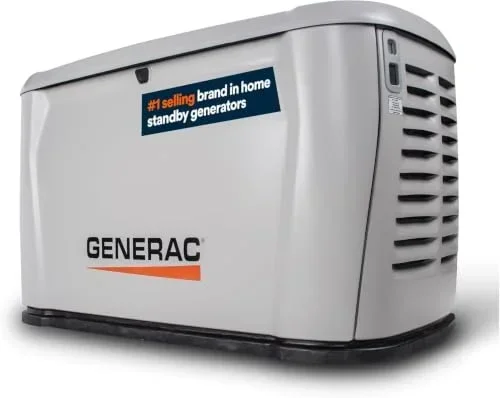
Brand name matters. Well-known brands like Honda, Generac, and Briggs & Strauss command higher prices. But they also offer better reliability and longer warranties. A generator price that is $200 higher from a trusted brand may save you hundreds in repairs over the years.
Always check the warranty before you buy. A strong warranty signals confidence from the manufacturer. Look for at least a 3-year warranty on portable units and 5 years or more on standby models.
Types of Generators and Their Price Ranges
Not all generators are built the same. Each type serves a different purpose and comes with a different generator cost. Let us walk through the main categories.
Portable Generators
Portable generators are the most popular choice for homeowners and outdoor enthusiasts. They are lightweight, easy to move, and simple to operate. The generator price for a good portable unit typically falls between $500 and $2,000.
These units run on gasoline or propane. They are perfect for tailgating, camping, or keeping your essentials running during a short outage. The downside? You need to start them manually and refuel them yourself. They also tend to be louder than other options.
If you want a reliable portable option, look for models with inverter technology. Inverter generators produce cleaner power and run quieter. They do cost a bit more, but the generator price difference is worth it for sensitive electronics like laptops and phones.
Standby Generators
Standby generators are the heavy hitters of the generator world. They sit outside your home and automatically turn on when the power goes out. The generator price for a standby unit ranges from $3,000 to $15,000, and that does not even include installation.
Installation costs add another $500 to $3,000 depending on your location and setup complexity. These generators run on natural gas or propane. They can power your entire house for days if you have a steady fuel supply.
Standby generators are ideal if you live in an area prone to storms or frequent outages. They offer true peace of mind. You do not have to wake up in the middle of the night to fire up a portable unit.
Inverter Generators
Inverter generators are a step above traditional portable units. They use advanced technology to produce stable, clean power. The generator price for a quality inverter ranges from $800 to $3,000.
These generators are lighter, quieter, and more fuel-efficient. They are perfect for people who need reliable power on the go or for sensitive electronics. The trade-off? They usually cost more than standard portable models and have lower maximum wattage.
Solar Generators
Solar generators are gaining popularity fast. They use solar panels to charge a battery bank and produce quiet, emission-free power. The generator price for solar generators ranges from $500 for small units to $5,000 for larger setups.
They are excellent for backup power during short outages or for off-grid camping. However, they recharge slowly and depend on sunlight. For whole-house backup, solar generators alone may not be enough yet. But as technology improves, their generator cost continues to drop.
Hidden Costs That Affect Total Generator Price
Here is where many buyers get caught off guard. The generator price on the box is not the full picture. Several additional costs can sneak up on you after purchase.
Installation Expenses
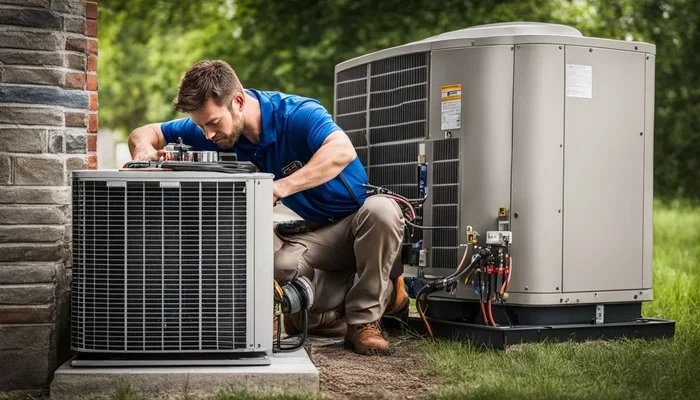
Standby generators require professional installation. A licensed electrician needs to connect the unit to your home’s electrical system and gas line. Installation typically costs between $500 and $3,000. For portable generators, you may need to buy a transfer switch, which adds $200 to $800.
Fuel and Operating Costs
Running a generator costs money every time you use it. How much natural gas does a generator use varies by model and load. A typical standby generator uses about 20 to 30 cubic feet of natural gas per hour at full load. At current prices, that adds up over a long outage.
Gasoline portable generators burn through fuel even faster. A mid-size portable unit might use 0.5 to 1 gallon per hour. Over a multi-day outage, fuel costs can easily reach $100 or more.
Maintenance and Repairs
Generators need regular maintenance to stay reliable. Oil changes, air filter replacements, and spark plug checks should happen every 50 to 100 hours of use. Annual maintenance costs typically run $100 to $300 for portable units and $200 to $500 for standby models.
Do not forget about fuel stabilizer. If you store your generator with fuel in the tank, it can go bad within 30 days. Fuel stabilizer costs around $10 to $15 per bottle and extends the life of your stored fuel.
Permits and Regulations
Many cities require permits for standby generator installation. Permit costs range from $50 to $200 depending on your area. Some neighborhoods also have noise ordinances that limit which generators you can use. Always check local regulations before making a purchase.
How to Get the Best Generator Price
Saving money on your generator purchase is entirely possible with a smart shopping strategy. Here are practical tips to help you find the best generator price without sacrificing quality.
Shop During Off-Season
Generators sell best during storm season and summer. Prices tend to drop in fall and winter when demand is lower. If you can wait, buying during the off-season can save you 10 to 20 percent.
Compare Models Online
Do not buy the first generator you see. Use online retailers to compare prices across brands and models. Check customer reviews carefully. A slightly higher generator price often comes with better durability and performance.
Consider Used or Refurbished Units
Buying used can slash your generator cost by 30 to 50 percent. Look for units with low hours and a clear maintenance history. Refurbished models from authorized dealers often come with warranties too.
Look for Bundle Deals
Some retailers offer bundle deals that include accessories like fuel cans, transfer switches, and maintenance kits. These bundles can save you money compared to buying everything separately.
Check for Rebates and Incentives
Some energy companies offer rebates for purchasing efficient or solar generators. Federal and state tax credits may also apply, especially for solar and natural gas models. Always check for available incentives before you buy.
Common Mistakes People Make When Buying Generators
Avoid these common pitfalls that lead to buyer’s remorse and wasted money.
Buying Based on Price Alone
The cheapest generator is rarely the best deal. Low-priced models often have poor build quality, weak warranties, and unreliable engines. You will spend more on repairs and replacements in the long run.
Underestimating Power Needs
Many buyers choose a generator that is too small for their needs. This leads to overloading, which can damage both the generator and your appliances. Always calculate your total power needs before you shop.
Ignoring Runtime and Fuel Efficiency
A generator with a long runtime on a single tank of fuel saves you money and hassle. Check the runtime ratings before you buy. A unit that runs 12 hours on a tank beats one that only runs 6 hours at the same generator price.
Skipping Professional Installation for Standby Units
DIY installation of a standby generator is risky. Improper wiring can cause fires or backfeed into the grid, endangering utility workers. Always hire a licensed professional for standby generator setup.
Final Thoughts on Generator Price
Choosing the right generator comes down to balancing generator price with your actual power needs. There is no one-size-fits-all answer. A camping enthusiast needs something very different from a family preparing for hurricane season.
Start by figuring out what you need to power and for how long. Then set a realistic budget that includes not just the purchase price but also installation, fuel, and maintenance costs. Take your time comparing models, reading reviews, and shopping around for the best deal.
The right generator gives you confidence when the lights go out. It keeps your home running and your family safe. And with the knowledge you have gained from this guide, you are now equipped to make a smart, informed decision. Do not rush the process. Find the unit that fits your needs and your budget, and you will be glad you did.
Remember, the best generator price is not always the lowest one. It is the one that delivers reliable power when you need it most, without breaking the bank. Happy shopping, and stay prepared.
Frequently Asked Questions
What is a reasonable generator price for a home backup unit?
A reasonable generator price for home backup ranges from $1,000 for a portable unit to $5,000 to $10,000 for a standby model. The right choice depends on your power needs, fuel preference, and budget. Always factor in installation and operating costs when planning your spending.
How much does it cost to install a standby generator?
Professional installation typically costs between $500 and $3,000. This includes electrical wiring, gas line connections, and permits. The exact cost depends on your home’s setup and local labor rates. Always get quotes from at least two licensed installers before committing.
Is a portable generator cheaper than a standby generator?
Yes, portable generators cost significantly less upfront. You can find a good portable unit for $500 to $1,500. Standby generators start around $3,000 and go much higher. However, portable generators require manual setup and refueling each time you use them.
What fuel type saves the most money on generator costs?
Diesel and natural gas tend to offer the best long-term fuel savings. Diesel engines are highly efficient and last a long time. Natural gas generators connect to your home’s gas line, eliminating the need to store fuel. Solar generators have zero fuel costs but higher upfront generator price tags.
How often do I need to maintain my generator?
Portable generators need oil changes and filter checks every 50 to 100 hours of use. Standby generators require similar maintenance but also need annual professional inspections. Regular maintenance keeps your generator running reliably and prevents costly breakdowns when you need it most.
Can I run my generator indoors safely?
No, never run a generator indoors or in enclosed spaces. Generators produce carbon monoxide, which is deadly. Always place your generator outside at least 20 feet from your home with proper ventilation. This safety rule applies to all generator types regardless of generator price.