Pentair Salt Chlorine Generator Ultimate Buyer Guide
A Pentair salt chlorine generator keeps your pool water clean and crystal clear without the hassle of manual chlorine. This guide walks you through everything you need to know before buying, from how the technology works to top models and maintenance tips. You will learn the key benefits, what features matter most, and how to keep your system running smoothly for years.
Key Takeaways
- Salt chlorinators eliminate the need for buying and storing chlorine tablets.
- Pentair offers reliable, efficient models for pools of all sizes.
- Proper installation and regular maintenance are key to long system life.
- Salt water pools are gentler on skin, eyes, and swimwear.
- Understanding your pool’s salt levels and cell condition saves money.
- Smart technology in newer models makes monitoring effortless.
📑 Table of Contents
What Is a Pentair Salt Chlorine Generator?
A Pentair salt chlorine generator is a pool sanitation device that uses salt and electricity to produce chlorine on demand. Instead of adding chlorine tablets or liquid shock to your pool, you add salt to the water. The generator then converts that salt into chlorine automatically.
This process is called salt water chlorination. It has been around for decades but has grown in popularity among homeowners who want an easier and more natural pool care routine. Pentair is one of the leading brands in this space, known for durable and efficient systems.
The system works by passing saltwater through a salt cell. Inside the cell, a process called electrolysis splits the salt molecules and turns them into chlorine. That chlorine then sanitizes your pool water, kills bacteria, and prevents algae growth. After it does its job, the chlorine converts back into salt, and the cycle starts again.
Many pool owners prefer this approach because it provides a steady, low-level dose of chlorine. This means no strong chlorine smell and no red, irritated eyes. It feels much more like swimming in the ocean than in a heavily treated pool.
How Salt Chlorination Works
The science behind salt chlorination is simple. Your pool water contains dissolved salt, typically at a concentration of about 2,500 to 4,000 parts per million. That is much less salty than ocean water. When this salty water flows through the salt cell, a small electrical charge activates the cell plates.
This charge causes a chemical reaction. Sodium chloride (salt) splits into hypochlorous acid and sodium hypochlorite. Both of these are forms of chlorine that sanitize your pool. Once the chlorine has done its work, it reverts back to salt. The system recycles the salt over and over again.
A pool chlorine system like this removes the guesswork from pool maintenance. You do not need to measure and add chlorine manually every few days. The generator handles it for you. This makes pool upkeep simpler and more consistent.
Benefits of Switching to a Salt Chlorine Generator
Making the switch to a salt water pool offers many real advantages. Let us look at the biggest reasons homeowners choose this route.
Healthier and Gentler Pool Water
Salt chlorine systems produce a softer, more natural form of chlorine. Traditional chlorine tablets can be harsh on your skin, hair, and eyes. Many swimmers report that salt water pools feel much more comfortable and refreshing.
People with sensitive skin or allergies often notice a big difference. Swimwear lasts longer too, since the chlorine levels are more stable and lower. Your pool water feels silky smooth instead of harsh and chemical-heavy.
Cost Savings Over Time
While the upfront cost of a chlorine generator is higher than buying chlorine tablets, the long-term savings are significant. You buy salt in bulk, which costs far less than chlorine products over a full swimming season.
You also save time. No more storing chlorine containers, measuring doses, or dealing with chemical spills. The system does the work for you. Over several years, the savings on pool chemicals can easily offset the initial investment.
Consistent Chlorine Levels
One of the best things about a Pentair salt chlorine generator is consistent sanitation. Manual chlorine dosing can be unpredictable. Too little chlorine leads to cloudy water and algae. Too much causes harsh conditions and strong odors.
A generator produces chlorine steadily based on your pool’s needs. Many models include sensors that adjust output automatically. This keeps your pool chemistry balanced and your water safe without constant monitoring.
Easier and More Convenient Maintenance
Pool maintenance already takes time and effort. A salt chlorine generator removes one of the most tedious tasks: handling and adding chlorine chemicals. You still need to test your water regularly, but the chlorine production is handled for you.
Many newer Pentair models connect to smartphone apps. You can check your chlorine output, salt levels, and system status from anywhere. This kind of smart pool technology makes ownership much more convenient.
Key Features to Look For
Not all salt chlorine generators are the same. When shopping for a Pentair system, pay attention to these important features.
Cell Quality and Size
The salt cell is the heart of the system. It is where the chlorine production happens. Pentair uses high-quality titanium plates coated with ruthenium, which resist corrosion and last for years.
Cell size matters too. A larger cell produces more chlorine and runs less frequently. This reduces wear and extends the cell’s lifespan. Make sure the cell you choose matches the size of your pool. An undersized cell will struggle to keep up, while an oversized one wastes energy.
Smart Technology and Controls
Pentair has invested heavily in smart features. Many of their models include digital controls, touchscreen displays, and app connectivity. You can adjust chlorine output, set schedules, and receive alerts right from your phone.
Some models also include diagnostic tools that tell you when the cell needs cleaning or replacement. This removes the guesswork and helps you stay ahead of problems. Pool upkeep becomes much easier when your equipment talks to you.
Energy Efficiency
A good generator should not drive up your electricity bill. Pentair designs their systems to operate efficiently, using minimal power to produce chlorine. Look for models with variable speed operation or self-cleaning features that reduce energy waste.
Comparing energy use across models is smart. A slightly higher upfront cost for an efficient unit can save you significant money on electricity over the life of the system.
Durability and Warranty
You want a system that lasts. Pentair offers solid warranties on their salt chlorine generators, often covering the cell for several years. The build quality is high, with weather-resistant housings and corrosion-proof components.
Check the warranty details before buying. A longer warranty signals confidence in the product. It also gives you peace of mind if something goes wrong down the road.
Installation and Setup Guide
Installing a Pentair salt chlorine generator is straightforward, but it does require some basic electrical and plumbing work. Many homeowners hire a professional, but experienced DIYers can handle it themselves.
Step-by-Step Process
Start by choosing the right location for your unit. It should be near your pool equipment pad, close to the pump and filter. Make sure there is enough space for ventilation and easy access for maintenance.
Next, install the salt cell into your pool’s plumbing line. This usually goes after the filter and heater but before the return jets. Follow the flow direction arrows on the cell carefully. Incorrect installation can reduce efficiency and damage the unit.
Then, add salt to your pool. Use pure sodium chloride with no additives. The amount depends on your pool size, but most Pentair systems work best at around 3,000 parts per million. Let the salt dissolve and circulate for several hours before turning on the generator.
Power up the system and set your desired chlorine output level. Start at a lower setting and test your water after 24 hours. Adjust as needed until your chlorine levels fall in the ideal range of 1 to 3 parts per million.
Tips for a Smooth Setup
- Read the entire manual before starting installation.
- Turn off all power before working on any electrical connections.
- Use PVC cement rated for pool applications.
- Test your water chemistry thoroughly after setup.
- Consider having a licensed electrician handle the wiring if you are unsure.
Proper setup makes a huge difference in how well your system performs. Take your time and follow each step carefully. A good installation prevents problems later on.
Maintenance Tips for Long-Lasting Performance
Once your salt chlorine generator is running, maintenance is relatively simple. But skipping routine care can lead to poor performance and costly repairs.
Cleaning the Salt Cell
Calcium and mineral deposits build up on the cell plates over time. This reduces efficiency and can eventually damage the cell. Most Pentair models include a reverse polarity cleaning feature that helps break down deposits automatically.
You should still inspect the cell every few months. If you see white buildup, remove the cell and soak it in a mild acid solution. Garden hose works well to rinse away loose debris. Clean the cell at least once per season, or more often if you have hard water.
Monitoring Salt Levels
Your pool needs the right amount of salt to produce chlorine effectively. Too little salt means weak chlorine output. Too much salt can corrode metal components and damage your pool surfaces.
Use a reliable salt test kit to check levels regularly. Most Pentair systems work best between 2,500 and 4,000 parts per million. Keep a log of your readings so you can spot trends and catch problems early.
Checking Water Chemistry
Salt chlorination does not eliminate the need for regular water testing. You still need to monitor pH, alkalinity, and cyanuric acid levels. Imbalanced water can reduce chlorine effectiveness and harm your pool surfaces.
Test your water at least twice a week during heavy use. Adjust chemicals as needed to keep everything in balance. A well-maintained pool makes your generator work less and last longer.
Replacing the Salt Cell
Even with good maintenance, salt cells do not last forever. Most cells need replacement every 3 to 7 years, depending on usage and water conditions. Signs that your cell is failing include low chlorine output, frequent cleaning needs, and error lights on the control unit.
When the time comes, buy a genuine Pentair replacement cell. Third-party cells may seem cheaper, but they often do not fit or perform as well. Investing in an OEM part ensures compatibility and reliable operation.
Pentair Models Compared
Pentair offers several salt chlorine generator models to fit different pool sizes and budgets. Here is a quick comparison to help you choose.
Price and Performance
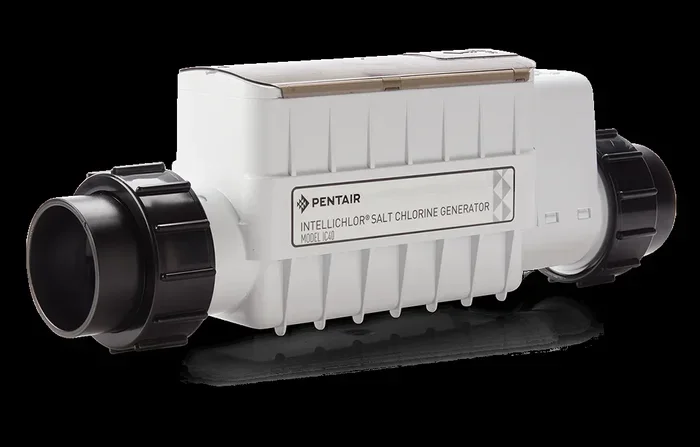
The Pentair IntelliChlor is one of the most popular models on the market. It is a reliable, easy-to-use unit that works well for most residential pools. It features a self-cleaning cell and a simple digital display. The price is reasonable for what you get in terms of performance and durability.
The Pentair IntelliChlor IC40 is designed for larger pools up to 40,000 gallons. It produces more chlorine per hour and includes advanced diagnostics. If you have a bigger pool or heavy usage, this model handles the demand with ease.
For those who want the latest technology, Pentair’s newer models include WiFi connectivity and app-based controls. These let you monitor and adjust your system from anywhere. The added convenience is worth the extra cost for tech-savvy pool owners.
When comparing models, consider your pool size, budget, and how much automation you want. A unit that matches your needs will perform better and last longer than one that is too small or too basic for your setup.
Common Mistakes to Avoid
Even with the best equipment, pool owners make mistakes that hurt performance. Here are the most common ones to watch out for.
- Adding too much salt. Excess salt can damage your pool surfaces and equipment. Always follow the manufacturer’s recommended levels.
- Skipping cell cleaning. A dirty cell produces less chlorine and uses more energy. Clean it regularly to keep things running smoothly.
- Ignoring pH levels. Salt chlorine generators work best when pH is between 7.2 and 7.6. High pH reduces chlorine effectiveness.
- Using the wrong type of salt. Only use pure sodium chloride with no additives. Rock salt, table salt, and salts with anti-caking agents can harm your system.
- Running the generator 24/7. Most pools do not need constant chlorine production. Adjust the output based on usage and weather conditions.
Avoiding these mistakes keeps your system efficient and your pool water safe. A little attention goes a long way in protecting your investment.
Final Thoughts
A Pentair salt chlorine generator is a smart choice for any pool owner who wants cleaner water, lower costs, and less hassle. The technology is proven, the systems are reliable, and the benefits are clear. From the gentle feel of the water to the savings on chemicals, the advantages add up quickly.
Take the time to choose the right model for your pool. Follow the installation and maintenance guidelines carefully. And enjoy the peace of mind that comes with knowing your pool is sanitized automatically and consistently. A salt chlorine generator transforms pool ownership from a chore into a simple, enjoyable experience.
Whether you are building a new pool or upgrading an existing one, Pentair has a solution that fits. Their reputation for quality and innovation makes them a trusted name in pool equipment. Invest in a salt chlorine generator today, and you will wonder why you did not switch sooner.
Also, if you are curious about how your current electrical setup supports pool equipment, check out this guide on electrical generator basics. Understanding your power supply helps you make better decisions about pool equipment. For tips on keeping your pool equipment running at peak performance, this generator testing guide offers useful insights. And if you want to understand more about how long pool equipment components last, this article on how long a generator battery lasts provides helpful context for equipment longevity.
Frequently Asked Questions
How much salt do I need for a Pentair salt chlorine generator?
Most Pentair systems work best with a salt level of 2,500 to 4,000 parts per million. The exact amount depends on your pool size and model. Always check your owner’s manual for the recommended range before adding salt.
How often should I clean the salt cell?
Clean your salt cell at least once per swimming season. If you notice calcium buildup or a drop in chlorine output, clean it sooner. Regular cleaning keeps the cell efficient and extends its lifespan.
Can I use a Pentair salt chlorine generator with an above-ground pool?
Yes, Pentair offers models suitable for above-ground pools. Make sure you choose a unit that matches your pool size and plumbing setup. Installation may require some adjustments for above-ground systems.
Is a salt chlorine generator safe for pets?
Salt water pools are generally safe for pets. The salt concentration is much lower than ocean water and is not harmful to most animals. However, pets should not drink large amounts of pool water, as with any treated pool.
How long does a Pentair salt cell last?
A Pentair salt cell typically lasts between 3 and 7 years. Lifespan depends on usage, water chemistry, and maintenance habits. Replacing the cell when needed ensures your system continues to produce chlorine effectively.
Do I still need to add other chemicals to my pool?
Yes, a salt chlorine generator handles sanitation but does not replace all chemicals. You still need to balance pH, alkalinity, and cyanuric acid levels. Regular testing and adjustment keep your pool water safe and comfortable.
=== CONCLUSION ===
A Pentair salt chlorine generator is one of the best investments you can make for your pool. It simplifies maintenance, saves money on chemicals, and delivers consistently clean water. With smart features, durable construction, and proven performance, Pentair systems stand out in the crowded pool equipment market.
Follow the tips in this guide to choose the right model, install it properly, and maintain it well. Your pool will reward you with years of clear, comfortable, and refreshing water. Make the switch today and experience the difference that a quality salt chlorine generator can make.